Public Steam disclosure research25,394 disclosures tracked
Where do games disclose AI use?
Search developers’ Steam disclosures, compare classified AI use across
games, and follow recorded changes.
This index adds cross-game classifications and statistics to
statements published on individual store pages.
Groups reflect automatic analysis of public disclosures; mature records are excluded. These counts do not measure AI use across all of Steam.
Missing or unclear statements cannot establish whether a game uses AI.
Final Deal is a human-created game. Generative AI tools were used as part of the development process for brainstorming and concept exploration of some visual assets. All gameplay mechanics, systems, writing, artistic direction, and final creative were made by the developer.
Artificial Intelligence was used as a supportive tool during the early stages of development, primarily for idea generation, documentation structuring, and general content review.
AI was also used to create certain placeholder images during the conceptual phase. These assets are temporary and will be replaced, as they are not intended to be part of the final version of the game.
All final game content, including design, gameplay systems, mechanics, artwork, and programming, has been manually created, implemented, and validated by the developer, along with licensed assets from the Unity Asset Store and contributions from freelancers (all properly credited).
Generative AI was used to assist in the creation of some art assets. All AI-assisted content was reviewed and edited by the developer before being included in the game.
Generative AI was used during development as a production tool for portions of the game's source code, music production workflow, and synthetic voice-over generation.
AI-assisted code was reviewed, tested, modified where necessary, and integrated under the direct supervision of the developer. Some music tracks originated from AI-generated compositions or stems and were subsequently edited, arranged, mixed, and produced by the developer. Voice-over content is generated using commercially licensed AI voice technology from developer-written scripts.
The game's gameplay systems, game design, balancing, progression systems, procedural visual generation technology, world generation systems, writing, and overall creative direction were conceived, designed, and maintained by the developer.
The game does not use generative AI at runtime. No player-facing content is generated on-the-fly during gameplay. Visuals are created through deterministic procedural generation systems and pre-authored assets rather than generative image AI.
Character portraits, UI icons, and background art in this game were generated using AI image tools (Google Gemini) and then edited, composited, and finalized by the developer. Music and sound effects were AI-generated (Suno / ElevenLabs) and edited by the developer. AI (Claude Code) was also used as a coding assistant during development. No AI content is generated live during gameplay — all assets are fixed and authored before release.
Generative AI was used as a supplementary tool for certain visual and audio assets. Every AI-assisted asset underwent substantial manual editing, refinement, quality control, and integration by the development team.
Pre-generated 2D visual assets were created using AI tools. This includes the skill icons used in the game's UI, as well as the promotional capsule and cover artwork for the Steam store page.
Some of the CC0 soundtracks I found online turned out to be ai generated.
I'm currently working with a talented composer to replace them all with human-made ones.
Some 2D character art (cat portraits / cosmetics previews) and a subset of sound effects were created with AI-assisted tools. All final assets were curated, edited, and reviewed by the developer. The game does not run any generative AI at runtime — no user input is sent to AI services.
Generative AI was used to assist with the localization of some in-game text in some languages. All AI-generated translations are reviewed and edited by the developer before being included in the game.
Mancalero is an iterative work still in development. Some AI elements that may remain include code, SFX, visual effects, text and translations (once implemented).
I used AI to generate much of the code for this game. I did a lot of reviewing and tweaking the code, but a large portion of the core code for the game was generated by AI.
The AI also generate the player and enemy "models". I had them generate to game scene files (tscn files in Godot) which are just simple text files. I tweaked many of them after initial generation.
I also used AI to generate the various store page and icon art, and 4 images that are findable in the game as items
AI was not used for the music in game, or the various art assets and SFX not mentioned above.
Some of the playable character and enemy models currently in the game were made with help from generative AI tools. I’m still working on these assets during development, and some or all of them may be replaced before release. I’ll update this disclosure if that changes.
AI tools were used strictly to assist with optimizing some C# scripts and brainstorming mechanics. All final 2D and 3D in-game assets, animations, and core gameplay features were manually created and implemented by the developer.
Some in-game images and user interface (UI) elements were created with generative AI assistance, then reviewed and edited by our team for use in the game and store materials.
We believe that no person should be replaced by AI. All Primals — their models, animation, rigging, textures, SFX, and VFX — have been handcrafted by skilled artists.
Our developers may choose to use generative AI as part of an iterative, exploratory development process, but how and when is left to individual team members, and the final product always reflects the creativity and expression of our own development team.
As a small team, we have licensed some icons and 2D assets from external creators, and it is possible that some of these creators have used generative AI.
Some promotional images on the Steam store page and selected in-game UI images were created or assisted using generative AI, then reviewed and edited by the development team before use.
This game uses AI-generated content, including art, music, code, and some narrative text. All AI-generated content has been reviewed, selected, edited, and integrated by the developer.
The overall concept, system design, content structure, debugging, and final quality control were completed independently by the developer.
As a small indie team of 3 developers, we utilized AI technologies as a supplementary tool in highly specific areas to optimize our development pipeline and deliver a more immersive experience:
Voice Acting: The character voice-overs in the game were generated using AI-assisted voice models.
Concept Art: For the portrait designs appearing after the 2nd planet, AI was used strictly during the initial concept and ideation phase. All final assets were carefully refined and finalized by us to ensure strict visual consistency and match our artistic vision.
Beyond these specific use cases, all programming, core game design, narrative, and primary in-game assets were handcrafted by our team. The game does not feature any live-generated AI content, and player safety/experience is fully controlled.
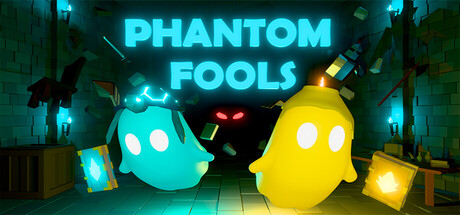
Generative AI was used during the development of Phantom Fools as a helper tool. It was used for some images, sound effects, music, and small parts of code. The 3D models, animations, most of the code, and the main game design were made by the developers without generative AI. Everything made with AI was checked, edited, and added to the game manually.
The game does not use generative AI during gameplay. No live AI-generated content is shown to players.
Current store artwork, in-game loading screen images, and background music were created with assistance from generative AI tools. These assets were manually reviewed and edited by the development team.
Some assets included in this game were created with generative AI including some sound effects, background music, character sprites, background sprites, and the intro trailer that plays when launching the game.
Some images in the game are AI-assisted assets that have been carefully edited and refined by me. The artwork is a blend of self-designed visuals and AI-generated elements, with adjustments made to harmonize color patterns.
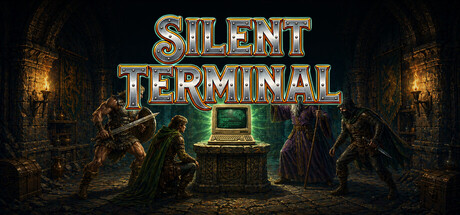
SILENT TERMINAL uses generative AI as a creative aid during development. Specifically, the promotional images on this store page (the capsule, header, key art and illustrations) were created with AI tools and then reviewed, edited and curated by our human team.
The game itself is built from human created and human supervised content: the ASCII art, maps, branching stories, dialogue and RPG systems are designed by the team. SILENT TERMINAL does not generate content with AI in real time during play. All adventures are loaded from pre authored files.
Some art assets are generative and some are not. Many assets were purchased and then updated with generative AI in order to look different from the original purchased assets. We would love to change these out for custom art if the game does well.
This game uses generative AI tools during development to assist with the creation of certain art assets and some repetitive development tasks. All content is manually designed, reviewed, selected, and integrated by the developer.
Generative AI tools were used exclusively to create the main menu background illustration and the visual assets/textures for the enemy characters. No other parts of the game utilize artificial intelligence, and all other assets were created or acquired manually by the developers. The game does not contain any live-generated or real-time AI content.
Final Deal is a human-created game. Generative AI tools were used as part of the development process for brainstorming and concept exploration of some visual assets. All gameplay mechanics, systems, writing, artistic direction, and final creative were made by the developer.
Artificial Intelligence was used as a supportive tool during the early stages of development, primarily for idea generation, documentation structuring, and general content review.
AI was also used to create certain placeholder images during the conceptual phase. These assets are temporary and will be replaced, as they are not intended to be part of the final version of the game.
All final game content, including design, gameplay systems, mechanics, artwork, and programming, has been manually created, implemented, and validated by the developer, along with licensed assets from the Unity Asset Store and contributions from freelancers (all properly credited).
Generative AI was used to assist in the creation of some art assets. All AI-assisted content was reviewed and edited by the developer before being included in the game.
Generative AI was used during development as a production tool for portions of the game's source code, music production workflow, and synthetic voice-over generation.
AI-assisted code was reviewed, tested, modified where necessary, and integrated under the direct supervision of the developer. Some music tracks originated from AI-generated compositions or stems and were subsequently edited, arranged, mixed, and produced by the developer. Voice-over content is generated using commercially licensed AI voice technology from developer-written scripts.
The game's gameplay systems, game design, balancing, progression systems, procedural visual generation technology, world generation systems, writing, and overall creative direction were conceived, designed, and maintained by the developer.
The game does not use generative AI at runtime. No player-facing content is generated on-the-fly during gameplay. Visuals are created through deterministic procedural generation systems and pre-authored assets rather than generative image AI.
Character portraits, UI icons, and background art in this game were generated using AI image tools (Google Gemini) and then edited, composited, and finalized by the developer. Music and sound effects were AI-generated (Suno / ElevenLabs) and edited by the developer. AI (Claude Code) was also used as a coding assistant during development. No AI content is generated live during gameplay — all assets are fixed and authored before release.
Generative AI was used as a supplementary tool for certain visual and audio assets. Every AI-assisted asset underwent substantial manual editing, refinement, quality control, and integration by the development team.
Pre-generated 2D visual assets were created using AI tools. This includes the skill icons used in the game's UI, as well as the promotional capsule and cover artwork for the Steam store page.
Some of the CC0 soundtracks I found online turned out to be ai generated.
I'm currently working with a talented composer to replace them all with human-made ones.
Some 2D character art (cat portraits / cosmetics previews) and a subset of sound effects were created with AI-assisted tools. All final assets were curated, edited, and reviewed by the developer. The game does not run any generative AI at runtime — no user input is sent to AI services.
Generative AI was used to assist with the localization of some in-game text in some languages. All AI-generated translations are reviewed and edited by the developer before being included in the game.
Mancalero is an iterative work still in development. Some AI elements that may remain include code, SFX, visual effects, text and translations (once implemented).
I used AI to generate much of the code for this game. I did a lot of reviewing and tweaking the code, but a large portion of the core code for the game was generated by AI.
The AI also generate the player and enemy "models". I had them generate to game scene files (tscn files in Godot) which are just simple text files. I tweaked many of them after initial generation.
I also used AI to generate the various store page and icon art, and 4 images that are findable in the game as items
AI was not used for the music in game, or the various art assets and SFX not mentioned above.
Some of the playable character and enemy models currently in the game were made with help from generative AI tools. I’m still working on these assets during development, and some or all of them may be replaced before release. I’ll update this disclosure if that changes.
AI tools were used strictly to assist with optimizing some C# scripts and brainstorming mechanics. All final 2D and 3D in-game assets, animations, and core gameplay features were manually created and implemented by the developer.
Some in-game images and user interface (UI) elements were created with generative AI assistance, then reviewed and edited by our team for use in the game and store materials.
We believe that no person should be replaced by AI. All Primals — their models, animation, rigging, textures, SFX, and VFX — have been handcrafted by skilled artists.
Our developers may choose to use generative AI as part of an iterative, exploratory development process, but how and when is left to individual team members, and the final product always reflects the creativity and expression of our own development team.
As a small team, we have licensed some icons and 2D assets from external creators, and it is possible that some of these creators have used generative AI.
Some promotional images on the Steam store page and selected in-game UI images were created or assisted using generative AI, then reviewed and edited by the development team before use.
This game uses AI-generated content, including art, music, code, and some narrative text. All AI-generated content has been reviewed, selected, edited, and integrated by the developer.
The overall concept, system design, content structure, debugging, and final quality control were completed independently by the developer.
As a small indie team of 3 developers, we utilized AI technologies as a supplementary tool in highly specific areas to optimize our development pipeline and deliver a more immersive experience:
Voice Acting: The character voice-overs in the game were generated using AI-assisted voice models.
Concept Art: For the portrait designs appearing after the 2nd planet, AI was used strictly during the initial concept and ideation phase. All final assets were carefully refined and finalized by us to ensure strict visual consistency and match our artistic vision.
Beyond these specific use cases, all programming, core game design, narrative, and primary in-game assets were handcrafted by our team. The game does not feature any live-generated AI content, and player safety/experience is fully controlled.
Generative AI was used during the development of Phantom Fools as a helper tool. It was used for some images, sound effects, music, and small parts of code. The 3D models, animations, most of the code, and the main game design were made by the developers without generative AI. Everything made with AI was checked, edited, and added to the game manually.
The game does not use generative AI during gameplay. No live AI-generated content is shown to players.
Current store artwork, in-game loading screen images, and background music were created with assistance from generative AI tools. These assets were manually reviewed and edited by the development team.
Some assets included in this game were created with generative AI including some sound effects, background music, character sprites, background sprites, and the intro trailer that plays when launching the game.
Some images in the game are AI-assisted assets that have been carefully edited and refined by me. The artwork is a blend of self-designed visuals and AI-generated elements, with adjustments made to harmonize color patterns.
SILENT TERMINAL uses generative AI as a creative aid during development. Specifically, the promotional images on this store page (the capsule, header, key art and illustrations) were created with AI tools and then reviewed, edited and curated by our human team.
The game itself is built from human created and human supervised content: the ASCII art, maps, branching stories, dialogue and RPG systems are designed by the team. SILENT TERMINAL does not generate content with AI in real time during play. All adventures are loaded from pre authored files.
Some art assets are generative and some are not. Many assets were purchased and then updated with generative AI in order to look different from the original purchased assets. We would love to change these out for custom art if the game does well.
This game uses generative AI tools during development to assist with the creation of certain art assets and some repetitive development tasks. All content is manually designed, reviewed, selected, and integrated by the developer.
Generative AI tools were used exclusively to create the main menu background illustration and the visual assets/textures for the enemy characters. No other parts of the game utilize artificial intelligence, and all other assets were created or acquired manually by the developers. The game does not contain any live-generated or real-time AI content.