Public Steam disclosure research25,710 disclosures tracked
Where do games disclose AI use?
Search developers’ Steam disclosures, compare classified AI use across
games, and follow recorded changes.
This index adds cross-game classifications and statistics to
statements published on individual store pages.
Groups reflect automatic analysis of public disclosures; mature records are excluded. These counts do not measure AI use across all of Steam.
Missing or unclear statements cannot establish whether a game uses AI.
- Since it is a one-person development game, there is a limit to producing all the directing cinemas, so we replaced the cinema with generative AI images and dialogues.
- We used generative AI to create game icons.
- Generative AI was used for the background music.
“This game includes a small number of static 3D meshes created with generative AI tools. All environments, gameplay, and narrative content are handcrafted.”
AI tools were used during development to support creative tasks. The game’s cover image was generated using Grok and later manually edited and masked. Voiceovers were created using ElevenLabs. ChatGPT and Grok were used to help brainstorm narrative and dialogue ideas, but all final writing and design decisions were made by the developer.
No AI systems are present during gameplay, and players do not interact with or influence any generative AI. All AI-generated content was reviewed and curated before being included in the game or its marketing materials.
For more information about how AI, copyright, and trademarks were handled in this project, please see: https://theinfernalist.com/copyright-and-trademarks/
Music and some images, especially the erotic artwork, were created using AI as a visual supplement to the game.
I chosed to use AI-generated visuals as it allowed me to dedicate more time and budget to what truly matters - funny and long gameplay.
We used generative AI to generate placeholder art for the players and enemies, which we plan to replace before the full release.
We also generated sprites for various items.
We integrate artificial intelligence solely as a creative assistance tool during pre-production and artistic exploration phases.
Specifically, we use image generators to produce preliminary concept art, explore different visual directions, and accelerate iteration on our graphic ideas.
AI serves only as a source of inspiration, while the entire final content is fully created, curated, and refined by our human team.
Generated images are never used as-is in the final product.
Every visual element in the game (textures, characters, environments, illustrations, etc.) is recreated, retouched, painted, recomposed, or manually validated by our artists to ensure:
originality of the content,
respect for copyright,
artistic consistency,
and compliance with Steam/Valve guidelines.
AI does not contribute to the generation of final assets, 3D models, animations, sounds, or any other elements directly integrated into the game.
Its role is strictly limited to providing visual references, aesthetic guidance, and starting points to help our team work more efficiently.
This approach allows us to maintain a strong and authentic artistic identity while benefiting from a more fluid, inspiring, and innovative creation process — directly reflected in the quality, coherence, and originality of our game.
The developer describes how AI-generated content is used in the game as follows
- Game Title Idea
- Base of Main Character Design Concepts
- Background Music (BGM)
- Some Sound Effects (SFX)
Some visual assets were created with the help of generative AI tools. These assets were later modified and updated manually during development. They are not direct or unedited outputs of the AI tools.
I used generative AI technology to produce some static (pre-rendered) visual assets:
- Background photo of the board on the Title/Menu screen
- Images of animals in the pop-up speech bubbles
- Logos on the 'Achievements' page
NO live generation of images/video using AI!
NO banned content!
All images in my game are considered tasteful & SFW (Safe For Work).
Some dialogue illustrations and UI images in this game were created using generative AI. These assets are pre-rendered and do not involve live AI generation during gameplay.
The game's store capsule image was created using AI tools. This is limited to promotional artwork only and does not affect the gameplay or in-game content.
Some game scripts and minor visual assets were created or refined using generative AI tools. All AI-generated content was reviewed and edited by the developer to ensure originality and consistency with the game's vision.
We used generative AI tools to assist with visual development and world-building.
Specifically, we used AI-generated concept art and background compositions as inspiration during early prototyping phases. These assets helped guide the tone and direction of the environments but were later refined or replaced manually to meet performance and visual standards.
We also used AI-assisted writing tools to iterate on in-game lore and placeholder dialogues, ensuring consistency in narrative tone. No generative AI was used to create final voice lines or essential gameplay mechanics.
All AI-generated content was carefully reviewed, curated, and edited by the development team before inclusion.
Portions of the project were created with AI assistance: select art assets and some in-game commentary were AI-generated, then reviewed and refined by the developer.
As a small indie team, we use generative AI to boost our productivity, primarily for secondary content such as storefronts, product packaging, billboards, and other elements, along with hand-crafted artwork. Generative AI has also been used for some programming code, secondary text, certain sounds, music, and general creative support. We do not use generative AI to automate core development or large portions of the product.
NO AI was used except as outlined below. NO AI OF ANY FORM was used for story/writing, character sprites, CGs, main backgrounds, music, coding, or any other elements.
We discovered a contractor used AI-assisted base line art on a limited number of secondary/non-main backgrounds. These were fully repainted and finished by a human artist. Includes speech synthesis.
During the development of this game, I used artificial intelligence tools for the following purposes:
* Accelerating the coding process – AI-powered assistants supported programming, debugging, and code generation to help bring the game to life more efficiently.
* Text translation and language checking – I used AI to translate written content into multiple languages and to assist with spelling and grammar correction.
Please note that all content generated or modified with the help of AI was manually reviewed and edited to ensure quality and a consistent player experience.
This game features AI-generated voice performances and crafting item models created with the assistance of generative tools. Promotional artwork, including store page banners, was also generated using AI.
Most of the wall paintings and images are AI generated
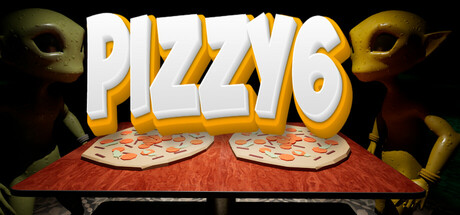
Some meshes are Ai generated like the Cash register, the pizza itself, the texts on the top of the customer like when they don't have the pizzas or they are saying something some of them are generated with AI
The game’s soundtrack and parts of the localization were created with the assistance of generative AI. All AI-assisted content was reviewed and integrated by the developer.
Some scenes and character illustrations in this game are AI-generated and subsequently refined by artists, with all content compliant with copyright regulations.
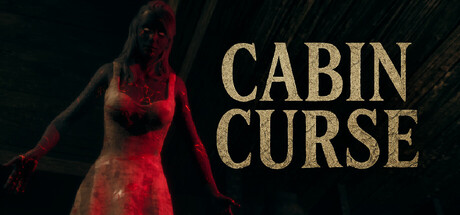
Cabin Curse uses generative AI tools to assist with development. Specifically, AI was used to help create early concept art, generate a few ambient music tracks, and design minor in-world details such as product labels on props (e.g., mugs, cereal boxes). No AI is used to generate content during gameplay, and all AI-generated assets were reviewed, edited, and integrated by the developer.
Some sound FX, texture maps, and background characters were initially started with AI, but after that all assets were either reworked, or built entirely from scratch by a trained 3D Artist. The developer is a 3D Artist more than a programmer, and so AI was used for help when building the Blueprints in Unreal Engine.
Generative AI content was used in the following cases:
- The main character of the game on the covers of the Steam page
- Music in the game
- Voice acting in the game
- Images for splashes and backgrounds in the game
AI was used to create base textures that were further modified to suit the tone and atmosphere of the game. They were not used without proper amendments and incorporation to the game.
We used AI to create static art assets: the store cover, in-game UI elements, and some in-game textures. Every AI-generated image was hand-edited, curated, and checked for copyright and content compliance. The game itself does not generate new content or code while you play, and no player data is ever sent to an AI service.
- Since it is a one-person development game, there is a limit to producing all the directing cinemas, so we replaced the cinema with generative AI images and dialogues.
- We used generative AI to create game icons.
- Generative AI was used for the background music.
“This game includes a small number of static 3D meshes created with generative AI tools. All environments, gameplay, and narrative content are handcrafted.”
AI tools were used during development to support creative tasks. The game’s cover image was generated using Grok and later manually edited and masked. Voiceovers were created using ElevenLabs. ChatGPT and Grok were used to help brainstorm narrative and dialogue ideas, but all final writing and design decisions were made by the developer.
No AI systems are present during gameplay, and players do not interact with or influence any generative AI. All AI-generated content was reviewed and curated before being included in the game or its marketing materials.
For more information about how AI, copyright, and trademarks were handled in this project, please see: https://theinfernalist.com/copyright-and-trademarks/
Music and some images, especially the erotic artwork, were created using AI as a visual supplement to the game.
I chosed to use AI-generated visuals as it allowed me to dedicate more time and budget to what truly matters - funny and long gameplay.
We used generative AI to generate placeholder art for the players and enemies, which we plan to replace before the full release.
We also generated sprites for various items.
We integrate artificial intelligence solely as a creative assistance tool during pre-production and artistic exploration phases.
Specifically, we use image generators to produce preliminary concept art, explore different visual directions, and accelerate iteration on our graphic ideas.
AI serves only as a source of inspiration, while the entire final content is fully created, curated, and refined by our human team.
Generated images are never used as-is in the final product.
Every visual element in the game (textures, characters, environments, illustrations, etc.) is recreated, retouched, painted, recomposed, or manually validated by our artists to ensure:
originality of the content,
respect for copyright,
artistic consistency,
and compliance with Steam/Valve guidelines.
AI does not contribute to the generation of final assets, 3D models, animations, sounds, or any other elements directly integrated into the game.
Its role is strictly limited to providing visual references, aesthetic guidance, and starting points to help our team work more efficiently.
This approach allows us to maintain a strong and authentic artistic identity while benefiting from a more fluid, inspiring, and innovative creation process — directly reflected in the quality, coherence, and originality of our game.
The developer describes how AI-generated content is used in the game as follows
- Game Title Idea
- Base of Main Character Design Concepts
- Background Music (BGM)
- Some Sound Effects (SFX)
Some visual assets were created with the help of generative AI tools. These assets were later modified and updated manually during development. They are not direct or unedited outputs of the AI tools.
I used generative AI technology to produce some static (pre-rendered) visual assets:
- Background photo of the board on the Title/Menu screen
- Images of animals in the pop-up speech bubbles
- Logos on the 'Achievements' page
NO live generation of images/video using AI!
NO banned content!
All images in my game are considered tasteful & SFW (Safe For Work).
Some dialogue illustrations and UI images in this game were created using generative AI. These assets are pre-rendered and do not involve live AI generation during gameplay.
The game's store capsule image was created using AI tools. This is limited to promotional artwork only and does not affect the gameplay or in-game content.
Some game scripts and minor visual assets were created or refined using generative AI tools. All AI-generated content was reviewed and edited by the developer to ensure originality and consistency with the game's vision.
We used generative AI tools to assist with visual development and world-building.
Specifically, we used AI-generated concept art and background compositions as inspiration during early prototyping phases. These assets helped guide the tone and direction of the environments but were later refined or replaced manually to meet performance and visual standards.
We also used AI-assisted writing tools to iterate on in-game lore and placeholder dialogues, ensuring consistency in narrative tone. No generative AI was used to create final voice lines or essential gameplay mechanics.
All AI-generated content was carefully reviewed, curated, and edited by the development team before inclusion.
Portions of the project were created with AI assistance: select art assets and some in-game commentary were AI-generated, then reviewed and refined by the developer.
As a small indie team, we use generative AI to boost our productivity, primarily for secondary content such as storefronts, product packaging, billboards, and other elements, along with hand-crafted artwork. Generative AI has also been used for some programming code, secondary text, certain sounds, music, and general creative support. We do not use generative AI to automate core development or large portions of the product.
NO AI was used except as outlined below. NO AI OF ANY FORM was used for story/writing, character sprites, CGs, main backgrounds, music, coding, or any other elements.
We discovered a contractor used AI-assisted base line art on a limited number of secondary/non-main backgrounds. These were fully repainted and finished by a human artist. Includes speech synthesis.
During the development of this game, I used artificial intelligence tools for the following purposes:
* Accelerating the coding process – AI-powered assistants supported programming, debugging, and code generation to help bring the game to life more efficiently.
* Text translation and language checking – I used AI to translate written content into multiple languages and to assist with spelling and grammar correction.
Please note that all content generated or modified with the help of AI was manually reviewed and edited to ensure quality and a consistent player experience.
This game features AI-generated voice performances and crafting item models created with the assistance of generative tools. Promotional artwork, including store page banners, was also generated using AI.
Most of the wall paintings and images are AI generated
Some meshes are Ai generated like the Cash register, the pizza itself, the texts on the top of the customer like when they don't have the pizzas or they are saying something some of them are generated with AI
The game’s soundtrack and parts of the localization were created with the assistance of generative AI. All AI-assisted content was reviewed and integrated by the developer.
Some scenes and character illustrations in this game are AI-generated and subsequently refined by artists, with all content compliant with copyright regulations.
Cabin Curse uses generative AI tools to assist with development. Specifically, AI was used to help create early concept art, generate a few ambient music tracks, and design minor in-world details such as product labels on props (e.g., mugs, cereal boxes). No AI is used to generate content during gameplay, and all AI-generated assets were reviewed, edited, and integrated by the developer.
Some sound FX, texture maps, and background characters were initially started with AI, but after that all assets were either reworked, or built entirely from scratch by a trained 3D Artist. The developer is a 3D Artist more than a programmer, and so AI was used for help when building the Blueprints in Unreal Engine.
Generative AI content was used in the following cases:
- The main character of the game on the covers of the Steam page
- Music in the game
- Voice acting in the game
- Images for splashes and backgrounds in the game
AI was used to create base textures that were further modified to suit the tone and atmosphere of the game. They were not used without proper amendments and incorporation to the game.
We used AI to create static art assets: the store cover, in-game UI elements, and some in-game textures. Every AI-generated image was hand-edited, curated, and checked for copyright and content compliance. The game itself does not generate new content or code while you play, and no player data is ever sent to an AI service.