Public Steam disclosure research25,497 disclosures tracked
Where do games disclose AI use?
Search developers’ Steam disclosures, compare classified AI use across
games, and follow recorded changes.
This index adds cross-game classifications and statistics to
statements published on individual store pages.
Groups reflect automatic analysis of public disclosures; mature records are excluded. These counts do not measure AI use across all of Steam.
Missing or unclear statements cannot establish whether a game uses AI.
I've used AI for code, and to generate some 2D & 3D assets.
I know people want to boycott AI (and I can respect that opinion), but this game would be nearly impossible for a solo developer to make without it.
I cannot stress to you the amount of manual work that still has to go into something like this, even with AI tooling.
You couldn't "prompt" a game like this.
I genuinely care about creating a good game, and if my use of AI is a hard stop for you trying this game, it's your loss!
This game uses generative AI tools to assist in creating some content, including certain textures, 3D assets, and voice acting. These AI-assisted assets were reviewed, edited, and integrated by the developer as part of the game’s production process.
Some visual assets and audio assets used in this game were created or assisted using generative AI tools. All AI-generated content has been reviewed, edited, and integrated by the developer as part of the game's production process. The game does not generate content using AI during gameplay.
Generative AI was used to assist in the creation of some promotional and marketing materials (such as key art).
All in-game content, gameplay, and screenshots are created without the use of generative AI.
Some promotional and store page artwork used for marketing materials was created or assisted using generative AI tools. No generative AI is used during gameplay, and the game does not generate AI-created content for players.
1.Generative AI tools were used to assist in creating some in-game art assets.
2.Generative AI tools were used to assist in creating and debugging some in-game code.
Some visual assets in this game (such as illustrations, icons, and background images) were created with the assistance of generative AI tools. All AI-generated content was reviewed, edited, and curated by our development team before being included in the game.
AI tools were used during development.
The interface translations (English, French, German, Italian and Portuguese) and the log translations were generated with AI assistance, under the developer's direction and with human review. The game does not generate AI content at runtime.
This game was developed with the assistance of generative AI. AI was used to help create code, written content, and some visual assets under the developer's direction. All AI-generated content is reviewed and integrated by the developer. The game does not use live generative AI during gameplay.
Some of the 2D art in Farmabot — including certain character, creature and crop sprites, cutscene background illustrations, and the game's store page / marketing images (capsules, icon, key art) — was produced with the assistance of locally-run generative AI image tools (Stable Diffusion). All AI-assisted assets are pre-generated (there is no live or runtime AI generation in the game); every asset was curated, edited, and assembled by the developer before inclusion.
Lumenfall is built by a small studio using AI-assisted development tools. Some pre-generated content — including portions of the game's code, the store page text, and the 2D promotional/capsule artwork and achievement icons — was created with the help of AI tools, always under human direction and review. The game does not generate any content with AI at runtime; everything you play is fixed, hand-tuned content.
This game was made by 1 person, with the help of AI for the art, coding, sound, story, you name it. This was a lot of work for me the human though, this was not a few prompts, this was many different systems and custom work pipelines I designed completely myself. It took a long time and a huge amount of effort.
Generative AI tools were used to translate in-game text. Translations into languages spoken by the development team have been reviewed and corrected. Other languages rely primarily on these AI tools.
Bear with me. As a solo-creator I really want to first focus on the game complex logic and its user interface and features, which are crucial to me to give you the best possible experience I can. So this game includes a small number of artworks and music tracks generated using AI tools, which where still edited and refined by me before being included in the final build. I'm working hard to make the game even better at every release. Thank you!
Some in-game visual assets (character portraits, icons, and interface art) were created with generative AI tools under commercial licenses, with direction and curation by the developer. Background music is licensed separately (Kevin MacLeod, CC BY 4.0). The game does not generate new art or text during gameplay.
This game may use pre-generated AI-assisted visual assets in some store/marketing materials and placeholder art. All such assets are reviewed and edited by the developer. The game does not use live generative AI during gameplay.
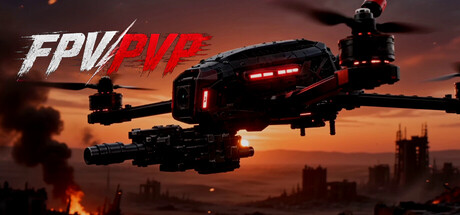
Some promotional and marketing materials for FPV PVP - specifically the cinematic announcement trailer and portions of the Steam store capsule/key artwork - were produced with the help of generative AI video and image tools, using our own original in-game drone model and game assets as the reference input. All in-game content (gameplay, 3D models, maps, UI, code and audio) is created by the developer and is not generative-AI content. The game does not generate any AI content live at runtime.
We are using AI art assets in places where our Art has not caught up to the current game progress. We are continuing to produce art to replace the AI assets.
Pre-generated AI tools were used during development to create the game's soundtrack and sound effects, and to assist with portions of its application icon and promotional key art. Those assets were selected, integrated, and reviewed by the developer. No AI content is generated during gameplay.
Some store page visuals and marketing materials
were created with the assistance of AI image
generation tools. All in-game assets are
human-made or licensed from asset stores.
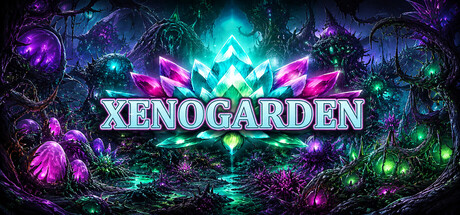
Generative AI-assisted tools were used as part of the development process for Xenogarden.
This includes support in creating and refining selected visual content such as concept art, artwork, textures, marketing materials and store page assets, as well as assistance with text, localization, sound/music ideas and creative drafts.
All content included in the game is pre-generated, selected, reviewed and curated. The game does not generate new AI content during gameplay and does not connect to external AI services during gameplay.
Generative AI was used only during the early concept art and ideation phase to help explore visual directions and inspire the art team. Any AI-assisted concepts served solely as reference material. All final in-game artwork was created, substantially reworked, or manually produced by human artists. The game does not generate AI content during gameplay, and no live AI systems are used by players.
Chrome Circuit is developed by a solo developer who uses generative AI as part of the production pipeline. Character and environment sprite art was created using AI image generation, then processed, edited, and integrated by hand. Portions of the game's code were written with AI assistance under the developer's direction, with all systems designed, reviewed, and tested by the developer. All AI-generated content is created during development ("pre-generated") — the game does not generate any content while you play, and no AI runs on your machine. Game design, writing, and all creative decisions are the work of the developer.
We used generative AI tools during development to create game icons. All assets were reviewed and integrated manually. The game does not generate content in real-time.
Forged Cards is a passion project, built by one person. I'm not a game studio, I'm a single developer who fell in love with an idea for a deck-builder where you build the cards and set out to make it real.
Games like this usually take a team. Modern AI development tools are a big part of how one person was able to build something at this scope. I used AI coding assistants to help me build and iterate on the game's systems, AI image generation for the art, and AI-generated sound effects, all of it reviewed, edited, and shaped by me to fit the world I wanted to create. Every card, every enemy, every choice about how this game looks and feels came from a person (and some close friends) who cared about getting it right.
I'm being upfront about this because I think you deserve to know how the thing you're playing was made. Forged Cards exists because these tools let one person build a game that otherwise would have stayed an idea in a notebook.
Some of this game's character and enemy art was created with the assistance of generative AI tools during development, then hand-reviewed and edited before shipping. No AI content is generated at runtime.
Some creature sprites and artwork were created with the assistance of AI image generation tools (Pixellab) and subsequently edited and refined by hand. All game design, mechanics, and balance are human-made. Development tools with AI assistance were used for portions of the code. The game does not generate any content with AI at runtime.
Some of the game's background music (BGM) uses tracks created with generative AI, and AI tools were used for localization (translation) into some languages. Store page images and some in-game illustrations (such as cutscenes and maps) were created with the assistance of AI image generation tools. Some in-game icons are based on AI-generated images that were then manually retouched and refined by the developer. All other content (in-game pixel art including characters and monsters, code, original story, etc.) was not created with AI.
This game was created with the assistance of generative AI tools for visual assets, music, and coding. All generated material was extensively edited, arranged, curated, and directed by the developer. The gameplay design, UI layout, visual style, and overall creative vision are the result of significant human authorship.
I've used AI for code, and to generate some 2D & 3D assets.
I know people want to boycott AI (and I can respect that opinion), but this game would be nearly impossible for a solo developer to make without it.
I cannot stress to you the amount of manual work that still has to go into something like this, even with AI tooling.
You couldn't "prompt" a game like this.
I genuinely care about creating a good game, and if my use of AI is a hard stop for you trying this game, it's your loss!
This game uses generative AI tools to assist in creating some content, including certain textures, 3D assets, and voice acting. These AI-assisted assets were reviewed, edited, and integrated by the developer as part of the game’s production process.
Some visual assets and audio assets used in this game were created or assisted using generative AI tools. All AI-generated content has been reviewed, edited, and integrated by the developer as part of the game's production process. The game does not generate content using AI during gameplay.
Generative AI was used to assist in the creation of some promotional and marketing materials (such as key art).
All in-game content, gameplay, and screenshots are created without the use of generative AI.
Some promotional and store page artwork used for marketing materials was created or assisted using generative AI tools. No generative AI is used during gameplay, and the game does not generate AI-created content for players.
1.Generative AI tools were used to assist in creating some in-game art assets.
2.Generative AI tools were used to assist in creating and debugging some in-game code.
Some visual assets in this game (such as illustrations, icons, and background images) were created with the assistance of generative AI tools. All AI-generated content was reviewed, edited, and curated by our development team before being included in the game.
AI tools were used during development.
The interface translations (English, French, German, Italian and Portuguese) and the log translations were generated with AI assistance, under the developer's direction and with human review. The game does not generate AI content at runtime.
This game was developed with the assistance of generative AI. AI was used to help create code, written content, and some visual assets under the developer's direction. All AI-generated content is reviewed and integrated by the developer. The game does not use live generative AI during gameplay.
Some of the 2D art in Farmabot — including certain character, creature and crop sprites, cutscene background illustrations, and the game's store page / marketing images (capsules, icon, key art) — was produced with the assistance of locally-run generative AI image tools (Stable Diffusion). All AI-assisted assets are pre-generated (there is no live or runtime AI generation in the game); every asset was curated, edited, and assembled by the developer before inclusion.
Lumenfall is built by a small studio using AI-assisted development tools. Some pre-generated content — including portions of the game's code, the store page text, and the 2D promotional/capsule artwork and achievement icons — was created with the help of AI tools, always under human direction and review. The game does not generate any content with AI at runtime; everything you play is fixed, hand-tuned content.
This game was made by 1 person, with the help of AI for the art, coding, sound, story, you name it. This was a lot of work for me the human though, this was not a few prompts, this was many different systems and custom work pipelines I designed completely myself. It took a long time and a huge amount of effort.
Generative AI tools were used to translate in-game text. Translations into languages spoken by the development team have been reviewed and corrected. Other languages rely primarily on these AI tools.
Bear with me. As a solo-creator I really want to first focus on the game complex logic and its user interface and features, which are crucial to me to give you the best possible experience I can. So this game includes a small number of artworks and music tracks generated using AI tools, which where still edited and refined by me before being included in the final build. I'm working hard to make the game even better at every release. Thank you!
Some in-game visual assets (character portraits, icons, and interface art) were created with generative AI tools under commercial licenses, with direction and curation by the developer. Background music is licensed separately (Kevin MacLeod, CC BY 4.0). The game does not generate new art or text during gameplay.
This game may use pre-generated AI-assisted visual assets in some store/marketing materials and placeholder art. All such assets are reviewed and edited by the developer. The game does not use live generative AI during gameplay.
Some promotional and marketing materials for FPV PVP - specifically the cinematic announcement trailer and portions of the Steam store capsule/key artwork - were produced with the help of generative AI video and image tools, using our own original in-game drone model and game assets as the reference input. All in-game content (gameplay, 3D models, maps, UI, code and audio) is created by the developer and is not generative-AI content. The game does not generate any AI content live at runtime.
We are using AI art assets in places where our Art has not caught up to the current game progress. We are continuing to produce art to replace the AI assets.
Pre-generated AI tools were used during development to create the game's soundtrack and sound effects, and to assist with portions of its application icon and promotional key art. Those assets were selected, integrated, and reviewed by the developer. No AI content is generated during gameplay.
Some store page visuals and marketing materials
were created with the assistance of AI image
generation tools. All in-game assets are
human-made or licensed from asset stores.
Generative AI-assisted tools were used as part of the development process for Xenogarden.
This includes support in creating and refining selected visual content such as concept art, artwork, textures, marketing materials and store page assets, as well as assistance with text, localization, sound/music ideas and creative drafts.
All content included in the game is pre-generated, selected, reviewed and curated. The game does not generate new AI content during gameplay and does not connect to external AI services during gameplay.
Generative AI was used only during the early concept art and ideation phase to help explore visual directions and inspire the art team. Any AI-assisted concepts served solely as reference material. All final in-game artwork was created, substantially reworked, or manually produced by human artists. The game does not generate AI content during gameplay, and no live AI systems are used by players.
Chrome Circuit is developed by a solo developer who uses generative AI as part of the production pipeline. Character and environment sprite art was created using AI image generation, then processed, edited, and integrated by hand. Portions of the game's code were written with AI assistance under the developer's direction, with all systems designed, reviewed, and tested by the developer. All AI-generated content is created during development ("pre-generated") — the game does not generate any content while you play, and no AI runs on your machine. Game design, writing, and all creative decisions are the work of the developer.
We used generative AI tools during development to create game icons. All assets were reviewed and integrated manually. The game does not generate content in real-time.
Forged Cards is a passion project, built by one person. I'm not a game studio, I'm a single developer who fell in love with an idea for a deck-builder where you build the cards and set out to make it real.
Games like this usually take a team. Modern AI development tools are a big part of how one person was able to build something at this scope. I used AI coding assistants to help me build and iterate on the game's systems, AI image generation for the art, and AI-generated sound effects, all of it reviewed, edited, and shaped by me to fit the world I wanted to create. Every card, every enemy, every choice about how this game looks and feels came from a person (and some close friends) who cared about getting it right.
I'm being upfront about this because I think you deserve to know how the thing you're playing was made. Forged Cards exists because these tools let one person build a game that otherwise would have stayed an idea in a notebook.
Some of this game's character and enemy art was created with the assistance of generative AI tools during development, then hand-reviewed and edited before shipping. No AI content is generated at runtime.
Some creature sprites and artwork were created with the assistance of AI image generation tools (Pixellab) and subsequently edited and refined by hand. All game design, mechanics, and balance are human-made. Development tools with AI assistance were used for portions of the code. The game does not generate any content with AI at runtime.
Some of the game's background music (BGM) uses tracks created with generative AI, and AI tools were used for localization (translation) into some languages. Store page images and some in-game illustrations (such as cutscenes and maps) were created with the assistance of AI image generation tools. Some in-game icons are based on AI-generated images that were then manually retouched and refined by the developer. All other content (in-game pixel art including characters and monsters, code, original story, etc.) was not created with AI.
This game was created with the assistance of generative AI tools for visual assets, music, and coding. All generated material was extensively edited, arranged, curated, and directed by the developer. The gameplay design, UI layout, visual style, and overall creative vision are the result of significant human authorship.