Public Steam disclosure research25,376 disclosures tracked
Where do games disclose AI use?
Search developers’ Steam disclosures, compare classified AI use across
games, and follow recorded changes.
This index adds cross-game classifications and statistics to
statements published on individual store pages.
Groups reflect automatic analysis of public disclosures; mature records are excluded. These counts do not measure AI use across all of Steam.
Missing or unclear statements cannot establish whether a game uses AI.
We are a two-person indie team with over a decade of real-world game development experience. Pat has been making games for 10 years, and Nate was a professional working artist long before generative AI tools existed.
We know AI in games is a dealbreaker for some folks, and we struggle with how much to use it ourselves. We want to be completely upfront about how we built this so you have the full picture:
- Visuals: We used generative AI alongside our standard software to speed up ideation and automate tedious tasks. Every final in-game element is as handmade as any other pre-LLM digital art. Most of the icons were licensed from a third-party.
- Code: We used AI assistants for pair-programming and troubleshooting complex engine logic on a project that two non-engineers couldn't otherwise build alone.
No content is generated live in-game at runtime.
We believe in total transparency with our players. We built this game to celebrate developers, and we want to be completely open about how we made it. As busy parents navigating the job hunt during development, these tools gave us the leverage to build and ship an ambitious project that we simply couldn't have created otherwise.
Generative AI was used during development to assist with the creation of some promotional and marketing materials, including the game's capsule artwork and logo. These materials were reviewed, edited, and finalized by the development team. Generative AI is not used to generate content dynamically during gameplay.
Shirt Happens! was made with the help of generative AI. We used it to write and review
code, to bring the game's mechanics online, to support our UI work, to generate visual
assets and reference images for our 2D and 3D art, to draft written text including parts
of this store page, and as a sounding board for design ideas. Everything it produced was
reviewed, edited and finished by us before it shipped.
his game uses generative AI during development to assist in the creation of certain visual assets, including but not limited to store promotional images, concept illustrations, and decorative graphics. All AI-generated images have been reviewed, selected, and post-processed by the developer to ensure consistency with the game's overall art direction. The core gameplay, programming code, written content, numerical systems, music, and sound effects were independently designed and authored by the developer without the use of generative AI. AI tools were used solely to improve the production efficiency of visual assets and are not involved in any real-time in-game content generation.
During the development process, we may use procedural- and AI-based tools to assist with content creation. In all such cases, the final product reflects the creativity and expression of our own development team.
AI has been used solely as a coding assistant for assistance purposes.
As a solo indie developer with no software background, using a coding assistant is my only option.
Regards.
Generative AI tools were utilized during the development process to assist with coding, localization (translations), and early concept drafts for visual assets. All final in-game assets, codebase, and gameplay mechanics were curated, refined, and implemented directly by the developer.
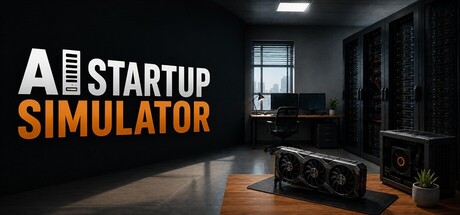
Some pre-generated visual and audio assets in AI Startup Simulator were created with the assistance of generative AI tools during development. This includes in-game desktop wallpapers, images used in vision-related tasks, and instrumental music loops for minigames. These assets were reviewed, edited, and integrated by the development team before release. The game does not use live generative AI and does not generate content with AI during gameplay.
Some visual assets were created with the assistance of generative AI tools during development. These assets were subsequently reviewed, edited, and refined by the development team before being included in the final game.
No AI-generated content is created during gameplay.
This game uses AI to analyze the meaning and intent of players’ natural-language input in real time, enabling players to interact with characters using their own words. AI is used solely for input analysis during gameplay. All dialogue and narrative content are written by the development team and are not generated by AI.
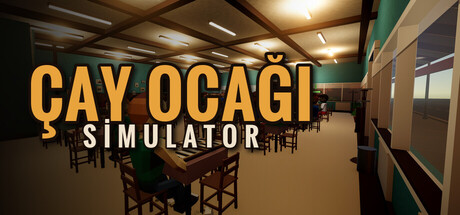
Some visual assets (logo, item cover art, character portraits), portions of in-game text, localizations into languages other than Turkish and English, and music/sound effects were created with the assistance of generative AI tools and then reviewed and edited by the developers. No content is generated by AI during gameplay.
This game generates content with AI, entirely on your machine: an embedded, frozen local model writes and illustrates the "Book" of each run (texts and fictional game covers). No internet connection is required, no data is collected, and nothing is generated by external services. The game's translations were AI-assisted, then human-reviewed.
Despite game is simulating the AI, all conversations are hard coded and written by person.
AI was used to generate the names and descriptions for some items, but it was manually reviewed by developer.
Seed Money was developed with the assistance of generative AI tools, including Claude, GPT, and Gemini. AI was used throughout the development process, including programming assistance and the creation of artwork and sound assets. All AI-generated content included in the game was reviewed and integrated by the development team.
This game uses generative AI tools. Some art assets, texts and portions of the game's code were created with the assistance of generative AI during development. All AI-assisted content was reviewed, edited, and integrated by the developer before release. The game does not use generative AI in real time during gameplay.
The AI coworkers in this game are voiced by a machine (TTS), and their dialogue was really written by AI together with self portraits, on purpose and under human review. The slop is diegetic. The code was written with AI agents and reviewed by the last human in that loop, the developer. That is also the plot. No AI runs at runtime. Everything was baked and reviewed before shipping.
AI tools were used for part of the art and music. Everything gets picked, cleaned up and put together by hand afterwards. There's no AI in the game itself: what you play is exactly what was built in mind.
AI-generated content in this project is limited to the store page and marketing materials. The game build itself contains no AI-generated content.
Store page text: The store description and Early Access questionnaire answers were drafted with the assistance of a large language model, then reviewed and edited by the developer.
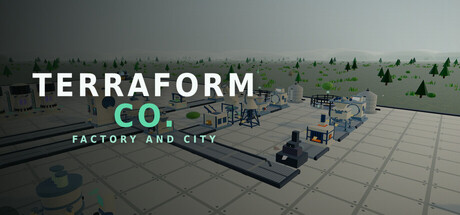
Not AI-generated: All in-game art, models, textures and animation. 3D assets are CC0-licensed (Kenney) or built by the developer in Blender; textures are CC0/licensed sets from Poly Haven, ambientCG and Poliigon. All screenshots and capsule images are real frames captured from the game's renderer, composited with the game's own title typography. No image generation model was used to produce any art in the game or on the store page.
Some visual artwork used in the game and promotional materials was created with generative AI tools and then selected, edited, and integrated by the developer. No generative AI content is created during gameplay.
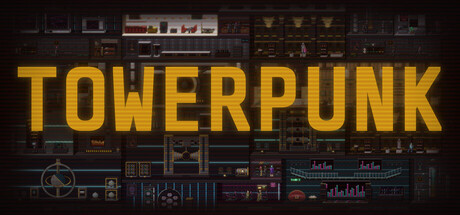
All art, music, and sound in TOWERPUNK are original to this project, produced by procedural code written specifically for the game. None of it is derived from generative media models. AI coding assistants were used during development to help write the game's source code and some functional interface text (menu labels, status readouts). All narrative and creative writing is authored by the developer.
We used generative AI on fighter portraits for deeper immersion and as a pre-production tool for early concept layouts. From there, all character assets and visual elements were extensively edited and manually hand-painted by human artists to ensure high visual quality and artistic control.
Generative AI tools were utilized for auxiliary purposes in the production of some assets. These assets were modified and supplemented by professional art personnel and were finally applied to the game.
Generative AI was used during development to create the game’s pre-generated 2D visual assets, including card illustrations, backgrounds, UI decorative elements, and Steam marketing materials. It was also used to assist with portions of the store text and localization. All AI-assisted content was selected, edited, and reviewed by the developer before publication. The game does not use generative AI to generate content at runtime.
All assets in this game — art, music, and text — were created by humans. During development, generative AI tools were used for coding assistance and debugging. All resulting code was reviewed and approved by a human developer before inclusion.
Generative AI tools were used during development to assist with some pre-generated visual assets, including selected pixel-art environments, characters, illustrations, icons, and promotional artwork. These assets are included with the game and are not generated live during gameplay. The game does not use a live AI service or send player data to an AI service. Shipped assets were reviewed, edited, and integrated by the development team.
Portions of the game's code were written with AI assistance and reviewed, tested and integrated by the developer. Localization into non-English languages was machine-assisted and human-reviewed. Some 2D concept/marketing artwork was AI-assisted and manually refined. All gameplay, game design and audio are human-made. The game does not generate any content with AI at runtime.
We used a Gen AI powered tool to localize the following:
- (in some languages) In-game text
- (in some languages) Steam store descriptions
We plan to replace these with human translation and LQA when we can afford it.
Until then, we are using Gen AI temporarily.
AI helped us create our new logo, and we used Claude Code to help us with... the code, bro. Otherwise, the game's hand-made!
Our world is entering a troubling and hilarious time, and so critical reflection is important - but we are not categorically anti-AI. After all, you can't criticize something you don't understand, can you?
Pixel art assets, in-game text translation to other languages were produced with AI assistance during development and edited by the developer. No content is generated at runtime.
We are a two-person indie team with over a decade of real-world game development experience. Pat has been making games for 10 years, and Nate was a professional working artist long before generative AI tools existed.
We know AI in games is a dealbreaker for some folks, and we struggle with how much to use it ourselves. We want to be completely upfront about how we built this so you have the full picture:
- Visuals: We used generative AI alongside our standard software to speed up ideation and automate tedious tasks. Every final in-game element is as handmade as any other pre-LLM digital art. Most of the icons were licensed from a third-party.
- Code: We used AI assistants for pair-programming and troubleshooting complex engine logic on a project that two non-engineers couldn't otherwise build alone.
No content is generated live in-game at runtime.
We believe in total transparency with our players. We built this game to celebrate developers, and we want to be completely open about how we made it. As busy parents navigating the job hunt during development, these tools gave us the leverage to build and ship an ambitious project that we simply couldn't have created otherwise.
Generative AI was used during development to assist with the creation of some promotional and marketing materials, including the game's capsule artwork and logo. These materials were reviewed, edited, and finalized by the development team. Generative AI is not used to generate content dynamically during gameplay.
Shirt Happens! was made with the help of generative AI. We used it to write and review
code, to bring the game's mechanics online, to support our UI work, to generate visual
assets and reference images for our 2D and 3D art, to draft written text including parts
of this store page, and as a sounding board for design ideas. Everything it produced was
reviewed, edited and finished by us before it shipped.
his game uses generative AI during development to assist in the creation of certain visual assets, including but not limited to store promotional images, concept illustrations, and decorative graphics. All AI-generated images have been reviewed, selected, and post-processed by the developer to ensure consistency with the game's overall art direction. The core gameplay, programming code, written content, numerical systems, music, and sound effects were independently designed and authored by the developer without the use of generative AI. AI tools were used solely to improve the production efficiency of visual assets and are not involved in any real-time in-game content generation.
During the development process, we may use procedural- and AI-based tools to assist with content creation. In all such cases, the final product reflects the creativity and expression of our own development team.
AI has been used solely as a coding assistant for assistance purposes.
As a solo indie developer with no software background, using a coding assistant is my only option.
Regards.
Generative AI tools were utilized during the development process to assist with coding, localization (translations), and early concept drafts for visual assets. All final in-game assets, codebase, and gameplay mechanics were curated, refined, and implemented directly by the developer.
Some pre-generated visual and audio assets in AI Startup Simulator were created with the assistance of generative AI tools during development. This includes in-game desktop wallpapers, images used in vision-related tasks, and instrumental music loops for minigames. These assets were reviewed, edited, and integrated by the development team before release. The game does not use live generative AI and does not generate content with AI during gameplay.
Some visual assets were created with the assistance of generative AI tools during development. These assets were subsequently reviewed, edited, and refined by the development team before being included in the final game.
No AI-generated content is created during gameplay.
This game uses AI to analyze the meaning and intent of players’ natural-language input in real time, enabling players to interact with characters using their own words. AI is used solely for input analysis during gameplay. All dialogue and narrative content are written by the development team and are not generated by AI.
Some visual assets (logo, item cover art, character portraits), portions of in-game text, localizations into languages other than Turkish and English, and music/sound effects were created with the assistance of generative AI tools and then reviewed and edited by the developers. No content is generated by AI during gameplay.
This game generates content with AI, entirely on your machine: an embedded, frozen local model writes and illustrates the "Book" of each run (texts and fictional game covers). No internet connection is required, no data is collected, and nothing is generated by external services. The game's translations were AI-assisted, then human-reviewed.
Despite game is simulating the AI, all conversations are hard coded and written by person.
AI was used to generate the names and descriptions for some items, but it was manually reviewed by developer.
Seed Money was developed with the assistance of generative AI tools, including Claude, GPT, and Gemini. AI was used throughout the development process, including programming assistance and the creation of artwork and sound assets. All AI-generated content included in the game was reviewed and integrated by the development team.
This game uses generative AI tools. Some art assets, texts and portions of the game's code were created with the assistance of generative AI during development. All AI-assisted content was reviewed, edited, and integrated by the developer before release. The game does not use generative AI in real time during gameplay.
The AI coworkers in this game are voiced by a machine (TTS), and their dialogue was really written by AI together with self portraits, on purpose and under human review. The slop is diegetic. The code was written with AI agents and reviewed by the last human in that loop, the developer. That is also the plot. No AI runs at runtime. Everything was baked and reviewed before shipping.
AI tools were used for part of the art and music. Everything gets picked, cleaned up and put together by hand afterwards. There's no AI in the game itself: what you play is exactly what was built in mind.
AI-generated content in this project is limited to the store page and marketing materials. The game build itself contains no AI-generated content.
Store page text: The store description and Early Access questionnaire answers were drafted with the assistance of a large language model, then reviewed and edited by the developer.
Not AI-generated: All in-game art, models, textures and animation. 3D assets are CC0-licensed (Kenney) or built by the developer in Blender; textures are CC0/licensed sets from Poly Haven, ambientCG and Poliigon. All screenshots and capsule images are real frames captured from the game's renderer, composited with the game's own title typography. No image generation model was used to produce any art in the game or on the store page.
Some visual artwork used in the game and promotional materials was created with generative AI tools and then selected, edited, and integrated by the developer. No generative AI content is created during gameplay.
All art, music, and sound in TOWERPUNK are original to this project, produced by procedural code written specifically for the game. None of it is derived from generative media models. AI coding assistants were used during development to help write the game's source code and some functional interface text (menu labels, status readouts). All narrative and creative writing is authored by the developer.
We used generative AI on fighter portraits for deeper immersion and as a pre-production tool for early concept layouts. From there, all character assets and visual elements were extensively edited and manually hand-painted by human artists to ensure high visual quality and artistic control.
Generative AI tools were utilized for auxiliary purposes in the production of some assets. These assets were modified and supplemented by professional art personnel and were finally applied to the game.
Generative AI was used during development to create the game’s pre-generated 2D visual assets, including card illustrations, backgrounds, UI decorative elements, and Steam marketing materials. It was also used to assist with portions of the store text and localization. All AI-assisted content was selected, edited, and reviewed by the developer before publication. The game does not use generative AI to generate content at runtime.
All assets in this game — art, music, and text — were created by humans. During development, generative AI tools were used for coding assistance and debugging. All resulting code was reviewed and approved by a human developer before inclusion.
Generative AI tools were used during development to assist with some pre-generated visual assets, including selected pixel-art environments, characters, illustrations, icons, and promotional artwork. These assets are included with the game and are not generated live during gameplay. The game does not use a live AI service or send player data to an AI service. Shipped assets were reviewed, edited, and integrated by the development team.
Portions of the game's code were written with AI assistance and reviewed, tested and integrated by the developer. Localization into non-English languages was machine-assisted and human-reviewed. Some 2D concept/marketing artwork was AI-assisted and manually refined. All gameplay, game design and audio are human-made. The game does not generate any content with AI at runtime.
We used a Gen AI powered tool to localize the following:
- (in some languages) In-game text
- (in some languages) Steam store descriptions
We plan to replace these with human translation and LQA when we can afford it.
Until then, we are using Gen AI temporarily.
AI helped us create our new logo, and we used Claude Code to help us with... the code, bro. Otherwise, the game's hand-made!
Our world is entering a troubling and hilarious time, and so critical reflection is important - but we are not categorically anti-AI. After all, you can't criticize something you don't understand, can you?
Pixel art assets, in-game text translation to other languages were produced with AI assistance during development and edited by the developer. No content is generated at runtime.