








Disclosure
Generative AI was used to help write the text in the game and on the store page, including their translations. The game does not generate any AI content during play.
- Creator
- soyukke
- Reviews
- -
- Added
- Oct 12, 2026
Public Steam disclosure research 25,376 disclosures tracked
Search developers’ Steam disclosures, compare classified AI use across games, and follow recorded changes. This index adds cross-game classifications and statistics to statements published on individual store pages.
Code help, debugging and other development work.
Capsule art, trailers and promotional material.
Pre-made art, audio, writing and other game assets.
Interactive or runtime AI features disclosed by the developer.
Groups reflect automatic analysis of public disclosures; mature records are excluded. These counts do not measure AI use across all of Steam. Missing or unclear statements cannot establish whether a game uses AI.
Generative AI was used to help write the text in the game and on the store page, including their translations. The game does not generate any AI content during play.
Some game code and translations in different languages using AI.
Generative AI was used during development to assist with the creation and refinement of some visual assets, marketing materials and localizations. No content is generated by AI during gameplay.
Some of codes are generated by AI
During the development process, generative AI tools were utilized to assist in creating and refining our audiovisual assets
This game was made by a solo developer with the help of AI tools. Some of the pixel art was drawn by hand by the developer and then revised with AI tools. Other art (including the logo, interface icons, menu backgrounds and some terrain tiles) was created with an AI pixel-art tool and then edited by the developer. The music and sound effects are synthesized in code, and were composed and designed with the help of an AI assistant. Some in-game text, such as the Field Guide and tutorial tips, was drafted with AI assistance and edited by the developer. No AI is used while you play: nothing is generated live, and the game never connects to an AI service.
The images in this game (in-game assets and store artwork) were created with image-generation AI, then selected and edited by a human. The original draft of the scenario and dialogue was written with Google Gemini, and the implementation and dialogue revisions were done with Claude Code (Anthropic). All of it was supervised and tested by a human. No content is generated by AI while the game is running.
SlopArena is a non-profit open source game created by a solo developer. AI was used extensively during development for various tasks such as research, brainstorming, planning, coding, analysing. Some assets were bought, some were generated to reduce costs. Generated assets are seen as placeholder, especially character models.
Generative AI was used to assist with game localization and translation.
LLMs have been used to generate the majority of art for this game due to this being made by a solo dev.
Some artwork was created with generative tools and edited by the developer. No content is generated during gameplay.
Generative AI was used to assist with translating in-game dialogue and with writing and translating the Steam store page description.
Generative AI tools were used during development to help create some visual assets and branding. Some music and sound effects were developed with AI-assisted composition and procedural sound synthesis. Store screenshots and gameplay video are captured from the game. These assets are prepared before release.
Some content was made with generative AI: the game's logo, and much of the in-game writing (tutorial text, shop item names and descriptions, and other on-screen text), which was drafted with an AI assistant and edited by the developer. Parts of this store page were written the same way. Everything else - rooms, props, characters, sound and gameplay - is made procedurally in code or comes from CC0 asset kits. Nothing is generated by AI while you play.
Fighter mugshots have been generated with the use of AI image generation, with post-AI editing.
Pre-generated voice audio in the game was created using VOICEPEAK speech synthesis. Generative AI was used for brainstorming and idea development during scenario creation. No AI-generated artwork or visual assets are used in the game.
Placeholders.
Generative AI was used during development to help create visual assets, including textures and 3D models, as well as music, in-game text, including fictional film titles and catalog descriptions, and translations. AI tools were also used to create store and promotional artwork. All such content was created in advance. The game does not generate AI content during gameplay or connect to external AI services.
AI tools assisted in developing some procedural animations and sound effects. These elements were reviewed and refined to match the game’s artistic direction. All in-game graphical assets were handcrafted by artists.
All game artwork is designed by hand and refined by our art team. AI-assisted tools in Adobe Photoshop, including generative completion, were used to support adjustments to approximately 5% of the game’s artwork. All AI-assisted elements were reviewed and adjusted by the art team to ensure consistency with the game’s artistic direction.
We use generative AI tools as part of STAROPHAGE’s content creation workflow. The final content is selected, refined, and integrated under our development team’s creative direction.
The developer uses AI tools to assist in creating 2D graphic assets, specifically the game icon. All assets have been carefully reviewed to ensure they are unique and do not infringe on any copyrighted materials.
Generative AI tools were used during development to create some 3D models and textures, including buildings, vegetation, rocks and animals, as well as some menu backgrounds, interface artwork and store artwork. These assets were selected, edited, optimized and integrated during development. The game does not generate AI content during play or connect to an external AI service.
An AI-generated sketch is used as a starting point. Everything else is made by a human: every shipped image is redrawn and retouched by hand, and the code, game design and texts are written by the developer.
Currently, AI‑assisted Photoshop image editing is only used for the Steam store‑page assets. No AI is utilized within the game itself. All image and audio assets are either sourced from free open‑source resources or purchased commercially.
AI-GENERATED CONTENT Parts of this game were created with generative AI tools during development. Character art, backgrounds and icons were generated with image models and then edited, composited and corrected by hand. The voice acting in Portuguese and English was produced with AI voice synthesis. Some sound effects and cutscene music were generated with AI audio tools. Much of the source code was written with the assistance of an AI coding tool, reviewed and tested by the developer. All of this content was generated before release and ships as fixed audio and image files. Game design, economy, balancing, story and script are the developer's own work, as is the procedurally synthesized music and sound of the minigames, which uses no AI model.
Some AI-generated content is used as placeholder during development and will be replaced before release.
AI was used for some portions of code. All art is hand drawn and all game design and ideas are our own.
Localization is assisted by Gen AI.
Text for the game and store page was localized with AI assistance. The game's menu and store page feature title artwork created with the help of AI tools.
Generative AI tools were used during development to create background artwork, images, music, and translations. These are pre-generated assets. No AI content is generated during gameplay.
Generative AI was used to create some of the game's artwork and visual assets.
Some in-game text (event and dilemma card writing, UI copy) and the store description were drafted with AI assistance and then reviewed and edited by the developer. The game's non-English translations (French, Italian, German, Spanish, Portuguese-Brazil, Polish, Ukrainian, Japanese) were AI-translated drafts and are being reviewed. No AI generates content while the game is running, and the game makes no network calls to AI services. The logo/key art was created with AI image tools and edited by the developer
AI was used responsibly in the making of this game
Generative AI was used during development to create fixed visual assets, including backgrounds, item and achievement icons, interface artwork, and store marketing art. Some music, ambience, and sound effects were also created with generative AI. AI assisted in-game text and English localization. These assets are included as fixed files. The game does not accept player prompts or generate images, audio, text, or code during play.
Pissant is built with AI-assisted code. The developer directs and edits everything; an AI assistant helps write the game's code, its in-game text, the music scores and the store and marketing text. No AI image, video or voice generator made anything in the game: every visual is drawn by the game's own procedural code, and every sound and note of music comes from its own synthesis engine. No generative AI runs during gameplay, and the game does not connect to any AI service.
Generative AI was used during development to assist with some modeling, image creation, and validation tasks.
I use generative AI throughout the development of Brassleaf Tactics, including programming, game design, artwork and store-page content. The game includes AI-generated artwork. I set the creative direction, decide what goes into the game, and make the final design decisions, shaping the experience through playtesting, balancing and ongoing refinement. Generative AI is used during development only; no AI-generated content is created while you play.
Generative AI was used to create background music, paintings displayed throughout the motel, and selected 3D assets, including sequence props, keys, relics, and pedestals. AI assistance was also used to draft portions of the store page text.
Generative AI is used solely to assist with localization and translation work; all texts are reviewed and modified by the developers. This work does not use AI-generated art, audio, or real-time AI-generated content within the game.
Signarchy was developed with the help of an AI coding assistant (Anthropic's Claude). It was used to write program code and to draft in-game text such as level descriptions, tutorial lines and translations. All of it was directed, reviewed, tested and edited by the developer. The game itself contains no generative AI. Nothing is generated while you play: the traffic simulation is deterministic and runs entirely on your computer, without any connection to AI services. The 3D models are built procedurally from our own scripts, and road sign artwork follows official national standards.
The current game features temporary music tracks generated using AI. We plan to replace these with original compositions created specifically for the game by the full release or future updates.
Generative AI was used for some Steam store and marketing materials only (section banners and draft store copy). These assets were reviewed and edited before publishing. No generative AI is used in the shipped game at runtime. In-game 3D furniture, environments, and gameplay content are created with traditional art and development tools (purchased/licensed assets and original work). AI-assisted coding tools were used during development; they are not used to generate player-facing game content.
Some artwork and marketing materials for Knightoria were created using generative AI. AI-generated content is pre-rendered and is not generated during gameplay.
This game was made by one developer with the help of generative AI tools. 3D models of vehicles, buildings and props were generated with Tripo and then edited and assembled by hand. Some textures and the key art were created with image generators. Music, radio voices and some sound effects were generated with ElevenLabs. Game code was written with the assistance of Claude Code. Game design, missions, story and level layout are the developer's own work. Nothing is generated while you play.
Generative AI tools were used to help create promotional artwork and store page images for VoxelCraft. AI is not used to generate in-game content, code, or gameplay at runtime.
Tirona's development used AI tools for much of its 2D artwork (character portraits, card and scene illustrations, quest illustrations), some 3D models, the music (ElevenLabs) and the character voice performers' reference voices. All of it was selected, edited and placed by the developer, and ships as fixed game content. While you play, a third-party large language model writes the narration and the dialogue of non-player characters in response to what you type or say. Character voices are synthesised locally on your PC from the generated text. You can optionally generate a portrait for your character from your creation choices. The AI never decides the rules: dice, hit points, gold, items, experience, spells and quest progress change only through the game's own systems. Romance is opt-in, and anything sexual fades to black.
The promotional image of the game, as well as NPCs and a small number of scene components, are generated by AI.And the opening and closing of the promotional video
Generative tools were used as part of the visual and audio development process. Final assets were reviewed, selected, edited, and refined by human developers before being implemented in the game.
Only alien images were generated using AI.
| Title⇅ | Disclosure | Creator⇅ | Src | Reviews⇅ | Added↓ |
|---|---|---|---|---|---|
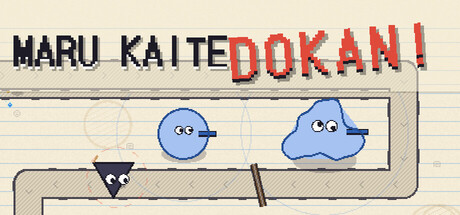 Maru Kaite Dokan! In-game content text | Generative AI was used to help write the text in the game and on the store page, including their translations. The game does not generate any AI content during play. | soyukke | - | Oct 12, 2026 | |
 Kingdom Blackjack In-game content codetext | Some game code and translations in different languages using AI. | Bitmoss | - | Oct 12, 2026 | |
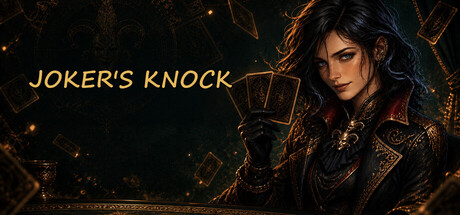 Joker's Knock Store/marketing arttext | Generative AI was used during development to assist with the creation and refinement of some visual assets, marketing materials and localizations. No content is generated by AI during gameplay. | Noxam | - | Oct 12, 2026 | |
 Dead Ball Specialist Dev only code | Some of codes are generated by AI | Ro_Yoon_Soo | - | Oct 12, 2026 | |
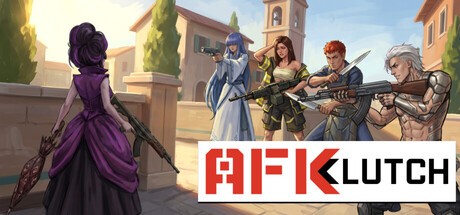 AFKlutch Unclear artaudio | During the development process, generative AI tools were utilized to assist in creating and refining our audiovisual assets | Nrujinzo | - | Oct 12, 2026 | |
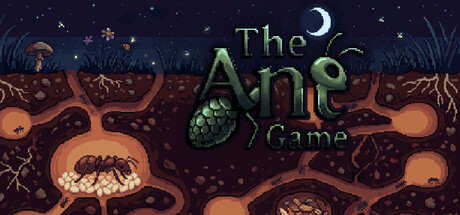 The Ant Game In-game content artaudiotext | This game was made by a solo developer with the help of AI tools. Some of the pixel art was drawn by hand by the developer and then revised with AI tools. Other art (including the logo, interface icons, menu backgrounds and some terrain tiles) was created with an AI pixel-art tool and then edited by the developer. The music and sound effects are synthesized in code, and were composed and designed with the help of an AI assistant. Some in-game text, such as the Field Guide and tutorial tips, was drafted with AI assistance and edited by the developer. No AI is used while you play: nothing is generated live, and the game never connects to an AI service. | devappler | - | Oct 12, 2026 | |
 戦う情報システム部 In-game content arttextcode | The images in this game (in-game assets and store artwork) were created with image-generation AI, then selected and edited by a human. The original draft of the scenario and dialogue was written with Google Gemini, and the implementation and dialogue revisions were done with Claude Code (Anthropic). All of it was supervised and tested by a human. No content is generated by AI while the game is running. | CandyRock | - | Oct 12, 2026 | |
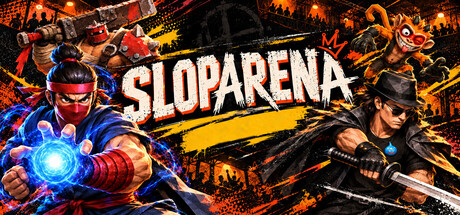 SlopArena Dev only artcode | SlopArena is a non-profit open source game created by a solo developer. AI was used extensively during development for various tasks such as research, brainstorming, planning, coding, analysing. Some assets were bought, some were generated to reduce costs. Generated assets are seen as placeholder, especially character models. | Binoui | - | Oct 12, 2026 | |
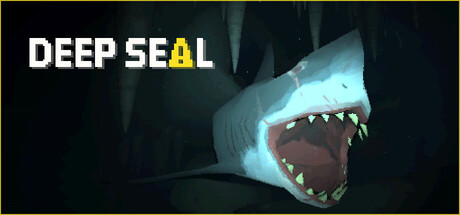 DEEP SEAL In-game content text | Generative AI was used to assist with game localization and translation. | SOS | - | Oct 12, 2026 | |
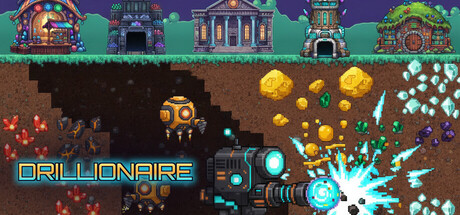 Drillionaire In-game content art | LLMs have been used to generate the majority of art for this game due to this being made by a solo dev. | Caos Creations | - | Oct 12, 2026 | |
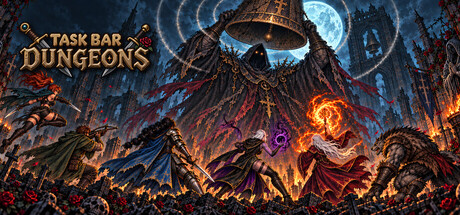 Task Bar Dungeons In-game content art | Some artwork was created with generative tools and edited by the developer. No content is generated during gameplay. | 3xQuest | - | Oct 12, 2026 | |
 Genesis: Blue vein In-game content text | Generative AI was used to assist with translating in-game dialogue and with writing and translating the Steam store page description. | Recovery Area | - | Oct 12, 2026 | |
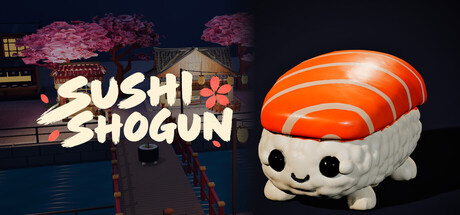 Sushi Shogun In-game content artaudio | Generative AI tools were used during development to help create some visual assets and branding. Some music and sound effects were developed with AI-assisted composition and procedural sound synthesis. Store screenshots and gameplay video are captured from the game. These assets are prepared before release. | Black Fruit Studios | - | Oct 12, 2026 | |
 Fully Funded In-game content text | Some content was made with generative AI: the game's logo, and much of the in-game writing (tutorial text, shop item names and descriptions, and other on-screen text), which was drafted with an AI assistant and edited by the developer. Parts of this store page were written the same way. Everything else - rooms, props, characters, sound and gameplay - is made procedurally in code or comes from CC0 asset kits. Nothing is generated by AI while you play. | PTL Studios | - | Oct 12, 2026 | |
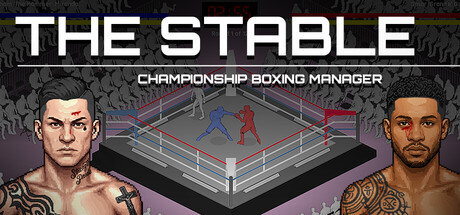 The Stable: Championship Boxing Manager In-game content art | Fighter mugshots have been generated with the use of AI image generation, with post-AI editing. | GO Studio | - | Oct 12, 2026 | |
 Calling In-game content audio | Pre-generated voice audio in the game was created using VOICEPEAK speech synthesis. Generative AI was used for brainstorming and idea development during scenario creation. No AI-generated artwork or visual assets are used in the game. | MatsuOkaGumi | - | Oct 12, 2026 | |
 Super Survivors general | Placeholders. | Mega Drill | - | Oct 12, 2026 | |
 The Film Archive In-game content artaudiotext | Generative AI was used during development to help create visual assets, including textures and 3D models, as well as music, in-game text, including fictional film titles and catalog descriptions, and translations. AI tools were also used to create store and promotional artwork. All such content was created in advance. The game does not generate AI content during gameplay or connect to external AI services. | Breakwater Forge | - | Oct 12, 2026 | |
 Ladder Knight In-game content artaudio | AI tools assisted in developing some procedural animations and sound effects. These elements were reviewed and refined to match the game’s artistic direction.
All in-game graphical assets were handcrafted by artists. | Outlane | - | Oct 12, 2026 | |
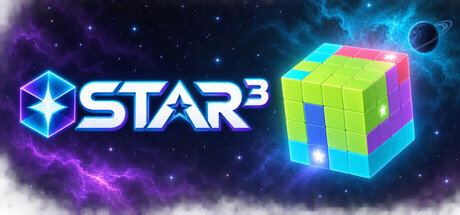 STAR³ In-game content art | All game artwork is designed by hand and refined by our art team. AI-assisted tools in Adobe Photoshop, including generative completion, were used to support adjustments to approximately 5% of the game’s artwork. All AI-assisted elements were reviewed and adjusted by the art team to ensure consistency with the game’s artistic direction. | Deathtrap Games | - | Oct 12, 2026 | |
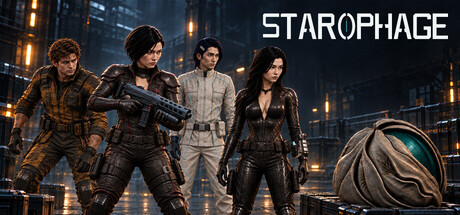 STAROPHAGE Dev only artaudiotext | We use generative AI tools as part of STAROPHAGE’s content creation workflow. The final content is selected, refined, and integrated under our development team’s creative direction. | CannyEdge Interactive | - | Oct 12, 2026 | |
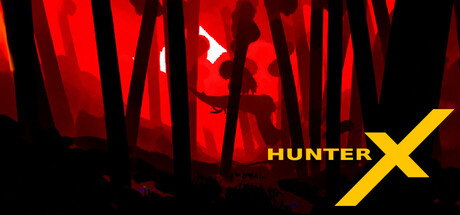 hunter x In-game content art | The developer uses AI tools to assist in creating 2D graphic assets, specifically the game icon. All assets have been carefully reviewed to ensure they are unique and do not infringe on any copyrighted materials. | Andi Agung Ismail | - | Oct 12, 2026 | |
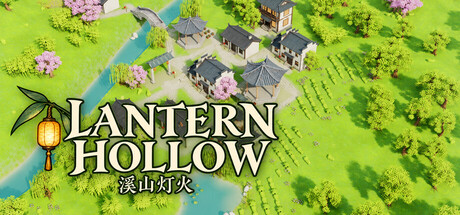 溪山灯火 In-game content art | Generative AI tools were used during development to create some 3D models and textures, including buildings, vegetation, rocks and animals, as well as some menu backgrounds, interface artwork and store artwork. These assets were selected, edited, optimized and integrated during development. The game does not generate AI content during play or connect to an external AI service. | PS GAMING | - | Oct 12, 2026 | |
 Idle Legions Dev only art | An AI-generated sketch is used as a starting point. Everything else is made by a human: every shipped image is redrawn and retouched by hand, and the code, game design and texts are written by the developer. | ALPACA TEAM | - | Oct 12, 2026 | |
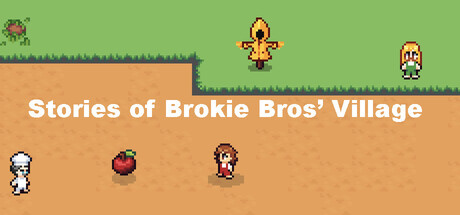 穷鬼村物语 Store/marketing art | Currently, AI‑assisted Photoshop image editing is only used for the Steam store‑page assets. No AI is utilized within the game itself. All image and audio assets are either sourced from free open‑source resources or purchased commercially. | brokie_bro_peilin | - | Oct 12, 2026 | |
 KickOff In-game content artaudiocode | AI-GENERATED CONTENT
Parts of this game were created with generative AI tools during development. Character art, backgrounds and icons were generated with image models and then edited, composited and corrected by hand. The voice acting in Portuguese and English was produced with AI voice synthesis. Some sound effects and cutscene music were generated with AI audio tools. Much of the source code was written with the assistance of an AI coding tool, reviewed and tested by the developer.
All of this content was generated before release and ships as fixed audio and image files. Game design, economy, balancing, story and script are the developer's own work, as is the procedurally synthesized music and sound of the minigames, which uses no AI model. | SET UNIVERSE | - | Oct 12, 2026 | |
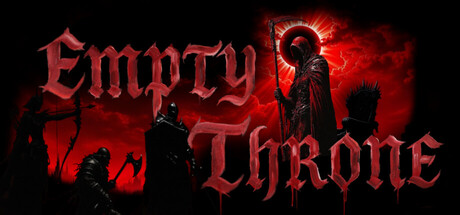 Empty Throne general | Some AI-generated content is used as placeholder during development and will be replaced before release. | Man All In Studios | - | Oct 12, 2026 | |
 Keystrike Dev only code | AI was used for some portions of code. All art is hand drawn and all game design and ideas are our own. | Usiah Barnes | - | Oct 12, 2026 | |
 Touhou Sky Cruiser In-game content text | Localization is assisted by Gen AI. | meteor008 | - | Oct 12, 2026 | |
 Everbreak In-game content textart | Text for the game and store page was localized with AI assistance. The game's menu and store page feature title artwork created with the help of AI tools. | unomy | - | Oct 12, 2026 | |
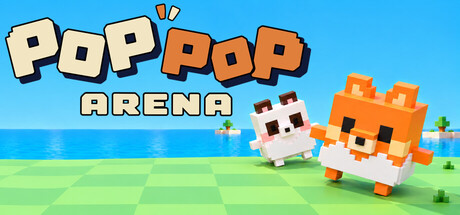 Pop Pop Arena In-game content artaudiotext | Generative AI tools were used during development to create background artwork, images, music, and translations. These are pre-generated assets. No AI content is generated during gameplay. | Team Monolith Inc. | - | Oct 12, 2026 | |
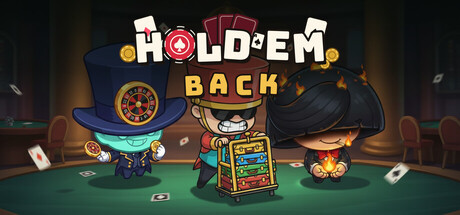 Casino defense In-game content art | Generative AI was used to create some of the game's artwork and visual assets. | Devanda labs | - | Oct 12, 2026 | |
 8-Bit Buhurt: Combat Club In-game content textart | Some in-game text (event and dilemma card writing, UI copy) and the store description were drafted with AI assistance and then reviewed and edited by the developer. The game's non-English translations (French, Italian, German, Spanish, Portuguese-Brazil, Polish, Ukrainian, Japanese) were AI-translated drafts and are being reviewed. No AI generates content while the game is running, and the game makes no network calls to AI services. The logo/key art was created with AI image tools and edited by the developer | Bonkworks Studios, LLC | - | Oct 12, 2026 | |
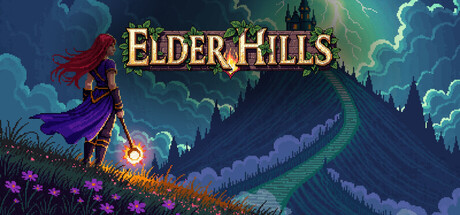 Elder Hills Unclear | AI was used responsibly in the making of this game | Darkfoo Games | - | Oct 12, 2026 | |
 赌狗仙侠 In-game content artaudiotext | Generative AI was used during development to create fixed visual assets, including backgrounds, item and achievement icons, interface artwork, and store marketing art. Some music, ambience, and sound effects were also created with generative AI. AI assisted in-game text and English localization. These assets are included as fixed files. The game does not accept player prompts or generate images, audio, text, or code during play. | dongguzai | - | Oct 12, 2026 | |
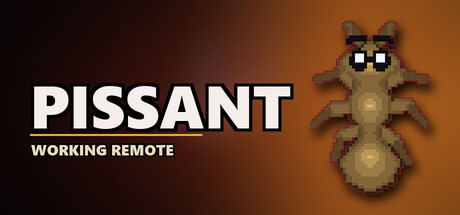 Pissant In-game content textaudiocode | Pissant is built with AI-assisted code. The developer directs and edits everything; an AI assistant helps write the game's code, its in-game text, the music scores and the store and marketing text. No AI image, video or voice generator made anything in the game: every visual is drawn by the game's own procedural code, and every sound and note of music comes from its own synthesis engine. No generative AI runs during gameplay, and the game does not connect to any AI service. | ClaudetoCEO | - | Oct 12, 2026 | |
 Brick Buddies Dev only art | Generative AI was used during development to assist with some modeling, image creation, and validation tasks. | Bunnyhop | - | Oct 11, 2026 | |
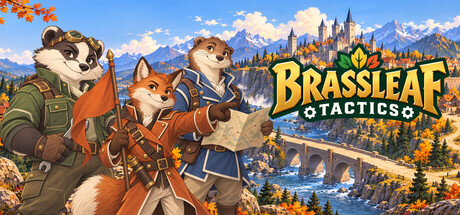 Brassleaf Tactics In-game content arttextcode | I use generative AI throughout the development of Brassleaf Tactics, including programming, game design, artwork and store-page content. The game includes AI-generated artwork. I set the creative direction, decide what goes into the game, and make the final design decisions, shaping the experience through playtesting, balancing and ongoing refinement.
Generative AI is used during development only; no AI-generated content is created while you play. | Luke Lachlan Day | - | Oct 11, 2026 | |
 The Lament In-game content audioart | Generative AI was used to create background music, paintings displayed throughout the motel, and selected 3D assets, including sequence props, keys, relics, and pedestals. AI assistance was also used to draft portions of the store page text. | Gregory Montoya | - | Oct 11, 2026 | |
 Your Sweet Little Kitty In-game content text | Generative AI is used solely to assist with localization and translation work; all texts are reviewed and modified by the developers. This work does not use AI-generated art, audio, or real-time AI-generated content within the game. | Nad∅ | - | Oct 11, 2026 | |
 Signarchy In-game content text | Signarchy was developed with the help of an AI coding assistant (Anthropic's Claude). It was used to write program code and to draft in-game text such as level descriptions, tutorial lines and translations. All of it was directed, reviewed, tested and edited by the developer.
The game itself contains no generative AI. Nothing is generated while you play: the traffic simulation is deterministic and runs entirely on your computer, without any connection to AI services. The 3D models are built procedurally from our own scripts, and road sign artwork follows official national standards. | Reflective Realms Games | - | Oct 11, 2026 | |
 Akgwi Slash In-game content audio | The current game features temporary music tracks generated using AI. We plan to replace these with original compositions created specifically for the game by the full release or future updates. | Funnection | - | Oct 11, 2026 | |
 Furniture Store Simulator Store/marketing arttextcode | Generative AI was used for some Steam store and marketing materials only (section banners and draft store copy). These assets were reviewed and edited before publishing.
No generative AI is used in the shipped game at runtime. In-game 3D furniture, environments, and gameplay content are created with traditional art and development tools (purchased/licensed assets and original work). AI-assisted coding tools were used during development; they are not used to generate player-facing game content. | Infrangible Studio | - | Oct 11, 2026 | |
 Knightoria Store/marketing art | Some artwork and marketing materials for Knightoria were created using generative AI. AI-generated content is pre-rendered and is not generated during gameplay. | Veyransia Studios | - | Oct 11, 2026 | |
 Fuel & Steel In-game content artaudiocode | This game was made by one developer with the help of generative AI tools. 3D models of vehicles, buildings and props were generated with Tripo and then edited and assembled by hand. Some textures and the key art were created with image generators. Music, radio voices and some sound effects were generated with ElevenLabs. Game code was written with the assistance of Claude Code. Game design, missions, story and level layout are the developer's own work. Nothing is generated while you play. | Create Visions | - | Oct 11, 2026 | |
 VoxelCraft Store/marketing art | Generative AI tools were used to help create promotional artwork and store page images for VoxelCraft. AI is not used to generate in-game content, code, or gameplay at runtime. | Pale Static Games | - | Oct 11, 2026 | |
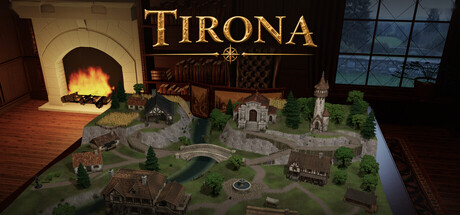 Tirona Rebirth Live AI artaudiotext | Tirona's development used AI tools for much of its 2D artwork (character portraits, card and scene illustrations, quest illustrations), some 3D models, the music (ElevenLabs) and the character voice performers' reference voices. All of it was selected, edited and placed by the developer, and ships as fixed game content.
While you play, a third-party large language model writes the narration and the dialogue of non-player characters in response to what you type or say. Character voices are synthesised locally on your PC from the generated text. You can optionally generate a portrait for your character from your creation choices.
The AI never decides the rules: dice, hit points, gold, items, experience, spells and quest progress change only through the game's own systems. Romance is opt-in, and anything sexual fades to black. | Wireloop I.K.E. | - | Oct 11, 2026 | |
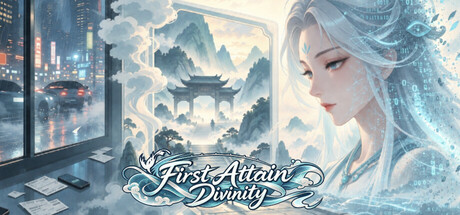 先成仙再说 Store/marketing art | The promotional image of the game, as well as NPCs and a small number of scene components, are generated by AI.And the opening and closing of the promotional video | Yuexin | - | Oct 11, 2026 | |
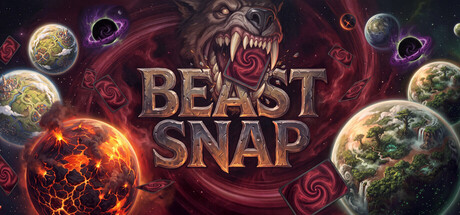 Beast Snap In-game content artaudio | Generative tools were used as part of the visual and audio development process. Final assets were reviewed, selected, edited, and refined by human developers before being implemented in the game. | Alejandro Rives | - | Oct 11, 2026 | |
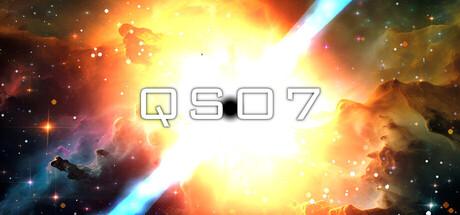 QSO7 In-game content art | Only alien images were generated using AI. | John Nash | - | Oct 11, 2026 |


