Public Steam disclosure research25,497 disclosures tracked
Where do games disclose AI use?
Search developers’ Steam disclosures, compare classified AI use across
games, and follow recorded changes.
This index adds cross-game classifications and statistics to
statements published on individual store pages.
Groups reflect automatic analysis of public disclosures; mature records are excluded. These counts do not measure AI use across all of Steam.
Missing or unclear statements cannot establish whether a game uses AI.
Some store-page and marketing artwork (capsule images, key art) was created with the help of generative AI tools. Some in-game sprite/visual assets were also produced or upscaled with AI-assisted tools as part of the HD remaster. All AI-assisted content is reviewed, edited and curated by the developer. The game does not use any live or real-time generative AI during gameplay, no AI content is generated on the fly for players.
Art assets in this game - the fish, environments, UI icons, achievement icons
and store page artwork - were created with the help of generative AI tools.
Every asset was then hand-picked, edited, resized and colour-corrected before
being brought into the game, and all of it was checked against a fixed art
direction and a locked colour palette.
Some of the code was written with AI assistance. All of it was reviewed by the
developer and is covered by automated tests.
The game itself never generates anything while you play, and never connects to
an AI service. Everything you see ships with the build and is the same for
every player.
Some icons, UI elements and text were created with the help of AI tools during development, then reviewed and edited by hand. Nothing is generated while you play.
AI was used as a coding assistant during development, and for translations.
I’m a software engineer with 25 years of programming experience. I used AI to help with technical implementation while I focused on the game’s design, systems, balance, and overall feel.
This game uses some pre-generated content created with generative AI tools. It does not use generative AI to generate content in real time in response to player actions.
Artwork
Generative AI tools were used to create some in-game graphics, as well as images for the Steam store page and promotional and marketing materials. Generated assets are reviewed by the developer and edited or adjusted when necessary. Some assets are used without additional editing.
Translation
AI tools are used to assist with translation and localization for some languages other than Japanese. Translations are reviewed and corrected by the developer.
Valdrys uses AI-generated content in one place: the login screen
background, a single static image of a moonlit ridge over a conifer
forest, generated with Google Gemini. It does not appear in gameplay.
Everything else in the game is hand-drawn, generated procedurally by
our own tools, or licensed from third-party artists under CC0, CC-BY
or commercial licences. All of it is credited on the in-game Credits
screen.
Parts of the game's code were written with the help of an AI coding
assistant. No AI-generated art, audio or written content ships in
Valdrys beyond the single background image described above.
Nothing in Valdrys generates content while the game is running.
This game uses generative AI tools for some image assets and translations. All AI-generated materials are reviewed, adjusted, and edited by the development team before being used in the game.
Generative AI tools were used as development aids to help draft and iterate on portions of the game’s code, written content, and Steam store description. All AI-assisted material was reviewed, modified, and approved by the developer. The game does not use live-generated AI during gameplay.
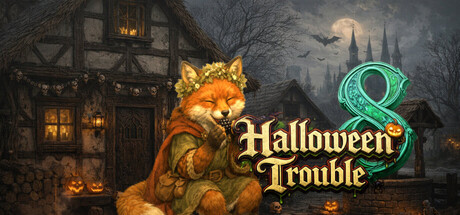
Halloween Trouble 8 utilizes generative artificial intelligence tools to assist in creating several elements of the game. Specifically, AI was used in the generation of:
Art & Visuals: Background environments, character portraits, and the in-game puzzle tiles and runes.
Audio: The game's musical soundtrack.
Narrative & Writing: The overarching story generation and descriptive in-game text.
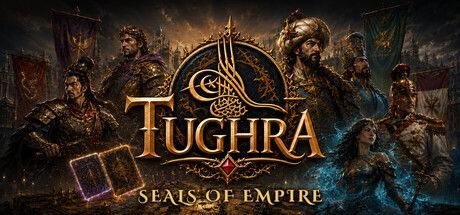
Card illustrations, portraits, faction banners and store capsule artwork were created with generative AI image tools, then curated, edited and integrated by the developer. All game design, rules, card text, writing and music selection are human-made. No AI-generated content is produced at runtime.
Generative AI was used to assist in coding and translations for different languages.
Some graphical store assets also used AI in its design, mostly as a composition tool to combine game scenes with human made art.
Some non-interactive artwork was created with generative AI (Midjourney): the main menu, research, and codex background illustrations, the introduction portrait, and store capsule art derived from those illustrations.
All code and art assets in this game are created with generative‑AI assistance and manually modified. Thanks to AI, I can realize my ideas without programming or art skills.
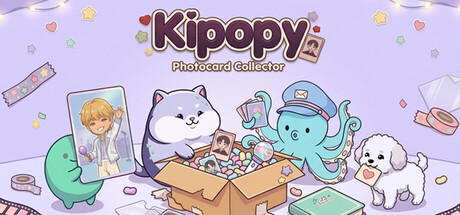
Generative AI was used to create musical compositions for fictional K-pop groups. All such content was created in advance; the AI does not generate new content during gameplay.
Generative AI tools are used during development to write and revise game code, create artwork, music and sound effects, and assist with writing and localization. This includes content in the game and its store and promotional materials. The developer directs and reviews the work before inclusion. No content is generated using generative AI during gameplay.
AI-assisted artwork was used for store marketing assets. The shipped game does not generate content during gameplay and does not connect to an AI service at runtime.
Generative AI tools were used during development to help create some artwork, short ambient video clips, audio, written content and localization. This content is generated in advance and included in the game. The game does not generate content through AI services while you play.
AI Disclosure: Certain background textures, NPC portrait concepts, or promotional marketing assets in this game were generated with the assistance of AI tools.
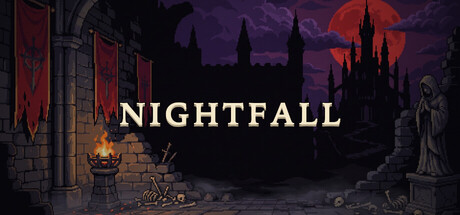
Parts of the content that ships with Nightfall were created with the help of generative AI tools. Artwork: the main menu illustration, the six hero portraits, and the four boss portraits. Music: all five soundtrack tracks were generated with Suno. This content was reviewed and selected by us before release. All in-game sprites, tilesets, animations, visual effects and user-interface art are licensed, human-made assets. No content is generated by AI while the game is running.
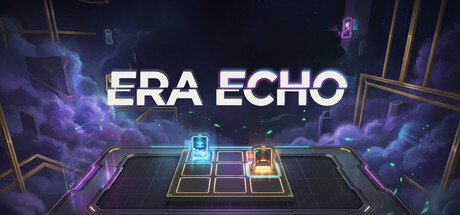
Era Echo is developed by a solo developer. Generative AI tools are used to assist with development and production (for example concepting, drafts, and iteration), which has helped make shipping a solo project practical. All shipped content is reviewed and directed by the developer.
Generative AI was used to assist in creating promotional artwork for the Steam store and library assets. The game itself does not use live-generated AI content.
Generative AI was used to assist with bug fixes, text editing, and portions of the game's music. Generative AI was not used for the game's direction, art direction, or gameplay mechanics.
Generative AI tools were used during development to create some artwork, including character art, environments, and promotional images. These are pre-made assets. No content is generated by AI during gameplay.
Generative AI was used for some store pageimages, store page localization and translation, as well as some in-game art assets, localization, translation, and music.
In terms of art direction, AI was used as a supplementary tool for improvement; it was not a completely automated process from scratch, nor were AI-generated assets used directly.
In terms of music, AI generation was used directly.
I've been using Generative AI tools as part of development for things like programming assistance, troubleshooting, research, brainstorming, and some concept exploration.
ECHO//syntax is a work of mechanics made from love of the beat-em-up genre from CHROMAGEM. It is designed, directed, assembled, tested, and curated by me. I make the first and final decisions on the game's mechanics, characters, levels, visual direction, and overall design.
As a designer that's looking to get a particular feel and experience with this game, I'm looking through and making sure you're getting a good game to play and enjoy.
Generative AI was used to assist in creating some character illustrations, background images, and localized text. All generated content was reviewed, edited, and adjusted by the developer before being implemented in the game. The game does not generate any AI content in real time during gameplay.
Generative AI tools were used as part of the production process to assist in creating and refining some 2D artwork and visual assets. All such content is pre-generated and reviewed before being included in the game. No AI-generated content is created during gameplay.
Deepworks was made with the help of AI tools. Some of the game's art and audio were generated with AI and then reviewed and edited by the developer, and AI assisted with writing code. Nothing in the game is generated by AI while you play.
I'm an indie dev with a day job. Using AI made building this game possible. I built this game for the fun of it and have no interest in paying thousands or even hundreds of dollars to artists for a little side hobby.
An AI assistant helped write the code, the translations and the store page texts; everything was reviewed and tested by the developer. All in-game visuals and sounds are generated procedurally by the game's own code. AI is not used at runtime.
Generative AI was used to assist in creating store promotional artwork, drafting artwork descriptions, and translating interface and notebook text. The paintings used as puzzles are existing historical artworks, not AI-generated images. The game does not generate AI content during gameplay or connect to external AI services.
・We are using generative AI to reimagine characters based on original designs.
・We are using AI to generate characters based on some original designs.
・We use generative AI to create illustrations for store and website images.
・We conduct pattern testing using generative AI for logic and communication tests.
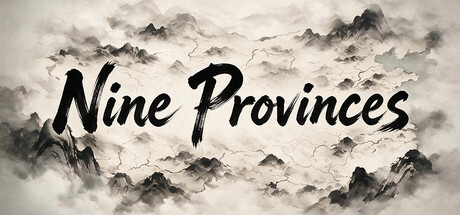
Some pre-generated static 2D visual assets were created with OpenAI image generation tools, including key art, fictional character portraits, historical event illustrations, map icons, and artwork used to derive store capsules. The developer selected, reviewed, edited, cropped, typeset, and integrated the final assets. Generated images contain no embedded title text; the Chinese and English logos are separately typeset using a licensed font. The game does not generate content with AI while it is running.
This game uses generative AI in the following ways:
Music — tracks were built from AI-generated material, then edited and arranged by hand.
Title artwork — an AI-generated rough was used as reference and redrawn by hand as pixel art.
English localization — the English text was machine-translated and then reviewed and corrected by the developer.
Code — parts of the game's code were written with AI assistance.
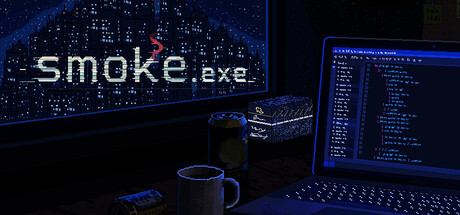
Everything else is made by the developer by hand: all 145 in-game icons, every UI image, the cigarette package illustrations, and the achievement icons.
This game’s player-facing art, writing, and audio were created with generative AI and then selected, edited, and directed by the developer. Store images and trailers use the same pre-generated assets. No content is generated live during gameplay.
Some store-page and marketing artwork (capsule images, key art) was created with the help of generative AI tools. Some in-game sprite/visual assets were also produced or upscaled with AI-assisted tools as part of the HD remaster. All AI-assisted content is reviewed, edited and curated by the developer. The game does not use any live or real-time generative AI during gameplay, no AI content is generated on the fly for players.
Art assets in this game - the fish, environments, UI icons, achievement icons
and store page artwork - were created with the help of generative AI tools.
Every asset was then hand-picked, edited, resized and colour-corrected before
being brought into the game, and all of it was checked against a fixed art
direction and a locked colour palette.
Some of the code was written with AI assistance. All of it was reviewed by the
developer and is covered by automated tests.
The game itself never generates anything while you play, and never connects to
an AI service. Everything you see ships with the build and is the same for
every player.
Some icons, UI elements and text were created with the help of AI tools during development, then reviewed and edited by hand. Nothing is generated while you play.
AI was used as a coding assistant during development, and for translations.
I’m a software engineer with 25 years of programming experience. I used AI to help with technical implementation while I focused on the game’s design, systems, balance, and overall feel.
This game uses some pre-generated content created with generative AI tools. It does not use generative AI to generate content in real time in response to player actions.
Artwork
Generative AI tools were used to create some in-game graphics, as well as images for the Steam store page and promotional and marketing materials. Generated assets are reviewed by the developer and edited or adjusted when necessary. Some assets are used without additional editing.
Translation
AI tools are used to assist with translation and localization for some languages other than Japanese. Translations are reviewed and corrected by the developer.
Valdrys uses AI-generated content in one place: the login screen
background, a single static image of a moonlit ridge over a conifer
forest, generated with Google Gemini. It does not appear in gameplay.
Everything else in the game is hand-drawn, generated procedurally by
our own tools, or licensed from third-party artists under CC0, CC-BY
or commercial licences. All of it is credited on the in-game Credits
screen.
Parts of the game's code were written with the help of an AI coding
assistant. No AI-generated art, audio or written content ships in
Valdrys beyond the single background image described above.
Nothing in Valdrys generates content while the game is running.
This game uses generative AI tools for some image assets and translations. All AI-generated materials are reviewed, adjusted, and edited by the development team before being used in the game.
Generative AI tools were used as development aids to help draft and iterate on portions of the game’s code, written content, and Steam store description. All AI-assisted material was reviewed, modified, and approved by the developer. The game does not use live-generated AI during gameplay.
Halloween Trouble 8 utilizes generative artificial intelligence tools to assist in creating several elements of the game. Specifically, AI was used in the generation of:
Art & Visuals: Background environments, character portraits, and the in-game puzzle tiles and runes.
Audio: The game's musical soundtrack.
Narrative & Writing: The overarching story generation and descriptive in-game text.
Card illustrations, portraits, faction banners and store capsule artwork were created with generative AI image tools, then curated, edited and integrated by the developer. All game design, rules, card text, writing and music selection are human-made. No AI-generated content is produced at runtime.
Generative AI was used to assist in coding and translations for different languages.
Some graphical store assets also used AI in its design, mostly as a composition tool to combine game scenes with human made art.
Some non-interactive artwork was created with generative AI (Midjourney): the main menu, research, and codex background illustrations, the introduction portrait, and store capsule art derived from those illustrations.
All code and art assets in this game are created with generative‑AI assistance and manually modified. Thanks to AI, I can realize my ideas without programming or art skills.
Generative AI was used to create musical compositions for fictional K-pop groups. All such content was created in advance; the AI does not generate new content during gameplay.
Generative AI tools are used during development to write and revise game code, create artwork, music and sound effects, and assist with writing and localization. This includes content in the game and its store and promotional materials. The developer directs and reviews the work before inclusion. No content is generated using generative AI during gameplay.
AI-assisted artwork was used for store marketing assets. The shipped game does not generate content during gameplay and does not connect to an AI service at runtime.
Generative AI tools were used during development to help create some artwork, short ambient video clips, audio, written content and localization. This content is generated in advance and included in the game. The game does not generate content through AI services while you play.
AI Disclosure: Certain background textures, NPC portrait concepts, or promotional marketing assets in this game were generated with the assistance of AI tools.
Parts of the content that ships with Nightfall were created with the help of generative AI tools. Artwork: the main menu illustration, the six hero portraits, and the four boss portraits. Music: all five soundtrack tracks were generated with Suno. This content was reviewed and selected by us before release. All in-game sprites, tilesets, animations, visual effects and user-interface art are licensed, human-made assets. No content is generated by AI while the game is running.
Era Echo is developed by a solo developer. Generative AI tools are used to assist with development and production (for example concepting, drafts, and iteration), which has helped make shipping a solo project practical. All shipped content is reviewed and directed by the developer.
Generative AI was used to assist in creating promotional artwork for the Steam store and library assets. The game itself does not use live-generated AI content.
Generative AI was used to assist with bug fixes, text editing, and portions of the game's music. Generative AI was not used for the game's direction, art direction, or gameplay mechanics.
Generative AI tools were used during development to create some artwork, including character art, environments, and promotional images. These are pre-made assets. No content is generated by AI during gameplay.
Generative AI was used for some store pageimages, store page localization and translation, as well as some in-game art assets, localization, translation, and music.
In terms of art direction, AI was used as a supplementary tool for improvement; it was not a completely automated process from scratch, nor were AI-generated assets used directly.
In terms of music, AI generation was used directly.
I've been using Generative AI tools as part of development for things like programming assistance, troubleshooting, research, brainstorming, and some concept exploration.
ECHO//syntax is a work of mechanics made from love of the beat-em-up genre from CHROMAGEM. It is designed, directed, assembled, tested, and curated by me. I make the first and final decisions on the game's mechanics, characters, levels, visual direction, and overall design.
As a designer that's looking to get a particular feel and experience with this game, I'm looking through and making sure you're getting a good game to play and enjoy.
Generative AI was used to assist in creating some character illustrations, background images, and localized text. All generated content was reviewed, edited, and adjusted by the developer before being implemented in the game. The game does not generate any AI content in real time during gameplay.
Generative AI tools were used as part of the production process to assist in creating and refining some 2D artwork and visual assets. All such content is pre-generated and reviewed before being included in the game. No AI-generated content is created during gameplay.
Deepworks was made with the help of AI tools. Some of the game's art and audio were generated with AI and then reviewed and edited by the developer, and AI assisted with writing code. Nothing in the game is generated by AI while you play.
I'm an indie dev with a day job. Using AI made building this game possible. I built this game for the fun of it and have no interest in paying thousands or even hundreds of dollars to artists for a little side hobby.
An AI assistant helped write the code, the translations and the store page texts; everything was reviewed and tested by the developer. All in-game visuals and sounds are generated procedurally by the game's own code. AI is not used at runtime.
Generative AI was used to assist in creating store promotional artwork, drafting artwork descriptions, and translating interface and notebook text. The paintings used as puzzles are existing historical artworks, not AI-generated images. The game does not generate AI content during gameplay or connect to external AI services.
・We are using generative AI to reimagine characters based on original designs.
・We are using AI to generate characters based on some original designs.
・We use generative AI to create illustrations for store and website images.
・We conduct pattern testing using generative AI for logic and communication tests.
Some pre-generated static 2D visual assets were created with OpenAI image generation tools, including key art, fictional character portraits, historical event illustrations, map icons, and artwork used to derive store capsules. The developer selected, reviewed, edited, cropped, typeset, and integrated the final assets. Generated images contain no embedded title text; the Chinese and English logos are separately typeset using a licensed font. The game does not generate content with AI while it is running.
This game uses generative AI in the following ways:
Music — tracks were built from AI-generated material, then edited and arranged by hand.
Title artwork — an AI-generated rough was used as reference and redrawn by hand as pixel art.
English localization — the English text was machine-translated and then reviewed and corrected by the developer.
Code — parts of the game's code were written with AI assistance.
Everything else is made by the developer by hand: all 145 in-game icons, every UI image, the cigarette package illustrations, and the achievement icons.
This game’s player-facing art, writing, and audio were created with generative AI and then selected, edited, and directed by the developer. Store images and trailers use the same pre-generated assets. No content is generated live during gameplay.