Public Steam disclosure research25,380 disclosures tracked
Where do games disclose AI use?
Search developers’ Steam disclosures, compare classified AI use across
games, and follow recorded changes.
This index adds cross-game classifications and statistics to
statements published on individual store pages.
Groups reflect automatic analysis of public disclosures; mature records are excluded. These counts do not measure AI use across all of Steam.
Missing or unclear statements cannot establish whether a game uses AI.
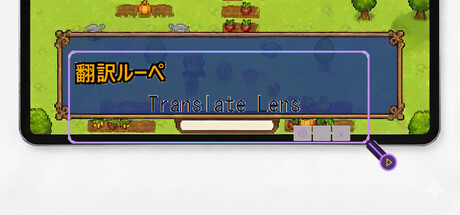
This app uses AI (Google Gemini) to translate text in real-time. When you capture text from your screen, the AI translates it into your selected language. Translations are generated live and displayed only to you.
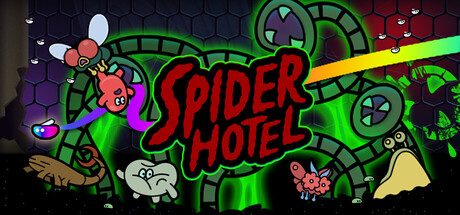
In developing “SPIDER HOTEL,” we used Adobe’s generative-AI tools, which provide commercial-use licensing, to assist in creating the following static asset:
• background textures for player nameplates
After generation, all assets were reviewed and further edited by the development team to ensure originality and compliance with Valve guidelines and Adobe’s licensing terms. No generative AI runs while the game is being played, and no player data is ever sent to external AI services.
This game implements NPC intelligent dialogue function through DeepSeek artificial intelligence service, enabling characters to generate real-time natural language responses based on player input. All AI generated content is temporary text that automatically clears and does not store any records after exiting the conversation.
We used AI solely for a few background images and some minor in-game assets. AI does not influence the gameplay, nor does it have any impact on character skins, cosmetic items, or anything that can be purchased in-game.
The game's visual design, including the banner, thumbnail, logo, and in-game graphic elements, was generated using artificial intelligence (AI) with respect for copyright laws.
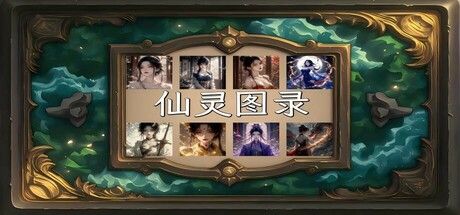
The card image resources in this game are generated by AI.
The game features a cyberpunk art style and includes cards with demon imagery, which might be perceived as unsuitable for children. However, these are merely anthropomorphic illustrations and are based on common, traditional tarot card designs. The main purpose of the game is to explain the inner meanings of the cards through text and images.
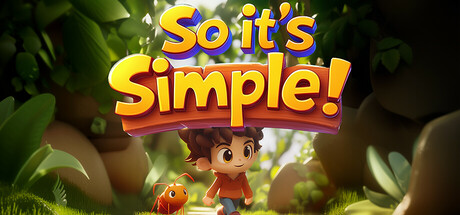
In So it’s Simple!, some of the game’s visual assets — including characters, backgrounds, and objects — were created with the assistance of generative AI tools during development.
These AI-generated assets were carefully reviewed, modified, and enhanced by the developer to ensure they match the game’s unique art style and emotional tone.
The final game itself does not include any live AI generation during gameplay. All content is pre-rendered and artistically directed by the developer.
Use of AI in the Game
This game utilizes artificial intelligence for certain visual assets. AI-generated artwork is used for the store cover images, the images unlocked in the Level Map, and the Game Over screen illustration.
Our goal is to enhance the visual experience while maintaining artistic cohesion and the intended style. All images have been carefully curated and refined to align with the game's identity.
The music in the game has been made with assistance from Suno.ai. Roughly a third of the tracks were generated fully or in part by Suno.ai and later edited to fit the game's world.
There are many tracks made by myself, and an individual hired from Fiverr.com which use no AI and are fully original works.
AI-Assisted Development and Marketing
We believe in leveraging modern tools to enhance our workflow, and that includes using AI for various aspects of our project. For example:
We use ChatGPT to help us refine our English and ensure our communication is clear and engaging.
For quick and efficient mood boarding, we use MidJourney to generate visual concepts that inspire our creative process.
Once the game is complete, we plan to use ChatGPT to assist with translations, making the game accessible in 80+ languages.
These tools allow us to focus more on the creative process and make sure our community receives regular updates and clear communication across the globe.
This app uses AI (Google Gemini) to translate text in real-time. When you capture text from your screen, the AI translates it into your selected language. Translations are generated live and displayed only to you.
In developing “SPIDER HOTEL,” we used Adobe’s generative-AI tools, which provide commercial-use licensing, to assist in creating the following static asset:
• background textures for player nameplates
After generation, all assets were reviewed and further edited by the development team to ensure originality and compliance with Valve guidelines and Adobe’s licensing terms. No generative AI runs while the game is being played, and no player data is ever sent to external AI services.
This game implements NPC intelligent dialogue function through DeepSeek artificial intelligence service, enabling characters to generate real-time natural language responses based on player input. All AI generated content is temporary text that automatically clears and does not store any records after exiting the conversation.
We used AI solely for a few background images and some minor in-game assets. AI does not influence the gameplay, nor does it have any impact on character skins, cosmetic items, or anything that can be purchased in-game.
The game's visual design, including the banner, thumbnail, logo, and in-game graphic elements, was generated using artificial intelligence (AI) with respect for copyright laws.
The card image resources in this game are generated by AI.
The game features a cyberpunk art style and includes cards with demon imagery, which might be perceived as unsuitable for children. However, these are merely anthropomorphic illustrations and are based on common, traditional tarot card designs. The main purpose of the game is to explain the inner meanings of the cards through text and images.
In So it’s Simple!, some of the game’s visual assets — including characters, backgrounds, and objects — were created with the assistance of generative AI tools during development.
These AI-generated assets were carefully reviewed, modified, and enhanced by the developer to ensure they match the game’s unique art style and emotional tone.
The final game itself does not include any live AI generation during gameplay. All content is pre-rendered and artistically directed by the developer.
Use of AI in the Game
This game utilizes artificial intelligence for certain visual assets. AI-generated artwork is used for the store cover images, the images unlocked in the Level Map, and the Game Over screen illustration.
Our goal is to enhance the visual experience while maintaining artistic cohesion and the intended style. All images have been carefully curated and refined to align with the game's identity.
The music in the game has been made with assistance from Suno.ai. Roughly a third of the tracks were generated fully or in part by Suno.ai and later edited to fit the game's world.
There are many tracks made by myself, and an individual hired from Fiverr.com which use no AI and are fully original works.
AI-Assisted Development and Marketing
We believe in leveraging modern tools to enhance our workflow, and that includes using AI for various aspects of our project. For example:
We use ChatGPT to help us refine our English and ensure our communication is clear and engaging.
For quick and efficient mood boarding, we use MidJourney to generate visual concepts that inspire our creative process.
Once the game is complete, we plan to use ChatGPT to assist with translations, making the game accessible in 80+ languages.
These tools allow us to focus more on the creative process and make sure our community receives regular updates and clear communication across the globe.