Public Steam disclosure research25,497 disclosures tracked
Where do games disclose AI use?
Search developers’ Steam disclosures, compare classified AI use across
games, and follow recorded changes.
This index adds cross-game classifications and statistics to
statements published on individual store pages.
Groups reflect automatic analysis of public disclosures; mature records are excluded. These counts do not measure AI use across all of Steam.
Missing or unclear statements cannot establish whether a game uses AI.
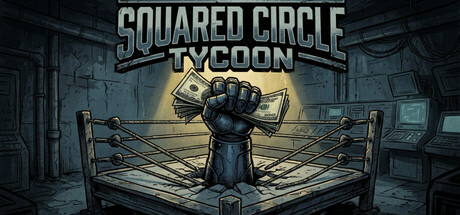
This game uses pre-generated AI-assisted artwork for fictional wrestling logos and selected Steam store/marketing assets. These assets were created as fictional branding for the game and reviewed/edited by the developer before use.
The game does not use live generative AI during gameplay.
AI tools were used in a supporting role during the development of this game. Specifically, AI was used to assist with parts of the localization process, the creation of some UI concepts and UI elements, and coding support such as drafting and organizing code. All final review, editing, implementation, and quality control were performed by the developer.
Some visual assets such as fictional product packaging, posters, decorative graphics, icons and marketing materials were created with the help of generative AI and then reviewed/edited before being included in the game.
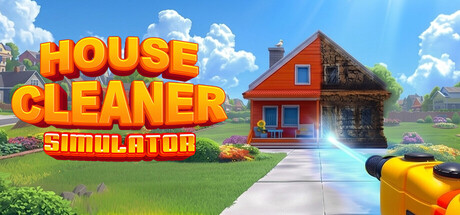
Some of the promotional and storefront images were created with AI tools and then refined by hand. All of the in-game assets were designed by a 3D artist.
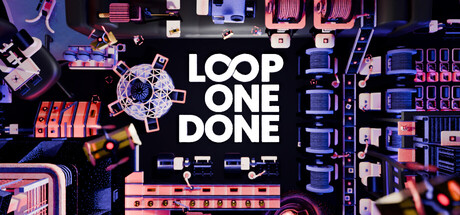
Some in-game audio content, such as radio dialogue and in-game radio music may be generated using artificial intelligence tools. These elements are used to enhance immersion and provide dynamic environmental storytelling.
All gameplay systems, mechanics, and core content are designed and implemented by the developer.
Pre-rendered AI tools were used to generate the base artwork for the Steam store page capsule images and marketing materials. All generated assets were manually edited and combined in image editing software.
Some visual and marketing materials for this game were created with the assistance of AI tools. All AI-generated content was reviewed, edited, and integrated by the developer.
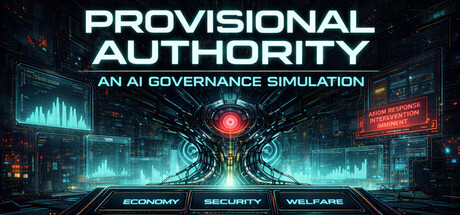
An AI was consulted for ideas on how an AI would act if taking over the world. Game logo image was generated using generative artificial intelligence. Music before remixing/producing created with generative AI.
AI tools were used to assist in creating some store page descriptions and promotional graphics. The game itself does not use AI-generated content during gameplay.
This game contains pre-rendered voice-over, generated by a machine learning model. All data usage is approved by the voice artist. It's used for the in-game virtual assistant, which is designed not to sound or act like a human, translated into multiple languages, and can be turned off by the player. All audio is pre-rendered and shipped with the game to save on server resources.
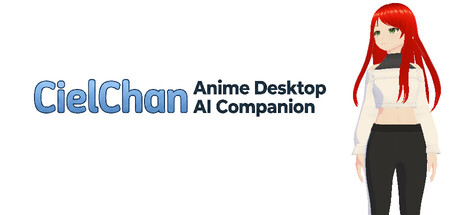
CielChan uses generative AI to create real-time conversation responses and voice synthesis. By default, a local AI model generates text responses, and bundled TTS engines convert those responses to speech directly on your device.
All core functionality is fully available offline, and no internet connection is required to use the application.
Optional cloud-based AI and voice features are available for advanced users. When enabled, these features may send text or audio data to selected third-party providers using user-provided API keys.
The AI model, voice synthesis, and core systems are included in the download, allowing CielChan to function independently offline.
Some visual assets used in the store page (such as promotional images and graphics) were created with the assistance of AI tools and then reviewed and refined by the developer.
The application itself does not use AI to generate content during gameplay and functions as a standalone reading and training tool.
The characters appearing in this work use appearances generated by AI as **non-existent humans**, based on images that are permitted for commercial use.
This game uses pre-rendered AI-generated artwork for character portraits, UI backgrounds, and event venues. All AI-generated assets have been reviewed and curated to fit the game's theme.
Fictional character portraits used in the game's default database were hand-drawn by the developer, then colored and aged using a customized AI workflow.
We use generative AI only for temporary placeholder images during development. All AI-generated placeholders will be removed and replaced with human-created artwork before release.
Some localization for languages other than Japanese was initially created using machine translation tools.
These translations may be revised or replaced with human translations in future updates.
No AI-generated content was used for the game's artwork, audio, or story.
Some of the character portraits, background images, and item images in this game were generated using niji・journey and Canva AI, and were later refined and edited by an artist.
AI coding tools were used during development. All visual assets, music, writing, and narrative content are human-made. An alternative wireframe visual mode is also available.
This game was developed by a solo developer with the assistance of generative AI tools during production.
AI tools such as ChatGPT were used as a development aid for Unreal Engine guidance, technical explanations, spell-checking, and drafting some in-game text and UI messaging. ChatGPT was also used to generate some placeholder images and audio assets during early development.
Some 3D models and textures were created using AI-assisted tools such as Tripo3D.ai. These assets may be refined, replaced, or improved over time as the project evolves and budget allows.
All gameplay systems, mechanics, design decisions, Blueprint scripting, and overall game implementation were created and assembled by the developer. No AI system autonomously generated gameplay code or core systems.
Additional assets were purchased through the Unreal Engine Fab Marketplace where noted.
AI tools were used strictly as production assistants to support solo development.
Generative AI was used during development to draft initial art concepts and assist with the foundation of text localization. All final in-game visual assets were manually refined, edited, and finished in Photoshop to ensure a high-quality, hand-crafted aesthetic. Localization was human-reviewed to ensure accuracy for players.
This game uses pre-generated AI-assisted artwork for fictional wrestling logos and selected Steam store/marketing assets. These assets were created as fictional branding for the game and reviewed/edited by the developer before use.
The game does not use live generative AI during gameplay.
AI tools were used in a supporting role during the development of this game. Specifically, AI was used to assist with parts of the localization process, the creation of some UI concepts and UI elements, and coding support such as drafting and organizing code. All final review, editing, implementation, and quality control were performed by the developer.
Some visual assets such as fictional product packaging, posters, decorative graphics, icons and marketing materials were created with the help of generative AI and then reviewed/edited before being included in the game.
Some of the promotional and storefront images were created with AI tools and then refined by hand. All of the in-game assets were designed by a 3D artist.
Some in-game audio content, such as radio dialogue and in-game radio music may be generated using artificial intelligence tools. These elements are used to enhance immersion and provide dynamic environmental storytelling.
All gameplay systems, mechanics, and core content are designed and implemented by the developer.
Pre-rendered AI tools were used to generate the base artwork for the Steam store page capsule images and marketing materials. All generated assets were manually edited and combined in image editing software.
Some visual and marketing materials for this game were created with the assistance of AI tools. All AI-generated content was reviewed, edited, and integrated by the developer.
An AI was consulted for ideas on how an AI would act if taking over the world. Game logo image was generated using generative artificial intelligence. Music before remixing/producing created with generative AI.
AI tools were used to assist in creating some store page descriptions and promotional graphics. The game itself does not use AI-generated content during gameplay.
This game contains pre-rendered voice-over, generated by a machine learning model. All data usage is approved by the voice artist. It's used for the in-game virtual assistant, which is designed not to sound or act like a human, translated into multiple languages, and can be turned off by the player. All audio is pre-rendered and shipped with the game to save on server resources.
CielChan uses generative AI to create real-time conversation responses and voice synthesis. By default, a local AI model generates text responses, and bundled TTS engines convert those responses to speech directly on your device.
All core functionality is fully available offline, and no internet connection is required to use the application.
Optional cloud-based AI and voice features are available for advanced users. When enabled, these features may send text or audio data to selected third-party providers using user-provided API keys.
The AI model, voice synthesis, and core systems are included in the download, allowing CielChan to function independently offline.
Some visual assets used in the store page (such as promotional images and graphics) were created with the assistance of AI tools and then reviewed and refined by the developer.
The application itself does not use AI to generate content during gameplay and functions as a standalone reading and training tool.
The characters appearing in this work use appearances generated by AI as **non-existent humans**, based on images that are permitted for commercial use.
This game uses pre-rendered AI-generated artwork for character portraits, UI backgrounds, and event venues. All AI-generated assets have been reviewed and curated to fit the game's theme.
Fictional character portraits used in the game's default database were hand-drawn by the developer, then colored and aged using a customized AI workflow.
We use generative AI only for temporary placeholder images during development. All AI-generated placeholders will be removed and replaced with human-created artwork before release.
Some localization for languages other than Japanese was initially created using machine translation tools.
These translations may be revised or replaced with human translations in future updates.
No AI-generated content was used for the game's artwork, audio, or story.
Some of the character portraits, background images, and item images in this game were generated using niji・journey and Canva AI, and were later refined and edited by an artist.
AI coding tools were used during development. All visual assets, music, writing, and narrative content are human-made. An alternative wireframe visual mode is also available.
This game was developed by a solo developer with the assistance of generative AI tools during production.
AI tools such as ChatGPT were used as a development aid for Unreal Engine guidance, technical explanations, spell-checking, and drafting some in-game text and UI messaging. ChatGPT was also used to generate some placeholder images and audio assets during early development.
Some 3D models and textures were created using AI-assisted tools such as Tripo3D.ai. These assets may be refined, replaced, or improved over time as the project evolves and budget allows.
All gameplay systems, mechanics, design decisions, Blueprint scripting, and overall game implementation were created and assembled by the developer. No AI system autonomously generated gameplay code or core systems.
Additional assets were purchased through the Unreal Engine Fab Marketplace where noted.
AI tools were used strictly as production assistants to support solo development.
Generative AI was used during development to draft initial art concepts and assist with the foundation of text localization. All final in-game visual assets were manually refined, edited, and finished in Photoshop to ensure a high-quality, hand-crafted aesthetic. Localization was human-reviewed to ensure accuracy for players.