Public Steam disclosure research25,519 disclosures tracked
Where do games disclose AI use?
Search developers’ Steam disclosures, compare classified AI use across
games, and follow recorded changes.
This index adds cross-game classifications and statistics to
statements published on individual store pages.
Groups reflect automatic analysis of public disclosures; mature records are excluded. These counts do not measure AI use across all of Steam.
Missing or unclear statements cannot establish whether a game uses AI.
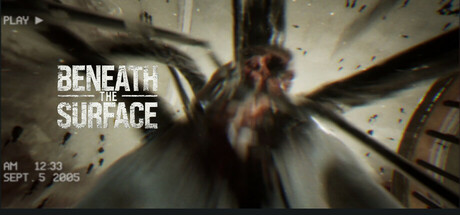
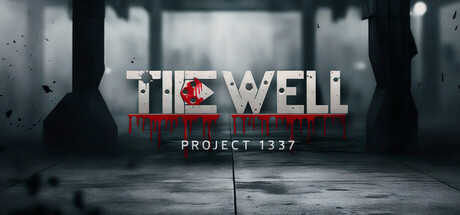
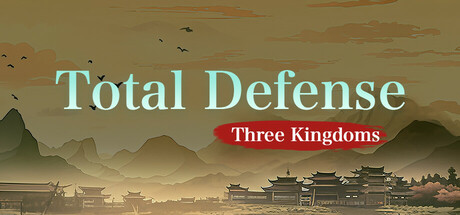
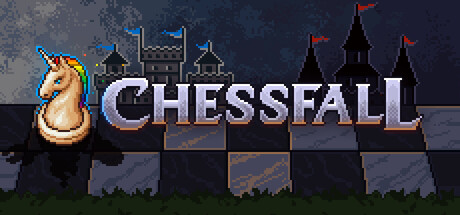
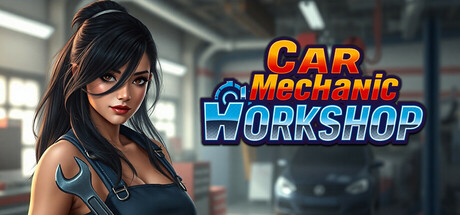
Some promotional materials, including the trailer banner and capsule image, were created using generative AI tools. All in-game content—such as visuals, audio, and gameplay assets—are entirely handcrafted or sourced without AI generation.
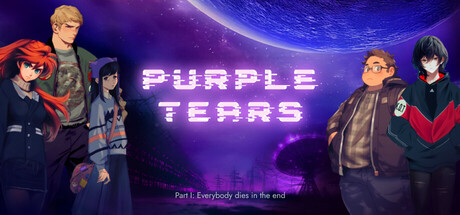
the capsule art, main menu background, and various other visual elements in our game are AI-generated. This allows us to bring a unique and dynamic aesthetic to the game while optimizing our creative workflow.
This is the first survival game where npc's think they are really alive. This game is connected to artificial intelligence and enables NPCs to answer any questions you may have within the framework of the game.
This game does not use generative AI to produce content during gameplay.
Some AI tools were used during development (i.e., code drafting, proofreading, and asset prototyping), but all core game content was created and finalized by human developers.
This game uses artificial intelligence only for narrative content creation.
All dialogue, descriptions, and text were generated with the help of AI during development, with manual review to ensure quality, cohesion, and originality.
AI is not used in real time during gameplay and does not interact directly with the player. All final content was carefully integrated into the game before release.
Players can prompt unique 3D realms into existence using Nyric. An API breaks down text inputs into a pipeline of world attributes in order to generate biomes from a pre-loaded cache of assets at runtime. World themes, weather, time periods, hostility, and unique asset names are generated at runtime for novel worldbuilding. AI companion moods, reactions, and personalities are generated at runtime using API responses.
As a solo dev with little artistic skills, AI was used to template some images, UI elements and suchlike. AI was also used to assist in code checking and best practice scenarios.
We have used AI-generated images for some background visuals in the game.
1. 10 background images are used on the title screen.
2. Several background images are used in various in-game menu screens.
Some of the game’s art assets (such as backgrounds and item icons) are initially generated with AI, followed by post-processing and refinement to ensure stylistic consistency and quality.
During the development of this game, generative AI tools were used
to assist with creating certain art assets, proofreading text, and checking code.
All AI-generated content has been reviewed, edited, and finalized by the development team,
ensuring quality and compliance with Steam’s content guidelines.
Some promotional materials, including the trailer banner and capsule image, were created using generative AI tools. All in-game content—such as visuals, audio, and gameplay assets—are entirely handcrafted or sourced without AI generation.
the capsule art, main menu background, and various other visual elements in our game are AI-generated. This allows us to bring a unique and dynamic aesthetic to the game while optimizing our creative workflow.
This is the first survival game where npc's think they are really alive. This game is connected to artificial intelligence and enables NPCs to answer any questions you may have within the framework of the game.
This game does not use generative AI to produce content during gameplay.
Some AI tools were used during development (i.e., code drafting, proofreading, and asset prototyping), but all core game content was created and finalized by human developers.
This game uses artificial intelligence only for narrative content creation.
All dialogue, descriptions, and text were generated with the help of AI during development, with manual review to ensure quality, cohesion, and originality.
AI is not used in real time during gameplay and does not interact directly with the player. All final content was carefully integrated into the game before release.
Players can prompt unique 3D realms into existence using Nyric. An API breaks down text inputs into a pipeline of world attributes in order to generate biomes from a pre-loaded cache of assets at runtime. World themes, weather, time periods, hostility, and unique asset names are generated at runtime for novel worldbuilding. AI companion moods, reactions, and personalities are generated at runtime using API responses.
As a solo dev with little artistic skills, AI was used to template some images, UI elements and suchlike. AI was also used to assist in code checking and best practice scenarios.
We have used AI-generated images for some background visuals in the game.
1. 10 background images are used on the title screen.
2. Several background images are used in various in-game menu screens.
Some of the game’s art assets (such as backgrounds and item icons) are initially generated with AI, followed by post-processing and refinement to ensure stylistic consistency and quality.
During the development of this game, generative AI tools were used
to assist with creating certain art assets, proofreading text, and checking code.
All AI-generated content has been reviewed, edited, and finalized by the development team,
ensuring quality and compliance with Steam’s content guidelines.