Public Steam disclosure research25,497 disclosures tracked
Where do games disclose AI use?
Search developers’ Steam disclosures, compare classified AI use across
games, and follow recorded changes.
This index adds cross-game classifications and statistics to
statements published on individual store pages.
Groups reflect automatic analysis of public disclosures; mature records are excluded. These counts do not measure AI use across all of Steam.
Missing or unclear statements cannot establish whether a game uses AI.
Some content in this game, including text and certain assets, was created with the assistance of AI tools during development. All AI-generated content has been reviewed, edited, and integrated by the developer to ensure quality and consistency.
We use Generative AI technology in some assets to assist with texture creation and initial modeling drafts. Crucially, all AI-generated content in this game is generated based on the development team's own primary/original work, followed by rigorous review and editing. All final artistic work and decisions are strictly managed within the team to ensure originality and quality.
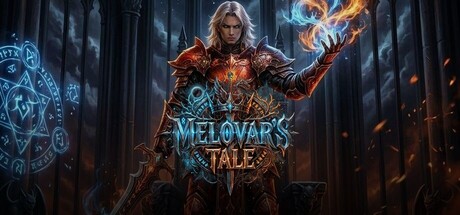
A lot of the artwork in Melovar's Tale, including the card, relic and character illustrations were created with the assistance of AI tools. All AI Generated items were reviewed, curated, and refined to ensure they meet the game visual and thematic standards. There isn't any AI content generated live during the game.
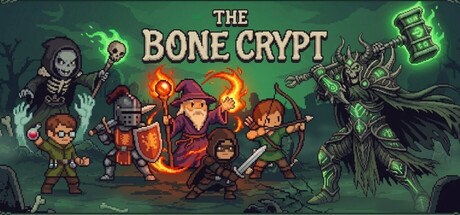
The core concepts, rules, and gameplay mechanics of The Bone Yard are entirely my own original creation. Because this is a solo passion project, I utilized generative AI as a development assistant to help bring my vision to life. AI tools were used to help brainstorm visual design elements, which I then curated and integrated into the game. I also used AI to assist with coding and text localization. The heart of the game, how it plays, how it feels, is 100% USDA Prime Human.
Some parts of development used AI-assisted workflows, including asset creation, image processing/background removal, voice work, and localization of in-game/help text into multiple languages.
Generative AI was used to create the 2D promotional artwork for the Steam store page (including the capsule images, library assets, and marketing GIFs). The AI generated these marketing assets using screenshots of actual in-game pixel art as a direct reference to ensure an accurate representation of the gameplay.
This game uses generative AI in the creation of its assets (artwork, music, text, code) and during gameplay to judge word associations via Google Gemini.
The game does not generate AI-created content dynamically during gameplay. Generative AI tools were used to assist with development. All final content was reviewed, edited, and approved by the developers.
This product uses AI tools to assist in generating code, art assets, and other content. All AI-generated materials have been significantly edited, modified, and polished by human developers to ensure originality, quality, and compliance with copyright regulations.
As a solo developer, I’ve used AI-assisted tools to create some of the game’s assets. My goal is to replace these with fully hand-drawn artwork created by a professional artist.
Generative AI is used as an assistive tool in the development of this game, including visual assets (item, ability, and boss icons), code, and music. All AI-generated content is produced under direct human creative direction, with the developer serving as director and approver at every stage. AI assists — the human decides.
One developer. AI tools helped with images and text because some things are bigger than one pair of hands. Everything you see reflects my own creative decisions.
AI tools assisted with game design documentation, initial draft text content, and development planning. The initial AI-generated in-game texts have been replaced with hand-written translations (German complete; English replacement in progress). All in-game content is reviewed and curated by the developer. No AI is used during gameplay.
This game uses AI-generated images for all in-game graphics, promotional materials, and store page assets (with the exception of some licensed UI icons). All generated graphics have been manually reviewed. Additionally, AI (Google Gemini) was used as a development tool to assist with writing code and designing game mechanics. However, the final game runs entirely offline and does not contain any live-generating AI systems.
Music tracks were generated using Suno AI. All other game content (code, visuals, UI,
localization) was created by the developer. No AI-generated content is used in real-time
during gameplay.
Generative AI "Gemini" was utilized across various stages of development, including coding and image generation.
While AI helped improve development efficiency, all final adjustments and quality control were performed manually with the utmost care to ensure the best possible experience for our players.
AI was used as a coding assistant and for assistance with sprite animation. However none of the art was fully generated by AI. All art, be it music or drawn, was originally created by myself, the sole developer, or from open source creators.
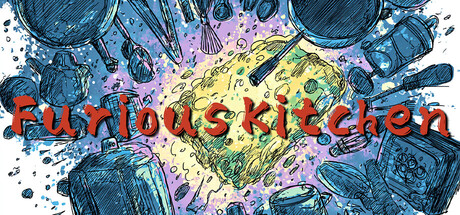
During the development of Furious Kitchen, we utilized generative Artificial Intelligence (AI) tools to assist in content creation and optimization. The specific implementations are as follows:
Programming & Scripts: We used AI programming assistants (Large Language Models) to help write and refactor underlying game logic code, as well as to assist with the implementation of the multi-language localization system and text translation.
Art Assets : Certain visual elements within the game (such as UI icons, background assets, or promotional base art) were created with the assistance of AI image generation tools. All generated images were subsequently redrawn, modified, and stylized manually by the developer to fit the game's aesthetic.
Music & Audio : Some background music or sound effect assets in the game were composed and arranged using AI audio generation tools.
This game does not feature any live-generated AI content (i.e., AI content generated in real-time while playing). All AI-assisted assets were pre-generated during the development phase and carefully reviewed to ensure they do not infringe upon any third-party copyrights.
Generative AI was carefully used for structuring the majority of content available in the decks, given the vast breadth of the topics/languages available. However, every piece of information was extracted from publicly available curated sources, where AI was used for the re-writing the facts into questions. Also, in general the distractors (wrong answers) are intelligently chosen at runtime based on similar answers of similar length, however it can occur that certain answer pools where too small for reasonable gameplay. For this, fake answers were generated by AI as well, albeit rarely.
Some content in this game, including text and certain assets, was created with the assistance of AI tools during development. All AI-generated content has been reviewed, edited, and integrated by the developer to ensure quality and consistency.
We use Generative AI technology in some assets to assist with texture creation and initial modeling drafts. Crucially, all AI-generated content in this game is generated based on the development team's own primary/original work, followed by rigorous review and editing. All final artistic work and decisions are strictly managed within the team to ensure originality and quality.
A lot of the artwork in Melovar's Tale, including the card, relic and character illustrations were created with the assistance of AI tools. All AI Generated items were reviewed, curated, and refined to ensure they meet the game visual and thematic standards. There isn't any AI content generated live during the game.
The core concepts, rules, and gameplay mechanics of The Bone Yard are entirely my own original creation. Because this is a solo passion project, I utilized generative AI as a development assistant to help bring my vision to life. AI tools were used to help brainstorm visual design elements, which I then curated and integrated into the game. I also used AI to assist with coding and text localization. The heart of the game, how it plays, how it feels, is 100% USDA Prime Human.
Some parts of development used AI-assisted workflows, including asset creation, image processing/background removal, voice work, and localization of in-game/help text into multiple languages.
Generative AI was used to create the 2D promotional artwork for the Steam store page (including the capsule images, library assets, and marketing GIFs). The AI generated these marketing assets using screenshots of actual in-game pixel art as a direct reference to ensure an accurate representation of the gameplay.
This game uses generative AI in the creation of its assets (artwork, music, text, code) and during gameplay to judge word associations via Google Gemini.
The game does not generate AI-created content dynamically during gameplay. Generative AI tools were used to assist with development. All final content was reviewed, edited, and approved by the developers.
This product uses AI tools to assist in generating code, art assets, and other content. All AI-generated materials have been significantly edited, modified, and polished by human developers to ensure originality, quality, and compliance with copyright regulations.
As a solo developer, I’ve used AI-assisted tools to create some of the game’s assets. My goal is to replace these with fully hand-drawn artwork created by a professional artist.
Generative AI is used as an assistive tool in the development of this game, including visual assets (item, ability, and boss icons), code, and music. All AI-generated content is produced under direct human creative direction, with the developer serving as director and approver at every stage. AI assists — the human decides.
One developer. AI tools helped with images and text because some things are bigger than one pair of hands. Everything you see reflects my own creative decisions.
AI tools assisted with game design documentation, initial draft text content, and development planning. The initial AI-generated in-game texts have been replaced with hand-written translations (German complete; English replacement in progress). All in-game content is reviewed and curated by the developer. No AI is used during gameplay.
This game uses AI-generated images for all in-game graphics, promotional materials, and store page assets (with the exception of some licensed UI icons). All generated graphics have been manually reviewed. Additionally, AI (Google Gemini) was used as a development tool to assist with writing code and designing game mechanics. However, the final game runs entirely offline and does not contain any live-generating AI systems.
Music tracks were generated using Suno AI. All other game content (code, visuals, UI,
localization) was created by the developer. No AI-generated content is used in real-time
during gameplay.
Generative AI "Gemini" was utilized across various stages of development, including coding and image generation.
While AI helped improve development efficiency, all final adjustments and quality control were performed manually with the utmost care to ensure the best possible experience for our players.
AI was used as a coding assistant and for assistance with sprite animation. However none of the art was fully generated by AI. All art, be it music or drawn, was originally created by myself, the sole developer, or from open source creators.
During the development of Furious Kitchen, we utilized generative Artificial Intelligence (AI) tools to assist in content creation and optimization. The specific implementations are as follows:
Programming & Scripts: We used AI programming assistants (Large Language Models) to help write and refactor underlying game logic code, as well as to assist with the implementation of the multi-language localization system and text translation.
Art Assets : Certain visual elements within the game (such as UI icons, background assets, or promotional base art) were created with the assistance of AI image generation tools. All generated images were subsequently redrawn, modified, and stylized manually by the developer to fit the game's aesthetic.
Music & Audio : Some background music or sound effect assets in the game were composed and arranged using AI audio generation tools.
This game does not feature any live-generated AI content (i.e., AI content generated in real-time while playing). All AI-assisted assets were pre-generated during the development phase and carefully reviewed to ensure they do not infringe upon any third-party copyrights.
Generative AI was carefully used for structuring the majority of content available in the decks, given the vast breadth of the topics/languages available. However, every piece of information was extracted from publicly available curated sources, where AI was used for the re-writing the facts into questions. Also, in general the distractors (wrong answers) are intelligently chosen at runtime based on similar answers of similar length, however it can occur that certain answer pools where too small for reasonable gameplay. For this, fake answers were generated by AI as well, albeit rarely.