Public Steam disclosure research25,497 disclosures tracked
Where do games disclose AI use?
Search developers’ Steam disclosures, compare classified AI use across
games, and follow recorded changes.
This index adds cross-game classifications and statistics to
statements published on individual store pages.
Groups reflect automatic analysis of public disclosures; mature records are excluded. These counts do not measure AI use across all of Steam.
Missing or unclear statements cannot establish whether a game uses AI.
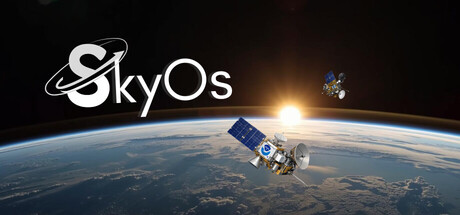
Generative AI tools, including ChatGPT, were used as development assistance for programming support, debugging, design iteration, writing assistance, and workflow planning.
All final implementation, integration, testing, and creative decisions were manually reviewed and assembled by the developer.
SKYOS does not use live generative AI during gameplay, and players cannot generate AI content in-game.
AI was used to generate art pieces for the Steam Store Page as placeholder. As the developing continues and feedback from the community comes, those placeholders will be changed to real art done by real persons.
Generative AI tools were used during the development of this game to create some of the 2D visual assets, such as background art and certain environmental textures. All AI-generated content has been reviewed and manually edited by the development team to ensure quality and consistency with the game's overall artistic style.
Generative AI tools may be used during production for some localization and minor audio elements. Core gameplay content and game artwork are not created using AI.
My Music Label leverages generative artificial intelligence to enhance your gaming experience. All in-game images, music-related assets, and even parts of the code are generated using AI technology.
I'm a game/level designer so I used visual scripting to make games. AI was used to generate the code of some elements of the game that were too complicated to do in visual scripting. SFX and Voices were also generated by AI.
Some of the visual materials in this game are created with the assistance of generative artificial intelligence, including some display images on the store page and some art resources within the game.
All in-game content, including gameplay assets, audio, writing, and text, was created by humans, as credited in the game.
Some Steam store and promotional materials may have been created or refined with the assistance of generative AI / LLM tools, for example for drafting or polishing marketing assets.
Certain 2D visual assets, character portraits and voice communications in the game were created with the assistance of AI tools during the development process. All AI-generated content is static; the game does not feature any real-time or live AI-generated interactions.
Some videos and images in this game are generated using artificial intelligence. AI tools were used to enhance visual effects and create unique scenes, carefully aligned with the game's art style.
This game contains a limited amount of AI-generated visual content created during development due to the project's low budget. Specifically, suspect profile images and some evidence-related visual assets or models were created with the help of generative AI tools. Not all evidence assets are AI-generated.
The use of AI is limited to pre-made visual content only. No gameplay systems, dialogue, story logic, code, or real-time interactive content is generated by AI during play. All gameplay mechanics, case logic, interactions, and progression were designed and implemented by the developer.
Some visual and marketing assets for this game were created or assisted using AI tools during development.
No AI-generated content is used in real-time during gameplay, and all core game systems, mechanics, and player experiences are fully handcrafted.
Some written content (store descriptions, in-game text) and select marketing images were created with the assistance of AI tools. No AI-generated content is used in gameplay, game assets, or game systems.
AI generated fictional football player faces (facepack)
Interactive AI NPC's (players and staff members)
AI generated translations of text and UI elements.
Generative AI was used exclusively for creating marketing visuals (Steam capsules). All game content—including code, 3D models, environments, and gameplay—is an original, hand-developed creation.
Some pre-generated visual assets used in the game and its store/marketing materials, including certain splash images and UI icons, were created with the assistance of generative AI tools. These assets were integrated as pre-generated content during development. The game does not use live-generated AI content during gameplay and does not connect to external AI services while running.
Generative AI (Claude by Anthropic) was used extensively during development to assist with code generation. The game's icon was also created with AI image tools. Game design, mechanics, and creative direction were by the developer.
This game has used AI in debugging and some code tweaks with help from a human, and some development assets that have since been replaced with human made assets
AI tools were used during development for:
- assisting with code-related questions, and
- refining and improving text, including the store page description and some in-game text.
No AI-generated art, audio, models, or raw AI-generated content are used in the game.
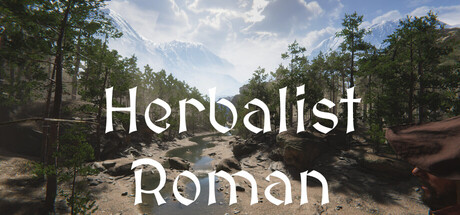
Artificial intelligence was used to create a portion of the game's visual assets. This includes illustrations within the herbal book, as well as loading, summary, and game-over screens.
AI tools were used to generate localizations for languages other than English and Polish.
Dialogue voice lines are currently generated using TTS tools. The game is still in development, and these generated voices are temporary placeholders that will be replaced by voice actors once the story and scripts are finalized.
During development, we used AI-assisted tools to support the localization of in-game text into multiple languages. All AI-generated translations were reviewed and edited by our team to ensure accuracy and consistency with the game's tone and characters. Additionally, some food and cooking-related props were initially generated with AI-assisted tools and then manually refined by our artists to match the game's visual style and quality standards.
Generative AI tools, including ChatGPT, were used as development assistance for programming support, debugging, design iteration, writing assistance, and workflow planning.
All final implementation, integration, testing, and creative decisions were manually reviewed and assembled by the developer.
SKYOS does not use live generative AI during gameplay, and players cannot generate AI content in-game.
AI was used to generate art pieces for the Steam Store Page as placeholder. As the developing continues and feedback from the community comes, those placeholders will be changed to real art done by real persons.
Generative AI tools were used during the development of this game to create some of the 2D visual assets, such as background art and certain environmental textures. All AI-generated content has been reviewed and manually edited by the development team to ensure quality and consistency with the game's overall artistic style.
Generative AI tools may be used during production for some localization and minor audio elements. Core gameplay content and game artwork are not created using AI.
My Music Label leverages generative artificial intelligence to enhance your gaming experience. All in-game images, music-related assets, and even parts of the code are generated using AI technology.
I'm a game/level designer so I used visual scripting to make games. AI was used to generate the code of some elements of the game that were too complicated to do in visual scripting. SFX and Voices were also generated by AI.
Some of the visual materials in this game are created with the assistance of generative artificial intelligence, including some display images on the store page and some art resources within the game.
All in-game content, including gameplay assets, audio, writing, and text, was created by humans, as credited in the game.
Some Steam store and promotional materials may have been created or refined with the assistance of generative AI / LLM tools, for example for drafting or polishing marketing assets.
Certain 2D visual assets, character portraits and voice communications in the game were created with the assistance of AI tools during the development process. All AI-generated content is static; the game does not feature any real-time or live AI-generated interactions.
Some videos and images in this game are generated using artificial intelligence. AI tools were used to enhance visual effects and create unique scenes, carefully aligned with the game's art style.
This game contains a limited amount of AI-generated visual content created during development due to the project's low budget. Specifically, suspect profile images and some evidence-related visual assets or models were created with the help of generative AI tools. Not all evidence assets are AI-generated.
The use of AI is limited to pre-made visual content only. No gameplay systems, dialogue, story logic, code, or real-time interactive content is generated by AI during play. All gameplay mechanics, case logic, interactions, and progression were designed and implemented by the developer.
Some visual and marketing assets for this game were created or assisted using AI tools during development.
No AI-generated content is used in real-time during gameplay, and all core game systems, mechanics, and player experiences are fully handcrafted.
Some written content (store descriptions, in-game text) and select marketing images were created with the assistance of AI tools. No AI-generated content is used in gameplay, game assets, or game systems.
AI generated fictional football player faces (facepack)
Interactive AI NPC's (players and staff members)
AI generated translations of text and UI elements.
Generative AI was used exclusively for creating marketing visuals (Steam capsules). All game content—including code, 3D models, environments, and gameplay—is an original, hand-developed creation.
Some pre-generated visual assets used in the game and its store/marketing materials, including certain splash images and UI icons, were created with the assistance of generative AI tools. These assets were integrated as pre-generated content during development. The game does not use live-generated AI content during gameplay and does not connect to external AI services while running.
Generative AI (Claude by Anthropic) was used extensively during development to assist with code generation. The game's icon was also created with AI image tools. Game design, mechanics, and creative direction were by the developer.
This game has used AI in debugging and some code tweaks with help from a human, and some development assets that have since been replaced with human made assets
AI tools were used during development for:
- assisting with code-related questions, and
- refining and improving text, including the store page description and some in-game text.
No AI-generated art, audio, models, or raw AI-generated content are used in the game.
Artificial intelligence was used to create a portion of the game's visual assets. This includes illustrations within the herbal book, as well as loading, summary, and game-over screens.
AI tools were used to generate localizations for languages other than English and Polish.
Dialogue voice lines are currently generated using TTS tools. The game is still in development, and these generated voices are temporary placeholders that will be replaced by voice actors once the story and scripts are finalized.
During development, we used AI-assisted tools to support the localization of in-game text into multiple languages. All AI-generated translations were reviewed and edited by our team to ensure accuracy and consistency with the game's tone and characters. Additionally, some food and cooking-related props were initially generated with AI-assisted tools and then manually refined by our artists to match the game's visual style and quality standards.