Public Steam disclosure research25,497 disclosures tracked
Where do games disclose AI use?
Search developers’ Steam disclosures, compare classified AI use across
games, and follow recorded changes.
This index adds cross-game classifications and statistics to
statements published on individual store pages.
Groups reflect automatic analysis of public disclosures; mature records are excluded. These counts do not measure AI use across all of Steam.
Missing or unclear statements cannot establish whether a game uses AI.
Some visual assets in this game are created with the assistance of generative AI during development. This includes portions of the card artwork, some environmental/scenery visuals, and some character illustrations. These AI-assisted assets are curated, edited, and integrated by the developer as part of the game’s art pipeline. No live-generated AI content is used during gameplay.
Generative AI was not used for in-game art, gameplay assets, systems, or core game content.
AI translation tools were used only for some additional text added later during development. Most localization was handled by a professional translation vendor.
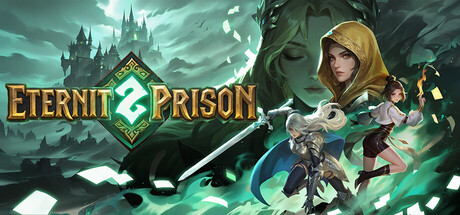
The only AI-generated visual assets currently used are the Steam header capsule and library logo illustrations, which were manually retouched. They are not used inside the actual game, and I plan to replace them after release if the game earns enough revenue.
I feel the AI tag for my game is not actually reasonable. i tried to explain myself to steam and to stop forcing me to set this AI toggle but the automated system is forcing me to say i used AI
Generative AI tools were used exclusively for the creation of marketing materials and store capsules. No generative AI was used to create the in-game assets, which consist of a mix of custom work and hand-crafted assets from third-party creators.
This game uses generative AI in several components. As a solo/small developer, the project wouldn't be feasible without it, but my goal is to fund human-created replacements through the game's revenue after early acces release.
Artwork-
AI generates the base/reference character sprites, which I then paint over and animate by hand.
Item and tileset sprites follow the same treatment, some items may remain unedited in early access to be reviewed later.
Music - AI generated music with rights held by Bonehead Labs.
Capsule art - combination of AI generation and hand-work.
We use generative AI tools during development to create certain pre-rendered audio assets (sound effects and background music). We ensure that prompts do not reference copyrighted works, artists, or specific intellectual property. We use commercially licensed AI services and comply with their terms of service.
This game utilizes generative AI technology to create some 3D models, background music (BGM), and sound effects to efficiently generate resources during the production process.
During development, artificial intelligence tools were used to assist in the creation of certain game assets, including some images (such as store page visuals and in-game textures), localization, and audio content.
All AI-generated or AI-assisted content was reviewed, modified where necessary, and approved by the developers to ensure quality and consistency.
The card artwork in the current version of the game was created using generative AI tools and then manually edited and refined by the developer. AI was not used for gameplay code or core story content. These artworks are intended as temporary assets and are planned to be replaced with commissioned artwork in the future.
Initial concept art was generated using AI tools, followed by manual adjustments and modifications by artists. The final artwork combines AI-generated base designs with human-made artistic revisions.
AI tools were used strictly during the development phase to assist with writing code scripts and drafting text descriptions. All game mechanics, logic, and assets were manually reviewed, tested, and finalized by the developer.
Some of the images and in game models and sounds are created using AI to speed up the development process and allow focus on core gameplay elements.
All elements are reviewed by devs.
No AI is running or applied during gameplay.
A few pieces of art were generated: the battle background, the fire aura on the marketing assets, and a few projectiles for units like the white beetle.
Some images in the game use AI.
The Spanish - Latin America, Portuguese - Brazil, Portuguese - Portugal, Japanese, Traditional Chinese, Simplified Chinese, Spanish - Spain, Korean, Italian, French, German versions was translated using AI.
This game uses generative AI-assisted tools in a small amount of non-core content, such as certain event illustration backgrounds, world map event displays, and some promotional materials used on the store page.
The core content of the game, including gameplay design, combat systems, character design, primary visual presentation, and programming, has been manually created and refined by the developer. AI-generated content is used only for supplementary visual purposes and does not affect the core gameplay experience.
This game uses generative AI tools for the creation of some non-gameplay content, including portions of promotional artwork, visual concepts, and certain localized translations.
All gameplay systems, programming, game design, balancing, and the final integration of assets are created and curated by the developer. AI-generated content is reviewed, edited, and refined before being used in the game or store materials.
This game includes limited use of AI-generated voice acting for background TV dialogue. All core gameplay, art, and story content were created by humans.
AI handled the code, all non-English translations, and part of the 2D art.
I made all the 3D art, designed the game, and wrote the English text.
I'm a solo artist developing this game by myself.
Generative AI was used exclusively for creating marketing visuals (Steam capsules). All game content—including code, 3D models, environments, and gameplay—is an original, hand-developed creation.
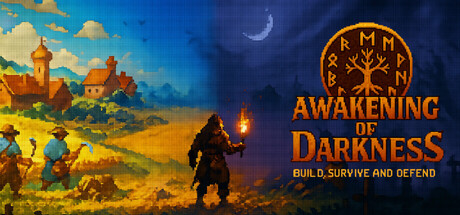
In order to better reflect the identity of our game and obtain easier outputs, we use artificial intelligence to produce content such as capsule images, small logos, and simple text found on our game's store page.
As a solo developer starting out a hobby project, I used different AI generated images early on.
I have since, after deciding to stick with the game, attempted to clean up and change to known license images and content, or make and remake where possible.
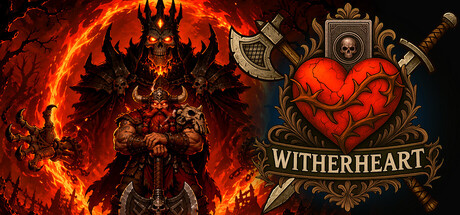
Some assets in Witherheart, including visuals and audio, were created with the assistance of generative AI tools. All content has been curated and integrated by the development team.
AI tools were used to assist in the conceptualization of store page art and background art. The final in-game assets are hand-crafted pixel art based on these AI-generated concepts.
In the demo version, to support development, we use AI-assisted tools to create PLACEHOLDER CONTENT ONLY. These assets are temporary and will NOT appear in the final version of the game.
This game contains content created with the assistance of generative AI during development.
Generative AI tools were used to help create and iterate on parts of the game code, sound effects, music, artwork, images, and multilingual translations. All AI-assisted content was reviewed, edited, selected, and integrated by the developer.
The game does not use generative AI to create content during gameplay.
I use artificial intelligence to assist with multilingual text localization and adaptation, in order to make the game more accessible and enjoyable for a wider range of players.
The vast majority of this game's content is hand-drawn and manually crafted. Generative AI was utilized only as a supportive tool for certain concept designs and ambient sound effects. Every asset has undergone manual correction and thorough refinement to ensure it perfectly aligns with the game’s unique quirky-comic art style.
As a small indie team, we have used generative AI tools to help create temporary placeholder assets during development, including some capsule artworks, localization support, and certain in-game icons. All AI-assisted content is reviewed and integrated manually by our team.
Some visual assets in this game are created with the assistance of generative AI during development. This includes portions of the card artwork, some environmental/scenery visuals, and some character illustrations. These AI-assisted assets are curated, edited, and integrated by the developer as part of the game’s art pipeline. No live-generated AI content is used during gameplay.
Generative AI was not used for in-game art, gameplay assets, systems, or core game content.
AI translation tools were used only for some additional text added later during development. Most localization was handled by a professional translation vendor.
The only AI-generated visual assets currently used are the Steam header capsule and library logo illustrations, which were manually retouched. They are not used inside the actual game, and I plan to replace them after release if the game earns enough revenue.
I feel the AI tag for my game is not actually reasonable. i tried to explain myself to steam and to stop forcing me to set this AI toggle but the automated system is forcing me to say i used AI
Generative AI tools were used exclusively for the creation of marketing materials and store capsules. No generative AI was used to create the in-game assets, which consist of a mix of custom work and hand-crafted assets from third-party creators.
This game uses generative AI in several components. As a solo/small developer, the project wouldn't be feasible without it, but my goal is to fund human-created replacements through the game's revenue after early acces release.
Artwork-
AI generates the base/reference character sprites, which I then paint over and animate by hand.
Item and tileset sprites follow the same treatment, some items may remain unedited in early access to be reviewed later.
Music - AI generated music with rights held by Bonehead Labs.
Capsule art - combination of AI generation and hand-work.
We use generative AI tools during development to create certain pre-rendered audio assets (sound effects and background music). We ensure that prompts do not reference copyrighted works, artists, or specific intellectual property. We use commercially licensed AI services and comply with their terms of service.
This game utilizes generative AI technology to create some 3D models, background music (BGM), and sound effects to efficiently generate resources during the production process.
During development, artificial intelligence tools were used to assist in the creation of certain game assets, including some images (such as store page visuals and in-game textures), localization, and audio content.
All AI-generated or AI-assisted content was reviewed, modified where necessary, and approved by the developers to ensure quality and consistency.
The card artwork in the current version of the game was created using generative AI tools and then manually edited and refined by the developer. AI was not used for gameplay code or core story content. These artworks are intended as temporary assets and are planned to be replaced with commissioned artwork in the future.
Initial concept art was generated using AI tools, followed by manual adjustments and modifications by artists. The final artwork combines AI-generated base designs with human-made artistic revisions.
AI tools were used strictly during the development phase to assist with writing code scripts and drafting text descriptions. All game mechanics, logic, and assets were manually reviewed, tested, and finalized by the developer.
Some of the images and in game models and sounds are created using AI to speed up the development process and allow focus on core gameplay elements.
All elements are reviewed by devs.
No AI is running or applied during gameplay.
A few pieces of art were generated: the battle background, the fire aura on the marketing assets, and a few projectiles for units like the white beetle.
Some images in the game use AI.
The Spanish - Latin America, Portuguese - Brazil, Portuguese - Portugal, Japanese, Traditional Chinese, Simplified Chinese, Spanish - Spain, Korean, Italian, French, German versions was translated using AI.
This game uses generative AI-assisted tools in a small amount of non-core content, such as certain event illustration backgrounds, world map event displays, and some promotional materials used on the store page.
The core content of the game, including gameplay design, combat systems, character design, primary visual presentation, and programming, has been manually created and refined by the developer. AI-generated content is used only for supplementary visual purposes and does not affect the core gameplay experience.
This game uses generative AI tools for the creation of some non-gameplay content, including portions of promotional artwork, visual concepts, and certain localized translations.
All gameplay systems, programming, game design, balancing, and the final integration of assets are created and curated by the developer. AI-generated content is reviewed, edited, and refined before being used in the game or store materials.
This game includes limited use of AI-generated voice acting for background TV dialogue. All core gameplay, art, and story content were created by humans.
AI handled the code, all non-English translations, and part of the 2D art.
I made all the 3D art, designed the game, and wrote the English text.
I'm a solo artist developing this game by myself.
Generative AI was used exclusively for creating marketing visuals (Steam capsules). All game content—including code, 3D models, environments, and gameplay—is an original, hand-developed creation.
In order to better reflect the identity of our game and obtain easier outputs, we use artificial intelligence to produce content such as capsule images, small logos, and simple text found on our game's store page.
As a solo developer starting out a hobby project, I used different AI generated images early on.
I have since, after deciding to stick with the game, attempted to clean up and change to known license images and content, or make and remake where possible.
Some assets in Witherheart, including visuals and audio, were created with the assistance of generative AI tools. All content has been curated and integrated by the development team.
AI tools were used to assist in the conceptualization of store page art and background art. The final in-game assets are hand-crafted pixel art based on these AI-generated concepts.
In the demo version, to support development, we use AI-assisted tools to create PLACEHOLDER CONTENT ONLY. These assets are temporary and will NOT appear in the final version of the game.
This game contains content created with the assistance of generative AI during development.
Generative AI tools were used to help create and iterate on parts of the game code, sound effects, music, artwork, images, and multilingual translations. All AI-assisted content was reviewed, edited, selected, and integrated by the developer.
The game does not use generative AI to create content during gameplay.
I use artificial intelligence to assist with multilingual text localization and adaptation, in order to make the game more accessible and enjoyable for a wider range of players.
The vast majority of this game's content is hand-drawn and manually crafted. Generative AI was utilized only as a supportive tool for certain concept designs and ambient sound effects. Every asset has undergone manual correction and thorough refinement to ensure it perfectly aligns with the game’s unique quirky-comic art style.
As a small indie team, we have used generative AI tools to help create temporary placeholder assets during development, including some capsule artworks, localization support, and certain in-game icons. All AI-assisted content is reviewed and integrated manually by our team.