Public Steam disclosure research25,380 disclosures tracked
Where do games disclose AI use?
Search developers’ Steam disclosures, compare classified AI use across
games, and follow recorded changes.
This index adds cross-game classifications and statistics to
statements published on individual store pages.
Groups reflect automatic analysis of public disclosures; mature records are excluded. These counts do not measure AI use across all of Steam.
Missing or unclear statements cannot establish whether a game uses AI.
As a solo indie developer, my resources are very limited, and English is not my native language. Therefore, I used AI as assistance to translate the game content and the Steam page (both created by me) into other languages.
Some base art assets and music tracks in our game were initially created using AI tools as a foundation, but have been significantly modified and enhanced by our development team. We do not use any real-time AI generation during gameplay. All AI-generated content has been carefully curated, edited, and integrated into the final game design to ensure quality and consistency.
The explanatory text in the game’s instructions and store interface has been translated into multiple languages from the original text using Artificial Intelligence (AI).
AI-generated images are used for game and store page images.
Scope of use
・Standing pictures of the main character(men) and demon
・Enemy graphics
・Backgrounds of conversation parts
・Store page image backgrounds
Images on the store page include those created using AI-generated elements. Over half of the 3D objects in the game were generated with the help of AI. When creating in-game music, AI was used as a tool to assist in searching for sample audio sources. The in-game text was also created with AI assistance.
I've used AI technology to generate the character portraits in my game and marketing material to add a unique touch to the visual experience outside of the retro look. Thanks for your understanding and support! Enjoy the adventure!
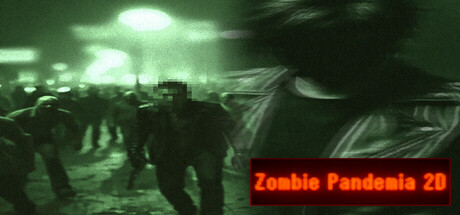
Some promotional artwork and visuals in Zombie Pandemia 2D were crafted using AI-assisted tools. These include images of real-life styled characters and zombies designed to enhance the immersive storytelling and atmosphere.
All in-game content, such as characters, environments, and gameplay elements, has been manually created to deliver an authentic experience tailored for our players.
The use of AI tools was focused solely on marketing assets to bring you a glimpse of the post-apocalyptic world of Zombie Pandemia 2D.
Graphics content for Human Avatars was generated using Midjourney and rights to distribute remain with the owner, which is include in the in game credits.
Some elements of the game were created with the help of AI-assisted tools and were then further developed through manual work — modified, improved, and integrated to align with the game’s overall style and vision.
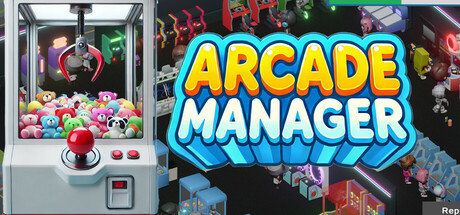
- Some 3D models in game are generated using AI.
- Some 2D graphic assets in game are generated using AI.
- Some 2D graphic assets are used for screenshots and logos on Arcade Managers steam page.
AI was used to generate the Splash Screen (used in the store) and Character Thumbnails only, during development. All code, models, story, and audio were created manually.
We used AI to generate textures when painting images for the library.
The gameplay screenshots do not contain generative content.
The game itself, its code and assets do not contain generated content.
AI was used in the creation of the store page material. In game, there are a couple fake advertisement posters scattered for products and services. For example, the insurance advertisement seen in the game trailer.
The artworks in our game are created using AI technology, which has been carefully fine-tuned to interpret the distinctive styles of Post-Impressionist art. Each image is thoughtfully curated and selected to ensure quality and artistic coherence with our game's vision. While the visual content is AI-assisted, all game mechanics, story elements, and puzzle designs are hand-crafted by our development team.
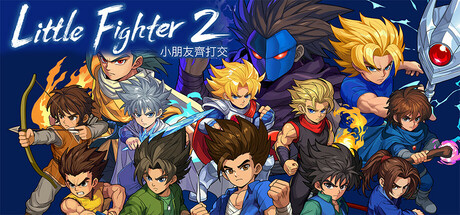
AI was used in the creation of certain visual assets, including character avatars, title screen artwork, promotional materials, and background art. However, these assets still required substantial manual work such as design, sketching, outline drawing, and polishing. The AI was used primarily as a tool for coloring and enhancement, and it did not dictate the creative direction. The visual style remains faithful to the original Little Fighter 2.
Some people assume that because AI was used in certain artwork, it must have been applied throughout the entire project. That is far from the truth. I used AI primarily for large-scale visual tasks. To give a clearer picture: the game includes over 3,000 hand-crafted sprite frames, composed from thousands of hand-drawn body parts. In contrast, only about 100 images were AI-assisted, and many of those, such as promotional artwork, don't even appear in the actual game.
I understand that some people may have concerns about the use of AI in the creative process. But I hope people can see the broader context and appreciate the amount of manual effort that went into making this game. Please know that I’m a solo developer working with a limited budget. I’ve been developing this project for around 3.5 years; even quitting my full-time job for a year to work on it full time, without expecting it to cover even half of my previous salary. I've done my best to balance quality and practicality. Your understanding and support mean a great deal to me.
The developers make use of agentic coding tools like Claude Code in their work process.
In-game and store descriptions have been translated using ai-tools in the localization process.
Some in-game images are generated using AI. We would like to replace this images with an artist when we can afford it, but for now it is there.
Some of the code was assisted VIA AI for teaching and troubleshooting.
As a solo indie developer, my resources are very limited, and English is not my native language. Therefore, I used AI as assistance to translate the game content and the Steam page (both created by me) into other languages.
Some base art assets and music tracks in our game were initially created using AI tools as a foundation, but have been significantly modified and enhanced by our development team. We do not use any real-time AI generation during gameplay. All AI-generated content has been carefully curated, edited, and integrated into the final game design to ensure quality and consistency.
The explanatory text in the game’s instructions and store interface has been translated into multiple languages from the original text using Artificial Intelligence (AI).
AI-generated images are used for game and store page images.
Scope of use
・Standing pictures of the main character(men) and demon
・Enemy graphics
・Backgrounds of conversation parts
・Store page image backgrounds
Images on the store page include those created using AI-generated elements. Over half of the 3D objects in the game were generated with the help of AI. When creating in-game music, AI was used as a tool to assist in searching for sample audio sources. The in-game text was also created with AI assistance.
I've used AI technology to generate the character portraits in my game and marketing material to add a unique touch to the visual experience outside of the retro look. Thanks for your understanding and support! Enjoy the adventure!
Some promotional artwork and visuals in Zombie Pandemia 2D were crafted using AI-assisted tools. These include images of real-life styled characters and zombies designed to enhance the immersive storytelling and atmosphere.
All in-game content, such as characters, environments, and gameplay elements, has been manually created to deliver an authentic experience tailored for our players.
The use of AI tools was focused solely on marketing assets to bring you a glimpse of the post-apocalyptic world of Zombie Pandemia 2D.
Graphics content for Human Avatars was generated using Midjourney and rights to distribute remain with the owner, which is include in the in game credits.
Some elements of the game were created with the help of AI-assisted tools and were then further developed through manual work — modified, improved, and integrated to align with the game’s overall style and vision.
- Some 3D models in game are generated using AI.
- Some 2D graphic assets in game are generated using AI.
- Some 2D graphic assets are used for screenshots and logos on Arcade Managers steam page.
AI was used to generate the Splash Screen (used in the store) and Character Thumbnails only, during development. All code, models, story, and audio were created manually.
We used AI to generate textures when painting images for the library.
The gameplay screenshots do not contain generative content.
The game itself, its code and assets do not contain generated content.
AI was used in the creation of the store page material. In game, there are a couple fake advertisement posters scattered for products and services. For example, the insurance advertisement seen in the game trailer.
The artworks in our game are created using AI technology, which has been carefully fine-tuned to interpret the distinctive styles of Post-Impressionist art. Each image is thoughtfully curated and selected to ensure quality and artistic coherence with our game's vision. While the visual content is AI-assisted, all game mechanics, story elements, and puzzle designs are hand-crafted by our development team.
AI was used in the creation of certain visual assets, including character avatars, title screen artwork, promotional materials, and background art. However, these assets still required substantial manual work such as design, sketching, outline drawing, and polishing. The AI was used primarily as a tool for coloring and enhancement, and it did not dictate the creative direction. The visual style remains faithful to the original Little Fighter 2.
Some people assume that because AI was used in certain artwork, it must have been applied throughout the entire project. That is far from the truth. I used AI primarily for large-scale visual tasks. To give a clearer picture: the game includes over 3,000 hand-crafted sprite frames, composed from thousands of hand-drawn body parts. In contrast, only about 100 images were AI-assisted, and many of those, such as promotional artwork, don't even appear in the actual game.
I understand that some people may have concerns about the use of AI in the creative process. But I hope people can see the broader context and appreciate the amount of manual effort that went into making this game. Please know that I’m a solo developer working with a limited budget. I’ve been developing this project for around 3.5 years; even quitting my full-time job for a year to work on it full time, without expecting it to cover even half of my previous salary. I've done my best to balance quality and practicality. Your understanding and support mean a great deal to me.
The developers make use of agentic coding tools like Claude Code in their work process.
In-game and store descriptions have been translated using ai-tools in the localization process.
Some in-game images are generated using AI. We would like to replace this images with an artist when we can afford it, but for now it is there.
Some of the code was assisted VIA AI for teaching and troubleshooting.