Public Steam disclosure research25,508 disclosures tracked
Where do games disclose AI use?
Search developers’ Steam disclosures, compare classified AI use across
games, and follow recorded changes.
This index adds cross-game classifications and statistics to
statements published on individual store pages.
Groups reflect automatic analysis of public disclosures; mature records are excluded. These counts do not measure AI use across all of Steam.
Missing or unclear statements cannot establish whether a game uses AI.
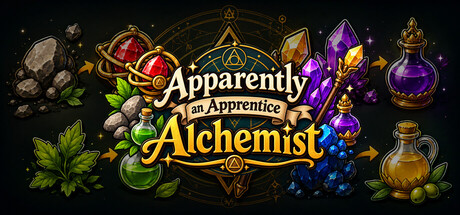
During development, generative AI was used as an assistive tool to create some in-game text and translations, 2D graphics, and store images. The generated content was reviewed and modified by the developer before being included in the game. Generative AI is not used to create content while the game is running, and no player input or personal information is sent to AI services.
Some visual assets in the game and its store materials were created with the assistance of generative AI. All AI-assisted content was generated prior to release and curated for use in the final game.
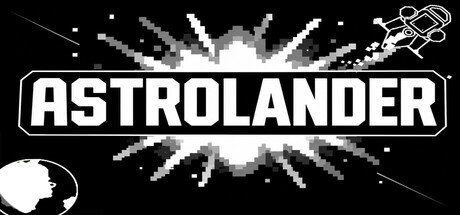
Generative AI was used as an assistive tool during the development of ASTROLANDER. It helped accelerate certain prototyping phases, explore concept art ideas, and experiment with programming solutions. All assets integrated into the game were modified or recreated by the developer to align with the project's art direction and gameplay.
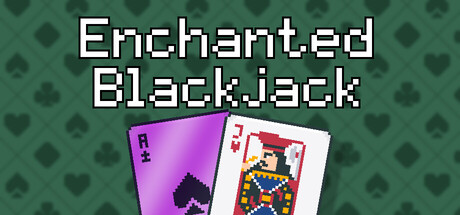
Enchanted Blackjack is a creative outlet and passion project of mine. The original build was created in 48 hours for a game jam without using AI. Since then,
I have incorporated LLMs such as Claude Code into my workflow to speed up the software development part of game making. I am very aware AI is antithetical to the artform and I take care to ensure all graphics, sound effects, and music is created by humans WITHOUT the use of AI.
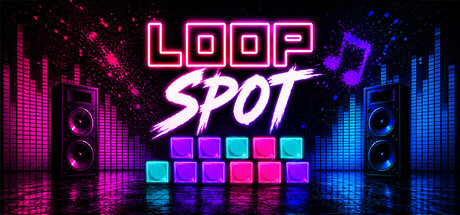
Loop Spot is a solo-developed game. Generative AI tools were used to assist with the creation of some visual assets, including UI artwork, logos, and capsule/marketing artwork. These assets were further edited, composited, and refined by me to fit the game’s visual direction and overall artistic vision.
The core gameplay, puzzle design, programming, and music were created by me. No generative AI was used to create the game’s music.
AI was used as a supporting visual production tool, while the game’s design, creative direction, gameplay, and music are my original work.
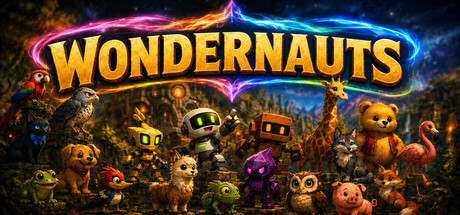
Some visual assets, sound effects, and music in Wondernauts were created with the help of generative AI tools during development, then refined, validated, and integrated by the development team. All gameplay logic and game systems are human-authored.
Generative AI tools were used during development to create and refine some pre-generated 2D visual assets, including character artwork, backgrounds, UI elements, and promotional/store-page images. Some of the music featured in the game and promotional materials was generated using Suno. All AI-generated content was reviewed and curated by the developer before inclusion. The game does not generate content using AI while it is running.
Generative AI was used during development to assist with the creation of some promotional and marketing materials, including the game's capsule artwork and logo. These materials were reviewed, edited, and finalized by the development team. Generative AI is not used to generate content dynamically during gameplay.
Some pre-generated visual assets currently used in Forms of War and its store materials were created with generative AI tools. Most in-game visuals are drawn procedurally in code using Phaser. AI-assisted coding tools were used during development. No generative AI is used while the game is running.
This game uses generative AI to create the following content:
- Images (backgrounds, character portraits, item art, UI, and store capsule art): image generation models
- Music: Suno
- Sound effects: procedural synthesis, plus OpenMOSS MOSS-SoundEffect v2 (Apache-2.0)
- Text and code: created with the assistance of generative AI
All of the above were pre-generated during development. No AI runs at runtime.
Some visual assets (character and environment art, store and marketing images) were created or assisted with generative AI tools, then selected and edited by the developer. The game does not use generative AI at runtime.
Some background music tracks were created with the assistance of generative AI tools and subsequently edited and modified by the developer. No generative AI content is created during gameplay.
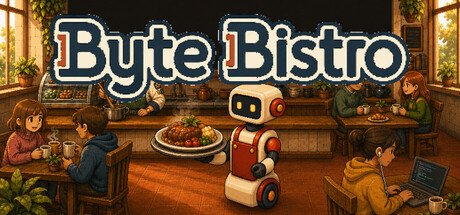
Byte Bistro was developed with assistance from generative AI tools (such as Large Language Models) to help write and structure the source code and draft store descriptions. All AI-generated content was reviewed, edited, and integrated manually. The game does not feature live, runtime generative AI or external API connections during gameplay.
Generative AI was used to create some artwork and visual assets for the game, including store page artwork and in-game icons. These assets were reviewed and integrated by the developer.
Some of this game's dialogue was refined with the help of a generative AI tool during revision. Every line in the finished game was reviewed and edited by the developer.
No generative AI was used to create the artwork, sound, or music, and no content is generated during gameplay.
Some of the sprites and marketing material started as AI-generated art that was processed and reworked by hand before use. No content is generated by AI while the game is running.
Generative AI was used during development to assist with some image assets and written or localized text for the game and its store page, as well as three in-game background music tracks. All AI-assisted content is pre-generated and fixed. The game does not generate content at runtime or send player input or data to AI services.
Some 2D art in Kyle Coral — including certain background/scene art and store and marketing images — is created with the help of generative AI image tools and then reviewed and edited by the developer. The game's core gameplay visuals are generated procedurally in code.
AI was used to assist with the translation of the game's text into supported languages. No generative AI was used to create the game's art, music, or other game content.
Some of this game's assets (e.g., sprites, artwork, and music) were made with the assistance of generative AI tools and were reviewed, curated, and hand-finished by the developer. No content is generated while you play.
Some of this game's assets were made with the assistance of generative AI tools and were reviewed, curated and hand-finished by the developer. No content is generated while you play.
Some of this game's assets were made with the assistance of generative AI tools and were reviewed, curated and hand-finished by the developer. No content is generated while you play.
Some of this game's assets were made with the assistance of generative AI tools and were reviewed, curated and hand-finished by the developer. No content is generated while you play.
Part of the UI, along with all character, monster and item icons, text translations, background music and some sound effects in this game are AI‑generated.
The game's artwork (character illustrations, moons, and UI images) and portions of the game code were created with the assistance of generative AI tools, and were then reviewed and edited by the developer. All AI-assisted content is pre-rendered; the game does not generate any content with AI at runtime.
During development, we may use procedural and AI-assisted tools to support content creation. The final product reflects the creative direction, authorship, and expression of the development team.
Generative AI tools were used during development to assist with pre-generated visual and audio assets. Final content was reviewed and integrated under the developer’s direction. NO content is generated by AI during gameplay.
Generative AI was used during development to assist in creating some pre-generated content, including certain visual assets, music and sound assets, as well as some text and localization content. All such content was generated during development and was reviewed, selected, edited, adjusted, and integrated by the developer before being included in the game.
The game does not use generative AI at runtime and does not generate new text, images, audio, or other game content dynamically in response to player input.
This game was created by a solo developer. During development, generative AI was used to assist with some artwork, store promotional images, localized text, and narrative materials. While the game is running, it connects to external AI services to dynamically generate Froggy’s dialogue, travel letters, postcard images, and parts of its travel stories based on player conversations, character memories, real-world weather, and current travel status. Generated content may vary depending on player input and service availability.
Some in-game assets were created with generative AI tools during development. Visual assets — including player portraits, team logos, and court designs — are a mix of hand-crafted artwork and AI-generated images, and some sound effects and music were made with AI audio tools. Similar assets may be added in future updates. All AI-generated content is reviewed by the developer before inclusion, is entirely fictional, and depicts no real people, real teams, or licensed properties.
Generative AI tools were used during development to assist with the creation and refinement of some visual assets, text, localization, and other pre-generated game content. All AI-assisted content included in the game has been reviewed and validated by the developer. The game does not generate AI content during gameplay and does not connect to external AI services.
During development, generative AI was used as an assistive tool to create some in-game text and translations, 2D graphics, and store images. The generated content was reviewed and modified by the developer before being included in the game. Generative AI is not used to create content while the game is running, and no player input or personal information is sent to AI services.
Some visual assets in the game and its store materials were created with the assistance of generative AI. All AI-assisted content was generated prior to release and curated for use in the final game.
Generative AI was used as an assistive tool during the development of ASTROLANDER. It helped accelerate certain prototyping phases, explore concept art ideas, and experiment with programming solutions. All assets integrated into the game were modified or recreated by the developer to align with the project's art direction and gameplay.
Enchanted Blackjack is a creative outlet and passion project of mine. The original build was created in 48 hours for a game jam without using AI. Since then,
I have incorporated LLMs such as Claude Code into my workflow to speed up the software development part of game making. I am very aware AI is antithetical to the artform and I take care to ensure all graphics, sound effects, and music is created by humans WITHOUT the use of AI.
Loop Spot is a solo-developed game. Generative AI tools were used to assist with the creation of some visual assets, including UI artwork, logos, and capsule/marketing artwork. These assets were further edited, composited, and refined by me to fit the game’s visual direction and overall artistic vision.
The core gameplay, puzzle design, programming, and music were created by me. No generative AI was used to create the game’s music.
AI was used as a supporting visual production tool, while the game’s design, creative direction, gameplay, and music are my original work.
Some visual assets, sound effects, and music in Wondernauts were created with the help of generative AI tools during development, then refined, validated, and integrated by the development team. All gameplay logic and game systems are human-authored.
Generative AI tools were used during development to create and refine some pre-generated 2D visual assets, including character artwork, backgrounds, UI elements, and promotional/store-page images. Some of the music featured in the game and promotional materials was generated using Suno. All AI-generated content was reviewed and curated by the developer before inclusion. The game does not generate content using AI while it is running.
Generative AI was used during development to assist with the creation of some promotional and marketing materials, including the game's capsule artwork and logo. These materials were reviewed, edited, and finalized by the development team. Generative AI is not used to generate content dynamically during gameplay.
Some pre-generated visual assets currently used in Forms of War and its store materials were created with generative AI tools. Most in-game visuals are drawn procedurally in code using Phaser. AI-assisted coding tools were used during development. No generative AI is used while the game is running.
This game uses generative AI to create the following content:
- Images (backgrounds, character portraits, item art, UI, and store capsule art): image generation models
- Music: Suno
- Sound effects: procedural synthesis, plus OpenMOSS MOSS-SoundEffect v2 (Apache-2.0)
- Text and code: created with the assistance of generative AI
All of the above were pre-generated during development. No AI runs at runtime.
Some visual assets (character and environment art, store and marketing images) were created or assisted with generative AI tools, then selected and edited by the developer. The game does not use generative AI at runtime.
Some background music tracks were created with the assistance of generative AI tools and subsequently edited and modified by the developer. No generative AI content is created during gameplay.
Byte Bistro was developed with assistance from generative AI tools (such as Large Language Models) to help write and structure the source code and draft store descriptions. All AI-generated content was reviewed, edited, and integrated manually. The game does not feature live, runtime generative AI or external API connections during gameplay.
Generative AI was used to create some artwork and visual assets for the game, including store page artwork and in-game icons. These assets were reviewed and integrated by the developer.
Some of this game's dialogue was refined with the help of a generative AI tool during revision. Every line in the finished game was reviewed and edited by the developer.
No generative AI was used to create the artwork, sound, or music, and no content is generated during gameplay.
Some of the sprites and marketing material started as AI-generated art that was processed and reworked by hand before use. No content is generated by AI while the game is running.
Generative AI was used during development to assist with some image assets and written or localized text for the game and its store page, as well as three in-game background music tracks. All AI-assisted content is pre-generated and fixed. The game does not generate content at runtime or send player input or data to AI services.
Some 2D art in Kyle Coral — including certain background/scene art and store and marketing images — is created with the help of generative AI image tools and then reviewed and edited by the developer. The game's core gameplay visuals are generated procedurally in code.
AI was used to assist with the translation of the game's text into supported languages. No generative AI was used to create the game's art, music, or other game content.
Some of this game's assets (e.g., sprites, artwork, and music) were made with the assistance of generative AI tools and were reviewed, curated, and hand-finished by the developer. No content is generated while you play.
Some of this game's assets were made with the assistance of generative AI tools and were reviewed, curated and hand-finished by the developer. No content is generated while you play.
Some of this game's assets were made with the assistance of generative AI tools and were reviewed, curated and hand-finished by the developer. No content is generated while you play.
Some of this game's assets were made with the assistance of generative AI tools and were reviewed, curated and hand-finished by the developer. No content is generated while you play.
Part of the UI, along with all character, monster and item icons, text translations, background music and some sound effects in this game are AI‑generated.
The game's artwork (character illustrations, moons, and UI images) and portions of the game code were created with the assistance of generative AI tools, and were then reviewed and edited by the developer. All AI-assisted content is pre-rendered; the game does not generate any content with AI at runtime.
During development, we may use procedural and AI-assisted tools to support content creation. The final product reflects the creative direction, authorship, and expression of the development team.
Generative AI tools were used during development to assist with pre-generated visual and audio assets. Final content was reviewed and integrated under the developer’s direction. NO content is generated by AI during gameplay.
Generative AI was used during development to assist in creating some pre-generated content, including certain visual assets, music and sound assets, as well as some text and localization content. All such content was generated during development and was reviewed, selected, edited, adjusted, and integrated by the developer before being included in the game.
The game does not use generative AI at runtime and does not generate new text, images, audio, or other game content dynamically in response to player input.
This game was created by a solo developer. During development, generative AI was used to assist with some artwork, store promotional images, localized text, and narrative materials. While the game is running, it connects to external AI services to dynamically generate Froggy’s dialogue, travel letters, postcard images, and parts of its travel stories based on player conversations, character memories, real-world weather, and current travel status. Generated content may vary depending on player input and service availability.
Some in-game assets were created with generative AI tools during development. Visual assets — including player portraits, team logos, and court designs — are a mix of hand-crafted artwork and AI-generated images, and some sound effects and music were made with AI audio tools. Similar assets may be added in future updates. All AI-generated content is reviewed by the developer before inclusion, is entirely fictional, and depicts no real people, real teams, or licensed properties.
Generative AI tools were used during development to assist with the creation and refinement of some visual assets, text, localization, and other pre-generated game content. All AI-assisted content included in the game has been reviewed and validated by the developer. The game does not generate AI content during gameplay and does not connect to external AI services.