Public Steam disclosure research25,508 disclosures tracked
Where do games disclose AI use?
Search developers’ Steam disclosures, compare classified AI use across
games, and follow recorded changes.
This index adds cross-game classifications and statistics to
statements published on individual store pages.
Groups reflect automatic analysis of public disclosures; mature records are excluded. These counts do not measure AI use across all of Steam.
Missing or unclear statements cannot establish whether a game uses AI.
This game contains AI-assisted content, including voice performances and music. Without it, the visuals would likely resemble the work of a sleep-deprived stick figure artist. All AI-assisted content was deliberately directed, reviewed, and approved to serve the game's specific creative vision. No AI generates content during gameplay — everything was put here on purpose. Probably.
According to our Generative AI policy, we will not use it to generate any Assets, Sounds, or Art.
Subject to change. Generative AI was used to generate a portion of code during development.
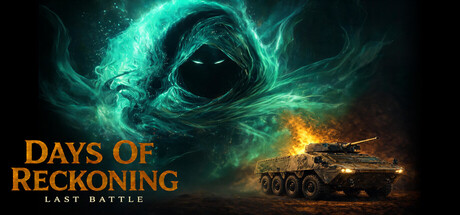
During the development of Days Of Reckoning, generative artificial intelligence is used as a supportive tool in certain parts of production.
AI has been used primarily for:
creating visual references and concept ideas
assisting with marketing materials (e.g., text, scripts)
experimenting with certain audio or atmospheric elements
All content included in the final version of the game is reviewed, refined, and approved by the developer.
Generative AI is not used to generate content in real time during gameplay and does not directly influence gameplay mechanics or in-game systems.
Note: The game uses human-made digital artwork inspired by designs developed by AI including designs that have been made digitally and edited digitally using only inspiration from AI-created designs, and elements enhanced or developed by the help of AI ideas and input.
The usage of AI in the Game is purely for efficiency purposes; the Game is made with passion.
This game uses generative AI in its visuals and music to provide players with the best possible experience. On the visual side, AI is particularly utilized in character and environment design.
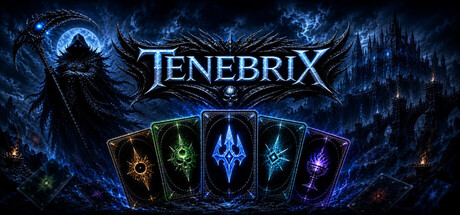
AI tools were used as part of the development process for Tenebrix, primarily to assist with early concept exploration, visual ideation, and asset prototyping. These tools helped accelerate iteration during the design phase, allowing for rapid testing of themes, compositions, and stylistic direction.
All AI-assisted content was reviewed, refined, and integrated manually to ensure consistency with the game’s vision and quality standards. Final assets, gameplay systems, and overall design were shaped through hands-on development and creative direction.
AI was used as a tool to support development—not as a replacement for it.
For now there are some placeholder assets that we generated by AI to fill in some of the UI but we do not intend to include these assets in the final build on release.
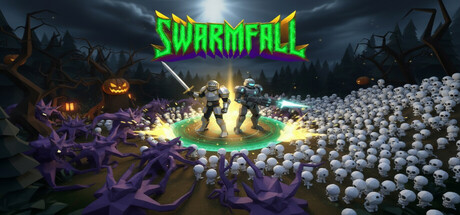
SWARMFALL uses generative AI only for the following 2D images:
Hero icons / profile pictures displayed in the UI and on the store page
Some marketing assets (Steam capsules, banners) and trailer music
All other content — 3D character models, levels, environments, gameplay mechanics and code — was created by hand in Blender or built from royalty-free assets, with no AI. No content is generated by AI during gameplay or in real-time.
Some visual and audio assets in this game were created with the assistance of generative AI tools, including artwork, cinematic sequences, and sound effects. No AI content is generated during gameplay.
This game uses generative artificial intelligence to assist with development.
AI tools were used to create concept art, textures, sound effects, music elements, dialogue, and portions of the game’s code.
All AI‑generated content was reviewed, edited, and integrated by the developer to ensure quality, consistency, and originality.
This game uses generative AI to create certain visual assets, such as images used in the opening and ending sequences. All AI-generated content is pre-rendered and does not affect gameplay.
Specifically:
Tools used: ChatGPT
What was created with AI: Capsule images, library assets, and in-game artwork (backgrounds, visual elements, UI components).
Process: All AI-generated outputs were reviewed, curated, and edited by me to ensure they fit the game's pixel-neon aesthetic and overall style. Outputs that did not meet quality or style standards were discarded or further edited.
Rights & legal compliance: I have taken care to avoid generating content that infringes on existing copyrights or trademarks. No prompts referenced real persons, specific copyrighted characters, or trademarked properties. The final assets are used only within this game and its marketing materials.
No live-generated AI is used during gameplay. All AI-generated content was finalized during development and ships as static assets.
Some store graphical assets, store copy drafts, and internal development materials were generated or assisted with AI tools. The game itself does not generate AI content during gameplay.
A small number of icons and one minor 3D model were generated with AI tools and then edited by the developer. All AI-assisted assets were reviewed and refined before inclusion. No content is generated at runtime.
- Pre-generated: "3D character/monster models generated via Tripo3D from concept art, textures via Ludo AI. All assets reviewed and integrated by developer. No live AI generation at runtime."
- Guardrails: Human review of all generated assets before shipping.
Artificial intelligence was used as an auxiliary tool in production, including the creation of pre-generated voices and dubbing. The game does not use real-time generative AI and does not contain AI-generated images, 3D models, or animations.
Generative AI was used as a supplemental tool during development to streamline workflows and refining technical documentation. All player-facing content has been manually reviewed and polished.
Some of the background music in this game was created with the assistance of generative AI.
All AI-generated music is sourced from Pixabay in accordance with its Content License.
Generative AI tools may be used during development to assist with translations for supported languages. These translations may appear as in-game text. The game does not use live-generated AI content during gameplay.
Generative AI tools were used during development to assist with selected visual and audio asset concepts and production support.
All final assets included in the game were reviewed, edited, and integrated by the developer to ensure they are appropriate for the game and do not knowingly include infringing content. No live AI-generated content is produced during gameplay.
WinBolo's core engine and gameplay code was originally written by John Morrison between 1998 and 2008. The 2.0 modernization — including build system updates, the networking rewrite and platform ports — was developed with assistance from AI coding tools, with all architectural decisions, code review, and final integration handled by John Morrison.
Some non-gameplay marketing materials — including images and video elements used in trailers, social media, and the store page — were created using AI image generation as a starting point, with composition, editing, effects, and final selection done by hand. Gameplay screenshots and video footage are unedited captures from the actual game.
The game itself contains no generative AI content at runtime. Player-facing in-game assets (graphics, sound, music, text, UI) are human-created. The in-game AI opponents ("Brains," including NewAutopilot and future ML-trained agents) use traditional game AI techniques and trained reinforcement-learning models — they don't generate text, images, or audio during play.
Generative AI tools were used as an aid for localization and for some in-game animations. All results were reviewed and manually refined by the developer.
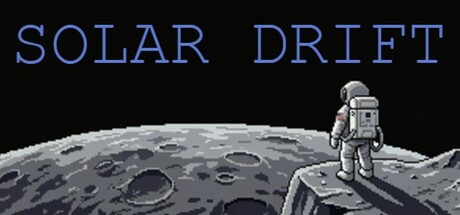
Some 2D graphic assets in this game, including character concept art and background images, were pre-rendered using generative AI tools. These AI-generated assets were then manually edited, refined, and optimized by the developer to fit the game's specific space theme and pixel art aesthetic.
Some visual assets and materials used in the game were created or enhanced with the help of AI tools during development.
All AI-assisted content was reviewed, edited, and integrated by the developer.
The game does not use AI to generate content during gameplay.
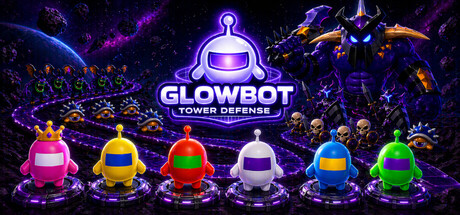
Some store assets (such as capsules and promotional images) were created with the assistance of AI tools due to limited resources during development. All gameplay, design, and core content of Glowbot Tower Defense are fully original and developed by me.
As future projects grow, I plan to collaborate with artists to further enhance the visual presentation.
Since I’m mostly developing this game on my own, I couldn’t have done it without a little help from AI. Portraits, some sound effects, and UI elements were refined or generated using AI. Still, most of the game is old-school manual work! I ran around with a microphone recording individual sounds, wrote entire music tracks, modeled and textured objects, and of course designed levels and much more, all with my own hands using the full range of available NO-AI classic tools. Over time, I’ve been removing more and more AI-generated content with the help of some talented friends.
This game contains AI-assisted content, including voice performances and music. Without it, the visuals would likely resemble the work of a sleep-deprived stick figure artist. All AI-assisted content was deliberately directed, reviewed, and approved to serve the game's specific creative vision. No AI generates content during gameplay — everything was put here on purpose. Probably.
According to our Generative AI policy, we will not use it to generate any Assets, Sounds, or Art.
Subject to change. Generative AI was used to generate a portion of code during development.
During the development of Days Of Reckoning, generative artificial intelligence is used as a supportive tool in certain parts of production.
AI has been used primarily for:
creating visual references and concept ideas
assisting with marketing materials (e.g., text, scripts)
experimenting with certain audio or atmospheric elements
All content included in the final version of the game is reviewed, refined, and approved by the developer.
Generative AI is not used to generate content in real time during gameplay and does not directly influence gameplay mechanics or in-game systems.
Note: The game uses human-made digital artwork inspired by designs developed by AI including designs that have been made digitally and edited digitally using only inspiration from AI-created designs, and elements enhanced or developed by the help of AI ideas and input.
The usage of AI in the Game is purely for efficiency purposes; the Game is made with passion.
This game uses generative AI in its visuals and music to provide players with the best possible experience. On the visual side, AI is particularly utilized in character and environment design.
AI tools were used as part of the development process for Tenebrix, primarily to assist with early concept exploration, visual ideation, and asset prototyping. These tools helped accelerate iteration during the design phase, allowing for rapid testing of themes, compositions, and stylistic direction.
All AI-assisted content was reviewed, refined, and integrated manually to ensure consistency with the game’s vision and quality standards. Final assets, gameplay systems, and overall design were shaped through hands-on development and creative direction.
AI was used as a tool to support development—not as a replacement for it.
For now there are some placeholder assets that we generated by AI to fill in some of the UI but we do not intend to include these assets in the final build on release.
SWARMFALL uses generative AI only for the following 2D images:
Hero icons / profile pictures displayed in the UI and on the store page
Some marketing assets (Steam capsules, banners) and trailer music
All other content — 3D character models, levels, environments, gameplay mechanics and code — was created by hand in Blender or built from royalty-free assets, with no AI. No content is generated by AI during gameplay or in real-time.
Some visual and audio assets in this game were created with the assistance of generative AI tools, including artwork, cinematic sequences, and sound effects. No AI content is generated during gameplay.
This game uses generative artificial intelligence to assist with development.
AI tools were used to create concept art, textures, sound effects, music elements, dialogue, and portions of the game’s code.
All AI‑generated content was reviewed, edited, and integrated by the developer to ensure quality, consistency, and originality.
This game uses generative AI to create certain visual assets, such as images used in the opening and ending sequences. All AI-generated content is pre-rendered and does not affect gameplay.
Specifically:
Tools used: ChatGPT
What was created with AI: Capsule images, library assets, and in-game artwork (backgrounds, visual elements, UI components).
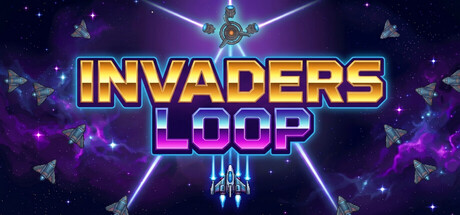
Process: All AI-generated outputs were reviewed, curated, and edited by me to ensure they fit the game's pixel-neon aesthetic and overall style. Outputs that did not meet quality or style standards were discarded or further edited.
Rights & legal compliance: I have taken care to avoid generating content that infringes on existing copyrights or trademarks. No prompts referenced real persons, specific copyrighted characters, or trademarked properties. The final assets are used only within this game and its marketing materials.
No live-generated AI is used during gameplay. All AI-generated content was finalized during development and ships as static assets.
Some store graphical assets, store copy drafts, and internal development materials were generated or assisted with AI tools. The game itself does not generate AI content during gameplay.
A small number of icons and one minor 3D model were generated with AI tools and then edited by the developer. All AI-assisted assets were reviewed and refined before inclusion. No content is generated at runtime.
- Pre-generated: "3D character/monster models generated via Tripo3D from concept art, textures via Ludo AI. All assets reviewed and integrated by developer. No live AI generation at runtime."
- Guardrails: Human review of all generated assets before shipping.
Artificial intelligence was used as an auxiliary tool in production, including the creation of pre-generated voices and dubbing. The game does not use real-time generative AI and does not contain AI-generated images, 3D models, or animations.
Generative AI was used as a supplemental tool during development to streamline workflows and refining technical documentation. All player-facing content has been manually reviewed and polished.
Some of the background music in this game was created with the assistance of generative AI.
All AI-generated music is sourced from Pixabay in accordance with its Content License.
Generative AI tools may be used during development to assist with translations for supported languages. These translations may appear as in-game text. The game does not use live-generated AI content during gameplay.
Generative AI tools were used during development to assist with selected visual and audio asset concepts and production support.
All final assets included in the game were reviewed, edited, and integrated by the developer to ensure they are appropriate for the game and do not knowingly include infringing content. No live AI-generated content is produced during gameplay.
WinBolo's core engine and gameplay code was originally written by John Morrison between 1998 and 2008. The 2.0 modernization — including build system updates, the networking rewrite and platform ports — was developed with assistance from AI coding tools, with all architectural decisions, code review, and final integration handled by John Morrison.
Some non-gameplay marketing materials — including images and video elements used in trailers, social media, and the store page — were created using AI image generation as a starting point, with composition, editing, effects, and final selection done by hand. Gameplay screenshots and video footage are unedited captures from the actual game.
The game itself contains no generative AI content at runtime. Player-facing in-game assets (graphics, sound, music, text, UI) are human-created. The in-game AI opponents ("Brains," including NewAutopilot and future ML-trained agents) use traditional game AI techniques and trained reinforcement-learning models — they don't generate text, images, or audio during play.
Generative AI tools were used as an aid for localization and for some in-game animations. All results were reviewed and manually refined by the developer.
Some 2D graphic assets in this game, including character concept art and background images, were pre-rendered using generative AI tools. These AI-generated assets were then manually edited, refined, and optimized by the developer to fit the game's specific space theme and pixel art aesthetic.
Some visual assets and materials used in the game were created or enhanced with the help of AI tools during development.
All AI-assisted content was reviewed, edited, and integrated by the developer.
The game does not use AI to generate content during gameplay.
Some store assets (such as capsules and promotional images) were created with the assistance of AI tools due to limited resources during development. All gameplay, design, and core content of Glowbot Tower Defense are fully original and developed by me.
As future projects grow, I plan to collaborate with artists to further enhance the visual presentation.
Since I’m mostly developing this game on my own, I couldn’t have done it without a little help from AI. Portraits, some sound effects, and UI elements were refined or generated using AI. Still, most of the game is old-school manual work! I ran around with a microphone recording individual sounds, wrote entire music tracks, modeled and textured objects, and of course designed levels and much more, all with my own hands using the full range of available NO-AI classic tools. Over time, I’ve been removing more and more AI-generated content with the help of some talented friends.