








Disclosure
Help in creating images
- Creator
- IR Studio
- Reviews
- -
- Added
- Sep 25, 2026
Public Steam disclosure research 25,508 disclosures tracked
Search developers’ Steam disclosures, compare classified AI use across games, and follow recorded changes. This index adds cross-game classifications and statistics to statements published on individual store pages.
Code help, debugging and other development work.
Capsule art, trailers and promotional material.
Pre-made art, audio, writing and other game assets.
Interactive or runtime AI features disclosed by the developer.
Groups reflect automatic analysis of public disclosures; mature records are excluded. These counts do not measure AI use across all of Steam. Missing or unclear statements cannot establish whether a game uses AI.
Help in creating images
Generative AI was used for portions of the game's localization during development. No generative AI was used to create the game's music and sound. Some of the images in the game were generated by AI. AI tools were also used as development aids for programming, but the shipped code is not AI-generated content intended for player consumption.
Generative AI was used only as a supporting tool for creating fictional game names and for language translation.
We used generative AI during development to create parts of the game’s code and narrative content.
Utilize AI for localized translation and pre-rendering
Some of this game's user-interface text, its Korean, English, Japanese and Simplified Chinese translations, parts of this store page, and the on-screen text in the trailer were written with the assistance of generative AI tools, then reviewed and edited by the developer. All 3D models, user-interface art and sound effects are licensed from commercial asset stores. All artwork made for this game, including the app icon, store art and trailer, is rendered or captured from the game itself rather than produced by an image- or video-generation model. The game does not generate any content at runtime and does not connect to any AI service during play.
AI has been used to create certain assets for Bonsai Life. These assets include Japanese interior models, lanterns and benches.
The developer used generative AI tools during the development process to assist in creating pre-generated 2D visual assets (such as backgrounds and promotional art) and to help generate programming code. All AI-generated content was heavily modified, curated, and reviewed by the developer to fit the game's cyberpunk setting. There is no live-generated AI content in this game.
The game includes pre-generated content created with the help of generative AI, including some character voice lines and sound effects.
Generative AI tools were used during development to assist with selected promotional artwork and pre-generated voice-over audio. All AI-assisted content is created and reviewed before inclusion in the game or store materials. The game does not use generative AI during gameplay and does not generate content in real time.
Sunday Pilot contains no AI-generated art, music, voice or in-game text. Every visual in the game is rendered in real time from geometry and materials authored by hand in code — there are no image assets. Every sound is synthesized by the game while you play, from a physical model of the engine; no audio files ship with the game. All car data and track layouts are hand-authored. The store page capsule art and screenshots are rendered by the game itself, using the same renderer that draws the game — they are not concept art, not painted, and not AI-generated. The game description and other store page text were written with the assistance of an AI writing assistant, and portions of the game's source code were written with the assistance of an AI coding assistant. All of it was reviewed and edited by the developer. The game does not use generative AI at runtime. Nothing is generated while you play, there is no network connection of any kind, and the game is fully playable offline.
AI was used to help generate code for this game. AI was not used to generate any art, ideas, or features.
Help in creating images
Help in creating images
Help in creating images
Help in creating images
We used AI to generate initial music tracks, concept art, and temporary translations into some languages. All materials were then thoroughly edited, reworked, and finalized by humans. Nothing went straight from the generator into the game.
Generative AI tools were used during development to assist in creating some visual artwork and image assets. These images were subsequently edited and modified by the developer using image-editing software before being incorporated into the game. Other game assets include original developer-created artwork and licensed assets purchased from third-party artists/asset creators. No AI-generated content is created live during gameplay.
Machine translation programs have been used for translations into the various languages, except for Spanish and English.
The relevant images have been stylized and optimized using AI.
Generative AI tools were used during development to create and refine some branding, interface artwork, and promotional images. These assets are prepared in advance; the game does not generate AI content during gameplay.
This game uses generative AI to help create pre-generated content. Artwork (character art, backgrounds, card illustrations, icons) is produced with AI image generation as base material, then hand-curated, edited and integrated by the developer before it is finalized. Text is drafted with AI assistance and edited by hand. Cinematics and store videos are assembled from AI-generated footage and edited by hand. Background music and stingers are produced with AI music generation and hand-selected. The game contains no AI content generated at runtime and does not connect to any external AI service.
Only TTS voices in English. Some fragments of the code was made with AI, but these features are invisible for the client.
AI tools were used during development, including code assistance and design iteration. All creative direction, game design, and final decisions are the work of the developer. The game contains no live/runtime AI-generated content.
AI is used to proofread texts and to help ensure that visual banners for Steam are formatted correctly.
We use AI to generate combat simulation tests, placeholder artwork, and agentic workflows for game logic. AI is a tool and not something to replace humans with. A lot of human hours have been put into the game too.
AI tools were used to help translate the game's text. All artwork, music and game design were created by the developer.
We are relying on pre-rendered assets for proof-of-concepts, but continuously replacing these with our assets. Our plan to is replace all textures before go-live. No AI-generated music/sfx is used.
We used AI tools for capsules, library assets, translations, and a limited amount of in-game textures.
The game was 100% designed and tested by me and my kids. I did use AI tools to help create the logo, some of the 3d objects in the game (portion of the buildings) and the voice narration in the trailer.
Some music tracks included in the game were created using generative AI tools by third-party music providers. These tracks are used under licenses that permit their inclusion in commercial projects. The game's visual assets, 3D environments, characters, animations and other artwork are primarily human-created assets, including original work and commercially licensed asset packs or free asset packs. The game does not generate AI content while running.
KAPUT is made by a small team, and we use AI coding assistants as a programming tool during development — to help write, refactor and review parts of the game's code and internal documentation. Every change is reviewed, tested and integrated by our developers, who are responsible for the final result. The game's art, animation, music, sound design and writing are made by the team. No content is generated by AI while you play
Generative AI tools were used for selected visual assets, promotional artwork, trailer voices, and text/localization drafts. This content is pre-generated and reviewed during development. The game does not generate AI content during play or connect to an external AI service.
Generative AI tools were used during development to assist with the creation of some pre-generated visual assets. AI tools were also used as development assistance for programming. No content is generated by AI during gameplay.
Generative AI has been used in the development of Companion Baduk for occasional placeholder graphics, elements of companion character backstories, the promotional trailer, and some sound effects.
Generative AI was used only to localize text originally written by the developer, and human review will continue up until official release.
Scriptura uses pre-generated AI content for ambient music, sound effects, and some artwork used on the store page and in marketing. The Race Friends trailer includes AI-generated music and sound effects. Certain optional DLC texts include AI-generated translations, identified in their edition information. Scriptura does not generate AI content during gameplay or connect to an AI service while you play.
Generative AI tools were used to help create some pre-made sound effects and marketing materials, including store-page text and promotional artwork. These are fixed assets prepared during development. The game does not generate AI content during gameplay; its random holes and boundaries are created by procedural game code.
The announcement artwork was created with the help of generative AI. I also use AI coding agents for debugging and development assistance. A small number of early-access placeholder sprites were created with AI assistance as well, but these are planned to be replaced before the full release.
AI-assisted tools were used to assist with the creation of some in-game image assets and promotional materials. No AI-generated content is created during gameplay.
AI-assisted programming tools were used during development to help write game code. Generative AI was also used to create or assist with portions of the artwork and logo, music, sound effects, written text, and localization in the game and its store and marketing materials. These uses take place during development and content production. The game does not use AI to generate content or code during gameplay and does not connect to external AI services during gameplay.
AI-Generated Content Disclosure This game includes a small number of visual assets, such as certain images and food ingredient models, that were created with the assistance of generative AI. These assets have been carefully curated and refined by the development team to align with the game’s style and quality. All core gameplay, design, player character, dragon character, and player interactions are handcrafted.
AI was used only for localization from English to other languages.
Generative AI was used for some game banners, localization, and a small number of in-game icons.
Some artwork, promotional images, text, and translations were created with AI assistance.
This game is developed under the direction of an independent developer. Its core tank mechanics, combat system, UI design, and mission system were all implemented using Godot, with AI-assisted tools incorporated to improve development efficiency. AI tools are primarily used in asset creation, including background images, vehicle images, sound effects, and UI elements. The game’s core design philosophy, gameplay mechanics, and programming logic were all personally conceived and implemented by the developer. AI serves only as a supporting tool and is not the primary source of creation. With the assistance of AI tools, we are able to focus more closely on gameplay and overall quality, allowing our limited resources to be invested in the most important aspects of the player experience.
AI-generated artifacts
Generative AI tools were used to assist with programming and debugging, and to create some occasional textures.
AI-assisted tools were used during development to create some visual assets and textures, music and sound effects, and to assist with English localization. Generated promotional illustrations and pre-generated synthetic voice performances are also used in the Steam store materials and trailers. These assets were selected, edited and integrated during production. The game does not generate AI content while it is running.
PROF-MAN contains pre-generated visual artwork and voice audio created with the assistance of generative AI tools. Visual assets were created and directed by the developer and subsequently edited and refined as part of the game's art production process. The Professor's voice was created using ElevenLabs. No AI-generated content is created during gameplay.
| Title⇅ | Disclosure | Creator⇅ | Src | Reviews⇅ | Added↓ |
|---|---|---|---|---|---|
 Puzzle Sweets Unclear art | Help in creating images | IR Studio | - | Sep 25, 2026 | |
 Voyage Trader In-game content textart | Generative AI was used for portions of the game's localization during development. No generative AI was used to create the game's music and sound. Some of the images in the game were generated by AI. AI tools were also used as development aids for programming, but the shipped code is not AI-generated content intended for player consumption. | Voyager | - | Sep 25, 2026 | |
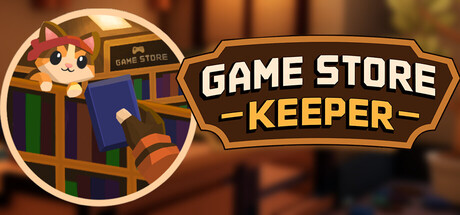 Game Store Keeper Dev only text | Generative AI was used only as a supporting tool for creating fictional game names and for language translation. | StiffGits Games | - | Sep 25, 2026 | |
 Arrow Puzzle In-game content codetext | We used generative AI during development to create parts of the game’s code and narrative content. | Al Dente Games | - | Sep 25, 2026 | |
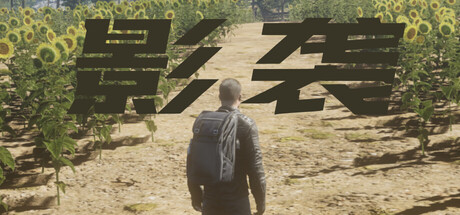 影袭 In-game content text | Utilize AI for localized translation and pre-rendering | 倍科莱游戏 | - | Sep 25, 2026 | |
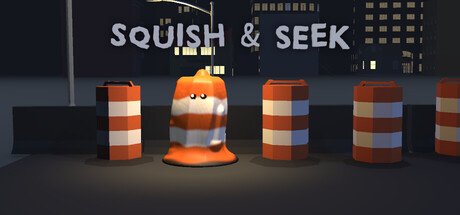 Squish & Seek textartaudio | Some of this game's user-interface text, its Korean, English, Japanese and
Simplified Chinese translations, parts of this store page, and the on-screen text
in the trailer were written with the assistance of generative AI tools, then
reviewed and edited by the developer.
All 3D models, user-interface art and sound effects are licensed from commercial
asset stores. All artwork made for this game, including the app icon, store art
and trailer, is rendered or captured from the game itself rather than produced by
an image- or video-generation model. The game does not generate any content at
runtime and does not connect to any AI service during play. | Zukunft | - | Sep 25, 2026 | |
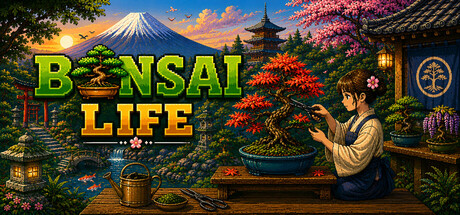 Bonsai Life In-game content art | AI has been used to create certain assets for Bonsai Life. These assets include Japanese interior models, lanterns and benches. | Alexander Johnston | - | Sep 25, 2026 | |
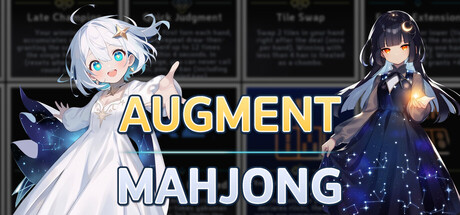 Augment Mahjong Store/marketing artcode | The developer used generative AI tools during the development process to assist in creating pre-generated 2D visual assets (such as backgrounds and promotional art) and to help generate programming code. All AI-generated content was heavily modified, curated, and reviewed by the developer to fit the game's cyberpunk setting. There is no live-generated AI content in this game. | Astral Studio | - | Sep 25, 2026 | |
 BETWEEN ROOMS In-game content audio | The game includes pre-generated content created with the help of generative AI, including some character voice lines and sound effects. | Viis | - | Sep 25, 2026 | |
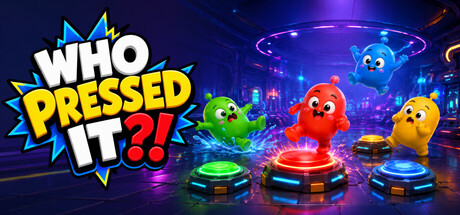 Who Pressed It?! In-game content artaudio | Generative AI tools were used during development to assist with selected promotional artwork and pre-generated voice-over audio. All AI-assisted content is created and reviewed before inclusion in the game or store materials. The game does not use generative AI during gameplay and does not generate content in real time. | Velora Studio | - | Sep 25, 2026 | |
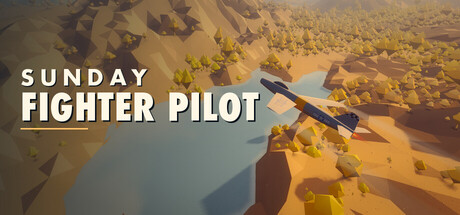 Sunday Fighter Pilot Dev only textcode | Sunday Pilot contains no AI-generated art, music, voice or in-game text.
Every visual in the game is rendered in real time from geometry and materials authored by hand in code — there are no image assets. Every sound is synthesized by the game while you play, from a physical model of the engine; no audio files ship with the game. All car data and track layouts are hand-authored.
The store page capsule art and screenshots are rendered by the game itself, using the same renderer that draws the game — they are not concept art, not painted, and not AI-generated.
The game description and other store page text were written with the assistance of an AI writing assistant, and portions of the game's source code were written with the assistance of an AI coding assistant. All of it was reviewed and edited by the developer.
The game does not use generative AI at runtime. Nothing is generated while you play, there is no network connection of any kind, and the game is fully playable offline. | nitzan.games LLC | - | Sep 25, 2026 | |
 Dungeon Descent Dev only code | AI was used to help generate code for this game. AI was not used to generate any art, ideas, or features. | Leviathan Corporation | - | Sep 25, 2026 | |
 Puzzle Whales Unclear art | Help in creating images | IR Studio | - | Sep 25, 2026 | |
 Puzzle Sharks Unclear art | Help in creating images | IR Studio | - | Sep 25, 2026 | |
 Puzzle Snakes Unclear art | Help in creating images | IR Studio | - | Sep 25, 2026 | |
 Puzzle Wild Cats Unclear art | Help in creating images | IR Studio | - | Sep 25, 2026 | |
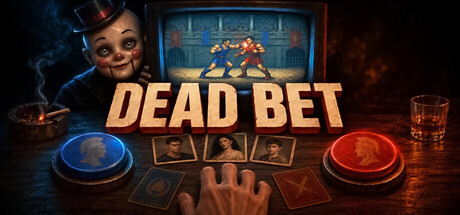 Dead Bet In-game content audioarttext | We used AI to generate initial music tracks, concept art, and temporary translations into some languages.
All materials were then thoroughly edited, reworked, and finalized by humans.
Nothing went straight from the generator into the game. | CraftCoreGames | - | Sep 25, 2026 | |
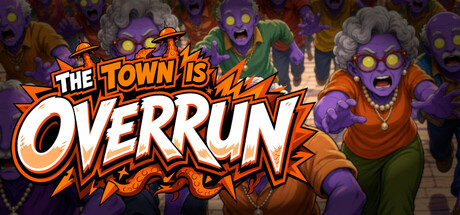 The Town is Overrun In-game content art | Generative AI tools were used during development to assist in creating some visual artwork and image assets. These images were subsequently edited and modified by the developer using image-editing software before being incorporated into the game. Other game assets include original developer-created artwork and licensed assets purchased from third-party artists/asset creators. No AI-generated content is created live during gameplay. | Lockstead Studios | - | Sep 25, 2026 | |
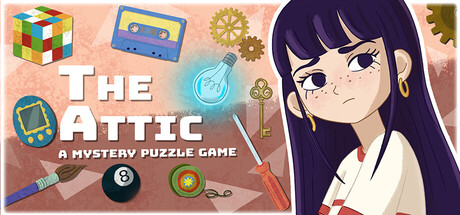 The Attic: A Mystery Puzzle Game In-game content text | Machine translation programs have been used for translations into the various languages, except for Spanish and English. | Tortita Studio | - | Sep 25, 2026 | |
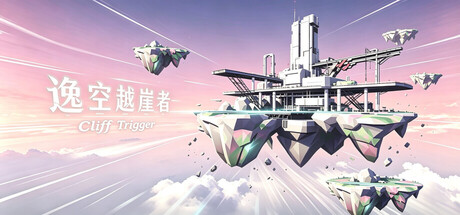 逸空越崖者 Cliff Trigger Unclear art | The relevant images have been stylized and optimized using AI. | YANG JINWEI | - | Sep 25, 2026 | |
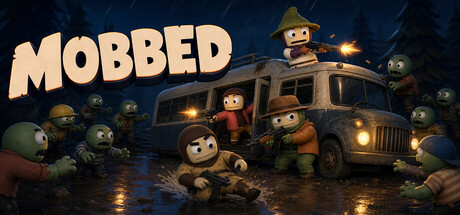 MOBBED Store/marketing art | Generative AI tools were used during development to create and refine some branding, interface artwork, and promotional images. These assets are prepared in advance; the game does not generate AI content during gameplay. | Stari Studios | - | Sep 25, 2026 | |
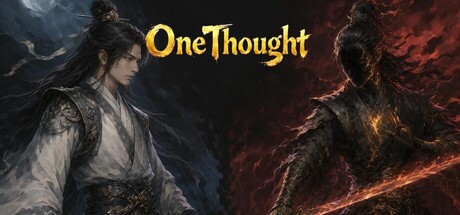 OneThought In-game content arttextaudio | This game uses generative AI to help create pre-generated content. Artwork (character art, backgrounds, card illustrations, icons) is produced with AI image generation as base material, then hand-curated, edited and integrated by the developer before it is finalized. Text is drafted with AI assistance and edited by hand. Cinematics and store videos are assembled from AI-generated footage and edited by hand. Background music and stingers are produced with AI music generation and hand-selected. The game contains no AI content generated at runtime and does not connect to any external AI service. | 一念工作室 / OneThought Studio | - | Sep 25, 2026 | |
 The Enchanted Crayon Dev only code | Only TTS voices in English.
Some fragments of the code was made with AI, but these features are invisible for the client. | Włodzimierz O. Kubera | - | Sep 25, 2026 | |
 UNIT 44 Dev only code | AI tools were used during development, including code assistance and design iteration. All creative direction, game design, and final decisions are the work of the developer. The game contains no live/runtime AI-generated content. | Tyler Selwyn | - | Sep 25, 2026 | |
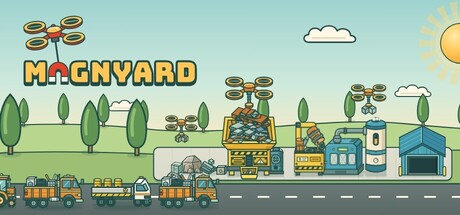 Magnyard Store/marketing textart | AI is used to proofread texts and to help ensure that visual banners for Steam are formatted correctly. | Bakogame | - | Sep 25, 2026 | |
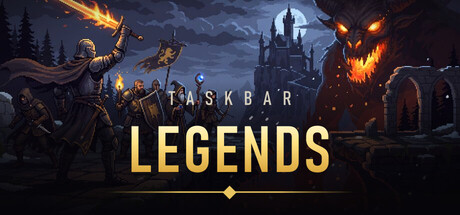 TBL: Taskbar Legends Dev only artcode | We use AI to generate combat simulation tests, placeholder artwork, and agentic workflows for game logic. AI is a tool and not something to replace humans with. A lot of human hours have been put into the game too. | Diminished Studios | - | Sep 25, 2026 | |
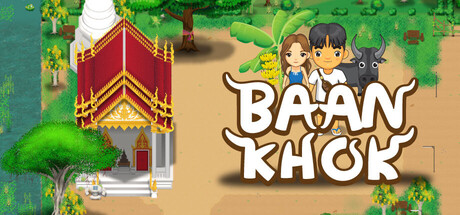 Baan Khok In-game content text | AI tools were used to help translate the game's text. All artwork, music and game design were created by the developer. | Atiwat Cotpakdee | - | Sep 25, 2026 | |
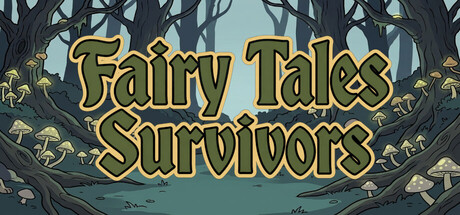 Fairy Tales Survivors Dev only art | We are relying on pre-rendered assets for proof-of-concepts, but continuously replacing these with our assets. Our plan to is replace all textures before go-live. No AI-generated music/sfx is used. | BNO Games | - | Sep 25, 2026 | |
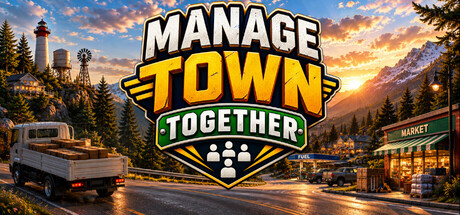 Manage Town Together In-game content arttext | We used AI tools for capsules, library assets, translations, and a limited amount of in-game textures. | Manas Games | - | Sep 25, 2026 | |
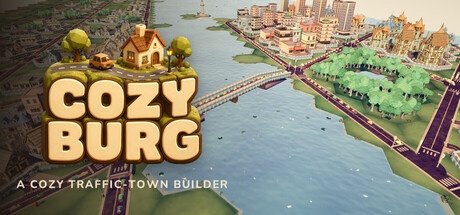 Cozy Burg In-game content artaudio | The game was 100% designed and tested by me and my kids. I did use AI tools to help create the logo, some of the 3d objects in the game (portion of the buildings) and the voice narration in the trailer. | Noise Harbor | - | Sep 25, 2026 | |
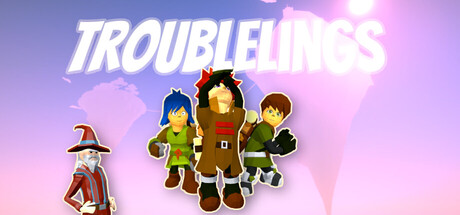 Troublelings In-game content audio | Some music tracks included in the game were created using generative AI tools by third-party music providers. These tracks are used under licenses that permit their inclusion in commercial projects.
The game's visual assets, 3D environments, characters, animations and other artwork are primarily human-created assets, including original work and commercially licensed asset packs or free asset packs.
The game does not generate AI content while running. | BRJ | - | Sep 25, 2026 | |
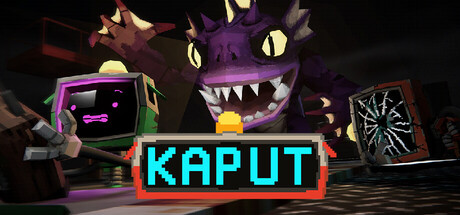 Kaput Dev only code | KAPUT is made by a small team, and we use AI coding assistants as a programming tool during development — to help write, refactor and review parts of the game's code and internal documentation. Every change is reviewed, tested and integrated by our developers, who are responsible for the final result.
The game's art, animation, music, sound design and writing are made by the team. No content is generated by AI while you play | Anima Dream | - | Sep 25, 2026 | |
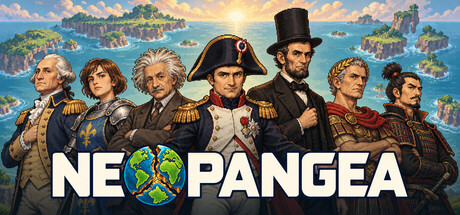 NeoPangea In-game content artaudiotext | Generative AI tools were used for selected visual assets, promotional artwork, trailer voices, and text/localization drafts. This content is pre-generated and reviewed during development. The game does not generate AI content during play or connect to an external AI service. | Lawliet | - | Sep 25, 2026 | |
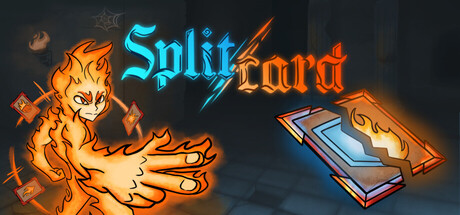 Splitcard In-game content artcode | Generative AI tools were used during development to assist with the creation of some pre-generated visual assets. AI tools were also used as development assistance for programming. No content is generated by AI during gameplay. | OctaGames | - | Sep 25, 2026 | |
 Companion Baduk In-game content arttextaudio | Generative AI has been used in the development of Companion Baduk for occasional placeholder graphics, elements of companion character backstories, the promotional trailer, and some sound effects. | Companion Baduk | - | Sep 25, 2026 | |
 OMG: Oh My Gravity In-game content text | Generative AI was used only to localize text originally written by the developer, and human review will continue up until official release. | WINDUP | - | Sep 25, 2026 | |
 Scriptura In-game content audioarttext | Scriptura uses pre-generated AI content for ambient music, sound effects, and some artwork used on the store page and in marketing. The Race Friends trailer includes AI-generated music and sound effects. Certain optional DLC texts include AI-generated translations, identified in their edition information. Scriptura does not generate AI content during gameplay or connect to an AI service while you play. | Light Burden Software | - | Sep 25, 2026 | |
 Wormhole-in-One In-game content audioarttext | Generative AI tools were used to help create some pre-made sound effects and marketing materials, including store-page text and promotional artwork. These are fixed assets prepared during development. The game does not generate AI content during gameplay; its random holes and boundaries are created by procedural game code. | Keep Making Games | - | Sep 25, 2026 | |
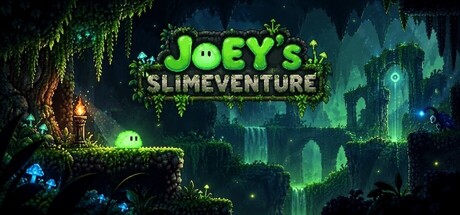 Joey's Slimeventure In-game content artcode | The announcement artwork was created with the help of generative AI.
I also use AI coding agents for debugging and development assistance.
A small number of early-access placeholder sprites were created with AI assistance as well, but these are planned to be replaced before the full release. | Joshua Pond | - | Sep 25, 2026 | |
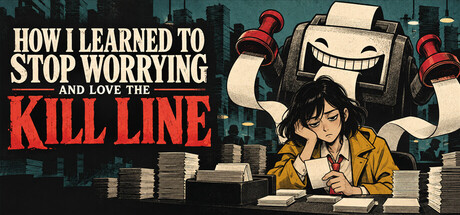 How I Learned to Stop Worrying and Love the Kill Line In-game content art | AI-assisted tools were used to assist with the creation of some in-game image assets and promotional materials. No AI-generated content is created during gameplay. | Seattle Fusion Chef | - | Sep 25, 2026 | |
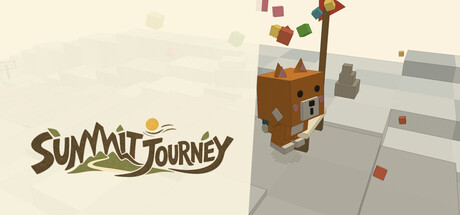 高山之旅 In-game content artaudiotext | AI-assisted programming tools were used during development to help write game code. Generative AI was also used to create or assist with portions of the artwork and logo, music, sound effects, written text, and localization in the game and its store and marketing materials. These uses take place during development and content production. The game does not use AI to generate content or code during gameplay and does not connect to external AI services during gameplay. | PANKUNHONG | - | Sep 25, 2026 | |
 Scaley Kitchen In-game content art | AI-Generated Content Disclosure
This game includes a small number of visual assets, such as certain images and food ingredient models, that were created with the assistance of generative AI. These assets have been carefully curated and refined by the development team to align with the game’s style and quality.
All core gameplay, design, player character, dragon character, and player interactions are handcrafted. | Scale Back Studios | - | Sep 25, 2026 | |
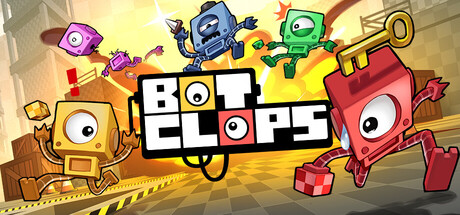 BOTCLOPS In-game content text | AI was used only for localization from English to other languages. | KytanDev | - | Sep 25, 2026 | |
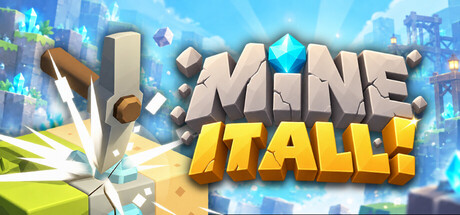 Mine It All! In-game content arttext | Generative AI was used for some game banners, localization, and a small number of in-game icons. | Golden Pick Games | - | Sep 25, 2026 | |
 VOICES LIE In-game content arttext | Some artwork, promotional images, text, and translations were created with AI assistance. | Origin Echo | - | Sep 25, 2026 | |
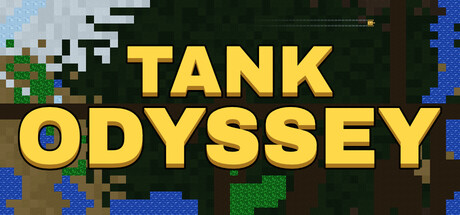 Tank Odyssey In-game content artaudio | This game is developed under the direction of an independent developer. Its core tank mechanics, combat system, UI design, and mission system were all implemented using Godot, with AI-assisted tools incorporated to improve development efficiency.
AI tools are primarily used in asset creation, including background images, vehicle images, sound effects, and UI elements.
The game’s core design philosophy, gameplay mechanics, and programming logic were all personally conceived and implemented by the developer. AI serves only as a supporting tool and is not the primary source of creation.
With the assistance of AI tools, we are able to focus more closely on gameplay and overall quality, allowing our limited resources to be invested in the most important aspects of the player experience. | px172 | - | Sep 24, 2026 | |
 Bid Master Simulator Unclear | AI-generated artifacts | BMaster | - | Sep 24, 2026 | |
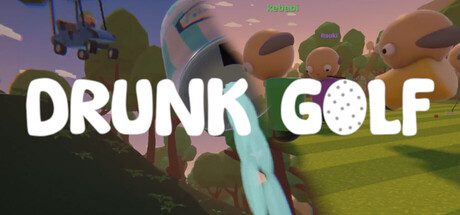 Drunk Golf In-game content artcode | Generative AI tools were used to assist with programming and debugging, and to create some occasional textures. | Thnked | - | Sep 24, 2026 | |
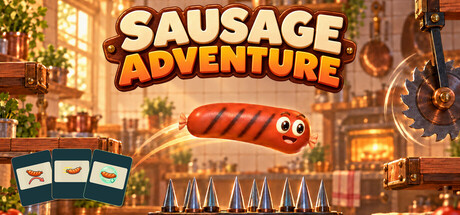 香腸大冒險 Sausage Adventure In-game content artaudiotext | AI-assisted tools were used during development to create some visual assets and textures, music and sound effects, and to assist with English localization. Generated promotional illustrations and pre-generated synthetic voice performances are also used in the Steam store materials and trailers. These assets were selected, edited and integrated during production. The game does not generate AI content while it is running. | Ladle Lantern | - | Sep 24, 2026 | |
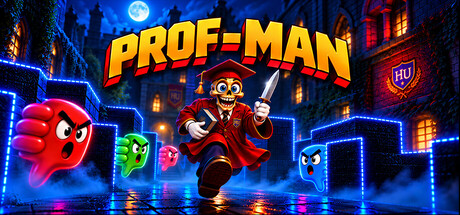 PROF-MAN In-game content artaudio | PROF-MAN contains pre-generated visual artwork and voice audio created with the assistance of generative AI tools. Visual assets were created and directed by the developer and subsequently edited and refined as part of the game's art production process. The Professor's voice was created using ElevenLabs. No AI-generated content is created during gameplay. | Prof's Arcade | - | Sep 24, 2026 |


