








Disclosure
AI was used in the generation and editing of code and to edit the script for the dialogue present in the game.
- Creator
- Sprint Jump Studio
- Reviews
- -
- Added
- Aug 24, 2026
Public Steam disclosure research 25,508 disclosures tracked
Search developers’ Steam disclosures, compare classified AI use across games, and follow recorded changes. This index adds cross-game classifications and statistics to statements published on individual store pages.
Code help, debugging and other development work.
Capsule art, trailers and promotional material.
Pre-made art, audio, writing and other game assets.
Interactive or runtime AI features disclosed by the developer.
Groups reflect automatic analysis of public disclosures; mature records are excluded. These counts do not measure AI use across all of Steam. Missing or unclear statements cannot establish whether a game uses AI.
AI was used in the generation and editing of code and to edit the script for the dialogue present in the game.
Some of the art in Spell Death was generated with an image model, then selected and edited by hand. Nothing is generated while you play.
Generative AI technologies were utilized during the development of this project in the following ways: 1. Visual Art: AI tools were used to assist in generating and optimizing certain visual assets (such as table backgrounds, card backs, and UI elements). 2. Translation: AI was used to assist in the multi-language localization of in-game text and rule descriptions.
UI Elements, sounds.
This game contains pre-generated 2D artwork and source code created with ChatGPT during development. All game source code was generated with ChatGPT, then reviewed, tested, debugged, and integrated by the developer. The artwork was generated from original prompts written for Gravefire Tavern, then reviewed, selected, edited, composited, cropped, and integrated by the developer. No generative AI runs during gameplay, and no player input is sent to an AI service.
Storepage placeholder assets
This game uses an open-source language model (Qwen2.5) bundled with the game to generate real-time NPC dialogue and ambient chatter entirely offline on the player's own machine via llama.cpp. No external server, no third-party API, and no internet connection are required. Players can toggle this feature on or off. The model runs locally using the player's CPU — no data is uploaded, collected, stored, or used for training.
Game art assets are created using AI tools.
Generative AI technology is used in a supplementary capacity during the creation of some 2D prop assets. Any such assets are replaced through our production pipeline by our art and development teams, ensuring they meet our quality standards and creative direction.
Generative AI was used to create artwork, and some sound effects. All generated content was tested automatically and reviewed by human. Background Music, and some sound effects are licensed from third-party libraries and are not AI-generated. No AI content is generated during gameplay. The game does not connect to an external AI service during gameplay, and all shipped content is finalized and static.
Crystal Keeper is made by one person. I used generative AI tools during development to help create some of the game's assets, such as artwork and music, every asset was hand-picked and integrated by me. No AI is used at runtime: nothing is generated while you play.
Generative AI tools were used during development to create or process some pre-generated voice audio and selected 2D visual assets, including stylized character and news-related images. All AI-assisted content is created before release and manually reviewed, edited, and curated by the developer before being included in the game. No generative AI runs during gameplay, and no player input or data is sent to generative AI services.
Some visual assets in the game, including certain card illustrations and UI elements, were created with the assistance of generative AI tools. These assets were generated during development and are included as pre-generated content in the game.
Text content only, all pre-generated during development and reviewed by the developer. AI assistance was used to write the in-game story text, the user interface translations for the 8 supported languages, the achievement names and descriptions, and the store page copy. Nothing is generated live at runtime and the game does not connect to any AI service. Art, sprites, capsule images, icons and the soundtrack are NOT AI-generated: they are produced by procedural scripts written by the developer and included in the project source.
NDP features some AI generated narrations, sounds effects and background music.
The in-game voiceover is generated in real-time by a text-to-speech AI model running entirely on your computer. This model only narrates built-in, pre-approved game text. None of your inputs will be sent to the AI model. The entire process runs locally offline.
Some game art was created with generative AI assistance (Grok / xAI). Design and direction by Rubbleline Games. No AI content is generated during gameplay, and the game does not call external AI services while playing.
Galithia uses generative AI during development for some concepting, visual iteration, and content support. Any AI-assisted assets or materials are reviewed, modified, and integrated by the developer, with final approval and creative direction remaining fully human-led. Gameplay systems, combat balance, encounter design, and final implementation are developer-controlled.
Generative AI was not used to create any gameplay visual nor sound asset. The only generated asset is the enhanced game logo (the game name).
Generative AI was not used to create any gameplay visual nor sound asset. The only generated asset is the enhanced game logo (the game name).
Generative AI tools were used during development to assist with programming and to create some pre-generated 2D visual assets, including icons and promotional artwork. All AI-assisted code and generated assets were reviewed, tested, edited, and integrated by the developer. No generative AI is used while the game is running, and no content is generated live.
Portions of this game's code were written with the assistance of an AI coding tool, working under the developer's direction, with all output reviewed, tested, and integrated by hand. All artwork, animation, music, and sound effects are human-created licensed assets — no AI-generated art or audio is used. The game does not generate any content with AI at runtime; computer opponents use traditional hand-written game logic.
Images and translations were enhanced using AI to improve overall quality of the game.
Symbiosis: Criticality's narrative and dialogue were developed with the assistance of generative AI as part of an iterative, human-directed writing process. All in-game art, audio, and code were authored directly by the development team.
During development, we used Google Gemini AI to assist in generating narrative elements, such as item descriptions and quest lore. While the core story and world-building were meticulously designed by our human team, AI helped us expand the depth and variety of in-game text. All AI-assisted content has been thoroughly reviewed and edited by our developers to ensure quality and consistency.
AI-assisted tools were used during the development of this game to help with portions of the programming process, the creation of some visual assets, and certain audio assets. All AI-assisted content was reviewed, refined, and integrated by the development team before release. The game does not use generative AI to create content during gameplay and does not rely on external AI services while running.
Some of the artwork in The Dawn Forge — the item, building, unit and boss illustrations — and the spoken narration lines were created using AI image and voice tools, working from the developer's own art direction and scripts, and then composed and edited by hand. Nothing is generated while you play: the game runs entirely offline and never contacts an AI service.
Load Factor's player-facing content its data, simulation, art, and text is authored by us, not generated by AI. During development we used AI-assisted coding tools to help write and review source code, in the same way modern IDEs offer AI assistance. No artwork, audio, writing, or localization shipped in the game is AI-generated, and the game does not generate any content using AI while you play.
We use generative AI to assist with writing and localizing the game's text. All art and audio are procedurally generated by our own code or sourced from CC0 libraries. No content is generated by AI in real time during gameplay.
Generative AI was used during game development to assist with programming and to create some pre-generated promotional artwork. All AI-assisted outputs were reviewed and edited by the developer before release.
I used AI as an aid for a few things: parts of the writing, the translations into French, Spanish and Italian, and some of the more complex store artwork. Everything that came out of it was reworked by hand before it went in. It isn't something I'm a fan of, but as a solo developer without a studio behind me, some things are simply out of reach otherwise.
We use AI tools to assist with some parts of development, such as localization and improving our art production workflow. All designs and creative ideas come from our team, and AI-assisted assets are reviewed and refined before being used in the game.
This game uses AI generation tools at several stages of development. - Artwork: the card illustrations and key art use images produced with AI image-generation tools. The developer selected, cropped, and adjusted the outputs — and discarded the ones that did not fit — before integrating them into the game. - Text: card flavor text and story prose were drafted with AI assistance, then edited and finalized by the developer. The world setting and narrative structure were decided by the developer. - Localization: the English text was translated with AI assistance and reviewed by the developer. No content is generated by AI while the game is running. Everything is pre-generated during development.
During development, a small number of texture assets were generated with AI assistance and have been manually modified for use as visual placeholders.
Generative AI tools were used to assist in creating select 2D artwork for this game illustrations for collectible cards, artwork for the card battle/arena scene, and the game's logo and store capsule art. All AI-assisted artwork was selected, edited, and finalized by the development team before inclusion. Generative AI was not used to create the 3D open-world environment, or other gameplay systems/mechanics. This is for the demo build, and some or all AI-assisted art may be replaced with original human-made artwork in the full release.
Some assets have been generated using AI
As an indie studio, we use generative AI to continue developing the games we love. It allows us to accomplish tasks that would otherwise be beyond our small team's capacity. Generative AI was used during the development of the game's user interface and to assist with creating parts of the game's audio. Every AI-generated asset was carefully reviewed and refined before being included in the final game.
Marketing and assets.
Fully procedural art & audio.
Generative AI tools were used during development to assist in creating some in-game visual assets, graphical assets, and store marketing artwork. All generated materials were selected, edited, adjusted, and reviewed by the developer before being included. The game does not use generative AI to generate content during gameplay.
Generative AI has been used to create some elements of the user interface, sprites, and art.
A solo dev made this game. Some of the art was created or refined with AI tools; the design, code, UI, music (using fruit loops), writing, and everything the game actually does are hand-built.
Bugs. Billions of Bugs. features artwork developed with generative AI.
Generative AI tools were used during development to assist in creating and refining some pre-generated visual assets, including selected in-game backgrounds. All AI-assisted content was reviewed, edited, and integrated by the development team. The game does not generate content using AI during gameplay.
"Generative AI tools were used during development to assist in creating a portion of the art, background assets, and UI icons. All AI-generated content was reviewed and manually refined by our team."
Generative AI was used during the development of this game to assist with programming and English localization. Generative AI was not used to create in-game assets such as images, music, or sound effects.
AI-assisted tools were used during development to help create and refine some visual assets, text, and audio content. All AI-assisted content was reviewed, edited, and curated by the developer before being included in the game. The game does not generate AI content dynamically during gameplay.
AI was used for translations.
This game was developed with the assistance of generative AI. Music, sound effects, translation, and some visual art were AI-generated, then curated and adjusted by the developer.
As a solo indie developer, I'm a programmer rather than a designer, so AI was used to assist with layout creation while I focused on building the core of the game.
| Title⇅ | Disclosure | Creator⇅ | Src | Reviews⇅ | Added↓ |
|---|---|---|---|---|---|
 ASCEND.exe In-game content text | AI was used in the generation and editing of code and to edit the script for the dialogue present in the game. | Sprint Jump Studio | - | Aug 24, 2026 | |
 Spell Death In-game content art | Some of the art in Spell Death was generated with an image model, then selected and edited by hand. Nothing is generated while you play. | Serhat Marasligil | - | Aug 24, 2026 | |
 郴州字牌:PaoHuZi In-game content arttext | Generative AI technologies were utilized during the development of this project in the following ways:
1. Visual Art: AI tools were used to assist in generating and optimizing certain visual assets (such as table backgrounds, card backs, and UI elements).
2. Translation: AI was used to assist in the multi-language localization of in-game text and rule descriptions. | Wenyu Huang | - | Aug 24, 2026 | |
 Lord of the Tiles Unclear artaudio | UI Elements, sounds. | Funzen Foundation | - | Aug 24, 2026 | |
 墓火酒館 In-game content artcode | This game contains pre-generated 2D artwork and source code created with ChatGPT during development. All game source code was generated with ChatGPT, then reviewed, tested, debugged, and integrated by the developer. The artwork was generated from original prompts written for Gravefire Tavern, then reviewed, selected, edited, composited, cropped, and integrated by the developer. No generative AI runs during gameplay, and no player input is sent to an AI service. | SynGameLab | - | Aug 24, 2026 | |
 Steeltide Unclear | Storepage placeholder assets | Tecera Games | - | Aug 24, 2026 | |
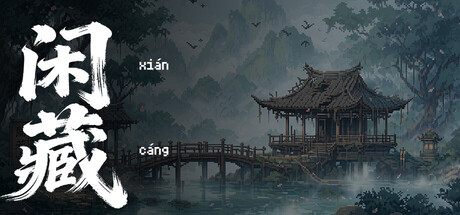 闲藏 Live AI text | This game uses an open-source language model (Qwen2.5) bundled with the game to generate real-time NPC dialogue and ambient chatter entirely offline on the player's own machine via llama.cpp. No external server, no third-party API, and no internet connection are required. Players can toggle this feature on or off. The model runs locally using the player's CPU — no data is uploaded, collected, stored, or used for training. | SUN JIANXIN | - | Aug 24, 2026 | |
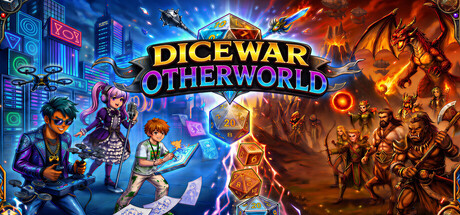 DICEWAR OTHERWORLD In-game content art | Game art assets are created using AI tools. | PLAYERSONG | - | Aug 24, 2026 | |
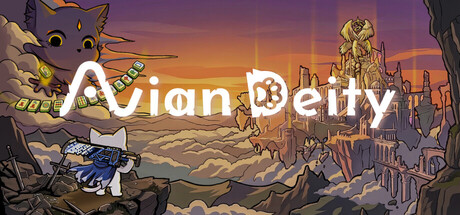 雀神·喵喵麻将 Dev only art | Generative AI technology is used in a supplementary capacity during the creation of some 2D prop assets.
Any such assets are replaced through our production pipeline by our art and development teams, ensuring they meet our quality standards and creative direction. | Cubby Studio | - | Aug 24, 2026 | |
 Breezy Blooms In-game content artaudio | Generative AI was used to create artwork, and some sound effects. All generated content was tested automatically and reviewed by human.
Background Music, and some sound effects are licensed from third-party libraries and are not AI-generated.
No AI content is generated during gameplay. The game does not connect to an external AI service during gameplay, and all shipped content is finalized and static. | EXPECTACLE | - | Aug 24, 2026 | |
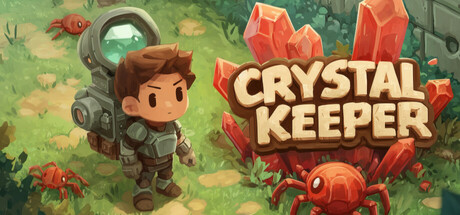 Crystal Keeper In-game content artaudio | Crystal Keeper is made by one person. I used generative AI tools during development to help create some of the game's assets, such as artwork and music, every asset was hand-picked and integrated by me. No AI is used at runtime: nothing is generated while you play. | Wombart | - | Aug 24, 2026 | |
 Money Makes Money: Historical Market Simulator In-game content audioart | Generative AI tools were used during development to create or process some pre-generated voice audio and selected 2D visual assets, including stylized character and news-related images.
All AI-assisted content is created before release and manually reviewed, edited, and curated by the developer before being included in the game.
No generative AI runs during gameplay, and no player input or data is sent to generative AI services. | DH_GameStudio | - | Aug 24, 2026 | |
 ANONYMOUS CARD (TCG) In-game content art | Some visual assets in the game, including certain card illustrations and UI elements, were created with the assistance of generative AI tools. These assets were generated during development and are included as pre-generated content in the game. | ルーたん | - | Aug 24, 2026 | |
 Neon Horde In-game content text | Text content only, all pre-generated during development and reviewed by the developer. AI assistance was used to write the in-game story text, the user interface translations for the 8 supported languages, the achievement names and descriptions, and the store page copy. Nothing is generated live at runtime and the game does not connect to any AI service. Art, sprites, capsule images, icons and the soundtrack are NOT AI-generated: they are produced by procedural scripts written by the developer and included in the project source. | Guilherme Henrique Amorin | - | Aug 24, 2026 | |
 New Dawn Protocol In-game content audio | NDP features some AI generated narrations, sounds effects and background music. | UNMS | - | Aug 24, 2026 | |
 Listening Post: Typing Tower Defense Live AI audio | The in-game voiceover is generated in real-time by a text-to-speech AI model running entirely on your computer. This model only narrates built-in, pre-approved game text. None of your inputs will be sent to the AI model. The entire process runs locally offline. | Ashen Knight Games | - | Aug 24, 2026 | |
 TDG: Tower Defense In-game content art | Some game art was created with generative AI assistance (Grok / xAI). Design and direction by Rubbleline Games. No AI content is generated during gameplay, and the game does not call external AI services while playing. | Rubbleline Games | - | Aug 23, 2026 | |
 Galithia Dev only art | Galithia uses generative AI during development for some concepting, visual iteration, and content support. Any AI-assisted assets or materials are reviewed, modified, and integrated by the developer, with final approval and creative direction remaining fully human-led. Gameplay systems, combat balance, encounter design, and final implementation are developer-controlled. | Josh Schoenberger | - | Aug 23, 2026 | |
 Admirals of Ophiuchus Store/marketing art | Generative AI was not used to create any gameplay visual nor sound asset.
The only generated asset is the enhanced game logo (the game name). | Mantegral Studio | - | Aug 23, 2026 | |
 Battleships Combat: Evolved Store/marketing art | Generative AI was not used to create any gameplay visual nor sound asset.
The only generated asset is the enhanced game logo (the game name). | Mantegral Studio | - | Aug 23, 2026 | |
 We Become Legion In-game content artcode | Generative AI tools were used during development to assist with programming and to create some pre-generated 2D visual assets, including icons and promotional artwork. All AI-assisted code and generated assets were reviewed, tested, edited, and integrated by the developer. No generative AI is used while the game is running, and no content is generated live. | Celtillos | - | Aug 23, 2026 | |
 Tiny Banners Dev only code | Portions of this game's code were written with the assistance of an AI coding tool, working under the developer's direction, with all output reviewed, tested, and integrated by hand. All artwork, animation, music, and sound effects are human-created licensed assets — no AI-generated art or audio is used. The game does not generate any content with AI at runtime; computer opponents use traditional hand-written game logic. | Gergatory Games | - | Aug 23, 2026 | |
 Roll of Chaos In-game content arttext | Images and translations were enhanced using AI to improve overall quality of the game. | Juregui | - | Aug 23, 2026 | |
 Symbiosis: Criticality In-game content text | Symbiosis: Criticality's narrative and dialogue were developed with the assistance of generative AI as part of an iterative, human-directed writing process. All in-game art, audio, and code were authored directly by the development team. | Brehmdig | - | Aug 23, 2026 | |
 Enhance Defence In-game content text | During development, we used Google Gemini AI to assist in generating narrative elements, such as item descriptions and quest lore. While the core story and world-building were meticulously designed by our human team, AI helped us expand the depth and variety of in-game text. All AI-assisted content has been thoroughly reviewed and edited by our developers to ensure quality and consistency. | jewelint | - | Aug 23, 2026 | |
 Cyber Academy In-game content artaudio | AI-assisted tools were used during the development of this game to help with portions of the programming process, the creation of some visual assets, and certain audio assets. All AI-assisted content was reviewed, refined, and integrated by the development team before release. The game does not use generative AI to create content during gameplay and does not rely on external AI services while running. | JinjaGames | - | Aug 23, 2026 | |
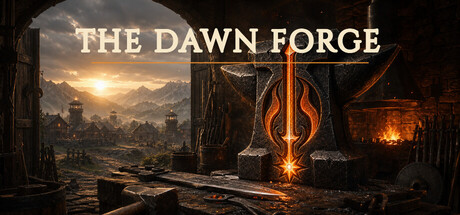 The Dawn Forge In-game content artaudio | Some of the artwork in The Dawn Forge — the item, building, unit and boss illustrations — and the spoken narration lines were created using AI image and voice tools, working from the developer's own art direction and scripts, and then composed and edited by hand. Nothing is generated while you play: the game runs entirely offline and never contacts an AI service. | Carlos | - | Aug 23, 2026 | |
 Load Factor Dev only code | Load Factor's player-facing content its data, simulation, art, and text is authored by us, not generated by AI. During development we used AI-assisted coding tools to help write and review source code, in the same way modern IDEs offer AI assistance. No artwork, audio, writing, or localization shipped in the game is AI-generated, and the game does not generate any content using AI while you play. | FlyWithTom | - | Aug 23, 2026 | |
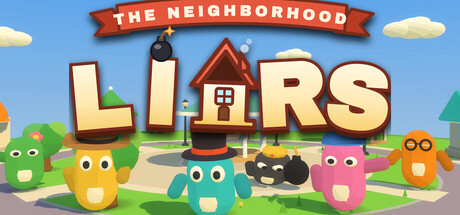 The Neighborhood Liars In-game content text | We use generative AI to assist with writing and localizing the game's text. All art and audio are procedurally generated by our own code or sourced from CC0 libraries. No content is generated by AI in real time during gameplay. | Caio Neves Sensini | - | Aug 23, 2026 | |
 读博模拟器 Store/marketing codeart | Generative AI was used during game development to assist with programming and to create some pre-generated promotional artwork. All AI-assisted outputs were reviewed and edited by the developer before release. | Jia Games | - | Aug 23, 2026 | |
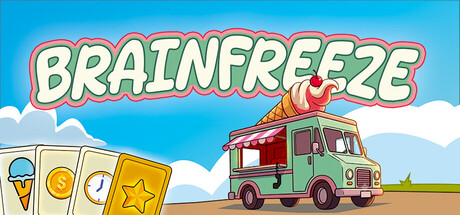 BRAINFREEZE In-game content textart | I used AI as an aid for a few things: parts of the writing, the translations into
French, Spanish and Italian, and some of the more complex store artwork. Everything
that came out of it was reworked by hand before it went in. It isn't something I'm a
fan of, but as a solo developer without a studio behind me, some things are simply out
of reach otherwise. | Flixo Games | - | Aug 23, 2026 | |
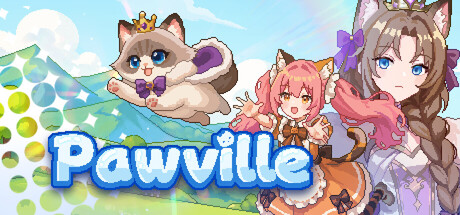 Pawville In-game content textart | We use AI tools to assist with some parts of development, such as localization and improving our art production workflow. All designs and creative ideas come from our team, and AI-assisted assets are reviewed and refined before being used in the game. | YEY Games | - | Aug 23, 2026 | |
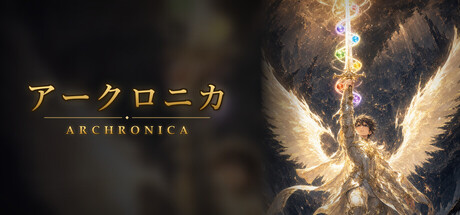 Archronica In-game content arttext | This game uses AI generation tools at several stages of development.
- Artwork: the card illustrations and key art use images produced with AI image-generation tools.
The developer selected, cropped, and adjusted the outputs — and discarded the ones that did not
fit — before integrating them into the game.
- Text: card flavor text and story prose were drafted with AI assistance, then edited and finalized
by the developer. The world setting and narrative structure were decided by the developer.
- Localization: the English text was translated with AI assistance and reviewed by the developer.
No content is generated by AI while the game is running. Everything is pre-generated during development. | Chronowa Games | - | Aug 23, 2026 | |
 T-Shirt Kingdom In-game content art | During development, a small number of texture assets were generated with AI assistance and have been manually modified for use as visual placeholders. | Paralens Vision | - | Aug 23, 2026 | |
 God Faction In-game content art | Generative AI tools were used to assist in creating select 2D artwork for this game illustrations for collectible cards, artwork for the card battle/arena scene, and the game's logo and store capsule art. All AI-assisted artwork was selected, edited, and finalized by the development team before inclusion. Generative AI was not used to create the 3D open-world environment, or other gameplay systems/mechanics. This is for the demo build, and some or all AI-assisted art may be replaced with original human-made artwork in the full release. | SagaDevs | - | Aug 23, 2026 | |
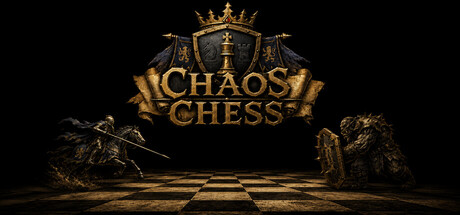 Chaos Chess Unclear | Some assets have been generated using AI | Dark Keep Studios | - | Aug 23, 2026 | |
 The Winery - Winemaking Simulator In-game content artaudio | As an indie studio, we use generative AI to continue developing the games we love. It allows us to accomplish tasks that would otherwise be beyond our small team's capacity.
Generative AI was used during the development of the game's user interface and to assist with creating parts of the game's audio. Every AI-generated asset was carefully reviewed and refined before being included in the final game. | Quasar Studio | - | Aug 23, 2026 | |
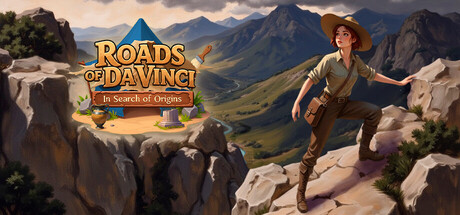 Roads of Da Vinci: In Search of Origins Unclear | Marketing and assets. | 8floor ltd | - | Aug 23, 2026 | |
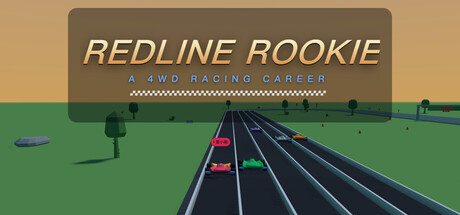 四驱车:冠军之路 Unclear artaudio | Fully procedural art & audio. | Night Garage Games | - | Aug 23, 2026 | |
 Egg to Monster In-game content art | Generative AI tools were used during development to assist in creating some in-game visual assets, graphical assets, and store marketing artwork. All generated materials were selected, edited, adjusted, and reviewed by the developer before being included. The game does not use generative AI to generate content during gameplay. | Furo-Pizza Studio | - | Aug 23, 2026 | |
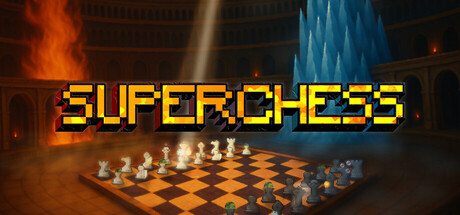 SUPERCHESS In-game content art | Generative AI has been used to create some elements of the user interface, sprites, and art. | Peach Forge Ltd | - | Aug 23, 2026 | |
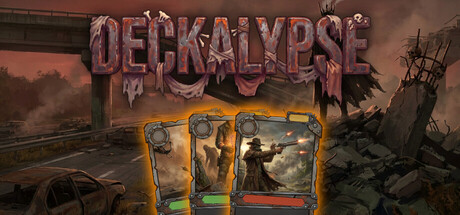 Deckalypse In-game content art | A solo dev made this game. Some of the art was created or refined with AI tools; the design, code, UI, music (using fruit loops), writing, and everything the game actually does are hand-built. | Jazzoid Studios | - | Aug 23, 2026 | |
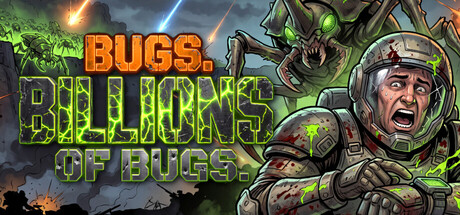 Bugs. Billions of Bugs. In-game content art | Bugs. Billions of Bugs. features artwork developed with generative AI. | Recoil Mojo | - | Aug 23, 2026 | |
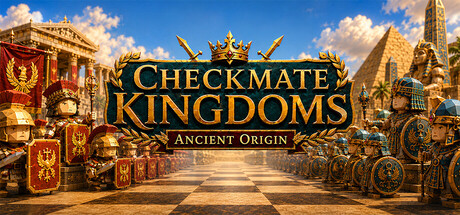 Checkmate Kingdoms: Ancient Origin In-game content art | Generative AI tools were used during development to assist in creating and refining some pre-generated visual assets, including selected in-game backgrounds. All AI-assisted content was reviewed, edited, and integrated by the development team. The game does not generate content using AI during gameplay. | SAMWOO STUDIO | - | Aug 23, 2026 | |
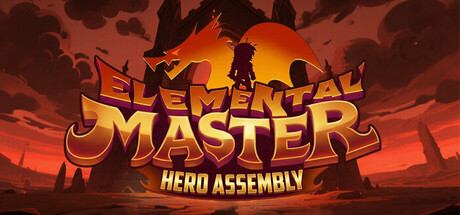 元素奇兵:英雄集结令 In-game content art | "Generative AI tools were used during development to assist in creating a portion of the art, background assets, and UI icons. All AI-generated content was reviewed and manually refined by our team." | DeepDream Studio | 62 | Aug 23, 2026 | |
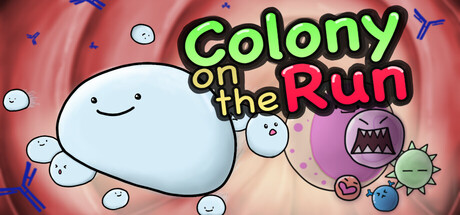 Colony on the Run In-game content codetext | Generative AI was used during the development of this game to assist with programming and English localization. Generative AI was not used to create in-game assets such as images, music, or sound effects. | TBCATGAMES | - | Aug 23, 2026 | |
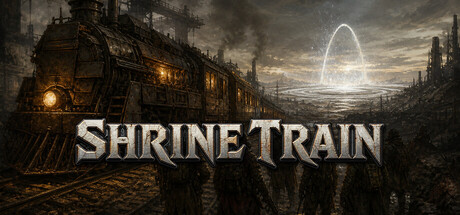 Shrine Train In-game content arttextaudio | AI-assisted tools were used during development to help create and refine some visual assets, text, and audio content. All AI-assisted content was reviewed, edited, and curated by the developer before being included in the game. The game does not generate AI content dynamically during gameplay. | ShrINe | - | Aug 23, 2026 | |
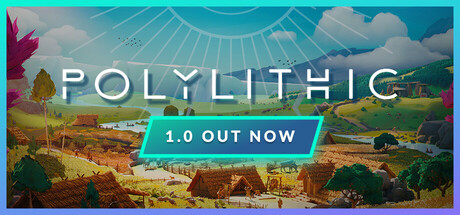 Polylithic In-game content text | AI was used for translations. | polyperfect | 152 | Aug 22, 2026 | |
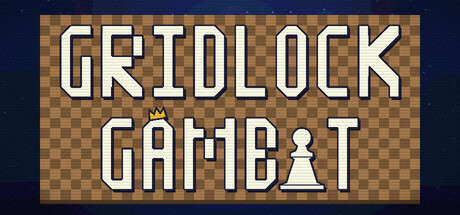 GRIDLOCK GAMBIT In-game content audioarttext | This game was developed with the assistance of generative AI. Music, sound effects, translation, and some visual art were AI-generated, then curated and adjusted by the developer. | Yossy | - | Aug 22, 2026 | |
 Empire Eleven 2026 In-game content art | As a solo indie developer, I'm a programmer rather than a designer, so AI was used to assist with layout creation while I focused on building the core of the game. | NextStation Games | - | Aug 22, 2026 |


