Public Steam disclosure research25,376 disclosures tracked
Where do games disclose AI use?
Search developers’ Steam disclosures, compare classified AI use across
games, and follow recorded changes.
This index adds cross-game classifications and statistics to
statements published on individual store pages.
Groups reflect automatic analysis of public disclosures; mature records are excluded. These counts do not measure AI use across all of Steam.
Missing or unclear statements cannot establish whether a game uses AI.
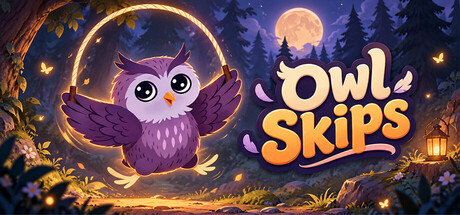
Generative AI tools were used during development to assist with visual concepting and the creation of some pre-generated art assets, including upgrade icons, rope textures, and elements of the game's logo/branding.
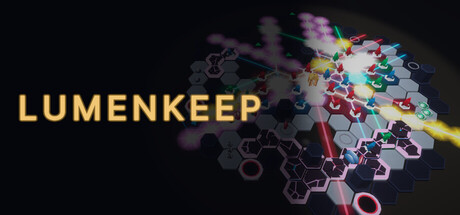
LUMENKEEP was built by a solo developer working with AI development tools. AI assisted in generating the game's code, procedural geometry, shaders, and audio during development, under direct human direction and review; there is no hand-drawn art, hand-animation, or human-recorded audio in the game. LUMENKEEP does not use AI to generate content live during gameplay, and does not connect to any third-party AI service while you play.
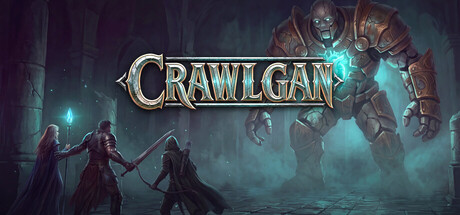
Crawlgan uses generative AI for pre-made content only. All artwork, music and sound effects in the game and on this store page were created with generative AI tools, then selected and edited by the developer. The game text and store page are translated into other languages with AI assistance. Nothing is generated by AI while you play.
The translations of this game into English, Spanish, Portuguese, Russian and Chinese were produced with the help of a large language model, working from the German original. The Spanish, Portuguese, Russian and Chinese versions are machine-made and are marked as beta inside the game. The text of this store page and the captions in the trailer were written the same way.
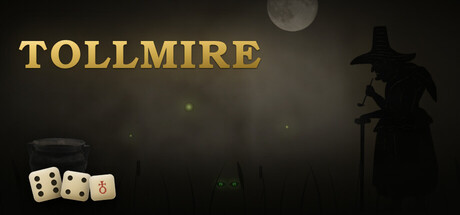
No image, no sound and no music in this game is AI-generated. The symbols come from historical alchemical plates, the witches from the Wellcome Collection, the cauldron from the Smithsonian, the reeds from an 1885 plant atlas.
The music and some of the images were created using artificial intelligence. Localization into some languages was performed using artificial intelligence.
Generative AI was used during development to create visual assets, including character illustrations, backgrounds, and UI artwork, as well as portions of the written text. The generated content was edited and adapted to fit the game's setting and presentation.
Made by an ordinary person building a game for the first time, with generative AI tools helping throughout.
The card illustrations, 3D models, music and sound effects, game code, and the localized text translated from the original Korean were all produced with AI tools. I picked through the results and edited them by hand before putting them in the game.
Everything was generated ahead of time and shipped inside the build. Nothing is generated live while you play.
The original story was written by a human author. AI was used to write AI speech in the game. It was also used in localization as a supportive tool. We gladly work with the community to bring the game to more languages.
The operator portraits in-game are procedurally drawn, but their designs were based on AI-generated reference art. The full body operators in the promo images were also AI-generated.
Generative AI assisted the creation of characters, card artwork, environments, some interface artwork, pre-rendered animations, and some narrative and localized text during development. This content was selected, edited, and reviewed in the game. Generative AI was also used to create store artwork. Music and sound effects include locally synthesized audio. The game does not use generative AI to create content during gameplay.
AI-assisted tools were used during development to create some visual assets and textures, music and sound effects, and to assist with English localization. Generated promotional illustrations and pre-generated synthetic voice performances are also used in the Steam store materials and trailers. These assets were selected, edited and integrated during production. The game does not generate AI content while it is running.
The game's art assets (tile, monster and item sprite atlases) were produced during development using OpenAI's image generation service. We then processed the output ourselves into transparent PNGs and assembled them into atlases, which ship as static assets inside the build. The game does not call any AI service at runtime and contains no live-generated content. Every generated image was manually reviewed and corrected before being added to the atlas. Apart from the art, the code, game design, balance and text involve no AI-generated content.
Generative AI was used during development to help create some visual assets and assist with development work. The resulting content was selected, edited, and integrated into the game by the developer.
AI writing assistants were used to draft and refine in-game text during development; all text has been manually proofread, edited, and verified by the developers.
Generative AI tools were used during development to assist with the localization of in-game text into multiple languages. All AI-assisted translations were reviewed, edited and integrated manually by the developer. No generative AI is used during gameplay. Visual and audio assets were not generated using AI.
Generative AI tools were used during development to create and assist with some pre-generated visual and audio assets. All AI-assisted content included in the game is reviewed, selected, and integrated by the developer. No generative AI content is created in real time during gameplay.
The audio in the game is not produced by machine learning models. The game images are divided into two categories: ① The vast majority are generated programmatically and not by machine learning models; ② The character illustrations are generated by machine learning and then selected, cropped, and post-processed by humans. The game text (environmental narration, entry descriptions, achievement descriptions) is drafted by AI with assistance and then revised by humans before being included; developers conduct fact and expression reviews of all game images and text before release. The game does not have an AI system for real-time generation of content, and player input will not be used for training or content generation.
We use our own created small local generative AI models to create Artworks in realtime. Local LLM's are used to interact with the NPC's Text based (Input / Output) in realtime.
Be aware that realtime AI can make mistakes. We put a lot of effort into to make it work properly, but there can still be issues. No external AI models needed so your data stays on your own Computer!
We generally used AI assistance to create Assets in the game, most Assets where highly edited from Human Authoring.
The game was created by strong directed human vision, so everything is unique and my own idea!
Most of if not all of the models / graphics / music you see in game is made by humans. Rare exceptions were made for some basic models (That we really liked and made a creative decision to keep). We support artists and will continue to do so so in this game and all future ones.
Twisted Survivors was designed and made by Six. Some of its art (including the store artwork), music, voice-over and the opening cinematic were created with the help of AI tools, then curated and edited by Six; nothing is generated while you play.
Generative AI tools were used during development. The 3D models of the animals, leaders, enemies and bosses, along with many environment props, started as AI-generated models, and most 2D icons started as AI-generated images. All of them were then adapted to the game's paper-doodle style. AI tools also helped write and translate the game's text. The game does not use AI to generate any content while you play.
Generative AI was used during development to create 3D models, music, sound effects, and promotional artwork, and to assist with localization, store-page text, and the implementation of game logic and code. This content and code are prepared during development. The game does not generate content or code using AI or connect to external AI services during gameplay.
This game utilized a generative AI (Google Gemini) to assist in creating certain artwork and graphical assets. All AI-generated images were manually reviewed, retouched, and finalized by the developer before being implemented into the game.
Generative AI tools were used to assist in the creation of 2D pre-rendered artwork for this game. Specifically, AI was used to generate the promotional library capsules on the store page, as well as the 2D icon graphics for the upgrade cards shown during gameplay. All AI-generated assets were reviewed and manually edited to ensure quality and consistency with the game's art style.
This game was developed with the help of AI tools. AI assisted with programming, and some pre-generated content was created with AI assistance: pixel-art visual effects, background music, Japanese and Chinese translations, and parts of the store page text. All AI-assisted content was reviewed and edited by the developer. The game does not generate any content with AI while you play.
Dicebound uses generative AI as part of the development process for some pre-generated content. This includes certain visual assets and promotional/store materials, as well as some drafting support for interface text and localization. All AI-assisted content has been reviewed, edited, and curated by the developer before being included in the game or on the store page. Dicebound does not use live generative AI during gameplay, and players cannot generate content through AI in-game.
Atharia uses generative AI tools under the developer's constant direction. The combat animations are AI-generated video clips, converted into sprites and integrated into custom-built staging. Background environments and interface elements are also created with AI assistance. Every asset is art-directed, selected and validated by the developer before it enters the game.
AI tools assisted with the game's code and some written text during development. All artwork comes from the game's own engine, being web code. The music is composed by Juhani Junkala, and nothing is generated while you play.
Generative AI was used during development. Part of the graphics (characters, enemies, bosses, icons, room backgrounds and backdrops) was created with image-generation tools: Google Gemini, OpenAI ChatGPT and a locally run Stable Diffusion model. Part of the music was created with audio-generation tools (Google Gemini). Part of the code, room layouts and texts were written with the help of an AI assistant. The developer reviewed, cut, retouched and hand-adjusted all of this material before adding it to the game. The game does not generate any AI content while it is being played.
Some of the visual assets in Twin Compass, including enemy and character illustrations, background art, and UI decoration, were created with the assistance of generative AI tools, then selected, edited, composited, and hand-tuned by the developer for use in the game. All game design, code, writing, systems, and final asset integration are human-authored. No AI is used at runtime, the game generates nothing on the player's machine and makes no external requests during play.
Generative AI tools were used during development to assist with visual concepting and the creation of some pre-generated art assets, including upgrade icons, rope textures, and elements of the game's logo/branding.
LUMENKEEP was built by a solo developer working with AI development tools. AI assisted in generating the game's code, procedural geometry, shaders, and audio during development, under direct human direction and review; there is no hand-drawn art, hand-animation, or human-recorded audio in the game. LUMENKEEP does not use AI to generate content live during gameplay, and does not connect to any third-party AI service while you play.
Crawlgan uses generative AI for pre-made content only. All artwork, music and sound effects in the game and on this store page were created with generative AI tools, then selected and edited by the developer. The game text and store page are translated into other languages with AI assistance. Nothing is generated by AI while you play.
The translations of this game into English, Spanish, Portuguese, Russian and Chinese were produced with the help of a large language model, working from the German original. The Spanish, Portuguese, Russian and Chinese versions are machine-made and are marked as beta inside the game. The text of this store page and the captions in the trailer were written the same way.
No image, no sound and no music in this game is AI-generated. The symbols come from historical alchemical plates, the witches from the Wellcome Collection, the cauldron from the Smithsonian, the reeds from an 1885 plant atlas.
The music and some of the images were created using artificial intelligence. Localization into some languages was performed using artificial intelligence.
Generative AI was used during development to create visual assets, including character illustrations, backgrounds, and UI artwork, as well as portions of the written text. The generated content was edited and adapted to fit the game's setting and presentation.
Made by an ordinary person building a game for the first time, with generative AI tools helping throughout.
The card illustrations, 3D models, music and sound effects, game code, and the localized text translated from the original Korean were all produced with AI tools. I picked through the results and edited them by hand before putting them in the game.
Everything was generated ahead of time and shipped inside the build. Nothing is generated live while you play.
The original story was written by a human author. AI was used to write AI speech in the game. It was also used in localization as a supportive tool. We gladly work with the community to bring the game to more languages.
The operator portraits in-game are procedurally drawn, but their designs were based on AI-generated reference art. The full body operators in the promo images were also AI-generated.
Generative AI assisted the creation of characters, card artwork, environments, some interface artwork, pre-rendered animations, and some narrative and localized text during development. This content was selected, edited, and reviewed in the game. Generative AI was also used to create store artwork. Music and sound effects include locally synthesized audio. The game does not use generative AI to create content during gameplay.
AI-assisted tools were used during development to create some visual assets and textures, music and sound effects, and to assist with English localization. Generated promotional illustrations and pre-generated synthetic voice performances are also used in the Steam store materials and trailers. These assets were selected, edited and integrated during production. The game does not generate AI content while it is running.
The game's art assets (tile, monster and item sprite atlases) were produced during development using OpenAI's image generation service. We then processed the output ourselves into transparent PNGs and assembled them into atlases, which ship as static assets inside the build. The game does not call any AI service at runtime and contains no live-generated content. Every generated image was manually reviewed and corrected before being added to the atlas. Apart from the art, the code, game design, balance and text involve no AI-generated content.
Generative AI was used during development to help create some visual assets and assist with development work. The resulting content was selected, edited, and integrated into the game by the developer.
AI writing assistants were used to draft and refine in-game text during development; all text has been manually proofread, edited, and verified by the developers.
Generative AI tools were used during development to assist with the localization of in-game text into multiple languages. All AI-assisted translations were reviewed, edited and integrated manually by the developer. No generative AI is used during gameplay. Visual and audio assets were not generated using AI.
Generative AI tools were used during development to create and assist with some pre-generated visual and audio assets. All AI-assisted content included in the game is reviewed, selected, and integrated by the developer. No generative AI content is created in real time during gameplay.
The audio in the game is not produced by machine learning models. The game images are divided into two categories: ① The vast majority are generated programmatically and not by machine learning models; ② The character illustrations are generated by machine learning and then selected, cropped, and post-processed by humans. The game text (environmental narration, entry descriptions, achievement descriptions) is drafted by AI with assistance and then revised by humans before being included; developers conduct fact and expression reviews of all game images and text before release. The game does not have an AI system for real-time generation of content, and player input will not be used for training or content generation.
We use our own created small local generative AI models to create Artworks in realtime. Local LLM's are used to interact with the NPC's Text based (Input / Output) in realtime.
Be aware that realtime AI can make mistakes. We put a lot of effort into to make it work properly, but there can still be issues. No external AI models needed so your data stays on your own Computer!
We generally used AI assistance to create Assets in the game, most Assets where highly edited from Human Authoring.
The game was created by strong directed human vision, so everything is unique and my own idea!
Most of if not all of the models / graphics / music you see in game is made by humans. Rare exceptions were made for some basic models (That we really liked and made a creative decision to keep). We support artists and will continue to do so so in this game and all future ones.
Twisted Survivors was designed and made by Six. Some of its art (including the store artwork), music, voice-over and the opening cinematic were created with the help of AI tools, then curated and edited by Six; nothing is generated while you play.
Generative AI tools were used during development. The 3D models of the animals, leaders, enemies and bosses, along with many environment props, started as AI-generated models, and most 2D icons started as AI-generated images. All of them were then adapted to the game's paper-doodle style. AI tools also helped write and translate the game's text. The game does not use AI to generate any content while you play.
Generative AI was used during development to create 3D models, music, sound effects, and promotional artwork, and to assist with localization, store-page text, and the implementation of game logic and code. This content and code are prepared during development. The game does not generate content or code using AI or connect to external AI services during gameplay.
This game utilized a generative AI (Google Gemini) to assist in creating certain artwork and graphical assets. All AI-generated images were manually reviewed, retouched, and finalized by the developer before being implemented into the game.
Generative AI tools were used to assist in the creation of 2D pre-rendered artwork for this game. Specifically, AI was used to generate the promotional library capsules on the store page, as well as the 2D icon graphics for the upgrade cards shown during gameplay. All AI-generated assets were reviewed and manually edited to ensure quality and consistency with the game's art style.
This game was developed with the help of AI tools. AI assisted with programming, and some pre-generated content was created with AI assistance: pixel-art visual effects, background music, Japanese and Chinese translations, and parts of the store page text. All AI-assisted content was reviewed and edited by the developer. The game does not generate any content with AI while you play.
Dicebound uses generative AI as part of the development process for some pre-generated content. This includes certain visual assets and promotional/store materials, as well as some drafting support for interface text and localization. All AI-assisted content has been reviewed, edited, and curated by the developer before being included in the game or on the store page. Dicebound does not use live generative AI during gameplay, and players cannot generate content through AI in-game.
Atharia uses generative AI tools under the developer's constant direction. The combat animations are AI-generated video clips, converted into sprites and integrated into custom-built staging. Background environments and interface elements are also created with AI assistance. Every asset is art-directed, selected and validated by the developer before it enters the game.
AI tools assisted with the game's code and some written text during development. All artwork comes from the game's own engine, being web code. The music is composed by Juhani Junkala, and nothing is generated while you play.
Generative AI was used during development. Part of the graphics (characters, enemies, bosses, icons, room backgrounds and backdrops) was created with image-generation tools: Google Gemini, OpenAI ChatGPT and a locally run Stable Diffusion model. Part of the music was created with audio-generation tools (Google Gemini). Part of the code, room layouts and texts were written with the help of an AI assistant. The developer reviewed, cut, retouched and hand-adjusted all of this material before adding it to the game. The game does not generate any AI content while it is being played.
Some of the visual assets in Twin Compass, including enemy and character illustrations, background art, and UI decoration, were created with the assistance of generative AI tools, then selected, edited, composited, and hand-tuned by the developer for use in the game. All game design, code, writing, systems, and final asset integration are human-authored. No AI is used at runtime, the game generates nothing on the player's machine and makes no external requests during play.