








Disclosure
Some art assets, sound effects and texts of this game are produced with the assistance of generative AI. No real‑time AI‑generated content will be created during gameplay.
- Creator
- XiuM
- Reviews
- -
- Added
- Sep 16, 2026
Public Steam disclosure research 25,376 disclosures tracked
Search developers’ Steam disclosures, compare classified AI use across games, and follow recorded changes. This index adds cross-game classifications and statistics to statements published on individual store pages.
Code help, debugging and other development work.
Capsule art, trailers and promotional material.
Pre-made art, audio, writing and other game assets.
Interactive or runtime AI features disclosed by the developer.
Groups reflect automatic analysis of public disclosures; mature records are excluded. These counts do not measure AI use across all of Steam. Missing or unclear statements cannot establish whether a game uses AI.
Some art assets, sound effects and texts of this game are produced with the assistance of generative AI. No real‑time AI‑generated content will be created during gameplay.
I use AI coding assistant to polish and debug the code.
Some of the content in this game was created with the help of generative AI tools. This includes parts of the visual assets (icons, textures and UI images), some audio (music and sound effects), parts of the in-game text (item descriptions, dialogue and story text), and the translations of the game's text into other languages. All of this content was generated during development, then reviewed, edited and assembled by hand before being included in the game. The game itself does not generate any content with AI while you play, and it does not send any player data to AI services.
AI tools were used to assist with some code generation All game assets were created by people or sourced from asset packs (story, art, music, etc.)
AI was used to generate the voices for cutscene. No other AI was used in the making of this product.
Some AI was used to generate marketing images and in-game content, including music and art. This game would not be possible for a 1-person studio without such tools.
An AI assistant helped write the code, the translations and the store page texts; everything was reviewed and tested by the developer. All in-game visuals and sounds are generated procedurally by the game's own code. AI is not used at runtime.
Some 3D models, UI assets and background music of the game were initially created with generative AI tools, and then fully revised, refined and adjusted manually by our development team.
Some of the music in this game was created using generative AI and is used as part of the game's soundtrack.
Some of the 3D models shipped with this game were generated with Meshy, an AI model generation tool, and then reworked by hand (retopology, rigging in Blender, hand made materials and animations). This covers the player character, the alien customers, and part of the props, weapons, vehicles and buildings. The creatures you catch were not generated with AI. No content is generated by AI while you play.
Some of this game's content was created with the assistance of generative AI tools during development: portions of the game's code, some text, and music tracks, and is reviewed by the developer before shipping. The game does not generate AI content at runtime.
The developer first created a visual guide for the character NULL. Based on that guide, Meshy AI was used to create one pre-generated 3D character model. No AI-generated content is created during gameplay. All other game content, music, audiovisual works, film, website, and Unreal Engine and Wwise systems were created by the developer.
Generative AI was used to assist in the creation of some 2D art assets.
Pre-generated AI content: TROPHY FLEET's visual assets and its synthetic character voice performances were produced using AI image and voice generation as a starting point during development. Every generated asset was then selected, chroma-keyed against a solid key background, retouched, resized and hand-aligned by the developer before shipping. Boss artwork is collision-aligned to gameplay: each visible weak point on a boss sprite corresponds to an actual targetable hitbox at that exact position. Source masters and shipped runtime assets are both retained in the project repository. The soundtrack is not AI-generated. It consists of 39 CC0-licensed music tracks, curated per world and normalized to -16 LUFS, with full attribution shipped in the game's THIRD_PARTY_NOTICES file. All game design, code, level authoring, enemy behaviour, boss mechanics and balance systems are the developer's own work. The game generates no content while it is running. It sends no player data or prompts to any AI service or any other service, requires no network connection, and functions fully offline.
Contains code written with AI assistance (like probably every other game out there by now since it's impossible to even use Google without using AI).
Generative AI tools were used to assist in the creation or editing of certain visual assets, promotional materials, cinematic elements, draft copy, and audio elements. All final outputs were reviewed and selected by the development team, and were revised where necessary before being incorporated into the game and related materials. Generative AI is not used during gameplay, and the game does not connect to any generative AI services.
AI helped me to solve complex math problem and manage the game save. some hints/tips
During the development of Spacepawn, generative AI tools were used to speed up coding, create certain in-game visuals, and assist with localization (translations). As an indie developer, AI was utilized as a support tool to fill expertise gaps in non-programming areas such as art design and translation. All AI-generated content has been carefully reviewed and edited by us to ensure it aligns perfectly with the game's overall vision and integrity.
Images, and some sounds are generated via ai.
Development used generative AI tools to create pre-generated visual assets: seven battlefield and escalation backgrounds, twenty-six combat-art atlases, and one progression-card atlas (34 bitmap files total). AI tools also helped translate the store page and in-game text from the original, manually written English into eight languages. All generated content is pre-generated and curated; the game does not generate content while running. No third-party logos, characters, or source art were used as image-generation references.
Some images were created using existing game assets, which were then reworked with AI to enhance the sense of space and atmosphere.
The store page header and the asteroids in game used the AI generated arts.
The images currently used on the Steam store page, including the capsule art, were generated using AI. All of these images will be replaced with final, original artwork when the game demo is released. No AI-generated assets are used in the game itself.
Ai-assisted tools were used during development for programming support. Some visuals and audio were created through developer-directed, deterministic code and exported as fixed assets—not generated by image, video, or audio models. Screenshots and trailers show actual gameplay footage.
Some of the game's artwork — environments, ships, collectible objects — was created with the help of generative AI tools, then reworked, cropped and integrated by hand by the developer.
Some store artwork and marketing materials were created with the assistance of generative AI tools. These are pre-generated static assets; no AI content is generated in real time during gameplay.
Starflare Dominion uses generative AI in two ways. Some visual assets, music, and sound effects were created with assistance from generative AI tools and were selected, edited, processed, and integrated by Whimstead LLC. During Story play, hosted OpenAI models may generate bounded narrative text, including pilot backgrounds, quotes, Cantina news, Old Man Rich stories, campaign consequences, and final legends. Players do not directly prompt an unrestricted chatbot. Generated text is checked by structured rules and validators, with retries and curated local fallback content when needed.
Parts of this game's text were created with the assistance of generative AI: the translation of the interface into several of its 13 supported languages, and portions of the store page text. All in-game art, music and sound effects are procedurally generated by hand-written code, not by AI, and no AI-generated content is created while you play.
it was created with AI assistance
游戏开发期间借助 Claude 大模型辅助完成部分代码撰写与逻辑梳理,部分 UI 界面、动画视觉素材使用 AI 工具辅助创作。游戏整体玩法框架、核心业务逻辑、数值策划全部由开发者独立设计与校验。 游戏正式运行时不会联网访问任何 AI 服务,不会在游戏内实时生成任何玩家可见内容。
AI tools were used to help create some in game assets. In all such cases, the final product reflects our team’s craft and creative vision.
Some pre-rendered art assets (enemy and background artwork) and localization were created with generative AI tools under human direction, then manually cleaned up and integrated by the developers. Development used AI-assisted coding tools. No content is AI-generated at runtime.
Some of the game’s visual assets were created with the assistance of AI tools. All music featured in the game was created by human artists and is not AI-generated.
Artificial intelligence was only used to create Steam store designs and cover art.
Quiet Sky uses generative AI during gameplay to simulate evolving societies and create narrative observation reports, summaries, Companion responses, and optional report illustrations based on the current simulation and the player’s decisions. The Steam desktop edition runs the included generative models locally on the player’s computer. Generated results vary between campaigns.
This game uses generative AI in a limited capacity on the game server in real time. The AI is used solely to generate narrative text: mission names and descriptions, in-world news broadcasts, and some NPC dialogue. All game logic — including mission mechanics, rewards, and balance — is governed by deterministic code and is never decided by AI. If the AI service is unavailable, the game automatically falls back to pre-written text templates. Portions of imagery were produced with the assistance of generative AI.
The game uses AI for generating the assets
The game's art and sound are drawn and synthesised in code at runtime rather than shipped as asset files, and that code was written with AI coding assistance under human direction. No AI runs while the game is playing. The soundtrack is licensed human-authored works.
All pre-rendered visual artwork was created using generative AI under developer direction. This includes environment backgrounds, interface and menu artwork, branding, icons, and promotional/title-card images.
An AI coding assistant was used while developing Orrery to write and review source code, and to draft the text of this store page. No artwork, audio, or in-app content is AI-generated: the planetary surface maps are re-projected NASA and USGS imagery from Solar System Scope, every position is computed from published JPL and Hipparcos data, and the store images are captured from the running program by a script. Nothing is generated by AI while the program runs.
Generative AI tools were used during the development process to assist with writing script dialogues and to generate background music and songs for the game. All AI assets were pre-generated prior to release, and no AI content is generated in real time during gameplay.
Generative AI tools were used to create and refine selected promotional artwork for the Steam store page. All resulting materials were reviewed and curated by the developer. The game does not generate AI content during gameplay or connect to external AI services.
Generative AI was used as an assistive tool during the development of ASTROLANDER. It helped accelerate certain prototyping phases, explore concept art ideas, and experiment with programming solutions. All assets integrated into the game were modified or recreated by the developer to align with the project's art direction and gameplay.
The majority of this game is hand-coded. AI support was used to generate code for CPU player states, modify/rearrange UI elements, create custom shaders, and generate the main menu background image.
AI-assisted translation was used in the localization of the game text.
Some 2D art assets in this game — including UI textures, item icons, and the title and loading screens — were created with the help of generative AI tools and then hand-edited for use in the game. All game design, simulation systems, and gameplay logic are authored and directed by the developer. No content is generated by AI while the game is running.
Using AI to generate promotional images
Generative AI was used to create some pre-rendered marketing artwork for the Steam store page and to assist with drafting and translating store-page text. No generative AI content is generated during gameplay.
The ship and part artwork was generated with AI, then hand-edited and traced by me into the sprites and collision shapes the game actually uses. Nothing generative runs while you play. There is no AI service wired into the build, and the game never calls one. The music is licensed from real artists, and the sound effects come out of a script I wrote. Neither is AI. I want to replace the AI art with work from real artists before Early Access ends. I am not going to promise a date for that, but it is what I am working toward.
Towards the end of development, we used modern tools to find bugs faster and further improve the player experience. Some graphics are still temporary and will be replaced with original artwork before the full release. These tools will continue to support testing, bug hunting, and technical optimization.
| Title⇅ | Disclosure | Creator⇅ | Src | Reviews⇅ | Added↓ |
|---|---|---|---|---|---|
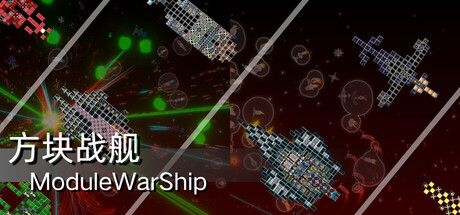 方块战舰: Module Warship In-game content artaudiotext | Some art assets, sound effects and texts of this game are produced with the assistance of generative AI. No real‑time AI‑generated content will be created during gameplay. | XiuM | - | Sep 16, 2026 | |
 RemoteSpace: First Settlement Dev only code | I use AI coding assistant to polish and debug the code. | ShadowDev | - | Sep 15, 2026 | |
 Warpscape In-game content artaudiotext | Some of the content in this game was created with the help of generative AI tools.
This includes parts of the visual assets (icons, textures and UI images), some audio
(music and sound effects), parts of the in-game text (item descriptions, dialogue and
story text), and the translations of the game's text into other languages.
All of this content was generated during development, then reviewed, edited and
assembled by hand before being included in the game. The game itself does not generate
any content with AI while you play, and it does not send any player data to AI services. | Yevhenii Mykhailichenko | - | Sep 15, 2026 | |
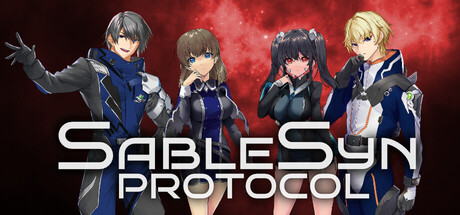 SableSyn Protocol Dev only code | AI tools were used to assist with some code generation
All game assets were created by people or sourced from asset packs (story, art, music, etc.) | Lamby Wamy Games | - | Sep 14, 2026 | |
 Surf Academy In-game content audio | AI was used to generate the voices for cutscene. No other AI was used in the making of this product. | Hunter Kelly | - | Sep 14, 2026 | |
 The Vessel In-game content artaudio | Some AI was used to generate marketing images and in-game content, including music and art.
This game would not be possible for a 1-person studio without such tools. | Fist Pump Games | - | Sep 13, 2026 | |
 Trampoline to Tomorrow In-game content codetext | An AI assistant helped write the code, the translations and the store page texts; everything was reviewed and tested by the developer. All in-game visuals and sounds are generated procedurally by the game's own code. AI is not used at runtime. | Solvyndra | - | Sep 13, 2026 | |
 Pig Up In-game content artaudio | Some 3D models, UI assets and background music of the game were initially created with generative AI tools, and then fully revised, refined and adjusted manually by our development team. | MinghanWang | - | Sep 13, 2026 | |
 Zero Castle In-game content audio | Some of the music in this game was created using generative AI and is used as part of the game's soundtrack. | Solodevdo | - | Sep 13, 2026 | |
 Spotage In-game content art | Some of the 3D models shipped with this game were generated with Meshy, an AI model generation tool, and then reworked by hand (retopology, rigging in Blender, hand made materials and animations). This covers the player character, the alien customers, and part of the props, weapons, vehicles and buildings. The creatures you catch were not generated with AI. No content is generated by AI while you play. | CryDream | - | Sep 13, 2026 | |
 ONE FLEET In-game content arttextaudio | Some of this game's content was created with the assistance of generative AI tools during development: portions of the game's code, some text, and music tracks, and is reviewed by the developer before shipping. The game does not generate AI content at runtime. | LuckyLion | - | Sep 13, 2026 | |
 INTERSECTION I In-game content art | The developer first created a visual guide for the character NULL. Based on that guide, Meshy AI was used to create one pre-generated 3D character model. No AI-generated content is created during gameplay. All other game content, music, audiovisual works, film, website, and Unreal Engine and Wwise systems were created by the developer. | Emile Lee | - | Sep 12, 2026 | |
 The Stars Are Never Still In-game content art | Generative AI was used to assist in the creation of some 2D art assets. | Sojourner. Game | - | Sep 12, 2026 | |
 TROPHY FLEET In-game content artaudio | Pre-generated AI content: TROPHY FLEET's visual assets and its synthetic character voice performances were produced using AI image and voice generation as a starting point during development. Every generated asset was then selected, chroma-keyed against a solid key background, retouched, resized and hand-aligned by the developer before shipping. Boss artwork is collision-aligned to gameplay: each visible weak point on a boss sprite corresponds to an actual targetable hitbox at that exact position. Source masters and shipped runtime assets are both retained in the project repository.
The soundtrack is not AI-generated. It consists of 39 CC0-licensed music tracks, curated per world and normalized to -16 LUFS, with full attribution shipped in the game's THIRD_PARTY_NOTICES file.
All game design, code, level authoring, enemy behaviour, boss mechanics and balance systems are the developer's own work.
The game generates no content while it is running. It sends no player data or prompts to any AI service or any other service, requires no network connection, and functions fully offline. | Windvix Games | - | Sep 12, 2026 | |
 Fortress Full Fury Dev only code | Contains code written with AI assistance (like probably every other game out there by now since it's impossible to even use Google without using AI). | kerntief | - | Sep 12, 2026 | |
 Vector Quake In-game content arttextaudio | Generative AI tools were used to assist in the creation or editing of certain visual assets, promotional materials, cinematic elements, draft copy, and audio elements.
All final outputs were reviewed and selected by the development team, and were revised where necessary before being incorporated into the game and related materials.
Generative AI is not used during gameplay, and the game does not connect to any generative AI services. | J2M | - | Sep 12, 2026 | |
 GEOMETRY NEXUS Dev only | AI helped me to solve complex math problem and manage the game save.
some hints/tips | SergioK | - | Sep 12, 2026 | |
 SpacePawn In-game content arttextcode | During the development of Spacepawn, generative AI tools were used to speed up coding, create certain in-game visuals, and assist with localization (translations). As an indie developer, AI was utilized as a support tool to fill expertise gaps in non-programming areas such as art design and translation. All AI-generated content has been carefully reviewed and edited by us to ensure it aligns perfectly with the game's overall vision and integrity. | Null Box Games | - | Sep 12, 2026 | |
 UFO Survival In-game content artaudio | Images, and some sounds are generated via ai. | Coppolo Studios | - | Sep 12, 2026 | |
 Neon Endstate In-game content arttext | Development used generative AI tools to create pre-generated visual assets: seven battlefield and escalation backgrounds, twenty-six combat-art atlases, and one progression-card atlas (34 bitmap files total). AI tools also helped translate the store page and in-game text from the original, manually written English into eight languages. All generated content is pre-generated and curated; the game does not generate content while running. No third-party logos, characters, or source art were used as image-generation references. | Kasperzack Games | - | Sep 12, 2026 | |
 Project Nebula In-game content art | Some images were created using existing game assets, which were then reworked with AI to enhance the sense of space and atmosphere. | MK_Games | - | Sep 12, 2026 | |
 StellaCore: Mining Odyssey In-game content art | The store page header and the asteroids in game used the AI generated arts. | Gonga Games | - | Sep 12, 2026 | |
 Below the Crust Store/marketing art | The images currently used on the Steam store page, including the capsule art, were generated using AI. All of these images will be replaced with final, original artwork when the game demo is released.
No AI-generated assets are used in the game itself. | Be Water | - | Sep 11, 2026 | |
 Atom By Atom Dev only artaudiocode | Ai-assisted tools were used during development for programming support. Some visuals and audio were created through developer-directed, deterministic code and exported as fixed assets—not generated by image, video, or audio models. Screenshots and trailers show actual gameplay footage. | FurkanFS | - | Sep 10, 2026 | |
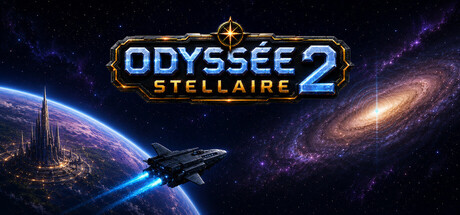 Odyssée Stellaire 2 In-game content art | Some of the game's artwork — environments, ships, collectible objects — was created with the help of generative AI tools, then reworked, cropped and integrated by hand by the developer. | Exe.ye Loading | - | Sep 10, 2026 | |
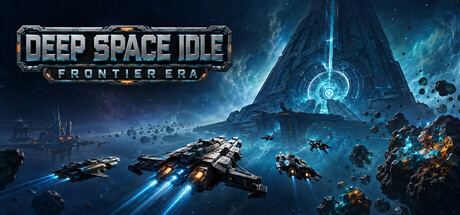 深空放置:边疆纪元 Store/marketing art | Some store artwork and marketing materials were created with the assistance of generative AI tools. These are pre-generated static assets; no AI content is generated in real time during gameplay. | 音速工业 | - | Sep 10, 2026 | |
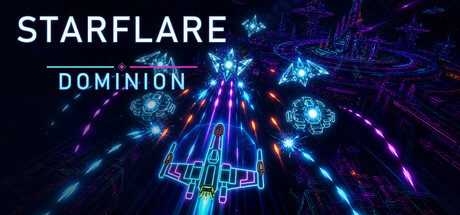 Starflare Dominion Live AI artaudiotext | Starflare Dominion uses generative AI in two ways. Some visual assets, music, and sound effects were created with assistance from generative AI tools and were selected, edited, processed, and integrated by Whimstead LLC. During Story play, hosted OpenAI models may generate bounded narrative text, including pilot backgrounds, quotes, Cantina news, Old Man Rich stories, campaign consequences, and final legends. Players do not directly prompt an unrestricted chatbot. Generated text is checked by structured rules and validators, with retries and curated local fallback content when needed. | Whimstead LLC | - | Sep 10, 2026 | |
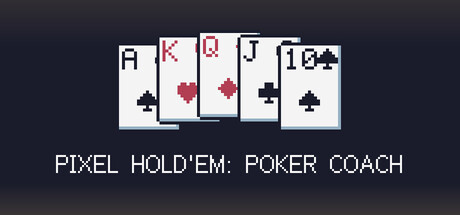 Pixel Hold'em: Poker Coach In-game content text | Parts of this game's text were created with the assistance of generative AI: the translation of the interface into several of its 13 supported languages, and portions of the store page text. All in-game art, music and sound effects are procedurally generated by hand-written code, not by AI, and no AI-generated content is created while you play. | Antai Games | - | Sep 10, 2026 | |
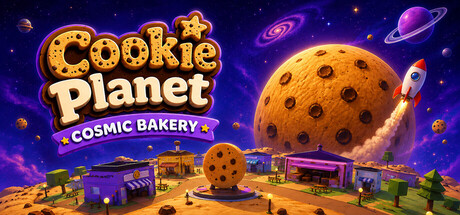 cookie planet: cosmic bakery Unclear | it was created with AI assistance | Luka Yeaman | - | Sep 10, 2026 | |
 Dyson:DesktopFactory In-game content artcode | 游戏开发期间借助 Claude 大模型辅助完成部分代码撰写与逻辑梳理,部分 UI 界面、动画视觉素材使用 AI 工具辅助创作。游戏整体玩法框架、核心业务逻辑、数值策划全部由开发者独立设计与校验。
游戏正式运行时不会联网访问任何 AI 服务,不会在游戏内实时生成任何玩家可见内容。 | XRT | - | Sep 10, 2026 | |
 Solar Imperium In-game content artaudiotext | AI tools were used to help create some in game assets. In all such cases, the final product reflects our team’s craft and creative vision. | Node One Digital | - | Sep 9, 2026 | |
 Last Haul In-game content arttext | Some pre-rendered art assets (enemy and background artwork) and localization were created with generative AI tools under human direction, then manually cleaned up and integrated by the developers. Development used AI-assisted coding tools. No content is AI-generated at runtime. | Eryk Włoszczyński | - | Sep 9, 2026 | |
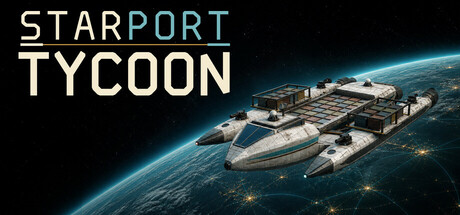 Starport Tycoon In-game content art | Some of the game’s visual assets were created with the assistance of AI tools.
All music featured in the game was created by human artists and is not AI-generated. | Michael Blum | - | Sep 9, 2026 | |
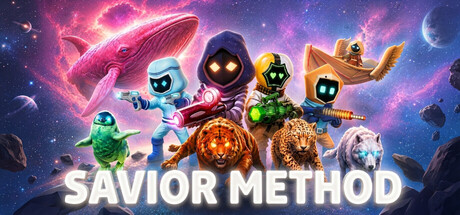 Savior Method Store/marketing art | Artificial intelligence was only used to create Steam store designs and cover art. | Savior Method | - | Sep 8, 2026 | |
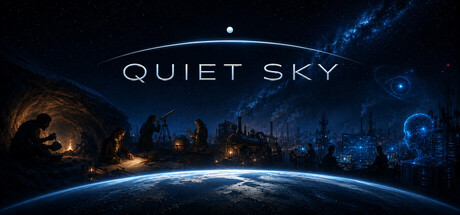 Quiet Sky Live AI text | Quiet Sky uses generative AI during gameplay to simulate evolving societies and create narrative observation reports, summaries, Companion responses, and optional report illustrations based on the current simulation and the player’s decisions. The Steam desktop edition runs the included generative models locally on the player’s computer. Generated results vary between campaigns. | Divyanth Jayaraj | - | Sep 7, 2026 | |
 Astravek Live AI textart | This game uses generative AI in a limited capacity on the game server in real time. The AI is used solely to generate narrative text: mission names and descriptions, in-world news broadcasts, and some NPC dialogue. All game logic — including mission mechanics, rewards, and balance — is governed by deterministic code and is never decided by AI. If the AI service is unavailable, the game automatically falls back to pre-written text templates.
Portions of imagery were produced with the assistance of generative AI. | Moonpixelgames | - | Sep 7, 2026 | |
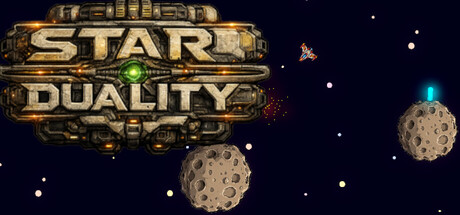 Star Duality In-game content art | The game uses AI for generating the assets | Sjerrul | - | Sep 7, 2026 | |
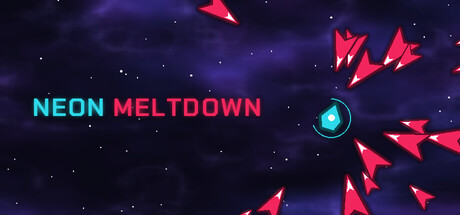 Neon Meltdown Dev only artaudiocode | The game's art and sound are drawn and synthesised in code at runtime rather than shipped as asset files, and that code was written with AI coding assistance under human direction. No AI runs while the game is playing. The soundtrack is licensed human-authored works. | Living Skies Interactive | - | Sep 6, 2026 | |
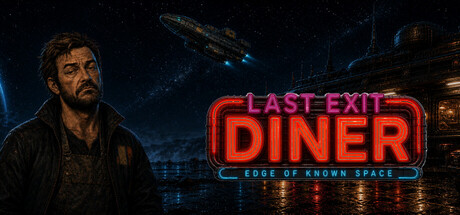 Last Exit Diner: Edge of Known Space In-game content art | All pre-rendered visual artwork was created using generative AI under developer direction. This includes environment backgrounds, interface and menu artwork, branding, icons, and promotional/title-card images. | Last Exit Diner | - | Sep 6, 2026 | |
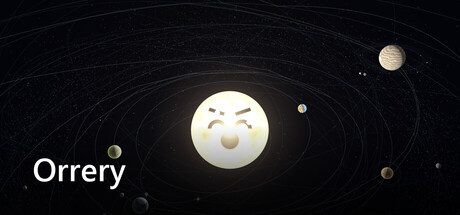 Orrery: Live Solar System Wallpaper Store/marketing codetext | An AI coding assistant was used while developing Orrery to write and review source code, and to draft the text of this store page. No artwork, audio, or in-app content is AI-generated: the planetary surface maps are re-projected NASA and USGS imagery from Solar System Scope, every position is computed from published JPL and Hipparcos data, and the store images are captured from the running program by a script. Nothing is generated by AI while the program runs. | plawanzz | - | Sep 6, 2026 | |
 BIG BANG TO US In-game content textaudio | Generative AI tools were used during the development process to assist with writing script dialogues and to generate background music and songs for the game. All AI assets were pre-generated prior to release, and no AI content is generated in real time during gameplay. | phyilm | - | Sep 6, 2026 | |
 Domeni Store/marketing art | Generative AI tools were used to create and refine selected promotional artwork for the Steam store page. All resulting materials were reviewed and curated by the developer. The game does not generate AI content during gameplay or connect to external AI services. | Pineapple Heaven Studios | - | Sep 6, 2026 | |
 Astrolander Dev only artcode | Generative AI was used as an assistive tool during the development of ASTROLANDER. It helped accelerate certain prototyping phases, explore concept art ideas, and experiment with programming solutions. All assets integrated into the game were modified or recreated by the developer to align with the project's art direction and gameplay. | SpaghetGames | - | Sep 6, 2026 | |
 Moon Basketball In-game content codeart | The majority of this game is hand-coded. AI support was used to generate code for CPU player states, modify/rearrange UI elements, create custom shaders, and generate the main menu background image. | ZenChild | - | Sep 6, 2026 | |
 Bullets and Mods In-game content text | AI-assisted translation was used in the localization of the game text. | YYYANG | - | Sep 6, 2026 | |
 Valley of Stability In-game content art | Some 2D art assets in this game — including UI textures, item icons, and the title and loading screens — were created with the help of generative AI tools and then hand-edited for use in the game. All game design, simulation systems, and gameplay logic are authored and directed by the developer. No content is generated by AI while the game is running. | Filip Pancik | - | Sep 5, 2026 | |
 无人放置 Store/marketing art | Using AI to generate promotional images | ELEES Studio | - | Sep 4, 2026 | |
 VALTERION: THE LOST EARTH In-game content arttext | Generative AI was used to create some pre-rendered marketing artwork for the Steam store page and to assist with drafting and translating store-page text. No generative AI content is generated during gameplay. | NeuroCore Game Design | - | Sep 4, 2026 | |
 Armada Ascendant In-game content art | The ship and part artwork was generated with AI, then hand-edited and traced by me into the sprites and collision shapes the game actually uses.
Nothing generative runs while you play. There is no AI service wired into the build, and the game never calls one.
The music is licensed from real artists, and the sound effects come out of a script I wrote. Neither is AI.
I want to replace the AI art with work from real artists before Early Access ends. I am not going to promise a date for that, but it is what I am working toward. | aeronothis | - | Sep 4, 2026 | |
 VOID CLICKER: Infinite Prestige Dev only | Towards the end of development, we used modern tools to find bugs faster and further improve the player experience. Some graphics are still temporary and will be replaced with original artwork before the full release. These tools will continue to support testing, bug hunting, and technical optimization. | TrashPanda Interactive | - | Sep 4, 2026 |


