Public Steam disclosure research25,508 disclosures tracked
Where do games disclose AI use?
Search developers’ Steam disclosures, compare classified AI use across
games, and follow recorded changes.
This index adds cross-game classifications and statistics to
statements published on individual store pages.
Groups reflect automatic analysis of public disclosures; mature records are excluded. These counts do not measure AI use across all of Steam.
Missing or unclear statements cannot establish whether a game uses AI.
Generative AI was used during development to create certain promotional artwork and some environmental background art. All gameplay mechanics, programming, level design, characters, animations, UI, and game systems were created and curated by the developer. The game does not use live-generated AI content during gameplay.
We use generative AI tools during the pre-production phase to create specific pre-rendered assets for the final game build. Specifically, AI assistance was utilized to generate elements of the instrumental soundtrack, ambient sound effects, and select minor environment/prop assets within the game world. No AI content is generated live or dynamically during gameplay, and all assets have been thoroughly reviewed to ensure they do not infringe on existing copyrights.
Generative AI tools were used during development to assist with portions of programming and to create selected pre-generated audio and visual assets. These include some character and commentator voice lines and branding artwork. All AI-assisted content was reviewed and integrated by the developer. No generative AI runs during gameplay, and no player input or personal data is sent to AI services.
Some environment and concept art in Stick Together was created with the help of generative AI tools, then edited and approved by our team. All visuals are fixed at release, and players cannot generate their own AI content in‑game.
Some store page artwork (capsules, library images, and promotional visuals) was created with the assistance of generative AI tools and edited by the developer.
Select in-game art assets were also created with AI-assisted tools during development and integrated into the game as pre-made content.
Gameplay is built in Unreal Engine. In-game content is not generated by AI during play.
Generative AI was occasionally used to prototype assets and give ideas\reference for assets. It was also occasionally used to generate normal maps on textures I had created. Sometimes this had disastrous results.
Some graphical elements of the user interface (menus, icons, and buttons), as well as store page assets (capsule images, header, and screenshots containing generated elements), were created with the assistance of generative AI tools and manually reviewed and edited by the developer
Generative AI was used during development to assist with the creation of certain visual assets, localization, and store page materials. All AI-generated content has been reviewed, edited, and integrated by the developer. The game does not generate content with AI at runtime.
Generative AI was used as an assistive tool during development and for localization support. All such content was reviewed and edited by the developer before inclusion. The game does not generate AI content live during gameplay.
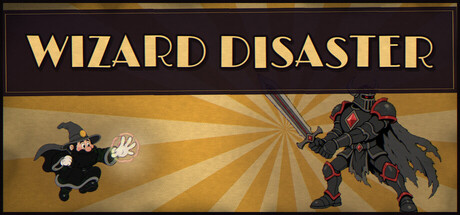
Wizard Disaster was made by a solo developer, using generative AI tools as part of the production pipeline.
Art. Character, boss and background artwork, and the source frames the animations are built from, were produced with generative image and video tools. Everything was then cut, keyed, aligned, retimed and composited by hand into the sheets the game actually plays. The generated output is the raw material, not the finished asset. Concept passes were made the same way.
Audio. The music and most of the sound effects were generated with Suno, then trimmed, pitched, levelled and fitted to the length of the action each one accompanies. Not all of the audio is generated: a number of the effects are synthesised procedurally in code from a 1930s orchestra-pit palette, and the wizard's own voice (his cries and shouts) are human recordings.
Code. Generative AI was used as a programming assistant during development, and to build and run the automated test harnesses that measure boss pacing, damage output and medal times. Those harnesses are development-only tooling and are not part of the shipped game.
The game contains no live-generated AI content. Nothing is generated while you play, and the game makes no network or AI service calls at runtime.
We used Gemini AI during the development process to assist in generating some ambient background music tracks. Additionally, AI tools were used for minor assistance in refining some visual components and lighting enhancements for marketing assets. All components have been carefully curated, hand-edited, and integrated by the developer to comply with Steam's content policies.
Some of the music in this game was created using generative AI tools. All other content — art, animation, writing and design — is made without generative AI.
Pre-generated AI tools were used during development to create some 2D visual assets, including in-game sprites, the application icon, and promotional artwork used on the Steam store page. AI tools also assisted with some English and Japanese text and localization. All outputs were reviewed and, where necessary, edited by the developer before being included. The game does not generate AI content during gameplay and does not connect to external AI services.
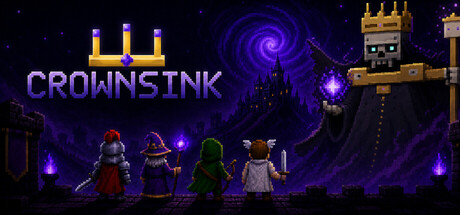
Crownsink is a hand-crafted game built the modern way: the developer writes and directs the code with the support of AI tools, while every sprite, sound and note of music springs from the game's own hand-written algorithms.
AI tools are used to assist with the localization of in-game and store page text into other languages. All translations are reviewed by the development team and improved with community feedback.
Some marketing artwork (store capsules and promotional images) was created with AI assistance, based on the game's own assets, characters and art style. All in-game content, gameplay, art assets and audio design are created by the development team.
This game does not generate or modify content at runtime.
A small portion of assets (around 20%) was made with the help of some generative AI tools during development.
All such assets were manually edited, reviewed, and finalized to ensure originality, quality, and compliance with copyright and safety standards.
Generative AI tools were used during development to assist with programming and code generation, and to create or refine certain pre-generated visual assets, including promotional artwork and selected in-game UI and art assets. All AI-assisted code and assets were reviewed, tested, and edited by the developer before inclusion. The released game does not generate content or code during gameplay and does not connect to external AI services.
Some 2D art was made with generative AI as a starting point, cards are renders of our real 3D models with painted backgrounds. No in-game AI, no AI voices, no real people's likenesses. Art may be replaced during Early Access.
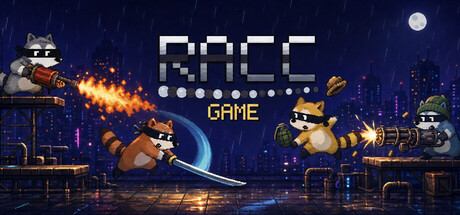
Pre-generated AI was used for store text and five original rank-emblem images (Bronze, Silver, Gold, Diamond, and Grand Racc) shown in the ranked hub and marketing. The emblems were made from our own prompts with OpenAI Codex ImageGen, reviewed and processed by us, and use no third-party source art. The game generates no AI content during play.
This game uses generative artificial intelligence (AI) tools to assist in the creation of certain visual assets, promotional store materials, and workflow scripts during development.
Generative AI was used during development to create or assist with some pre-generated visual assets, including character, item, environment, and Steam store capsule, library, and marketing artwork. All output is selected, edited, integrated, and reviewed by the developer. No content is generated during gameplay.
During development, as a solo developer, Claude Code was especially helpful for debugging, development and testing. There is no LLM usage within Frontier Protocol and no external connection is required to play Frontier Protocol.
Some of the visual assets in this game including character key art, promotional images, and certain 3D art were created with the assistance of generative AI tools during development. All AI-generated content was reviewed, edited, and integrated by the developer. No generative AI is used at runtime; nothing is generated live while you play. All gameplay, code, and design are hand-crafted by a developer.
Generative AI was used during development to assist with brainstorming, coding assistance, and drafting certain written materials. All game content, gameplay implementation, testing, review, and final decisions were completed and verified by the developer before release.
All primary artwork in this game, including the main character and every enemy, was created by hand either drawn by the developer or by human artists. AI assistance was limited to a few secondary visual effects (light effects, explosions, blood/spray), produced with custom procedural drawing scripts written with the help of an AI coding assistant and then hand-edited and curated by the developer. Some in-game text translations may be pre-generated with AI-assisted localization and reviewed by the developer. No image, audio, or video generation models were used. No AI is used at runtime.
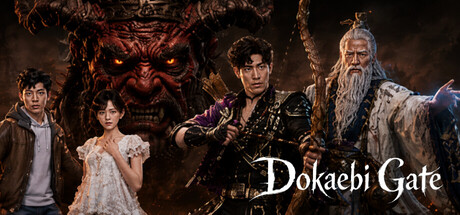
Some of the art and audio assets in Dokaebi Gate were created using generative AI tools, then processed and edited by hand before shipping. This covers equipment and item icons, some VFX textures, sound effects and background music, and a portion of the 3D enemy and environment models. Artwork used on this store page is included as well.
No AI runs while you play. Nothing is generated live during gameplay, and no player input or data is sent to any AI service. Game design, code, balance, and all writing are human-authored.
The game's main soundtrack was created using generative AI. The game's promotional capsule artwork was also created with the assistance of generative AI. All other gameplay, programming, game design, pixel art, animations, visual effects, sound effects, UI, and game content were created by the developer.
MonsterBash includes pre-generated AI-assisted artwork for certain menu backgrounds and between-level illustrations. All AI-generated assets were reviewed, edited, and integrated by the developer. No AI-generated content is created during gameplay.
Generative AI is used in this title for translation (to support multiple languages) and for the initial concepts of the background music.
All final assets have undergone a process of editing, refinement, and review by human creators.
Cover art, store page imagery and music were created with AI generation tools. All game design, writing and gameplay systems were created by the developer.
Some of the artwork in this game was created with the assistance of generative AI tools as part of our development process. All AI-assisted content is reviewed, edited, and finalized by our human artists before being included in the game.
As an independent developer/publisher, AI-assisted tools have been used selectively to support presentation and marketing workflows, not to replace the game’s creative direction or development.
The game itself is designed, directed, developed, coded, and assembled by human creators. Core gameplay systems, level design, story direction, implementation, and development decisions are not generated by AI.
"AI tools (LLMs and image generators) were used to assist in writing/optimizing C# scripts and generating minor 2D visual assets (e.g., UI or achievement icons). All AI-assisted content was strictly reviewed, modified, and integrated manually by the developer."
Pre-generated AI content: Character voice-over audio was generated using ElevenLabs, and the crow image used in the game's logo was generated using Google Flow. These assets are pre-generated and included in the game; no AI content is generated dynamically during gameplay.
Generative AI was used during development to create certain promotional artwork and some environmental background art. All gameplay mechanics, programming, level design, characters, animations, UI, and game systems were created and curated by the developer. The game does not use live-generated AI content during gameplay.
We use generative AI tools during the pre-production phase to create specific pre-rendered assets for the final game build. Specifically, AI assistance was utilized to generate elements of the instrumental soundtrack, ambient sound effects, and select minor environment/prop assets within the game world. No AI content is generated live or dynamically during gameplay, and all assets have been thoroughly reviewed to ensure they do not infringe on existing copyrights.
Generative AI tools were used during development to assist with portions of programming and to create selected pre-generated audio and visual assets. These include some character and commentator voice lines and branding artwork. All AI-assisted content was reviewed and integrated by the developer. No generative AI runs during gameplay, and no player input or personal data is sent to AI services.
Some environment and concept art in Stick Together was created with the help of generative AI tools, then edited and approved by our team. All visuals are fixed at release, and players cannot generate their own AI content in‑game.
Some store page artwork (capsules, library images, and promotional visuals) was created with the assistance of generative AI tools and edited by the developer.
Select in-game art assets were also created with AI-assisted tools during development and integrated into the game as pre-made content.
Gameplay is built in Unreal Engine. In-game content is not generated by AI during play.
Generative AI was occasionally used to prototype assets and give ideas\reference for assets. It was also occasionally used to generate normal maps on textures I had created. Sometimes this had disastrous results.
Some graphical elements of the user interface (menus, icons, and buttons), as well as store page assets (capsule images, header, and screenshots containing generated elements), were created with the assistance of generative AI tools and manually reviewed and edited by the developer
Generative AI was used during development to assist with the creation of certain visual assets, localization, and store page materials. All AI-generated content has been reviewed, edited, and integrated by the developer. The game does not generate content with AI at runtime.
Generative AI was used as an assistive tool during development and for localization support. All such content was reviewed and edited by the developer before inclusion. The game does not generate AI content live during gameplay.
Wizard Disaster was made by a solo developer, using generative AI tools as part of the production pipeline.
Art. Character, boss and background artwork, and the source frames the animations are built from, were produced with generative image and video tools. Everything was then cut, keyed, aligned, retimed and composited by hand into the sheets the game actually plays. The generated output is the raw material, not the finished asset. Concept passes were made the same way.
Audio. The music and most of the sound effects were generated with Suno, then trimmed, pitched, levelled and fitted to the length of the action each one accompanies. Not all of the audio is generated: a number of the effects are synthesised procedurally in code from a 1930s orchestra-pit palette, and the wizard's own voice (his cries and shouts) are human recordings.
Code. Generative AI was used as a programming assistant during development, and to build and run the automated test harnesses that measure boss pacing, damage output and medal times. Those harnesses are development-only tooling and are not part of the shipped game.
The game contains no live-generated AI content. Nothing is generated while you play, and the game makes no network or AI service calls at runtime.
We used Gemini AI during the development process to assist in generating some ambient background music tracks. Additionally, AI tools were used for minor assistance in refining some visual components and lighting enhancements for marketing assets. All components have been carefully curated, hand-edited, and integrated by the developer to comply with Steam's content policies.
Some of the music in this game was created using generative AI tools. All other content — art, animation, writing and design — is made without generative AI.
Pre-generated AI tools were used during development to create some 2D visual assets, including in-game sprites, the application icon, and promotional artwork used on the Steam store page. AI tools also assisted with some English and Japanese text and localization. All outputs were reviewed and, where necessary, edited by the developer before being included. The game does not generate AI content during gameplay and does not connect to external AI services.
Crownsink is a hand-crafted game built the modern way: the developer writes and directs the code with the support of AI tools, while every sprite, sound and note of music springs from the game's own hand-written algorithms.
AI tools are used to assist with the localization of in-game and store page text into other languages. All translations are reviewed by the development team and improved with community feedback.
Some marketing artwork (store capsules and promotional images) was created with AI assistance, based on the game's own assets, characters and art style. All in-game content, gameplay, art assets and audio design are created by the development team.
This game does not generate or modify content at runtime.
A small portion of assets (around 20%) was made with the help of some generative AI tools during development.
All such assets were manually edited, reviewed, and finalized to ensure originality, quality, and compliance with copyright and safety standards.
Generative AI tools were used during development to assist with programming and code generation, and to create or refine certain pre-generated visual assets, including promotional artwork and selected in-game UI and art assets. All AI-assisted code and assets were reviewed, tested, and edited by the developer before inclusion. The released game does not generate content or code during gameplay and does not connect to external AI services.
Some 2D art was made with generative AI as a starting point, cards are renders of our real 3D models with painted backgrounds. No in-game AI, no AI voices, no real people's likenesses. Art may be replaced during Early Access.
Pre-generated AI was used for store text and five original rank-emblem images (Bronze, Silver, Gold, Diamond, and Grand Racc) shown in the ranked hub and marketing. The emblems were made from our own prompts with OpenAI Codex ImageGen, reviewed and processed by us, and use no third-party source art. The game generates no AI content during play.
This game uses generative artificial intelligence (AI) tools to assist in the creation of certain visual assets, promotional store materials, and workflow scripts during development.
Generative AI was used during development to create or assist with some pre-generated visual assets, including character, item, environment, and Steam store capsule, library, and marketing artwork. All output is selected, edited, integrated, and reviewed by the developer. No content is generated during gameplay.
During development, as a solo developer, Claude Code was especially helpful for debugging, development and testing. There is no LLM usage within Frontier Protocol and no external connection is required to play Frontier Protocol.
Some of the visual assets in this game including character key art, promotional images, and certain 3D art were created with the assistance of generative AI tools during development. All AI-generated content was reviewed, edited, and integrated by the developer. No generative AI is used at runtime; nothing is generated live while you play. All gameplay, code, and design are hand-crafted by a developer.
Generative AI was used during development to assist with brainstorming, coding assistance, and drafting certain written materials. All game content, gameplay implementation, testing, review, and final decisions were completed and verified by the developer before release.
All primary artwork in this game, including the main character and every enemy, was created by hand either drawn by the developer or by human artists. AI assistance was limited to a few secondary visual effects (light effects, explosions, blood/spray), produced with custom procedural drawing scripts written with the help of an AI coding assistant and then hand-edited and curated by the developer. Some in-game text translations may be pre-generated with AI-assisted localization and reviewed by the developer. No image, audio, or video generation models were used. No AI is used at runtime.
Some of the art and audio assets in Dokaebi Gate were created using generative AI tools, then processed and edited by hand before shipping. This covers equipment and item icons, some VFX textures, sound effects and background music, and a portion of the 3D enemy and environment models. Artwork used on this store page is included as well.
No AI runs while you play. Nothing is generated live during gameplay, and no player input or data is sent to any AI service. Game design, code, balance, and all writing are human-authored.
The game's main soundtrack was created using generative AI. The game's promotional capsule artwork was also created with the assistance of generative AI. All other gameplay, programming, game design, pixel art, animations, visual effects, sound effects, UI, and game content were created by the developer.
MonsterBash includes pre-generated AI-assisted artwork for certain menu backgrounds and between-level illustrations. All AI-generated assets were reviewed, edited, and integrated by the developer. No AI-generated content is created during gameplay.
Generative AI is used in this title for translation (to support multiple languages) and for the initial concepts of the background music.
All final assets have undergone a process of editing, refinement, and review by human creators.
Cover art, store page imagery and music were created with AI generation tools. All game design, writing and gameplay systems were created by the developer.
Some of the artwork in this game was created with the assistance of generative AI tools as part of our development process. All AI-assisted content is reviewed, edited, and finalized by our human artists before being included in the game.
As an independent developer/publisher, AI-assisted tools have been used selectively to support presentation and marketing workflows, not to replace the game’s creative direction or development.
The game itself is designed, directed, developed, coded, and assembled by human creators. Core gameplay systems, level design, story direction, implementation, and development decisions are not generated by AI.
"AI tools (LLMs and image generators) were used to assist in writing/optimizing C# scripts and generating minor 2D visual assets (e.g., UI or achievement icons). All AI-assisted content was strictly reviewed, modified, and integrated manually by the developer."
Pre-generated AI content: Character voice-over audio was generated using ElevenLabs, and the crow image used in the game's logo was generated using Google Flow. These assets are pre-generated and included in the game; no AI content is generated dynamically during gameplay.