Public Steam disclosure research25,508 disclosures tracked
Where do games disclose AI use?
Search developers’ Steam disclosures, compare classified AI use across
games, and follow recorded changes.
This index adds cross-game classifications and statistics to
statements published on individual store pages.
Groups reflect automatic analysis of public disclosures; mature records are excluded. These counts do not measure AI use across all of Steam.
Missing or unclear statements cannot establish whether a game uses AI.
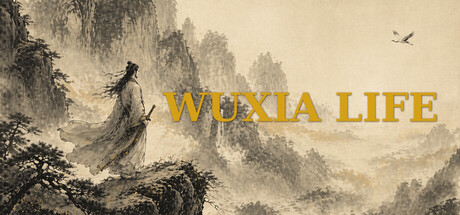
All in-game visual art assets in this title — including item icons, equipment artwork, character portraits, story illustrations, and UI decorative elements (frames, icons, and background textures) — are produced using OpenAI's ChatGPT image generation and xAI's Grok image generation API as core tools within our ink-wash and gongbi-style art pipeline. Every generated asset is reviewed, curated, manually retouched, and compositionally adjusted by the developer before being incorporated into the game. No real person's likeness has been used.
The game's source code is written by the developer, Kevin Chen, with OpenAI Codex and Anthropic Claude Code used as coding assistants during development. In-game narrative and dialogue text are written by the developer, with portions assisted by Anthropic Claude for polishing and proofreading.
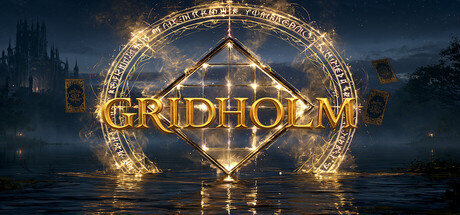
Gridholm uses AI-generated imagery for its card art, champion portraits, and 3D models. As the sole developer, it's how I bring a full 250+ card game to life with a cohesive, painterly dark-fantasy look.
Visual assets (hero portraits, card art backgrounds, dice imagery, booster pack illustrations) were generated using Midjourney and refined/composed in Photopea. Suit pip icons are by Lorc and Delapouite via game-icons.net (CC BY 3.0). Sound effects and music were generated using AI tools. All AI-generated content was directed, curated, and integrated by the developer. No AI is used to generate content live at runtime — all assets are pre-rendered and embedded in the build.
As a solo developer, I used AI tools to help assist in the creation of some visual assets for this remake, which were then refined and adapted during development. Thank you for your understanding.
Some visual assets in this game (including the main menu background and Steam store page capsule images) were created using generative AI tools (Google Gemini). All AI-generated content was pre-rendered during development and reviewed by the developer. The game does not use any AI generation during gameplay — all assets are static and packaged with the game.
This game uses AI assistance in the following areas:
- Localization: Some translations were assisted by AI tools.
- Some promotional or UI images were partially generated or refined using AI tools.
All gameplay content, art direction, and core assets are created by human developers.
This game uses generative AI tools in part for creating UI character images and music.
These assets are further edited and refined by the developer before being implemented into the final game content.
No AI-generated content is created in real time during gameplay.
This game uses AI to generate dynamic NPC dialogue during gameplay. NPCs respond to player actions and choices with unique, contextual conversations. All AI-generated text is filtered to ensure appropriate content.
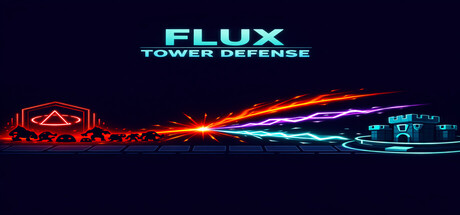
Flux Tower Defense uses generative AI in the following development areas:
• Store page artwork: Main, header, library, small, and vertical capsule images, library hero, library header, and page background were created using AI image generation tools with human direction, prompt iteration, and post-processing. The "FLUX TOWER DEFENSE" wordmark typography was added manually.
• Achievement icons: The 20 in-game achievement icons were generated with AI image tools using hand-authored prompts and manually curated selections.
• Localization: Non-English store page descriptions were translated with AI assistance and reviewed before publication.
The game's runtime contains NO generative AI. All gameplay systems (towers, enemies, traps, waves, pathfinding, damage, upgrades), UI, and in-game visuals are deterministic code rendered live via HTML5 Canvas 2D. There are no pre-rendered sprites, no AI-generated game content, and no AI inference during play.
The model creation and icon production in the game used a combination of AI and manual editing. All translations were generated by AI. The store page promotional images were generated by AI and then manually edited.
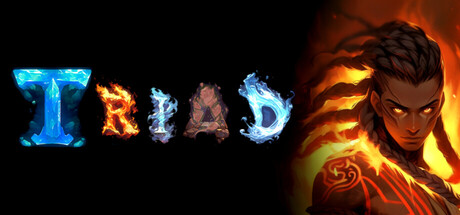
Some visual assets in Triad were created with the assistance of AI tools and further refined by the developer.
Triad is a solo-developed project, and these tools helped make its creation possible.
— Raph, developer of Triad
- Visual art: A portion of the pixel-art tiles and select character sprites were generated using PixelLab AI (pixellab.ai), then composited, edited, and integrated by the developer.
- Audio: Background music tracks were generated with AI music tools, then exported and sequenced into the game.
- Code & narrative writing: Game code and the in-game chronicler text (Brom's journal entries) were drafted with AI assistance (Anthropic's Claude) and edited by the developer.
Generative AI was used for some of the music in game. All in game art was hand drawn and vectorized by the creator. Main Theme music created by Grace Streeter. Trailer voiceover by Grace Streeter.
Generative AI was used during the development process to create character illustrations for the cards. All AI-generated content has been reviewed, manually refined, and edited by our team to ensure it does not include any illegal or infringing material.
This game uses generative AI as part of the development process.
AI tools were used to assist in the creation of certain visual assets, concepts, and marketing materials.
All AI-generated content was reviewed, edited, and integrated manually to ensure consistency with the game's design and quality standards.
The gameplay itself is fully designed and controlled by the developer, with no real-time AI-generated content during play.
- Some 2D assets were generated partly with AI (with human pre and post passes).
- Some languages were localized with AI. We intend to make a full human pass on all languages before 1.0 launch.
This game uses generative artificial intelligence to dynamically create towns, facilities, dungeons, NPCs, dialogue, event text, and some illustrations based on the player's actions and the current game state.
Rather than relying only on fixed scenarios, the game is designed so that each playthrough can produce different events, encounters, and story developments.
Some character images, backgrounds, and illustrations are also generated by AI.
Generated content is controlled according to the game's design rules and moderation systems.
The developer uses Generative AI tools to assist in the creation of 2D character sprites, background artwork, UI elements, and visual effects frames. All AI-generated graphical assets are pre-rendered, manually edited, and carefully integrated into the game engine by the developer. The game does not generate any AI content in real-time during gameplay.
Visuals: We used generative AI tools (Midjourney, ComfyUI) to assist in creating background illustrations and concept art for characters. All AI-generated outputs were manually refined, overpainted, and edited by human artists to ensure visual consistency and quality.
Text: We utilized AI-powered translation tools to assist in localizing scripts and store page descriptions from Korean to English. All translated text was proofread and edited by a native speaker to maintain the narrative's tone and nuance.
As a solo developer, I used generative AI tools to assist with certain parts of development, including the creation of some visual assets.
All generated content has been carefully reviewed, adjusted, and manually integrated to ensure artistic consistency, and overall game quality.
No AI generated content is produced in real time during gameplay.
Generative AI was used only for temporary placeholder visuals on this Steam store page. These images are not final game content and will be replaced with original artwork created by our artists before release.
Some visual assets in this game were generated using AI. As a one‑person developer, I use these tools to accelerate production, but all images are reviewed, refined, and finalized by me to maintain a consistent artistic direction.
Some music tracks in Gridhammer were composed using AI music generation tools (Suno). All other game content including artwork, writing, and game design is human-created.
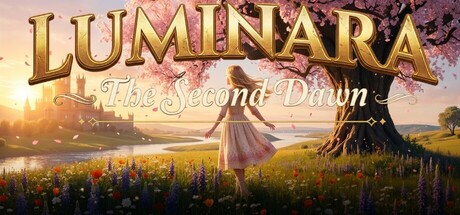
Luminara: The Second Dawn was created by a solo developer with the help of AI tools to bring the game to life. Every piece of content—art, music, story, and code—has been personally reviewed, curated, and directed by me to ensure it fits the game's vision and quality standards.
We used generative AI tools during development to assist with certain pre-generated visual assets, text content, localization drafts, and portions of code. All AI-assisted content was reviewed, edited, and approved by the developer before being used in the game or on the store page. The game does not use live-generated AI during gameplay.
This game uses generative AI as part of its development process. Most of the game’s implementation is based on AI-assisted code generated through prompts, which is then reviewed, modified, and integrated by the developer.
Generative AI is also used to create some 3D assets, including the player character object and certain background building objects. These assets are not used as raw AI output; they are selected, adjusted, revised, and optimized for in-game use by the developer before being implemented in the game.
The content shown in this game is not generated live during gameplay. It is created and reviewed in advance before being included in the final product.
This game uses generative AI (pre-rendered) in the creation process of the following in-game content:
- Character portraits/sprites
- Certain image assets such as backgrounds, UI, and items
- In-game background music (BGM)
All AI-generated materials are not used as-is; they are manually edited, retouched, and adjusted by the developer to ensure they perfectly fit the dark fantasy world of this game.
We believe in being transparent about how we build Hollowed Oath including where we use AI, and why. For a thoughtful look at how AI is used in Hollowed Oath, please visit: https://hollowedoath.com/ai-use
I have used the help of AI for some of the levels design, drafts of the bosses and other parts of the game design. Also part of the data models I have had help from AI to implement them.
This game uses AI tools to assist in generating some art assets (card illustrations, character portraits, background images) and audio assets (background music, sound effects) during development. The game does not use any AI services at runtime and does not connect to any external AI APIs. All AI-generated content is completed during development. No AI generation is involved during gameplay.
All in-game visual art assets in this title — including item icons, equipment artwork, character portraits, story illustrations, and UI decorative elements (frames, icons, and background textures) — are produced using OpenAI's ChatGPT image generation and xAI's Grok image generation API as core tools within our ink-wash and gongbi-style art pipeline. Every generated asset is reviewed, curated, manually retouched, and compositionally adjusted by the developer before being incorporated into the game. No real person's likeness has been used.
The game's source code is written by the developer, Kevin Chen, with OpenAI Codex and Anthropic Claude Code used as coding assistants during development. In-game narrative and dialogue text are written by the developer, with portions assisted by Anthropic Claude for polishing and proofreading.
Gridholm uses AI-generated imagery for its card art, champion portraits, and 3D models. As the sole developer, it's how I bring a full 250+ card game to life with a cohesive, painterly dark-fantasy look.
Visual assets (hero portraits, card art backgrounds, dice imagery, booster pack illustrations) were generated using Midjourney and refined/composed in Photopea. Suit pip icons are by Lorc and Delapouite via game-icons.net (CC BY 3.0). Sound effects and music were generated using AI tools. All AI-generated content was directed, curated, and integrated by the developer. No AI is used to generate content live at runtime — all assets are pre-rendered and embedded in the build.
As a solo developer, I used AI tools to help assist in the creation of some visual assets for this remake, which were then refined and adapted during development. Thank you for your understanding.
Some visual assets in this game (including the main menu background and Steam store page capsule images) were created using generative AI tools (Google Gemini). All AI-generated content was pre-rendered during development and reviewed by the developer. The game does not use any AI generation during gameplay — all assets are static and packaged with the game.
This game uses AI assistance in the following areas:
- Localization: Some translations were assisted by AI tools.
- Some promotional or UI images were partially generated or refined using AI tools.
All gameplay content, art direction, and core assets are created by human developers.
This game uses generative AI tools in part for creating UI character images and music.
These assets are further edited and refined by the developer before being implemented into the final game content.
No AI-generated content is created in real time during gameplay.
This game uses AI to generate dynamic NPC dialogue during gameplay. NPCs respond to player actions and choices with unique, contextual conversations. All AI-generated text is filtered to ensure appropriate content.
Flux Tower Defense uses generative AI in the following development areas:
• Store page artwork: Main, header, library, small, and vertical capsule images, library hero, library header, and page background were created using AI image generation tools with human direction, prompt iteration, and post-processing. The "FLUX TOWER DEFENSE" wordmark typography was added manually.
• Achievement icons: The 20 in-game achievement icons were generated with AI image tools using hand-authored prompts and manually curated selections.
• Localization: Non-English store page descriptions were translated with AI assistance and reviewed before publication.
The game's runtime contains NO generative AI. All gameplay systems (towers, enemies, traps, waves, pathfinding, damage, upgrades), UI, and in-game visuals are deterministic code rendered live via HTML5 Canvas 2D. There are no pre-rendered sprites, no AI-generated game content, and no AI inference during play.
The model creation and icon production in the game used a combination of AI and manual editing. All translations were generated by AI. The store page promotional images were generated by AI and then manually edited.
Some visual assets in Triad were created with the assistance of AI tools and further refined by the developer.
Triad is a solo-developed project, and these tools helped make its creation possible.
— Raph, developer of Triad
- Visual art: A portion of the pixel-art tiles and select character sprites were generated using PixelLab AI (pixellab.ai), then composited, edited, and integrated by the developer.
- Audio: Background music tracks were generated with AI music tools, then exported and sequenced into the game.
- Code & narrative writing: Game code and the in-game chronicler text (Brom's journal entries) were drafted with AI assistance (Anthropic's Claude) and edited by the developer.
Generative AI was used for some of the music in game. All in game art was hand drawn and vectorized by the creator. Main Theme music created by Grace Streeter. Trailer voiceover by Grace Streeter.
Generative AI was used during the development process to create character illustrations for the cards. All AI-generated content has been reviewed, manually refined, and edited by our team to ensure it does not include any illegal or infringing material.
This game uses generative AI as part of the development process.
AI tools were used to assist in the creation of certain visual assets, concepts, and marketing materials.
All AI-generated content was reviewed, edited, and integrated manually to ensure consistency with the game's design and quality standards.
The gameplay itself is fully designed and controlled by the developer, with no real-time AI-generated content during play.
- Some 2D assets were generated partly with AI (with human pre and post passes).
- Some languages were localized with AI. We intend to make a full human pass on all languages before 1.0 launch.
This game uses generative artificial intelligence to dynamically create towns, facilities, dungeons, NPCs, dialogue, event text, and some illustrations based on the player's actions and the current game state.
Rather than relying only on fixed scenarios, the game is designed so that each playthrough can produce different events, encounters, and story developments.
Some character images, backgrounds, and illustrations are also generated by AI.
Generated content is controlled according to the game's design rules and moderation systems.
The developer uses Generative AI tools to assist in the creation of 2D character sprites, background artwork, UI elements, and visual effects frames. All AI-generated graphical assets are pre-rendered, manually edited, and carefully integrated into the game engine by the developer. The game does not generate any AI content in real-time during gameplay.
Visuals: We used generative AI tools (Midjourney, ComfyUI) to assist in creating background illustrations and concept art for characters. All AI-generated outputs were manually refined, overpainted, and edited by human artists to ensure visual consistency and quality.
Text: We utilized AI-powered translation tools to assist in localizing scripts and store page descriptions from Korean to English. All translated text was proofread and edited by a native speaker to maintain the narrative's tone and nuance.
As a solo developer, I used generative AI tools to assist with certain parts of development, including the creation of some visual assets.
All generated content has been carefully reviewed, adjusted, and manually integrated to ensure artistic consistency, and overall game quality.
No AI generated content is produced in real time during gameplay.
Generative AI was used only for temporary placeholder visuals on this Steam store page. These images are not final game content and will be replaced with original artwork created by our artists before release.
Some visual assets in this game were generated using AI. As a one‑person developer, I use these tools to accelerate production, but all images are reviewed, refined, and finalized by me to maintain a consistent artistic direction.
Some music tracks in Gridhammer were composed using AI music generation tools (Suno). All other game content including artwork, writing, and game design is human-created.
Luminara: The Second Dawn was created by a solo developer with the help of AI tools to bring the game to life. Every piece of content—art, music, story, and code—has been personally reviewed, curated, and directed by me to ensure it fits the game's vision and quality standards.
We used generative AI tools during development to assist with certain pre-generated visual assets, text content, localization drafts, and portions of code. All AI-assisted content was reviewed, edited, and approved by the developer before being used in the game or on the store page. The game does not use live-generated AI during gameplay.
This game uses generative AI as part of its development process. Most of the game’s implementation is based on AI-assisted code generated through prompts, which is then reviewed, modified, and integrated by the developer.
Generative AI is also used to create some 3D assets, including the player character object and certain background building objects. These assets are not used as raw AI output; they are selected, adjusted, revised, and optimized for in-game use by the developer before being implemented in the game.
The content shown in this game is not generated live during gameplay. It is created and reviewed in advance before being included in the final product.
This game uses generative AI (pre-rendered) in the creation process of the following in-game content:
- Character portraits/sprites
- Certain image assets such as backgrounds, UI, and items
- In-game background music (BGM)
All AI-generated materials are not used as-is; they are manually edited, retouched, and adjusted by the developer to ensure they perfectly fit the dark fantasy world of this game.
We believe in being transparent about how we build Hollowed Oath including where we use AI, and why. For a thoughtful look at how AI is used in Hollowed Oath, please visit: https://hollowedoath.com/ai-use
I have used the help of AI for some of the levels design, drafts of the bosses and other parts of the game design. Also part of the data models I have had help from AI to implement them.
This game uses AI tools to assist in generating some art assets (card illustrations, character portraits, background images) and audio assets (background music, sound effects) during development. The game does not use any AI services at runtime and does not connect to any external AI APIs. All AI-generated content is completed during development. No AI generation is involved during gameplay.