Public Steam disclosure research25,508 disclosures tracked
Where do games disclose AI use?
Search developers’ Steam disclosures, compare classified AI use across
games, and follow recorded changes.
This index adds cross-game classifications and statistics to
statements published on individual store pages.
Groups reflect automatic analysis of public disclosures; mature records are excluded. These counts do not measure AI use across all of Steam.
Missing or unclear statements cannot establish whether a game uses AI.
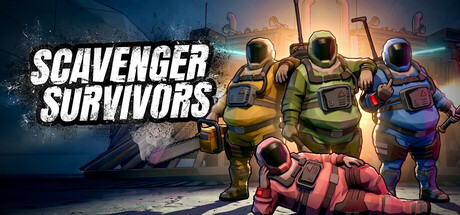
Some of the game's 2D and 3D art assets — including 3D character models and environment props, background and biome art, and iconography — were produced with AI image/model generation tools during development, then hand-curated, edited, and processed into the game. No AI runs at play time; nothing is generated on the player's machine or via an external service.
Generative AI tools were used during development to create or assist with some visual assets, audio, and 3D assets used in the game and its promotional materials. No AI-generated content is created during gameplay, and the game does not connect to external AI services.
This game contains pre-rendered AI-assisted artwork and marketing assets that were reviewed and edited by the developer. No live AI-generated content is produced during gameplay.
The developer uses generative AI tools during the development process to create pre-generated content. Specifically, Leonardo.ai was utilized to assist in the creation of promotional marketing artwork, concept art, images, and user interface buttons. Additionally, Suno was used to compose the game's background music and soundtracks. All AI-generated content is static, finalized prior to release, and integrated into the game build; the game does not feature any live or real-time AI generation during gameplay.
GRIDFALL was developed with extensive AI assistance (Anthropic's Claude): the game's code — including the procedural generators that produce all in-game art (pre-baked at build time) and synthesize all audio and music at runtime — was written with AI pair-programming under human direction and review. The game contains no pre-rendered AI-generated images or audio files; all art and audio assets are produced by deterministic code, and the sole third-party asset is the SIL-licensed Noto Sans UI font. Story, dialogue, and text were authored with AI assistance under human editorial control.
Generative AI tools were used during development to generate some 3D model assets, textures, and sounds. All AI-generated content was pre-rendered and reviewed before being included in the game build. No live generative AI is used during gameplay.
Some art assets in this game (character models and Music) were initially created with the assistance of AI generation tools, then reviewed, edited, and integrated into the game by the development team. The game does not generate any content with AI at runtime.
This game features background music generated with AI, used under a commercial license. Some of the supported-language translations were produced with AI assistance. All visual art and game code are hand-authored.
Generative AI tools were used during development to assist with portions of the game’s code and to create or refine some pre-rendered 2D artwork, including character sprites and portraits, item icons, and environment assets. All AI-assisted content was reviewed, edited, and integrated by the developer. The game does not generate AI content or code during gameplay and does not connect to an external AI service during gameplay.
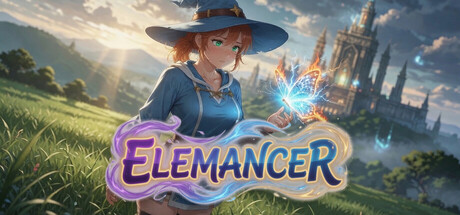
Elemancer is a solo-developed game. Every system, all gameplay code, the balance, and all writing are human-made and hand-tuned. The 2D art and audio were created with AI tools, then hand-curated, edited, and quality-checked asset by asset before shipping.
The following content in Nova Warp was created with the help of generative AI tools during development (pre-generated):• Music - created with Suno• Sound effects - created with ElevenLabs• Visual assets (in-game and store/marketing images) – created with FLUX.2 [klein] (Black Forest Labs)All AI-generated assets were reviewed by the developer. Nova Warp does not use any live or real-time AI generation during gameplay.
BirdBots uses generative AI tools during development to assist in the creation of certain promotional images, visual concepts, illustrations, and marketing materials. All AI-generated content has been reviewed, edited, and integrated by the developer. AI is not used during gameplay and does not affect the game's mechanics.
During development, we used two images generated by AI as final in-game assets. We acknowledge that this does not align with our general approach of creating content manually, and we plan to replace them with original artwork in one of the upcoming updates. We apologize for any inconvenience this may cause.
Generative AI tools were used during development to create many pre-generated 3D models and textures, including armor, weapons, shields, and other equipment assets. Generative AI was also used to assist with some store and marketing artwork. All AI-assisted content was reviewed, selected, and integrated by the developer. The game does not generate AI content during gameplay and does not connect to any external AI service while running.
Blast Arena does not use AI to generate gameplay, code, or real-time content. Artificial intelligence was only used during development to help create certain promotional and marketing assets, such as concept art and store visuals. All in-game content and player experiences are fully handcrafted and not AI-generated.
Generative AI was used to assist in creating certain promotional and store page artwork. All AI-generated content was reviewed, edited, and refined by the developer. No generative AI is used during gameplay.
Generative AI was used to assist in creating certain promotional and store page artwork. All AI-generated content was reviewed, edited, and refined by the developer. No generative AI is used during gameplay.
Relyora is independently developed on a limited budget. Some visuals were created with AI assistance, then carefully selected, edited, and integrated by hand. No AI is used in real time. If the game finds an audience, revenue will be reinvested into working with professional artists.
This game uses pre-generated AI-assisted content during development, including some artwork and visual assets. All AI-generated content has been reviewed, edited, and integrated by the developer. The game does not generate AI content during gameplay.
Developed under human creative direction with extensive generative AI assistance for game code, systems implementation, and visual/marketing assets. No generative AI runs live during play.
Starscrip uses short-form in-game text content that was created with the assistance of generative artificial intelligence.
Player facing marketing content, like release notes, may also be created with the assistance of generative artificial intelligence.
AI-assisted tools were used during development. All final content was reviewed and approved by the developer. No AI content is generated during gameplay.
Generative AI tools were used during development to create most of the game's code and assist with localization, including some store-page text. All AI-assisted outputs were manually reviewed, edited, tested, and integrated by the developer. No artwork, character designs, animations, music, sound effects, or other visual or audio assets were generated using AI. The game does not use live-generated AI during gameplay.
Some visual assets used in the game and its store presentation were created or refined with the assistance of generative AI and were subsequently reviewed, edited, and integrated by the developer. The game does not generate AI content during gameplay.
Pre-generated AI image tools were used to assist in creating concepts and final assets for the game's logo, store capsule images, and promotional graphics. No live-generated AI content is used within the actual gameplay.
Generative AI was used during development to assist in creating certain visual assets, initial 3D model concepts, and the composition of some melodies. All AI-generated content was manually reviewed, edited, refined, and integrated into the game by the developer. All gameplay systems, programming, balancing and game design were created manually. No generative AI is used during gameplay.
Generative AI may have been used to assist in creating artwork for this game's store page and promotional materials. All AI-assisted content was created under human direction and is the result of a human-led artistic and creative process.
The key art used in this game's store capsules and cover was created with the assistance of generative AI tools, then edited and composited by the developer (logo and layout added manually). AI tools were also used to assist with translating menu text and store page descriptions. All gameplay content — code, in-game sprites, animations, music, and sound effects — was created by human artists or licensed from human-made asset packs. No AI-generated content appears in the game itself.
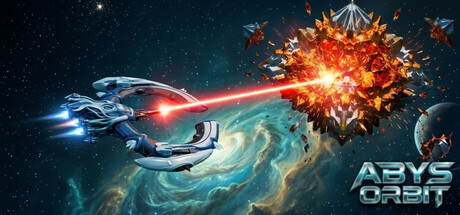
Most of the 2D art in Abys Orbit is AI-assisted, generated with Google Gemini
during development. Ship and NPC sprite sheets begin as Gemini concept images,
are converted to 3D meshes with Meshy.ai, and are then rendered to 2D sprites
in Blender. One dashboard background is a NASA public-domain photograph revised
with AI. All AI-generated assets are reviewed and edited by us before shipping.
The following content is NOT AI-generated: rank insignia (drawn by hand in
Adobe Illustrator), the Scout ship model (a commercially licensed 3D asset
rendered in 3ds Max), UI and research icons (licensed from CraftPix under their
commercial license), two NASA public-domain images, and all audio, which we
produced ourselves.
No AI-generated content is created at runtime; all generation happens during
development.
IRON EDEN uses AI as a development tool in a limited capacity.
AI has been used only for:
Programming assistance.
Sound effect generation.
All artwork, game design, mechanics, story, characters, worldbuilding, and visual assets were created by the developer.
At this stage, some in-game text is translated using generative AI tools as a temporary solution. All other content — art, models, audio, and design — is created manually. AI translation will be replaced with professional human localization for the full release.
Death to Demons uses pre-generated AI-assisted content in some artwork, visual concepts, promotional images, and development/reference materials. All AI-assisted content used in the shipped game or Steam store materials is reviewed, selected, and edited by the developer before inclusion.
The game does not use live generative AI during gameplay. No player prompts are used to generate in-game content.
This game contains pre-generated AI-assisted illustrations and visual assets. All AI-assisted content has been reviewed, modified, and integrated by the developer. The game does not generate AI content during gameplay and does not connect to external AI services.
Generative AI tools were used during development to create all visual artwork, sound effects, and music in Matchinko, including artwork used in store and marketing materials. AI tools also assisted with code, debugging, and drafts of some written content. All generated material was reviewed, selected, edited, tested, and integrated by the developer before inclusion. The game does not generate content using AI at runtime, connect to external AI services during play, or send player data to AI systems.
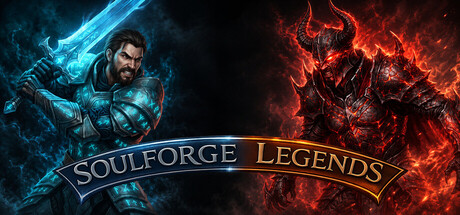
Some of the art in SoulForge Legends was created with the help of generative AI tools. All of it was generated during development, then reviewed, edited and assembled by hand before shipping. Nothing is generated live while you play, and the game never sends your input to an AI service.
This game uses a bundled on-device AI model to estimate body-shape parameters from a player-selected full-body photo and apply them to a predefined 3D character mesh. The photo is processed locally and is not sent to an external AI service. Photo-based appearance projection is handled separately as user-provided character customization and is not open-ended AI image generation.
Some of the game's 2D and 3D art assets — including 3D character models and environment props, background and biome art, and iconography — were produced with AI image/model generation tools during development, then hand-curated, edited, and processed into the game. No AI runs at play time; nothing is generated on the player's machine or via an external service.
Generative AI tools were used during development to create or assist with some visual assets, audio, and 3D assets used in the game and its promotional materials. No AI-generated content is created during gameplay, and the game does not connect to external AI services.
This game contains pre-rendered AI-assisted artwork and marketing assets that were reviewed and edited by the developer. No live AI-generated content is produced during gameplay.
The developer uses generative AI tools during the development process to create pre-generated content. Specifically, Leonardo.ai was utilized to assist in the creation of promotional marketing artwork, concept art, images, and user interface buttons. Additionally, Suno was used to compose the game's background music and soundtracks. All AI-generated content is static, finalized prior to release, and integrated into the game build; the game does not feature any live or real-time AI generation during gameplay.
GRIDFALL was developed with extensive AI assistance (Anthropic's Claude): the game's code — including the procedural generators that produce all in-game art (pre-baked at build time) and synthesize all audio and music at runtime — was written with AI pair-programming under human direction and review. The game contains no pre-rendered AI-generated images or audio files; all art and audio assets are produced by deterministic code, and the sole third-party asset is the SIL-licensed Noto Sans UI font. Story, dialogue, and text were authored with AI assistance under human editorial control.
Generative AI tools were used during development to generate some 3D model assets, textures, and sounds. All AI-generated content was pre-rendered and reviewed before being included in the game build. No live generative AI is used during gameplay.
Some art assets in this game (character models and Music) were initially created with the assistance of AI generation tools, then reviewed, edited, and integrated into the game by the development team. The game does not generate any content with AI at runtime.
This game features background music generated with AI, used under a commercial license. Some of the supported-language translations were produced with AI assistance. All visual art and game code are hand-authored.
Generative AI tools were used during development to assist with portions of the game’s code and to create or refine some pre-rendered 2D artwork, including character sprites and portraits, item icons, and environment assets. All AI-assisted content was reviewed, edited, and integrated by the developer. The game does not generate AI content or code during gameplay and does not connect to an external AI service during gameplay.
Elemancer is a solo-developed game. Every system, all gameplay code, the balance, and all writing are human-made and hand-tuned. The 2D art and audio were created with AI tools, then hand-curated, edited, and quality-checked asset by asset before shipping.
The following content in Nova Warp was created with the help of generative AI tools during development (pre-generated):• Music - created with Suno• Sound effects - created with ElevenLabs• Visual assets (in-game and store/marketing images) – created with FLUX.2 [klein] (Black Forest Labs)All AI-generated assets were reviewed by the developer. Nova Warp does not use any live or real-time AI generation during gameplay.
BirdBots uses generative AI tools during development to assist in the creation of certain promotional images, visual concepts, illustrations, and marketing materials. All AI-generated content has been reviewed, edited, and integrated by the developer. AI is not used during gameplay and does not affect the game's mechanics.
During development, we used two images generated by AI as final in-game assets. We acknowledge that this does not align with our general approach of creating content manually, and we plan to replace them with original artwork in one of the upcoming updates. We apologize for any inconvenience this may cause.
Generative AI tools were used during development to create many pre-generated 3D models and textures, including armor, weapons, shields, and other equipment assets. Generative AI was also used to assist with some store and marketing artwork. All AI-assisted content was reviewed, selected, and integrated by the developer. The game does not generate AI content during gameplay and does not connect to any external AI service while running.
Blast Arena does not use AI to generate gameplay, code, or real-time content. Artificial intelligence was only used during development to help create certain promotional and marketing assets, such as concept art and store visuals. All in-game content and player experiences are fully handcrafted and not AI-generated.
Generative AI was used to assist in creating certain promotional and store page artwork. All AI-generated content was reviewed, edited, and refined by the developer. No generative AI is used during gameplay.
Generative AI was used to assist in creating certain promotional and store page artwork. All AI-generated content was reviewed, edited, and refined by the developer. No generative AI is used during gameplay.
Relyora is independently developed on a limited budget. Some visuals were created with AI assistance, then carefully selected, edited, and integrated by hand. No AI is used in real time. If the game finds an audience, revenue will be reinvested into working with professional artists.
This game uses pre-generated AI-assisted content during development, including some artwork and visual assets. All AI-generated content has been reviewed, edited, and integrated by the developer. The game does not generate AI content during gameplay.
Developed under human creative direction with extensive generative AI assistance for game code, systems implementation, and visual/marketing assets. No generative AI runs live during play.
Starscrip uses short-form in-game text content that was created with the assistance of generative artificial intelligence.
Player facing marketing content, like release notes, may also be created with the assistance of generative artificial intelligence.
AI-assisted tools were used during development. All final content was reviewed and approved by the developer. No AI content is generated during gameplay.
Generative AI tools were used during development to create most of the game's code and assist with localization, including some store-page text. All AI-assisted outputs were manually reviewed, edited, tested, and integrated by the developer. No artwork, character designs, animations, music, sound effects, or other visual or audio assets were generated using AI. The game does not use live-generated AI during gameplay.
Some visual assets used in the game and its store presentation were created or refined with the assistance of generative AI and were subsequently reviewed, edited, and integrated by the developer. The game does not generate AI content during gameplay.
Pre-generated AI image tools were used to assist in creating concepts and final assets for the game's logo, store capsule images, and promotional graphics. No live-generated AI content is used within the actual gameplay.
Generative AI was used during development to assist in creating certain visual assets, initial 3D model concepts, and the composition of some melodies. All AI-generated content was manually reviewed, edited, refined, and integrated into the game by the developer. All gameplay systems, programming, balancing and game design were created manually. No generative AI is used during gameplay.
Generative AI may have been used to assist in creating artwork for this game's store page and promotional materials. All AI-assisted content was created under human direction and is the result of a human-led artistic and creative process.
The key art used in this game's store capsules and cover was created with the assistance of generative AI tools, then edited and composited by the developer (logo and layout added manually). AI tools were also used to assist with translating menu text and store page descriptions. All gameplay content — code, in-game sprites, animations, music, and sound effects — was created by human artists or licensed from human-made asset packs. No AI-generated content appears in the game itself.
Most of the 2D art in Abys Orbit is AI-assisted, generated with Google Gemini
during development. Ship and NPC sprite sheets begin as Gemini concept images,
are converted to 3D meshes with Meshy.ai, and are then rendered to 2D sprites
in Blender. One dashboard background is a NASA public-domain photograph revised
with AI. All AI-generated assets are reviewed and edited by us before shipping.
The following content is NOT AI-generated: rank insignia (drawn by hand in
Adobe Illustrator), the Scout ship model (a commercially licensed 3D asset
rendered in 3ds Max), UI and research icons (licensed from CraftPix under their
commercial license), two NASA public-domain images, and all audio, which we
produced ourselves.
No AI-generated content is created at runtime; all generation happens during
development.
IRON EDEN uses AI as a development tool in a limited capacity.
AI has been used only for:
Programming assistance.
Sound effect generation.
All artwork, game design, mechanics, story, characters, worldbuilding, and visual assets were created by the developer.
At this stage, some in-game text is translated using generative AI tools as a temporary solution. All other content — art, models, audio, and design — is created manually. AI translation will be replaced with professional human localization for the full release.
Death to Demons uses pre-generated AI-assisted content in some artwork, visual concepts, promotional images, and development/reference materials. All AI-assisted content used in the shipped game or Steam store materials is reviewed, selected, and edited by the developer before inclusion.
The game does not use live generative AI during gameplay. No player prompts are used to generate in-game content.
This game contains pre-generated AI-assisted illustrations and visual assets. All AI-assisted content has been reviewed, modified, and integrated by the developer. The game does not generate AI content during gameplay and does not connect to external AI services.
Generative AI tools were used during development to create all visual artwork, sound effects, and music in Matchinko, including artwork used in store and marketing materials. AI tools also assisted with code, debugging, and drafts of some written content. All generated material was reviewed, selected, edited, tested, and integrated by the developer before inclusion. The game does not generate content using AI at runtime, connect to external AI services during play, or send player data to AI systems.
Some of the art in SoulForge Legends was created with the help of generative AI tools. All of it was generated during development, then reviewed, edited and assembled by hand before shipping. Nothing is generated live while you play, and the game never sends your input to an AI service.
This game uses a bundled on-device AI model to estimate body-shape parameters from a player-selected full-body photo and apply them to a predefined 3D character mesh. The photo is processed locally and is not sent to an external AI service. Photo-based appearance projection is handled separately as user-provided character customization and is not open-ended AI image generation.