Public Steam disclosure research25,508 disclosures tracked
Where do games disclose AI use?
Search developers’ Steam disclosures, compare classified AI use across
games, and follow recorded changes.
This index adds cross-game classifications and statistics to
statements published on individual store pages.
Groups reflect automatic analysis of public disclosures; mature records are excluded. These counts do not measure AI use across all of Steam.
Missing or unclear statements cannot establish whether a game uses AI.
Game art assets are generated using AI tools to create initial concept art, which is then manually adjusted and modified by artists. The final works combine AI-generated foundational designs with human artistic revisions.
Some dynamic art assets are assisted in their creation by AI tools.
The developer has used generative artificial intelligence tools for assistance during development. This includes code generation and optimization, drafting and translating text for the store page, and creating promotional images and marketing assets. All generated elements have been manually reviewed and edited to fit the project's vision
Some of the artworks, sounds and localizations in the game have been partially or entirely generated with the help of AI.
We strongly believe AI will help videogames reach new heights, not kill jobs nor creativity.
Generative AI was not used to create any in-game content resources. AI was utilized solely for the translation of certain in-game dialogue and external content, such as our Steam page and community posts.
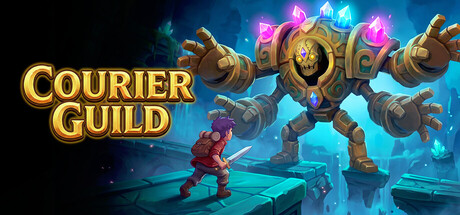
Some content in COURIER GUILD was created with the assistance of AI tools, including visual assets, music, and text. All AI-generated content has been manually reviewed, edited, and refined by the developer to fit the game's style and vision.
This product uses AI tools to assist in generating code, art assets, and other content. All AI-generated materials have been significantly edited, modified, and polished by human developers to ensure originality, quality, and compliance with copyright regulations.
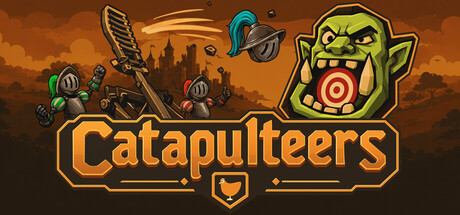
Some content in Catapulteers was created with the assistance of generative AI tools, including selected in-game textures, models, voice-over, and music.
Catapulteers is a handcrafted game made by a small independent team of five developers. We use AI only as one of several production tools to support specific parts of asset creation and iteration.
Every AI-assisted element has been reviewed, edited, selected, and integrated by our team, and the final creative direction, gameplay, humor, world, systems, and overall experience are fully authored by us.
Some item icons, visual assets, and music in this game were created with the assistance of generative AI. In-game text was translated to multiple languages using AI. All AI-generated content was reviewed, edited, and curated by the developer.
This game uses generative AI tools to assist with the translation of text from German to English, as well as for proofreading and editing written content. All AI-assisted outputs are reviewed and refined by the developers to ensure quality and consistency.
A pre-generated AI tool was used during development to help create the main menu background image. The final selected image was curated and integrated by the developer. No live AI-generated content is present in gameplay.
Artificial Intelligence was used as a supportive tool in the creative process to generate or refine certain 2D graphical elements, such as UI icons, background textures, and concept art. All assets have been manually reviewed, edited, and finalized by the development team to ensure quality and artistic consistency.
Translation and Localization: Parts of the text localization were processed with the assistance of AI-based translation tools. Every text string was subsequently reviewed by human editors to ensure terminological accuracy, proper grammar, and cultural adaptation.
This project leverages generative AI to assist in software development and documentation processing, covering data retrieval and synthesis, localization, modular script implementation, and code logic optimization. By utilizing AI for cross-disciplinary knowledge integration and performance refactoring, all outputs undergo manual review and adjustment. This ensures that core creativity remains developer-led while enhancing development efficiency under the premise of maintaining system stability.
AI tools assisted with game design documentation, initial draft text content, and development planning. The initial AI-generated in-game texts have been replaced with hand-written translations (German complete; English replacement in progress). All in-game content is reviewed and curated by the developer. No AI is used during gameplay.
This game was built by a solo developer using AI-assisted coding tools throughout development, including for generating SVG code that was rendered into game icons. All creative direction, game design, and visual style decisions were made by the developer. No AI image generation models were used to create artwork.
During development of this game AI was used for code completion, art generation, text descriptions and a psychological/motivational/emotional support as well as release planning. Pretty much at every step of this game dev journey the AI was part of it.
I’m a solo developer and I use my own cat photography in the game. Some of those photos were transformed into in-game card art with generative AI. Both my original photography and the card art based on it are included in the game. Voice lines in the intro cinematic were also generated with AI. Generative AI is also used when generating stylized weapon & power-up cards. Final assets were selected and edited by the developer.
AI is used to generate some Steam store page assets, as well as some in-game icons and typography. All 3D assets and visual effects in the game are handcrafted and contain no AI-generated content.
Generative AI "Gemini" was utilized across various stages of development, including coding and image generation.
While AI helped improve development efficiency, all final adjustments and quality control were performed manually with the utmost care to ensure the best possible experience for our players.
Generative AI tools were used exclusively during the development process for brainstorming ideas and coding assistance. All in-game assets—including art, animation, audio, and narrative—were entirely created by our human team.
AI was used as a coding assistant and for assistance with sprite animation. However none of the art was fully generated by AI. All art, be it music or drawn, was originally created by myself, the sole developer, or from open source creators.
Generative AI was carefully used for structuring the majority of content available in the decks, given the vast breadth of the topics/languages available. However, every piece of information was extracted from publicly available curated sources, where AI was used for the re-writing the facts into questions. Also, in general the distractors (wrong answers) are intelligently chosen at runtime based on similar answers of similar length, however it can occur that certain answer pools where too small for reasonable gameplay. For this, fake answers were generated by AI as well, albeit rarely.
AI-generated images were used during the concept and reference phase. All final in-game artwork, including card illustrations, backgrounds, UI elements, and promotional materials, was hand-crafted and finalized by the developer.
Empetiti: Quest for the Pinnacle uses generative AI as part of the production pipeline for selected images and voice-over/audio assets appearing in the game and some promotional materials. These assets are reviewed and refined by the development team before being published. The game does not use live-generated AI during gameplay.
THE GAME IS CONSTANTLY BEING REWORKED TO FURTHER MINIMISE THE USE OF AI-GENERATED IMAGES AND VOICES.
This game was 100% developed using AI (Claude Code by Anthropic) — including game design, programming, balancing, and localization. No AI is used during gameplay.
Character portraits, battle scene backgrounds, and promotional artwork were created using AI image generation (Midjourney). All game design, narrative, code, and music are human-created.
Non-majorists are using Generative AI in everything from coding, images, audio, etc. to create games with just planning. At least it's a lot better than what I do myself.
This game uses pre-generated AI images for card artwork and
character sprites, created with Stable Diffusion. No AI is used
to generate content during gameplay.
Game art assets are generated using AI tools to create initial concept art, which is then manually adjusted and modified by artists. The final works combine AI-generated foundational designs with human artistic revisions.
Some dynamic art assets are assisted in their creation by AI tools.
The developer has used generative artificial intelligence tools for assistance during development. This includes code generation and optimization, drafting and translating text for the store page, and creating promotional images and marketing assets. All generated elements have been manually reviewed and edited to fit the project's vision
Some of the artworks, sounds and localizations in the game have been partially or entirely generated with the help of AI.
We strongly believe AI will help videogames reach new heights, not kill jobs nor creativity.
Generative AI was not used to create any in-game content resources. AI was utilized solely for the translation of certain in-game dialogue and external content, such as our Steam page and community posts.
Some content in COURIER GUILD was created with the assistance of AI tools, including visual assets, music, and text. All AI-generated content has been manually reviewed, edited, and refined by the developer to fit the game's style and vision.
This product uses AI tools to assist in generating code, art assets, and other content. All AI-generated materials have been significantly edited, modified, and polished by human developers to ensure originality, quality, and compliance with copyright regulations.
Some content in Catapulteers was created with the assistance of generative AI tools, including selected in-game textures, models, voice-over, and music.
Catapulteers is a handcrafted game made by a small independent team of five developers. We use AI only as one of several production tools to support specific parts of asset creation and iteration.
Every AI-assisted element has been reviewed, edited, selected, and integrated by our team, and the final creative direction, gameplay, humor, world, systems, and overall experience are fully authored by us.
Some item icons, visual assets, and music in this game were created with the assistance of generative AI. In-game text was translated to multiple languages using AI. All AI-generated content was reviewed, edited, and curated by the developer.
This game uses generative AI tools to assist with the translation of text from German to English, as well as for proofreading and editing written content. All AI-assisted outputs are reviewed and refined by the developers to ensure quality and consistency.
A pre-generated AI tool was used during development to help create the main menu background image. The final selected image was curated and integrated by the developer. No live AI-generated content is present in gameplay.
Artificial Intelligence was used as a supportive tool in the creative process to generate or refine certain 2D graphical elements, such as UI icons, background textures, and concept art. All assets have been manually reviewed, edited, and finalized by the development team to ensure quality and artistic consistency.
Translation and Localization: Parts of the text localization were processed with the assistance of AI-based translation tools. Every text string was subsequently reviewed by human editors to ensure terminological accuracy, proper grammar, and cultural adaptation.
This project leverages generative AI to assist in software development and documentation processing, covering data retrieval and synthesis, localization, modular script implementation, and code logic optimization. By utilizing AI for cross-disciplinary knowledge integration and performance refactoring, all outputs undergo manual review and adjustment. This ensures that core creativity remains developer-led while enhancing development efficiency under the premise of maintaining system stability.
AI tools assisted with game design documentation, initial draft text content, and development planning. The initial AI-generated in-game texts have been replaced with hand-written translations (German complete; English replacement in progress). All in-game content is reviewed and curated by the developer. No AI is used during gameplay.
This game was built by a solo developer using AI-assisted coding tools throughout development, including for generating SVG code that was rendered into game icons. All creative direction, game design, and visual style decisions were made by the developer. No AI image generation models were used to create artwork.
During development of this game AI was used for code completion, art generation, text descriptions and a psychological/motivational/emotional support as well as release planning. Pretty much at every step of this game dev journey the AI was part of it.
I’m a solo developer and I use my own cat photography in the game. Some of those photos were transformed into in-game card art with generative AI. Both my original photography and the card art based on it are included in the game. Voice lines in the intro cinematic were also generated with AI. Generative AI is also used when generating stylized weapon & power-up cards. Final assets were selected and edited by the developer.
AI is used to generate some Steam store page assets, as well as some in-game icons and typography. All 3D assets and visual effects in the game are handcrafted and contain no AI-generated content.
Generative AI "Gemini" was utilized across various stages of development, including coding and image generation.
While AI helped improve development efficiency, all final adjustments and quality control were performed manually with the utmost care to ensure the best possible experience for our players.
Generative AI tools were used exclusively during the development process for brainstorming ideas and coding assistance. All in-game assets—including art, animation, audio, and narrative—were entirely created by our human team.
AI was used as a coding assistant and for assistance with sprite animation. However none of the art was fully generated by AI. All art, be it music or drawn, was originally created by myself, the sole developer, or from open source creators.
Generative AI was carefully used for structuring the majority of content available in the decks, given the vast breadth of the topics/languages available. However, every piece of information was extracted from publicly available curated sources, where AI was used for the re-writing the facts into questions. Also, in general the distractors (wrong answers) are intelligently chosen at runtime based on similar answers of similar length, however it can occur that certain answer pools where too small for reasonable gameplay. For this, fake answers were generated by AI as well, albeit rarely.
AI-generated images were used during the concept and reference phase. All final in-game artwork, including card illustrations, backgrounds, UI elements, and promotional materials, was hand-crafted and finalized by the developer.
Empetiti: Quest for the Pinnacle uses generative AI as part of the production pipeline for selected images and voice-over/audio assets appearing in the game and some promotional materials. These assets are reviewed and refined by the development team before being published. The game does not use live-generated AI during gameplay.
THE GAME IS CONSTANTLY BEING REWORKED TO FURTHER MINIMISE THE USE OF AI-GENERATED IMAGES AND VOICES.
This game was 100% developed using AI (Claude Code by Anthropic) — including game design, programming, balancing, and localization. No AI is used during gameplay.
Character portraits, battle scene backgrounds, and promotional artwork were created using AI image generation (Midjourney). All game design, narrative, code, and music are human-created.
Non-majorists are using Generative AI in everything from coding, images, audio, etc. to create games with just planning. At least it's a lot better than what I do myself.
This game uses pre-generated AI images for card artwork and
character sprites, created with Stable Diffusion. No AI is used
to generate content during gameplay.