Public Steam disclosure research25,394 disclosures tracked
Where do games disclose AI use?
Search developers’ Steam disclosures, compare classified AI use across
games, and follow recorded changes.
This index adds cross-game classifications and statistics to
statements published on individual store pages.
Groups reflect automatic analysis of public disclosures; mature records are excluded. These counts do not measure AI use across all of Steam.
Missing or unclear statements cannot establish whether a game uses AI.
In the process of writing the code, building the game world, as well as creating graphics and publishing the game, hints (as a consultation) from artificial intelligence were used.
Generative AI was used to create text descriptions, translations into different languages, as well as the logo and graphic elements.
Some secondary visual assets in this game were created with the assistance of AI tools. This includes certain in-game illustrations and marketing materials.
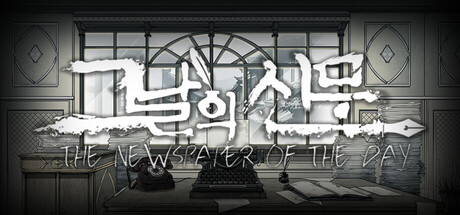
This game used generative AI as an assistive tool during development to expand the scope of content production and improve workflow efficiency. The specific areas of use are as follows:
Art: AI was used to create most of the background images that establish the game’s historical atmosphere, to enhance the quality of the main character concept art, to create extra character images, and to produce UI icons. All AI-generated visual assets were retouched and edited by artists to match the game’s direction and visual tone.
Text and Localization: AI was used to draft large volumes of newspaper articles, public reactions, and text used in minigames. AI was also used to assist with proofreading, context checking, and drafting or reviewing some localized text.
All AI-generated or AI-assisted results were reviewed, edited, and adjusted directly by the development team before being used in the game.
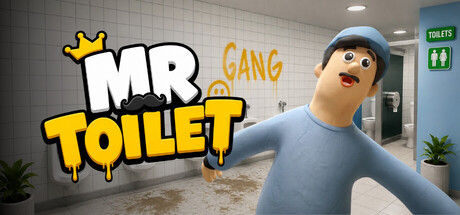
AI was used during the production of Mr. Toilet to support selected marketing and localization tasks. In particular, we used AI tools to help prepare promotional materials, including the Steam key art, as well as to assist with the translations available in the game.
During development, we mainly used it to generate and complete code. We also used it to improve work efficiency by proofreading some text and converting images to black and white for verification.
The music in the trailer has been made with AI. Some code elements have been made with AI-Assistance tooling. In game UI elements have been made with the use of generative AI.
Some visual assets and music in the game were created with the assistance of generative AI tools.
All AI-generated elements were manually reviewed, edited, and integrated into the game by the developer. AI was used only as a creative tool during development, while the final design, gameplay systems, and overall game content were created and implemented by the developer.
No generative AI is used during gameplay or in real-time by players.
Some of the marketing and promotional images used on this store page were created using AI tools to visually represent the game concept. The actual game content, including gameplay mechanics and in-game assets, was entirely developed by the team without any generative AI assistance.
This game includes some icons and images that were created with the assistance of AI tools. No AI is used during gameplay or for generating real-time content.
Some store page images were created with the help of AI. Our game artist uses AI tools as part of the design process to speed up and enhance creativity.
Some visual assets used on the store page (such as promotional key art and background elements) were initially created with the assistance of generative AI tools and then manually refined and edited by our art team. No in-game content is generated using AI during gameplay.
Some early drafts of marketing texts were generated using AI and later reviewed and edited by a human.
We used generative AI tools to assist with the creation of some marketing assets and non-essential game content.
Specifically, AI was used to generate character voice lines via TTS, decorative images for UI or promotional materials, and to assist with writing flavor text and descriptions.
All final content was reviewed and edited by the development team to ensure quality and originality.
As a solo developer, I use AI selectively to speed up my workflow, not to replace creativity, but to support it. For example, I may use AI to assist with generating or processing certain audio files, which are then carefully edited and curated before being included in the game. No 3D assets AI-generated. I believe in using AI as a tool to enhance development, not automate it, and I strive to be transparent about its use.
WilderLands uses AI to simulate NPC behavior and societies through reinforcement and deep learning.
AI agents adapt to the environment, form communities, make decisions, and learn over time.
They are not controlled by the player but evolve independently, creating personalized gameplay and unpredictable outcomes.
Some store page and library artworks were created using generative AI. All AI-generated images were manually edited, enhanced, and finalized by the developer. No AI was used for gameplay assets, models, sounds, or UI elements.
Some store page images were created with the help of AI. Our game artist uses AI tools to support and accelerate the creative process for certain designs.
Space Mantlet uses AI to generate in game voices and translation text in game and in the store. Voice Synthesis Powered by: Coqui TTS – Mozilla Public License 2.0 Model: tts_models/en/vctk/vits (based on the VCTK corpus)
This game uses generative AI to create some visual assets. Specifically, we used AI generated artwork for certain marketing materials on the Steam store (capsules, headers, and logos), as well as a limited number of in-game illustrative images. All AI generated content has been reviewed, edited, and approved by our team to ensure originality, consistency, and compliance with Steam’s content policies. The gameplay itself, core art assets, and all game systems were created directly by our team.
Some textures include visual elements partially created with AI (e.g., artwork on a CD cover). All final assets were assembled, edited, and implemented by the developer.
All game code has been written with the assistance of artificial intelligence tools.
Additionally, AI-assisted workflows were used in the creation of visual assets for both the in-game content and the Steam store page.
The store page materials, game main interface background image, loading interface background image, and card artwork are all generated by artificial intelligence
Some images and icons in the game were generated with AI and post-processed manually.
In-game music and voice-overs are AI generated.
More details on my use of AI in my devlog: https://lemuria.org/devlogs/ta-07/
AI is used to power the in-game assistant character, providing dynamic dialogue and context-aware guidance during gameplay. The AI generates helpful hints, tutorial information, and gameplay tips based on your current situation. All AI-generated content is limited to gameplay assistance only and cannot produce inappropriate or copyrighted material.
AI tools were used during development to assist with asset creation, texture generation, and development workflows. All AI-generated content was reviewed, modified, and curated by the development team.
In the process of writing the code, building the game world, as well as creating graphics and publishing the game, hints (as a consultation) from artificial intelligence were used.
Generative AI was used to create text descriptions, translations into different languages, as well as the logo and graphic elements.
Some secondary visual assets in this game were created with the assistance of AI tools. This includes certain in-game illustrations and marketing materials.
This game used generative AI as an assistive tool during development to expand the scope of content production and improve workflow efficiency. The specific areas of use are as follows:
Art: AI was used to create most of the background images that establish the game’s historical atmosphere, to enhance the quality of the main character concept art, to create extra character images, and to produce UI icons. All AI-generated visual assets were retouched and edited by artists to match the game’s direction and visual tone.
Text and Localization: AI was used to draft large volumes of newspaper articles, public reactions, and text used in minigames. AI was also used to assist with proofreading, context checking, and drafting or reviewing some localized text.
All AI-generated or AI-assisted results were reviewed, edited, and adjusted directly by the development team before being used in the game.
AI was used during the production of Mr. Toilet to support selected marketing and localization tasks. In particular, we used AI tools to help prepare promotional materials, including the Steam key art, as well as to assist with the translations available in the game.
During development, we mainly used it to generate and complete code. We also used it to improve work efficiency by proofreading some text and converting images to black and white for verification.
The music in the trailer has been made with AI. Some code elements have been made with AI-Assistance tooling. In game UI elements have been made with the use of generative AI.
Some visual assets and music in the game were created with the assistance of generative AI tools.
All AI-generated elements were manually reviewed, edited, and integrated into the game by the developer. AI was used only as a creative tool during development, while the final design, gameplay systems, and overall game content were created and implemented by the developer.
No generative AI is used during gameplay or in real-time by players.
Some of the marketing and promotional images used on this store page were created using AI tools to visually represent the game concept. The actual game content, including gameplay mechanics and in-game assets, was entirely developed by the team without any generative AI assistance.
This game includes some icons and images that were created with the assistance of AI tools. No AI is used during gameplay or for generating real-time content.
Some store page images were created with the help of AI. Our game artist uses AI tools as part of the design process to speed up and enhance creativity.
Some visual assets used on the store page (such as promotional key art and background elements) were initially created with the assistance of generative AI tools and then manually refined and edited by our art team. No in-game content is generated using AI during gameplay.
Some early drafts of marketing texts were generated using AI and later reviewed and edited by a human.
We used generative AI tools to assist with the creation of some marketing assets and non-essential game content.
Specifically, AI was used to generate character voice lines via TTS, decorative images for UI or promotional materials, and to assist with writing flavor text and descriptions.
All final content was reviewed and edited by the development team to ensure quality and originality.
As a solo developer, I use AI selectively to speed up my workflow, not to replace creativity, but to support it. For example, I may use AI to assist with generating or processing certain audio files, which are then carefully edited and curated before being included in the game. No 3D assets AI-generated. I believe in using AI as a tool to enhance development, not automate it, and I strive to be transparent about its use.
WilderLands uses AI to simulate NPC behavior and societies through reinforcement and deep learning.
AI agents adapt to the environment, form communities, make decisions, and learn over time.
They are not controlled by the player but evolve independently, creating personalized gameplay and unpredictable outcomes.
Some store page and library artworks were created using generative AI. All AI-generated images were manually edited, enhanced, and finalized by the developer. No AI was used for gameplay assets, models, sounds, or UI elements.
Some store page images were created with the help of AI. Our game artist uses AI tools to support and accelerate the creative process for certain designs.
Space Mantlet uses AI to generate in game voices and translation text in game and in the store. Voice Synthesis Powered by: Coqui TTS – Mozilla Public License 2.0 Model: tts_models/en/vctk/vits (based on the VCTK corpus)
This game uses generative AI to create some visual assets. Specifically, we used AI generated artwork for certain marketing materials on the Steam store (capsules, headers, and logos), as well as a limited number of in-game illustrative images. All AI generated content has been reviewed, edited, and approved by our team to ensure originality, consistency, and compliance with Steam’s content policies. The gameplay itself, core art assets, and all game systems were created directly by our team.
Some textures include visual elements partially created with AI (e.g., artwork on a CD cover). All final assets were assembled, edited, and implemented by the developer.
All game code has been written with the assistance of artificial intelligence tools.
Additionally, AI-assisted workflows were used in the creation of visual assets for both the in-game content and the Steam store page.
The store page materials, game main interface background image, loading interface background image, and card artwork are all generated by artificial intelligence
Some images and icons in the game were generated with AI and post-processed manually.
In-game music and voice-overs are AI generated.
More details on my use of AI in my devlog: https://lemuria.org/devlogs/ta-07/
AI is used to power the in-game assistant character, providing dynamic dialogue and context-aware guidance during gameplay. The AI generates helpful hints, tutorial information, and gameplay tips based on your current situation. All AI-generated content is limited to gameplay assistance only and cannot produce inappropriate or copyrighted material.
AI tools were used during development to assist with asset creation, texture generation, and development workflows. All AI-generated content was reviewed, modified, and curated by the development team.