Public Steam disclosure research25,508 disclosures tracked
Where do games disclose AI use?
Search developers’ Steam disclosures, compare classified AI use across
games, and follow recorded changes.
This index adds cross-game classifications and statistics to
statements published on individual store pages.
Groups reflect automatic analysis of public disclosures; mature records are excluded. These counts do not measure AI use across all of Steam.
Missing or unclear statements cannot establish whether a game uses AI.
Some of the game's 2D artwork (store page graphics and character portraits) was pre-generated using generative AI tools, then reviewed and edited by the developer. The game does not generate any AI content at runtime. All gameplay, level design, and code are human-made.
AI tools were used during the development of this game to assist with programming, and the creation of some sound effects and UI images. All AI-assisted content was reviewed and edited by the developer before being incorporated into the game.
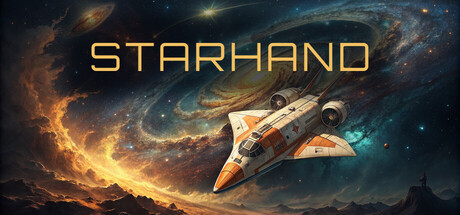
The visual art, music, sound effects, pilot voice lines and written text in Starhand were created using generative AI tools — Recraft for illustration, Suno for music, and ElevenLabs for voice and sound effects — and were then selected, edited and assembled by the developer. All of it is generated ahead of time and ships as fixed assets: the game does not generate any content while you play, and it does not connect to any AI service at runtime.
Generative AI tools were used during development to create some pre-generated 2D concept art and visual assets that appear in the game and its marketing materials. These assets were selected, edited, integrated, and reviewed by the development team. The game does not generate AI content while it is running.
Some shipped content was created with the help of generative AI tools and then reviewed and edited by the developer: parts of the store and marketing artwork, the trailer music, and the first drafts of the interface translations (German, Spanish, French, Polish, Brazilian Portuguese). All gameplay, rules logic and code are deterministic and human-reviewed. The game does not generate any AI content at runtime.
Generative AI was used to assist in creating some UI elements. No AI-generated content was used as-is; all assets were manually reviewed, refined, and polished by our designers before inclusion in the game.
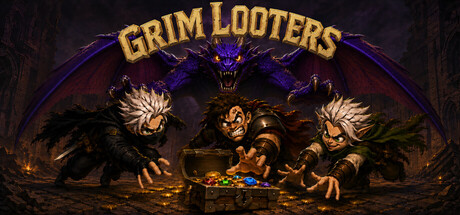
The visual assets in Grim Looters — character, monster, item and card artwork, plus the store and marketing images — were created with the assistance of generative AI image tools and then curated, edited, and assembled by the developer. Some background music was AI-assisted. All AI-generated content is reviewed by the developer to ensure it is appropriate and cleared for use. No AI content is generated live during gameplay.
Generative AI is used in this game for localization.
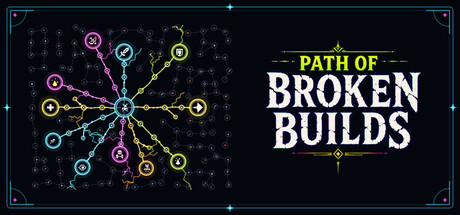
Text plays a supporting role here: the game has no story, dialogue or voice acting. Its text is limited to interface labels, node names and short stat descriptions, while the gameplay itself runs on numbers and visual language.
Generative AI was used during development to assist with selected pre-generated marketing and Steam store artwork, concept and reference images, product packaging artwork and textures, and localization. All AI-assisted content was reviewed, edited and curated by the developer before being included. The game does not generate AI content during gameplay.
Generative AI tools were used during development to assist with portions of code writing and debugging, text drafting and editing, English localization, and the creation of some music assets. All related content was manually reviewed, revised, curated, and approved by the developer.
The game does not generate any AI content during gameplay and does not connect to external AI services.
Ash Run '84 is a human-designed game built with the assistance of AI tools in specific areas of development.
*Gameplay, mechanics, game design, level design, balance, pixel art units, buildings, tiles, UI, and production direction were created by our two-person development team.*
AI Created:
- Commander portraits are currently AI-assisted placeholder artwork. We plan to replace them with original human-created artwork as development continues.
- Music is currently AI-generated for this release. If the game receives sufficient support, we intend to commission an original soundtrack composed by a human musician.
- Programming was developed by our team with AI-assisted coding tools used to accelerate implementation, debugging, testing, and iteration. All code was reviewed, integrated, and directed by the developers.
Generative AI tools were used during development to assist with programming and to create or refine portions of the game’s artwork, visual assets, sound effects, and other audio. All AI-assisted content was selected, edited, integrated, and reviewed by the developer. The game does not generate AI content or connect to external AI services during gameplay.
Generative AI was used during development to assist with some
pre-generated 2D artwork, icons, card and character illustrations,
store graphical assets, localization, written content, and portions
of code implementation. All outputs were reviewed, selected, edited
where needed, and manually integrated by the developer. The game
does not generate AI content or code during gameplay.
Some images in the current version were created with the assistance of generative AI. These assets are planned to be replaced with original artwork during development.
This game used generative artificial intelligence to assist in creating certain content, including: concept designs for the opening comic and concept art for some UI elements. All AI-assisted content has been reviewed, edited, and remade manually. The game does not generate real-time AI content during runtime.
AI generative tools are used in development. Non-English translations and some marketing material were also produced with AI assistance.
Nothing is generated by AI while the game is running.
This game uses generative AI to assist in producing some in-game text (such as news articles, in-game emails, and flavor text), 2D visual assets (such as player portraits, icons, and background art), and audio (background music and user interface sound effects). All AI-assisted content is generated during development and reviewed before release; the game does not generate content while you play.
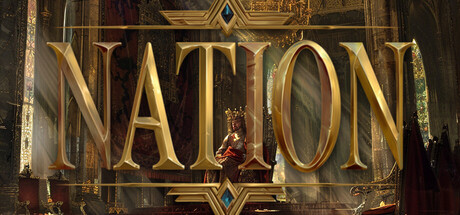
Some of Nation's 2D artwork — character portraits, card illustrations, backgrounds, and store/marketing images — was created with the assistance of generative AI tools, then selected, edited, and composited by our team. All game design, rules, writing, and code are human-made. The game does not generate content with AI while you play.
Generative AI tools were used during development to assist with the creation of some pre-generated visual assets and development materials. All AI-assisted content is reviewed, selected, and integrated by the developer. The game does not generate AI content during gameplay.
Selected pre-generated visual materials used for the Steam store page, capsule artwork, promotional assets, and presentation screenshots were created or refined with the assistance of generative AI tools.
The game does not use live generative AI during gameplay. No gameplay content, dialogue, images, audio, or missions are generated in real time by AI, and the game does not connect to external AI services during play.
Some artwork (ship, station and environment sprites, icons) and sound effects were created using generative AI tools during development, then curated and hand-edited by the developer. All AI-generated content was reviewed before inclusion.
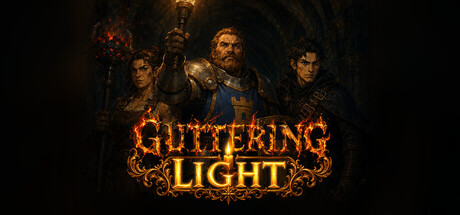
Guttering Light's content was created using generative AI tools, with every piece prompted, curated, and integrated by the game's solo developer. All AI-generated content is pre-generated: it was reviewed and hand-finished during development, and nothing is generated while you play.
Some of the capsule artwork on this store page was created with the help of AI tools. No AI-generated content is used in the game's in-game art, code, audio or text.
During development, OpenAI image generation tools were used to create portions of the game's 2D artwork, including characters, monsters, backgrounds, UI elements, and icons. Suno was used to create portions of the background music, and ElevenLabs was used to create portions of the sound effects. Generative AI was also used as a drafting and editing aid for some in-game writing and localization.
All generated material was selected, edited, processed, and reviewed by the developer before inclusion in the game. The game does not connect to generative AI services at runtime and does not generate content from player input.
Some content was created with the help of neural networks; all materials were reviewed and edited by hand. The game does not generate anything with AI at runtime.
AI-generated content is used in this product. The store page capsule artwork was created using an AI image generation tool. Portions of the store page description text were drafted with the assistance of an AI writing tool and reviewed/edited by the developer.
Some music, sound effects, and UI icons in this game were created with the assistance of generative AI tools during development. All AI-generated content has been directly reviewed, selected, and retouched for optimal integration.
Generative AI tools were used to create some background assets used within the actual game client. All game assets created this way were pre-generated and fixed by the developer.
Generative AI tools were used during development to assist in the creation of some 3D assets. All AI-assisted content was reviewed, edited, and integrated by the developer before being included in the game.
Generative AI tools were used to assist in creating initial visual assets (such as background textures and UI elements). All generated assets have been manually edited, refined, and integrated into the game by the developer.
Pre-generated AI-assisted content is used in some 2D artwork, including unit sprites, character portraits, card illustrations, battlefield backgrounds, visual effects, UI decorative elements, and store and marketing artwork. AI assistance was also used for portions of in-game text and English/Japanese localization. All such content is generated before release and curated and edited by the developer. The game does not generate content during gameplay and does not connect to a generative AI service at runtime.
Generative artwork is used in the creation of part or full of assets that can not be generated by the game engine. AI is used in the drafting of art and writing before it is reviewed and heavily edited.
This game includes pre-generated artwork and music created with the assistance of generative AI. All generated content was reviewed and curated by the developer. The game does not generate AI content during gameplay.
Some of the game's 2D artwork (store page graphics and character portraits) was pre-generated using generative AI tools, then reviewed and edited by the developer. The game does not generate any AI content at runtime. All gameplay, level design, and code are human-made.
AI tools were used during the development of this game to assist with programming, and the creation of some sound effects and UI images. All AI-assisted content was reviewed and edited by the developer before being incorporated into the game.
The visual art, music, sound effects, pilot voice lines and written text in Starhand were created using generative AI tools — Recraft for illustration, Suno for music, and ElevenLabs for voice and sound effects — and were then selected, edited and assembled by the developer. All of it is generated ahead of time and ships as fixed assets: the game does not generate any content while you play, and it does not connect to any AI service at runtime.
Generative AI tools were used during development to create some pre-generated 2D concept art and visual assets that appear in the game and its marketing materials. These assets were selected, edited, integrated, and reviewed by the development team. The game does not generate AI content while it is running.
Some shipped content was created with the help of generative AI tools and then reviewed and edited by the developer: parts of the store and marketing artwork, the trailer music, and the first drafts of the interface translations (German, Spanish, French, Polish, Brazilian Portuguese). All gameplay, rules logic and code are deterministic and human-reviewed. The game does not generate any AI content at runtime.
Generative AI was used to assist in creating some UI elements. No AI-generated content was used as-is; all assets were manually reviewed, refined, and polished by our designers before inclusion in the game.
The visual assets in Grim Looters — character, monster, item and card artwork, plus the store and marketing images — were created with the assistance of generative AI image tools and then curated, edited, and assembled by the developer. Some background music was AI-assisted. All AI-generated content is reviewed by the developer to ensure it is appropriate and cleared for use. No AI content is generated live during gameplay.
Generative AI is used in this game for localization.
Text plays a supporting role here: the game has no story, dialogue or voice acting. Its text is limited to interface labels, node names and short stat descriptions, while the gameplay itself runs on numbers and visual language.
Generative AI was used during development to assist with selected pre-generated marketing and Steam store artwork, concept and reference images, product packaging artwork and textures, and localization. All AI-assisted content was reviewed, edited and curated by the developer before being included. The game does not generate AI content during gameplay.
Generative AI tools were used during development to assist with portions of code writing and debugging, text drafting and editing, English localization, and the creation of some music assets. All related content was manually reviewed, revised, curated, and approved by the developer.
The game does not generate any AI content during gameplay and does not connect to external AI services.
Ash Run '84 is a human-designed game built with the assistance of AI tools in specific areas of development.
*Gameplay, mechanics, game design, level design, balance, pixel art units, buildings, tiles, UI, and production direction were created by our two-person development team.*
AI Created:
- Commander portraits are currently AI-assisted placeholder artwork. We plan to replace them with original human-created artwork as development continues.
- Music is currently AI-generated for this release. If the game receives sufficient support, we intend to commission an original soundtrack composed by a human musician.
- Programming was developed by our team with AI-assisted coding tools used to accelerate implementation, debugging, testing, and iteration. All code was reviewed, integrated, and directed by the developers.
Generative AI tools were used during development to assist with programming and to create or refine portions of the game’s artwork, visual assets, sound effects, and other audio. All AI-assisted content was selected, edited, integrated, and reviewed by the developer. The game does not generate AI content or connect to external AI services during gameplay.
Generative AI was used during development to assist with some
pre-generated 2D artwork, icons, card and character illustrations,
store graphical assets, localization, written content, and portions
of code implementation. All outputs were reviewed, selected, edited
where needed, and manually integrated by the developer. The game
does not generate AI content or code during gameplay.
Some images in the current version were created with the assistance of generative AI. These assets are planned to be replaced with original artwork during development.
This game used generative artificial intelligence to assist in creating certain content, including: concept designs for the opening comic and concept art for some UI elements. All AI-assisted content has been reviewed, edited, and remade manually. The game does not generate real-time AI content during runtime.
AI generative tools are used in development. Non-English translations and some marketing material were also produced with AI assistance.
Nothing is generated by AI while the game is running.
This game uses generative AI to assist in producing some in-game text (such as news articles, in-game emails, and flavor text), 2D visual assets (such as player portraits, icons, and background art), and audio (background music and user interface sound effects). All AI-assisted content is generated during development and reviewed before release; the game does not generate content while you play.
Some of Nation's 2D artwork — character portraits, card illustrations, backgrounds, and store/marketing images — was created with the assistance of generative AI tools, then selected, edited, and composited by our team. All game design, rules, writing, and code are human-made. The game does not generate content with AI while you play.
Generative AI tools were used during development to assist with the creation of some pre-generated visual assets and development materials. All AI-assisted content is reviewed, selected, and integrated by the developer. The game does not generate AI content during gameplay.
Selected pre-generated visual materials used for the Steam store page, capsule artwork, promotional assets, and presentation screenshots were created or refined with the assistance of generative AI tools.
The game does not use live generative AI during gameplay. No gameplay content, dialogue, images, audio, or missions are generated in real time by AI, and the game does not connect to external AI services during play.
Some artwork (ship, station and environment sprites, icons) and sound effects were created using generative AI tools during development, then curated and hand-edited by the developer. All AI-generated content was reviewed before inclusion.
Guttering Light's content was created using generative AI tools, with every piece prompted, curated, and integrated by the game's solo developer. All AI-generated content is pre-generated: it was reviewed and hand-finished during development, and nothing is generated while you play.
Some of the capsule artwork on this store page was created with the help of AI tools. No AI-generated content is used in the game's in-game art, code, audio or text.
During development, OpenAI image generation tools were used to create portions of the game's 2D artwork, including characters, monsters, backgrounds, UI elements, and icons. Suno was used to create portions of the background music, and ElevenLabs was used to create portions of the sound effects. Generative AI was also used as a drafting and editing aid for some in-game writing and localization.
All generated material was selected, edited, processed, and reviewed by the developer before inclusion in the game. The game does not connect to generative AI services at runtime and does not generate content from player input.
Some content was created with the help of neural networks; all materials were reviewed and edited by hand. The game does not generate anything with AI at runtime.
AI-generated content is used in this product. The store page capsule artwork was created using an AI image generation tool. Portions of the store page description text were drafted with the assistance of an AI writing tool and reviewed/edited by the developer.
Some music, sound effects, and UI icons in this game were created with the assistance of generative AI tools during development. All AI-generated content has been directly reviewed, selected, and retouched for optimal integration.
Generative AI tools were used to create some background assets used within the actual game client. All game assets created this way were pre-generated and fixed by the developer.
Generative AI tools were used during development to assist in the creation of some 3D assets. All AI-assisted content was reviewed, edited, and integrated by the developer before being included in the game.
Generative AI tools were used to assist in creating initial visual assets (such as background textures and UI elements). All generated assets have been manually edited, refined, and integrated into the game by the developer.
Pre-generated AI-assisted content is used in some 2D artwork, including unit sprites, character portraits, card illustrations, battlefield backgrounds, visual effects, UI decorative elements, and store and marketing artwork. AI assistance was also used for portions of in-game text and English/Japanese localization. All such content is generated before release and curated and edited by the developer. The game does not generate content during gameplay and does not connect to a generative AI service at runtime.
Generative artwork is used in the creation of part or full of assets that can not be generated by the game engine. AI is used in the drafting of art and writing before it is reviewed and heavily edited.
This game includes pre-generated artwork and music created with the assistance of generative AI. All generated content was reviewed and curated by the developer. The game does not generate AI content during gameplay.