








Disclosure
I used AI for the Code assistance and for Graphics
- Creator
- To_Galan
- Reviews
- -
- Added
- Oct 10, 2026
Public Steam disclosure research 25,376 disclosures tracked
Search developers’ Steam disclosures, compare classified AI use across games, and follow recorded changes. This index adds cross-game classifications and statistics to statements published on individual store pages.
Code help, debugging and other development work.
Capsule art, trailers and promotional material.
Pre-made art, audio, writing and other game assets.
Interactive or runtime AI features disclosed by the developer.
Groups reflect automatic analysis of public disclosures; mature records are excluded. These counts do not measure AI use across all of Steam. Missing or unclear statements cannot establish whether a game uses AI.
I used AI for the Code assistance and for Graphics
In the game itself, all graphics and sound effects are drawn and synthesized by the game's own code, which was also written with AI assistance. The game contains no AI-generated image, voice or music files, and nothing is generated by AI while you play.
Some item icons, sound effects and translations were created with the help of generative AI tools.
Generative AI was used during development to create promotional illustrations and the title-screen logo, and to assist with written text and translations. This content is prepared in advance. The game does not generate content or connect to AI services during gameplay.
The music, most sound effects and a few sprites and icons were made with AI assistance and reviewed by the team. Store graphics were assembled with AI assistance from the team's own artwork. No AI generates content while you play.
Explanation about the game development process: In the early concept design and creative ideation stage of this game, we did use AI technology as an auxiliary tool to help us explore and validate various artistic styles and creative directions more quickly. These AI-generated reference materials provided us with initial inspiration. However, the core creative concepts, story writing, character design, and all artistic assets presented in the final game were personally conceived and carefully crafted by our creative team. Each game element underwent repeated human optimization and fine-tuning to ensure the best gaming experience. AI was only used as an auxiliary tool, and the final game content presented is the result of human creation. We have always adhered to human creation as the main driver, committed to bringing players a unique and meticulously polished gaming experience.
ZANOKA is made by a solo developer. All of its art began as hand-made drawings, sketches and pixel art, including concept art by artist Malaika Raheel. AI-assisted tools were used for polishing, frame interpolation and translation.
AI tools assisted with localization, store-page text, and preparation of promotional artwork. This content is prepared in advance. The game does not use AI to generate content during gameplay or connect to external AI services.
Generative AI was used to create or assist with game code, artwork, audio, written content, localization, and store marketing materials. Gameplay was designed by the developer. All content is prepared before release; no content or code is generated during gameplay, and no external AI services are used during gameplay.
Generative AI was used to create and edit pre-generated in-game backgrounds, character illustrations, CG artwork, icons, and UI artwork, as well as Steam store and library capsule images, the logo, and icons. Gameplay screenshots were captured directly from the game. The game does not generate AI content during play.
Part of the artwork is generated through code, and AI tools were used to help with coding.
AI-assisted tools were used during development to create and edit visual assets, including characters, equipment, creatures, environments, UI and store illustrations, and to assist with story text and localization. Music and sound effects were made using AI-assisted synthesis code and composition rules. The game uses prepared assets and predefined effects; it does not generate AI content or connect to generative AI services during play.
Generative AI was used to create or assist in the creation of some visual assets and promotional artwork, as well as music tracks used in the game.
AI tools were used to help create some of the content, which was then selected and edited by the developer: the store page capsule and library images, the achievement icons, some item art, the Reaper cutscene videos, and some voice lines. Most in-game art, sound effects and fonts come from licensed asset packs, and the game's design, writing and rules are hand-crafted by a game designer.
The scene atmosphere images and the port and building illustrations in the game were generated using AI.
Some 2D pixel-art sprites and illustrations (fortune-game icons, items and backgrounds) were created with the help of AI image tools (PixelLab) and then edited and curated by our developer. All game text, fortune logic, code, sound and the cat character animations are made by the developer or licensed (CC0/OFL).
Generative AI was used to create the voices, sound effects and illustrations. The stories are designed and directed by the developer.
The scenes, portraits and item pictures in this game, and the store art, were made with AI image-generation tools under the developer's direction. The paper and dark of the screens and the guild's red seal come from public-domain prints of the 15th to 17th centuries. Most of the written text, including the Japanese translation, was drafted with an AI model under the developer's direction and revised by hand. Music and sound effects were synthesised procedurally without AI. Nothing is generated by AI while you play.
Generative AI was used during development to create static artwork, including game sprites, icons, the illustrated menu background, and Steam store and library artwork. AI assistance was also used for written text and translations. These assets were reviewed and integrated by the developer. No content is generated by AI during gameplay.
AI was only used to translate the game into its different languages, to polish Dr. Ferrán's dialogue in each of them, and to polish the game's description on the Steam page. The original lines were written by us in Spanish.
This game uses generative AI in the production and development process. All AI-assisted art is reviewed and curated by the development team before being included in the game.
Nuclear Kitty Games is a human-led studio whose team brings 15 years of professional game-development experience. We use AI and large language models (LLMs) to support development and content creation, improve our workflows and speed up iteration. Our developers direct the design and development of every game, and review and integrate the final content. We are game makers and players who care about the games we create. Some content included in this game and its promotional materials was created with generative AI assistance. The game does not generate AI content or connect to AI services during play.
Generative AI was used during the development of this game to create code, illustrations, and audio assets.
AI tools assisted with game development, particularly multiplayer systems, and with the creation of in-game artwork, animations, and music as well as store and marketing visuals, including the logo.
Some backgrounds, map event effects, and promotional artwork were created with the assistance of generative AI during development. World simulation follows local rules; the game does not generate AI content or connect to external AI services during play.
Some 2D artwork and visual assets were created with the assistance of generative AI tools during development and were reviewed and edited by the developer. The game does not generate AI content during gameplay.
This game was made with the help of AI tools. Parts of the in-game text, the store page artwork and text, and the trailer (including its music) were created with AI assistance and reviewed by the developer. No content is generated by AI while you play.
The host's voice lines were generated with an AI text-to-speech service from a script we wrote. Parts of the store page text were drafted with AI assistance and edited by us. All game art, minigames and code are made by the developer; nothing is generated while you play.
Some store and library artwork, icons, and promotional imagery were created or enhanced with generative AI tools. Gameplay screenshots show actual gameplay. The game does not generate AI content during gameplay or connect to external AI services.
The game's 2D illustrations (rocks, gems, tools, icons and logo) were generated with AI image tools, then cleaned up and edited by the developer. Cracks, rarity effects, particles and animations are made in code. The translations were produced with the help of AI. The store page capsules, screenshots and trailer are built from these same in-game sprites. No content is generated by AI while the game is running.
Some translations were generated with AI and are in beta, so more players can enjoy the game in their language. The art and music were made without AI.
Dealer's Choice was made by a solo developer working with AI assistance. AI tools helped write the game's code and in-game text, and the store artwork and achievement icons were rendered from 3D models built with AI assistance. All of this content was created during development and reviewed by the developer. Nothing in the game is generated by AI while you play.
Generative AI tools were used to create visual artwork for the game and its marketing, and to assist with store-page text. These materials are prepared in advance. Temple Breaker does not generate content with AI during gameplay.
Some promotional artwork for Escape From Space, including images on its Steam store and library pages, was created with the assistance of generative AI and reviewed before use. The game does not generate content with AI during gameplay.
Some graphics and sound assets included in this game were created with the assistance of Generative AI and were subsequently reviewed and retouched by humans.
The player character's sprite sheet was created with an AI tool and edited by hand.
Generative AI assisted some game text and store descriptions. Promotional images and gameplay screenshots use actual game visuals. No live AI or external AI services. Offline.
The game includes 2D illustrations created with generative AI during development, including characters, enemies and backgrounds. These images were then manually cleaned up, edited and integrated into the game. The game does not generate AI content during gameplay.
The 32 illustrations, the soundtrack and the sound effects in A to Zen were created with generative AI tools from the developer's own prompts, then selected, checked and edited by hand. The in-game texts, the store translations and parts of the game code were also made with AI assistance and reviewed and tested by the developer. Game design, puzzle mechanics and the chapter concept are the developer's own work. Nothing is generated while you play, and the game does not connect to any AI service.
Bullet Factory is written in French and translated into other languages with generative AI. No content is generated by AI while you play.
NBD2 is an AI game development studio. As a solo indie dev who is unlikely to ever make a dime from any of my games, there's no other way I could bring my ideas to life. Pop 1,000,000 Hot Air Balloons was created using generative AI throughout development, including its artwork and visuals, store artwork, music, sound effects, player-facing text, and game code. All AI generation took place during development. The game does not generate AI content or code during play or connect to an external AI service. I recognize AI in game development is an extremely sensitive topic and I appreciate both sides. I only hope the game is fun. The goal should always be making something that human beings will enjoy.
The title logo was generated with an AI image tool and then cropped and resized by the developer. The store capsule artwork (the key art behind the logo) was generated with an AI image tool from text prompts only, then cropped and resized by the developer. The in-game text in every language except English and Japanese is machine-translated with an AI language model from the developer's English and Japanese text, and has not yet been reviewed by native speakers. Some English and Japanese interface text and the English and Japanese store description were drafted with an AI writing assistant and then reviewed and edited by the developer. The store description in the other languages is translated with an AI language model. The majority of the code and the design was written by AI coding agents (Claude and Codex) under the developer's direction and review. The in-game characters, items, maps, effects, music, sound effects and fonts are mostly purchased or licensed assets. The exceptions are 8 equipment icons, the slash and healing effects, the spectators in the stands, the crowd cheers and the app icon, which were drawn or synthesized by programs written by AI coding agents (no image or audio generation model was used). The cutting out, combining, recoloring and touching up of the purchased assets, and the shapes and light effects the game draws on screen during matches, are also done by programs written by AI.
The key art and logo began as an AI-generated base image, which we then reworked and finished by hand in Photoshop. The narration in the trailers is a synthetic voice made with a text-to-speech model. Nothing inside the game is AI-generated: every critter, the world, the device, the music and the sound are drawn and composed by the game's own code.
Pre-generated: the music and SFX was created with generative AI tools and then edited and mixed by the developer. No generative AI is used while the game is running.
The game's text is partially translated into multiple languages with the help of AI. Feedback from native speakers is welcome.
Generative AI was used to assist with some pre-generated 2D artwork. All AI-assisted assets were selected, edited and integrated by the developer. No generative AI is used during gameplay.
The game's pixel art (characters, enemies, bosses, environment tiles and props, effects, UI icons) was created with the help of the AI tool PixelLab and then selected, edited, animated and assembled by the developer. The key art, logo, app icon, music and sound effects were generated with Higgsfield and then edited and mixed by the developer. The trailer's opening and closing cinematic shots are AI-animated from the game's key art. All gameplay, code and design are the developer's own. The game does not generate any content with AI while it runs.
AI was used to draft the localizations into 30 languages and parts of the store page text.
Generative AI was used to assist with the creation of some visual and audio assets, localization, and store-page marketing materials. All AI-assisted content was reviewed and edited by the developer before use. The game does not use live generative AI during gameplay.
Some music, sound effects, artwork and translations were made with AI tools and edited by hand. The map, units and interface you see in play are drawn by the game's own code. No generative AI is used at runtime.
| Title⇅ | Disclosure | Creator⇅ | Src | Reviews⇅ | Added↓ |
|---|---|---|---|---|---|
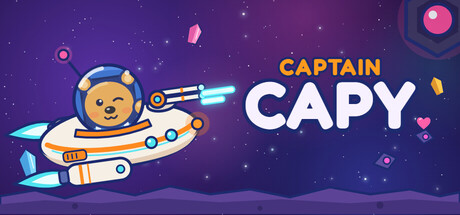 Captain Capy - Roguelike Space Crafter Unclear artcode | I used AI for the Code assistance and for Graphics | To_Galan | - | Oct 10, 2026 | |
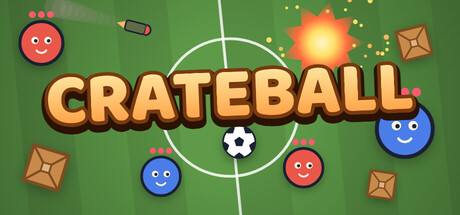 Crateball In-game content artaudiocode | In the game itself, all graphics and sound effects are drawn and synthesized by the game's own code, which was also written with AI assistance. The game contains no AI-generated image, voice or music files, and nothing is generated by AI while you play. | rafi | - | Oct 10, 2026 | |
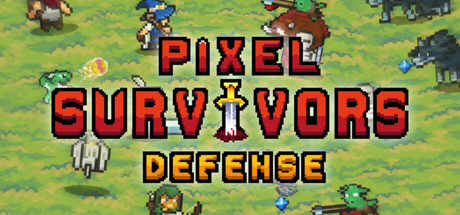 Pixel Survivors : Defense In-game content artaudiotext | Some item icons, sound effects and translations were created with the help of generative AI tools. | Amrita | - | Oct 9, 2026 | |
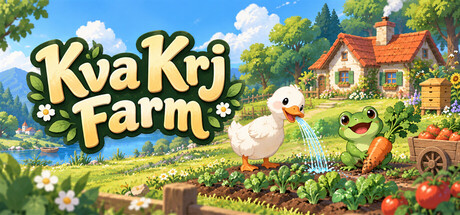 Kva Krj Farm Store/marketing arttext | Generative AI was used during development to create promotional illustrations and the title-screen logo, and to assist with written text and translations. This content is prepared in advance. The game does not generate content or connect to AI services during gameplay. | PotatoStudioGames | - | Oct 9, 2026 | |
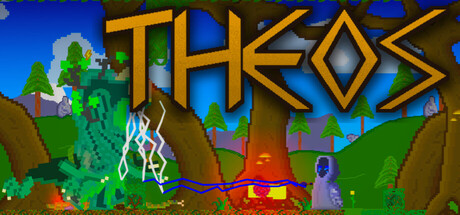 Theos In-game content artaudio | The music, most sound effects and a few sprites and icons were made with AI assistance and reviewed by the team. Store graphics were assembled with AI assistance from the team's own artwork. No AI generates content while you play. | OCoding | - | Oct 9, 2026 | |
 珠宝之王 In-game content arttext | Explanation about the game development process:
In the early concept design and creative ideation stage of this game, we did use AI technology as an auxiliary tool to help us explore and validate various artistic styles and creative directions more quickly. These AI-generated reference materials provided us with initial inspiration.
However, the core creative concepts, story writing, character design, and all artistic assets presented in the final game were personally conceived and carefully crafted by our creative team. Each game element underwent repeated human optimization and fine-tuning to ensure the best gaming experience.
AI was only used as an auxiliary tool, and the final game content presented is the result of human creation. We have always adhered to human creation as the main driver, committed to bringing players a unique and meticulously polished gaming experience. | Magic Cat | - | Oct 9, 2026 | |
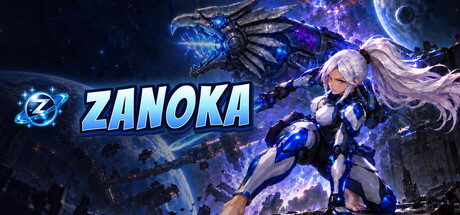 Zanoka In-game content arttext | ZANOKA is made by a solo developer. All of its art began as hand-made drawings, sketches and pixel art, including concept art by artist Malaika Raheel. AI-assisted tools were used for polishing, frame interpolation and translation. | ZanokaGameDev | - | Oct 9, 2026 | |
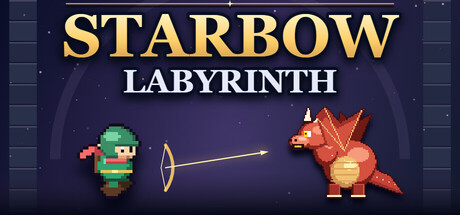 StarbowLabyrinth In-game content textart | AI tools assisted with localization, store-page text, and preparation of promotional artwork. This content is prepared in advance. The game does not use AI to generate content during gameplay or connect to external AI services. | jincycle | - | Oct 9, 2026 | |
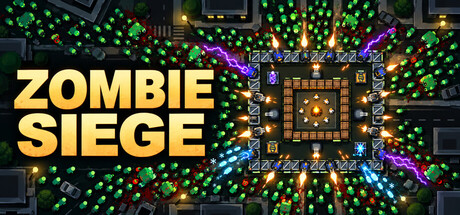 Zombie Siege In-game content artaudiotextcode | Generative AI was used to create or assist with game code, artwork, audio, written content, localization, and store marketing materials. Gameplay was designed by the developer. All content is prepared before release; no content or code is generated during gameplay, and no external AI services are used during gameplay. | PikaFun | - | Oct 9, 2026 | |
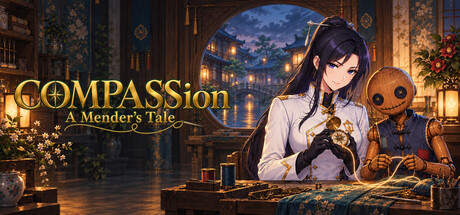 COMPASSion: A Mender’s Tale In-game content art | Generative AI was used to create and edit pre-generated in-game backgrounds, character illustrations, CG artwork, icons, and UI artwork, as well as Steam store and library capsule images, the logo, and icons. Gameplay screenshots were captured directly from the game. The game does not generate AI content during play. | COMPASSion: A Mender’s Tale Studio | - | Oct 9, 2026 | |
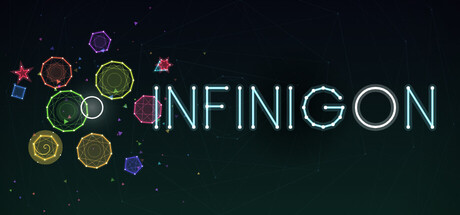 Infinigon In-game content artcode | Part of the artwork is generated through code, and AI tools were used to help with coding. | FrostLeaf Games | - | Oct 9, 2026 | |
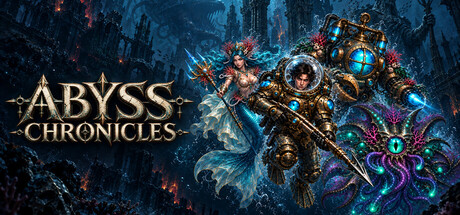 ABYSS CHRONICLES In-game content arttextaudio | AI-assisted tools were used during development to create and edit visual assets, including characters, equipment, creatures, environments, UI and store illustrations, and to assist with story text and localization. Music and sound effects were made using AI-assisted synthesis code and composition rules. The game uses prepared assets and predefined effects; it does not generate AI content or connect to generative AI services during play. | ZOOPITER Soft Corp. | - | Oct 9, 2026 | |
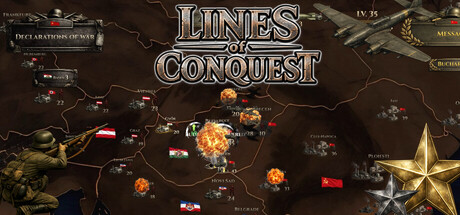 Lines of Conquest In-game content artaudio | Generative AI was used to create or assist in the creation of some visual assets and promotional artwork, as well as music tracks used in the game. | DIGIS | - | Oct 9, 2026 | |
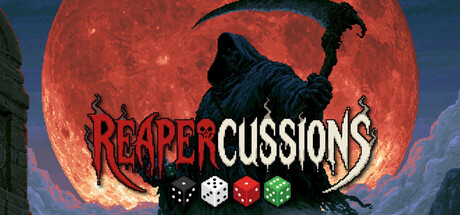 Reapercussions In-game content artaudio | AI tools were used to help create some of the content, which was then selected and edited by the developer: the store page capsule and library images, the achievement icons, some item art, the Reaper cutscene videos, and some voice lines. Most in-game art, sound effects and fonts come from licensed asset packs, and the game's design, writing and rules are hand-crafted by a game designer. | Pastor Fussycat | - | Oct 9, 2026 | |
 聚落1592 In-game content art | The scene atmosphere images and the port and building illustrations in the game were generated using AI. | 土猫 | - | Oct 9, 2026 | |
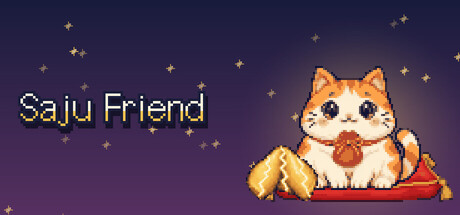 Saju Friend In-game content art | Some 2D pixel-art sprites and illustrations (fortune-game icons, items and backgrounds) were created with the help of AI image tools (PixelLab) and then edited and curated by our developer. All game text, fortune logic, code, sound and the cat character animations are made by the developer or licensed (CC0/OFL). | Noligo Games | - | Oct 9, 2026 | |
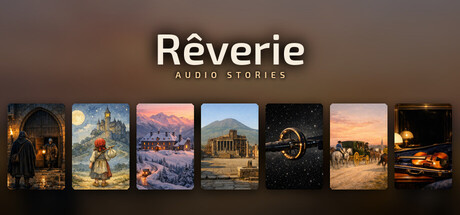 Rêverie: Audio Stories In-game content audioart | Generative AI was used to create the voices, sound effects and illustrations. The stories are designed and directed by the developer. | Petit Vaisseau | - | Oct 9, 2026 | |
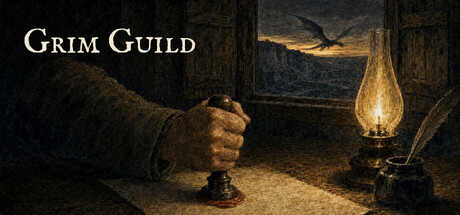 Grim Guild In-game content arttext | The scenes, portraits and item pictures in this game, and the store art, were made with AI image-generation tools under the developer's direction. The paper and dark of the screens and the guild's red seal come from public-domain prints of the 15th to 17th centuries. Most of the written text, including the Japanese translation, was drafted with an AI model under the developer's direction and revised by hand. Music and sound effects were synthesised procedurally without AI. Nothing is generated by AI while you play. | PocketStudio | - | Oct 9, 2026 | |
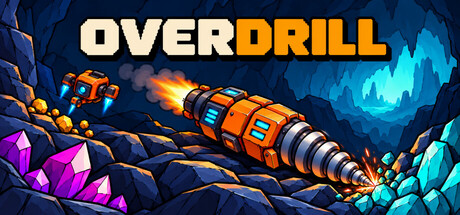 OVERDRILL In-game content arttext | Generative AI was used during development to create static artwork, including game sprites, icons, the illustrated menu background, and Steam store and library artwork. AI assistance was also used for written text and translations. These assets were reviewed and integrated by the developer. No content is generated by AI during gameplay. | Lunart Entertainment | - | Oct 9, 2026 | |
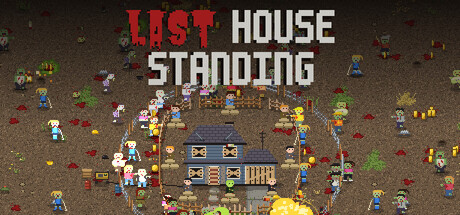 Last House Standing In-game content text | AI was only used to translate the game into its different languages, to polish Dr. Ferrán's dialogue in each of them, and to polish the game's description on the Steam page. The original lines were written by us in Spanish. | Wired Pixels | - | Oct 9, 2026 | |
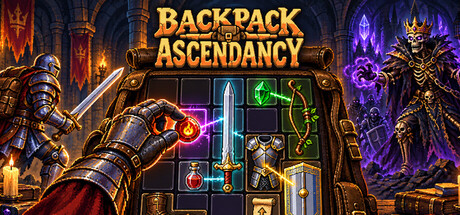 Backpack Ascendancy In-game content art | This game uses generative AI in the production and development process. All AI-assisted art is reviewed and curated by the development team before being included in the game. | i00nqw | - | Oct 9, 2026 | |
 My Nail Salon In-game content arttext | Nuclear Kitty Games is a human-led studio whose team brings 15 years of professional game-development experience. We use AI and large language models (LLMs) to support development and content creation, improve our workflows and speed up iteration. Our developers direct the design and development of every game, and review and integrate the final content. We are game makers and players who care about the games we create.
Some content included in this game and its promotional materials was created with generative AI assistance. The game does not generate AI content or connect to AI services during play. | Nuclear Kitty Games | - | Oct 9, 2026 | |
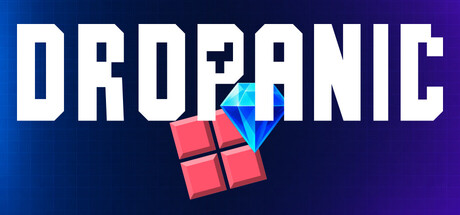 DROPANIC In-game content artaudiocode | Generative AI was used during the development of this game to create code, illustrations, and audio assets. | mayoaji | - | Oct 9, 2026 | |
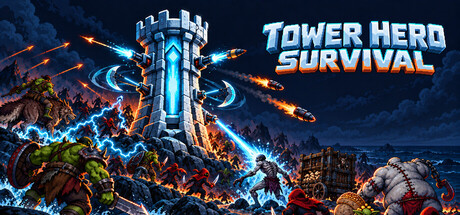 Tower Hero Survival In-game content artaudio | AI tools assisted with game development, particularly multiplayer systems, and with the creation of in-game artwork, animations, and music as well as store and marketing visuals, including the logo. | Polina Tingaeva | - | Oct 9, 2026 | |
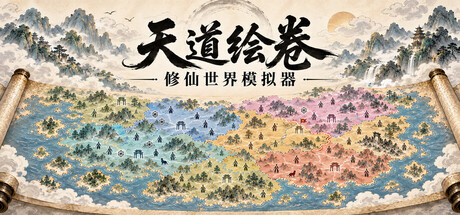 天道绘卷——修仙地图模拟器 In-game content art | Some backgrounds, map event effects, and promotional artwork were created with the assistance of generative AI during development. World simulation follows local rules; the game does not generate AI content or connect to external AI services during play. | OneForAll工作室 | - | Oct 9, 2026 | |
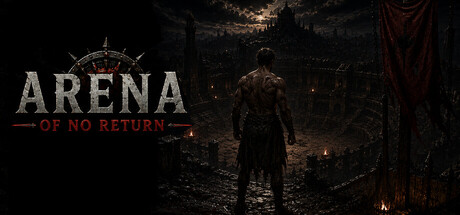 Arena of No Return In-game content art | Some 2D artwork and visual assets were created with the assistance of generative AI tools during development and were reviewed and edited by the developer. The game does not generate AI content during gameplay. | Tiltados Games | - | Oct 9, 2026 | |
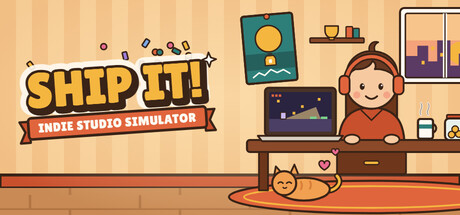 Ship It! : Indie Studio Simulator In-game content textartaudio | This game was made with the help of AI tools. Parts of the in-game text, the store page artwork and text, and the trailer (including its music) were created with AI assistance and reviewed by the developer. No content is generated by AI while you play. | McHunter Studio | - | Oct 9, 2026 | |
 Smartest in the Room In-game content audiotext | The host's voice lines were generated with an AI text-to-speech service from a script we wrote. Parts of the store page text were drafted with AI assistance and edited by us. All game art, minigames and code are made by the developer; nothing is generated while you play. | McHunter Studio | - | Oct 9, 2026 | |
 问道九州 In-game content art | Some store and library artwork, icons, and promotional imagery were created or enhanced with generative AI tools. Gameplay screenshots show actual gameplay. The game does not generate AI content during gameplay or connect to external AI services. | WU HUI CHEN | - | Oct 9, 2026 | |
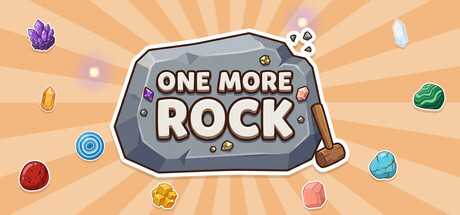 One More Rock In-game content arttext | The game's 2D illustrations (rocks, gems, tools, icons and logo) were generated with AI image tools, then cleaned up and edited by the developer. Cracks, rarity effects, particles and animations are made in code. The translations were produced with the help of AI. The store page capsules, screenshots and trailer are built from these same in-game sprites. No content is generated by AI while the game is running. | NB10 Studio | - | Oct 9, 2026 | |
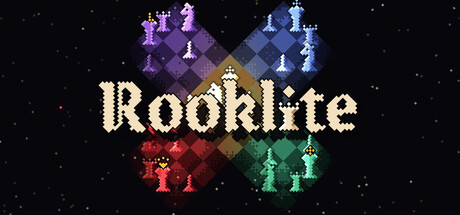 Rooklite In-game content text | Some translations were generated with AI and are in beta, so more players can enjoy the game in their language.
The art and music were made without AI. | Elias Guyd | - | Oct 9, 2026 | |
 Dealer's Choice In-game content arttextcode | Dealer's Choice was made by a solo developer working with AI assistance. AI tools helped write the game's code and in-game text, and the store artwork and achievement icons were rendered from 3D models built with AI assistance. All of this content was created during development and reviewed by the developer. Nothing in the game is generated by AI while you play. | Mars Industries | - | Oct 9, 2026 | |
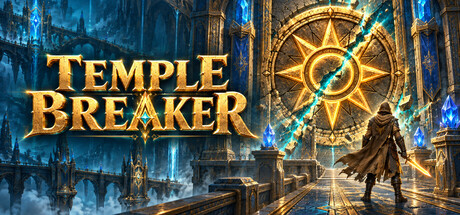 TEMPLE BREAKER Store/marketing arttext | Generative AI tools were used to create visual artwork for the game and its marketing, and to assist with store-page text. These materials are prepared in advance. Temple Breaker does not generate content with AI during gameplay. | NEXTSQUARESTUDIO | - | Oct 9, 2026 | |
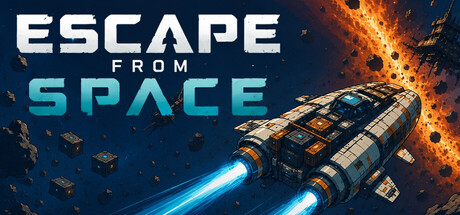 Escape From Space Store/marketing art | Some promotional artwork for Escape From Space, including images on its Steam store and library pages, was created with the assistance of generative AI and reviewed before use. The game does not generate content with AI during gameplay. | Deep Space North | - | Oct 9, 2026 | |
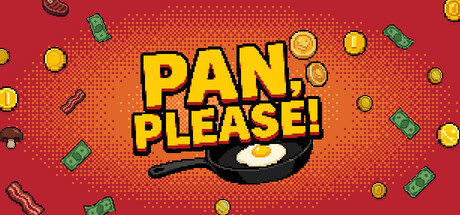 Pan, Please! In-game content artaudio | Some graphics and sound assets included in this game were created with the assistance of Generative AI and were subsequently reviewed and retouched by humans. | BitPick | - | Oct 9, 2026 | |
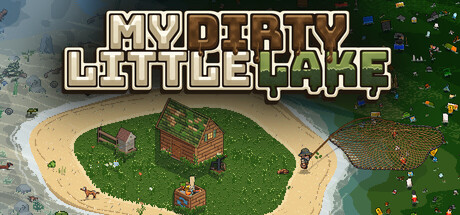 My Dirty Little Lake In-game content art | The player character's sprite sheet was created with an AI tool and edited by hand. | Modern Daedalus Studio | - | Oct 9, 2026 | |
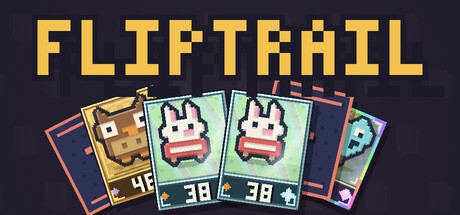 Fliptrail Store/marketing text | Generative AI assisted some game text and store descriptions. Promotional images and gameplay screenshots use actual game visuals. No live AI or external AI services. Offline. | 1114980610yuyu | - | Oct 9, 2026 | |
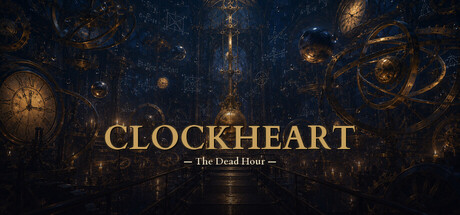 CLOCKHEART — The Dead Hour In-game content art | The game includes 2D illustrations created with generative AI during development, including characters, enemies and backgrounds. These images were then manually cleaned up, edited and integrated into the game. The game does not generate AI content during gameplay. | AXONE GAMES | - | Oct 9, 2026 | |
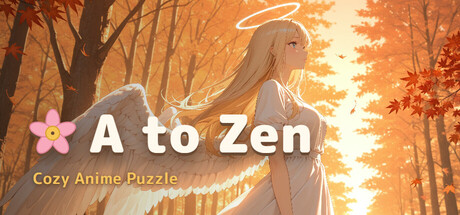 A to Zen: Cozy Anime Puzzle In-game content artaudiocodetext | The 32 illustrations, the soundtrack and the sound effects in A to Zen were created with generative AI tools from the developer's own prompts, then selected, checked and edited by hand. The in-game texts, the store translations and parts of the game code were also made with AI assistance and reviewed and tested by the developer. Game design, puzzle mechanics and the chapter concept are the developer's own work. Nothing is generated while you play, and the game does not connect to any AI service. | Pross Digital Studio | - | Oct 9, 2026 | |
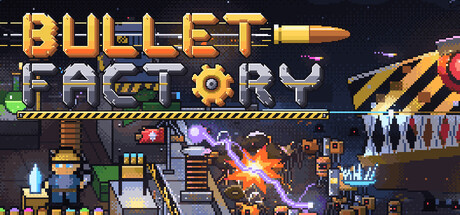 Bullet Factory In-game content text | Bullet Factory is written in French and translated into other languages with generative AI. No content is generated by AI while you play. | MagicalWind | - | Oct 9, 2026 | |
 Pop 1,000,000 Hot Air Balloons In-game content artaudiotextcode | NBD2 is an AI game development studio. As a solo indie dev who is unlikely to ever make a dime from any of my games, there's no other way I could bring my ideas to life.
Pop 1,000,000 Hot Air Balloons was created using generative AI throughout development, including its artwork and visuals, store artwork, music, sound effects, player-facing text, and game code. All AI generation took place during development. The game does not generate AI content or code during play or connect to an external AI service.
I recognize AI in game development is an extremely sensitive topic and I appreciate both sides. I only hope the game is fun.
The goal should always be making something that human beings will enjoy. | NBD2 | - | Oct 9, 2026 | |
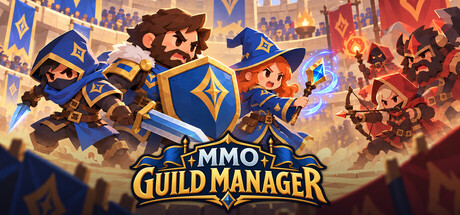 MMO Guild Manager In-game content arttextcode | The title logo was generated with an AI image tool and then cropped and resized by the developer.
The store capsule artwork (the key art behind the logo) was generated with an AI image tool from text prompts only, then cropped and resized by the developer.
The in-game text in every language except English and Japanese is machine-translated with an AI language model from the developer's English and Japanese text, and has not yet been reviewed by native speakers.
Some English and Japanese interface text and the English and Japanese store description were drafted with an AI writing assistant and then reviewed and edited by the developer. The store description in the other languages is translated with an AI language model.
The majority of the code and the design was written by AI coding agents (Claude and Codex) under the developer's direction and review.
The in-game characters, items, maps, effects, music, sound effects and fonts are mostly purchased or licensed assets. The exceptions are 8 equipment icons, the slash and healing effects, the spectators in the stands, the crowd cheers and the app icon, which were drawn or synthesized by programs written by AI coding agents (no image or audio generation model was used). The cutting out, combining, recoloring and touching up of the purchased assets, and the shapes and light effects the game draws on screen during matches, are also done by programs written by AI. | iida-lab | - | Oct 9, 2026 | |
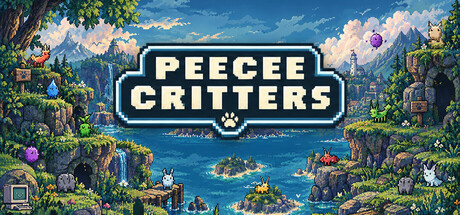 PeeCee Critters In-game content artaudio | The key art and logo began as an AI-generated base image, which we then reworked and finished by hand in Photoshop. The narration in the trailers is a synthetic voice made with a text-to-speech model. Nothing inside the game is AI-generated: every critter, the world, the device, the music and the sound are drawn and composed by the game's own code. | MutantToes Studios | - | Oct 9, 2026 | |
 Marble Factory In-game content audio | Pre-generated: the music and SFX was created with generative AI tools and then edited and mixed by the developer. No generative AI is used while the game is running. | Job's Done Games | - | Oct 9, 2026 | |
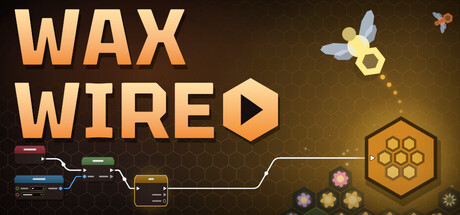 WaxWire: Program the Hive In-game content text | The game's text is partially translated into multiple languages with the help of AI.
Feedback from native speakers is welcome. | dyskomworks | - | Oct 9, 2026 | |
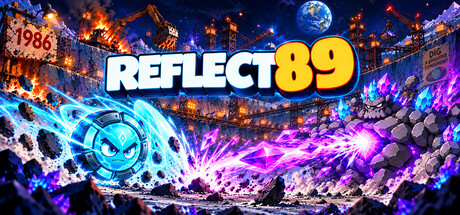 REFLECT89 In-game content art | Generative AI was used to assist with some pre-generated 2D artwork. All AI-assisted assets were selected, edited and integrated by the developer. No generative AI is used during gameplay. | EiSee Games | - | Oct 9, 2026 | |
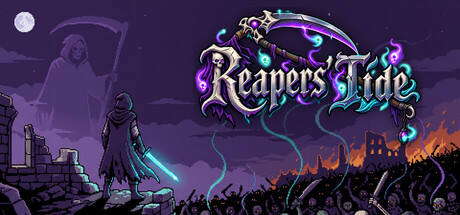 Reapers' Tide In-game content artaudio | The game's pixel art (characters, enemies, bosses, environment tiles and props, effects, UI icons) was created with the help of the AI tool PixelLab and then selected, edited, animated and assembled by the developer. The key art, logo, app icon, music and sound effects were generated with Higgsfield and then edited and mixed by the developer. The trailer's opening and closing cinematic shots are AI-animated from the game's key art. All gameplay, code and design are the developer's own. The game does not generate any content with AI while it runs. | Petr Jirous | - | Oct 9, 2026 | |
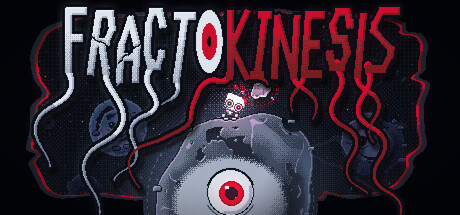 Fractokinesis Store/marketing text | AI was used to draft the localizations into 30 languages and parts of the store page text. | Panin Maxim | - | Oct 9, 2026 | |
 PUZFLO: Run the Line In-game content artaudiotext | Generative AI was used to assist with the creation of some visual and audio assets, localization, and store-page marketing materials. All AI-assisted content was reviewed and edited by the developer before use. The game does not use live generative AI during gameplay. | Hajime | - | Oct 9, 2026 | |
 Radar Shadow In-game content artaudiotext | Some music, sound effects, artwork and translations were made with AI tools and edited by hand. The map, units and interface you see in play are drawn by the game's own code. No generative AI is used at runtime. | ZMEJ | - | Oct 9, 2026 |


