



Disclosure
AI tools were used to assist with early visual ideation and development production pipelines. All content has been reviewed, edited, refined, and integrated by the development team.
- Creator
- Sword & Llama
- Reviews
- -
- Added
- Aug 4, 2026
Public Steam disclosure research 25,519 disclosures tracked
Search developers’ Steam disclosures, compare classified AI use across games, and follow recorded changes. This index adds cross-game classifications and statistics to statements published on individual store pages.
Code help, debugging and other development work.
Capsule art, trailers and promotional material.
Pre-made art, audio, writing and other game assets.
Interactive or runtime AI features disclosed by the developer.
Groups reflect automatic analysis of public disclosures; mature records are excluded. These counts do not measure AI use across all of Steam. Missing or unclear statements cannot establish whether a game uses AI.
AI tools were used to assist with early visual ideation and development production pipelines. All content has been reviewed, edited, refined, and integrated by the development team.
Character portraits, scene art, and voice performances were generated with licensed AI tools (PixelLab, ElevenLabs) under paid subscriptions, then curated, edited, and directed by hand. The soundtrack is built on the developer's original compositions, produced and arranged with Suno under a paid subscription. All game design, writing, and code are human-made. No AI generation occurs at runtime.
Some of the game's visual assets — UI textures, illustrations, icons and marketing artwork — were created with the assistance of generative AI tools, then manually curated, edited and integrated by the developer. All game design, writing, code and systems are human-made. No AI content is generated at runtime.
FIRST LINE was designed and directed by its human developer: the gameplay systems, the mechanics, the narrative and every creative decision. The game's code — including the systems that render all visuals and synthesize all audio at runtime — was written with an AI coding assistant (Claude Code) under that direction. The English localization was also produced with AI assistance. No pre-generated AI images, audio, or video assets are included in the game. Parts of the store page text were also written with AI assistance. Store artwork (capsules and icons) is likewise rendered by AI-written code under human direction.
AI was used to generate code and art assets.
Ice Coast Revival is built by a small team working with AI tools. Some pre-made content that ships with the game, including in-game text and some audio, was created with generative AI and then human-reviewed. All of it is fixed at build time: the game does not generate content live with AI while you play.
AI was used throughout to assist in the development of this game.
Some promotional artwork and marketing materials for this game were created with the assistance of generative AI tools. All gameplay content, systems, and game assets are developed and reviewed by the development team.
The Tally was made by a solo developer working closely with an AI assistant. The game's code and written content were created with the help of AI under the developer's direction and review. All 3D models and music are the work of human artists, credited in-game. Textures are produced by procedural scripts, not image-generation models. Nothing is generated by AI while you play.
Some in-game assets, including machines, decorations, trees, buildings, harvestable crops, and item icons, were created using AI-assisted tools
3d models, textures, sound effects, backgrounds, music. all made by ai! i love them so much!
AI tools were used during development for programming assistance, and multilingual localization.
During development we used generative AI in a few places. A large language model helped write some of the game's text (in-game descriptions, events, and store copy). The music and many of the sound effects were created with Adobe Firefly, while some other sounds are generated in real time by the game's own code. The app icon was also created with Adobe Firefly. The in-game graphics are drawn procedurally by the game's code and are not AI-generated. Nothing is generated by AI while you play: every AI-assisted asset is created during development and shipped as a fixed file. The generative AI tools used (Adobe Firefly) grant commercial usage rights.
Lo-Fi with Ruka includes optional live generative AI features. Players may provide their own DeepSeek and StepFun API keys to generate short companion chat replies, personalized study-story chapters, and synthesized voice. These features are disabled without player-provided keys. Prompts, the current focus goal or status, and limited recent non-sensitive study context are sent only to the selected providers. API keys and generated content remain local and are not uploaded to Steam Cloud.
Generative AI tools were used during development to assist with portions of the game’s code, including implementation, debugging, refactoring, and testing. The resulting code was reviewed, edited, integrated, and tested before inclusion in the shipped build. The game does not contain a generative AI model, does not connect to a generative AI service, does not accept player prompts, and does not generate code or other AI content while running.
Some visual assets and promotional materials were initially created with the assistance of AI and then reviewed, edited, and integrated by the developer. All gameplay, game design, programming, balancing, and final content were created and curated by the developer.
AI was used to generate initial drafts for some images and illustrations. All resulting assets are used only after review and revision by the developer.
This game uses pre-generated AI-assisted content. The base concepts, 3D geometry, textures, and some source animation data for the male and female player characters were created with Tencent Hunyuan 3D Studio. The development team subsequently performed extensive manual editing and integration, including topology and rigging adjustments, animation processing, hand replacement, material work, and technical review. No content is generated by AI during
Pre-generated content:AI tools were used to generate 2D artwork and visual assets for the game's intro sequence. All AI-generated content has been thoroughly reviewed, curated, and does not contain any illegal or infringing material.
During the development of this game, generative AI technologies were utilized as auxiliary tools to optimize production and enhance the overall quality of the final product. AI was used in the following areas: Visual Art & Assets: Generative tools were used during the concept art stage to create baseline character portraits, user interface elements, and background images of government offices. All AI-generated assets underwent manual digital painting, color correction, and stylization to fit the game's distinct, gritty political noir atmosphere. Text & Narrative Design: AI assistants were employed for copyediting, historical context verification, dialogue polishing, and structuring large volumes of text to ensure the narrative feels immersive, realistic, and deeply engaging. Coding & Scripting: AI tools helped optimize Godot engine source code, identify bugs, and accelerate the technical implementation of dynamic UI systems. Important Note: The game contains only pre-generated content. There is no live-generated AI content running during gameplay. The game experience is fully deterministic, stable, and hardcoded within the final build by the developer.
Pre-Generated AI content: the illustrations used for in-game news stories in the esports portal (145 images). These were generated with AI tools during development, then filtered and edited by hand against a fixed set of rules: no depictions of people, no readable text, and a fixed colour palette matching the game UI.
Some in-game voice lines and music were created with generative AI. No AI content is generated live during gameplay.
Steam capsule art is made with the help of generative artificial intelligence.
The game’s localization was primarily supported by AI tools, with human review where needed.
Some of the content in this game was created using generative AI tools - this includes converting to seamless textures, some visual elements, localization (interface translations), as well as some sound effects and music. All AI-generated materials have been reviewed, edited and adapted by the game's creators.
Quillzyra: Character Studio uses generative AI locally on the user's computer to create and interact with fictional characters. The application may generate character dialogue, personality text, memory summaries, character descriptions, and optional 2D character portraits based on user input. The AI features are intended for fictional character creation, simulation, and conversation. The application does not rely on an external AI service during gameplay.
We used AI tools during development to assist with portions of the game's code and some textures/images. All AI-assisted content was reviewed and finalized by the development team before being included in the game. No AI-generated content is created during gameplay.
This title includes content created with the assistance of AI tools.
AI tools were used only during the concept development stages. All final content was reviewed and edited by the development team. All artwork used on the Steam store page was created by freelance 2D artists.
This game uses AI-assisted translation for the Steam store page and some in-game UI text. As a solo indie developer with limited resources, AI translation helps make the game accessible to more players and support a wider range of languages.
Minor portions of visual assets were created with the assistance of generative AI. We are actively removing these assets from the game.
This game uses AI-generated Text-to-Speech technology for character voiceovers.
Man Vs Gary was made by one person. The story and all of its dialogue are my own, written by me. But without a studio's budget to commission artists, composers, and voice actors, I used generative AI tools to help create much of what you see and hear, the illustrated artwork, the music, the sound effects. Nothing ships as a raw, untouched generation: every asset was hand-directed, chosen, refined, and assembled to fit a single cohesive, hand-crafted style and world, and reviewed by me to make sure it belonged. In the end, what matters is whether the game is enjoyable and worth your time, not which tools helped build it.
Artificial intelligence was used in the creation of some 2D artwork and the trailer's audio.
I asked to AI review my code and do some fixes, because 6000 code lines in C++ is kinda easy to lose yourself.
This game uses generative AI for some background and minigame music tracks. Artwork, UI, gameplay systems, and written content were created without generative AI. No AI content is generated during gameplay.
Generative AI was occasionally used as a translation aid. All final text was reviewed and edited by the developer.
Generative AI was used to assist with the creation of some visual content.
Some of Pick Playground's development was assisted by generative AI tools, including parts of the code and some of the art. Everything in the game was reviewed and finalized by the developer.
The game’s store page uses some AI-generated artwork, but the game itself does not contain any AI-generated images.
generative ai was used in the the building of this game, it was used for code and some of the artwork assets
Some images are maded with AI
This game uses AI-generated audio content, including some music, sound, and voice elements.
The store page and in-game localized text have been translated using AI.
Some visual assets (character sprites, portraits, marketing art) and some audio were created with the assistance of generative AI tools (PixelLab, Midjourney), then curated and edited by the developer. All game design, code, and writing are human-made. The game does not generate AI content at runtime.
AI-assisted tools are becoming part of modern game development, and we believe in being transparent about how we use them. Aviator combines AI-assisted workflows with human creative direction, design, review, and final decision-making throughout development.
Some of this game's assets were made with the assistance of generative AI tools and were reviewed, curated and hand-finished by the developer. No content is generated while you play.
Some store/library marketing art and some in-game art assets (character portraits, backgrounds, item icons and UI elements) were created with the assistance of AI image generation tools, followed by manual editing and integration by the developer. We have rights to use the generated images and they do not infringe third-party IP.
AI tools were used to assist with writing and localizing store page text and some in-game text, and as a coding assistant during development. Store page marketing assets, images and the background music in the trailer were generated with AI tools and then reviewed and edited by the developer. All game design, mechanics and balance are human-made; all in-game visual art is hand-authored procedural drawing, and the game itself contains no AI-generated audio, music or voice. All AI-assisted content was reviewed and edited by the developer.
Icons, Background Images
| Title⇅ | Disclosure | Creator⇅ | Src | Reviews⇅ | Added↓ |
|---|---|---|---|---|---|
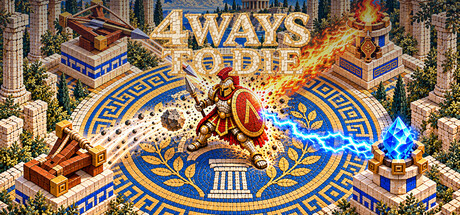
 Aquavale Dev only art | AI tools were used to assist with early visual ideation and development production pipelines. All content has been reviewed, edited, refined, and integrated by the development team. | Sword & Llama | - | Aug 4, 2026 | |
 Halsey Row In-game content artaudiotext | Character portraits, scene art, and voice performances were generated with licensed AI tools (PixelLab, ElevenLabs) under paid subscriptions, then curated, edited, and directed by hand.
The soundtrack is built on the developer's original compositions, produced and arranged with Suno under a paid subscription.
All game design, writing, and code are human-made. No AI generation occurs at runtime. | Grumblepot Games | - | Aug 4, 2026 | |
 Koruzan In-game content art | Some of the game's visual assets — UI textures, illustrations, icons and marketing artwork — were created with the assistance of generative AI tools, then manually curated, edited and integrated by the developer. All game design, writing, code and systems are human-made. No AI content is generated at runtime. | Koruzan Games | - | Aug 4, 2026 | |
 FIRST LINE In-game content codetext | FIRST LINE was designed and directed by its human developer: the gameplay systems, the mechanics, the narrative and every creative decision. The game's code — including the systems that render all visuals and synthesize all audio at runtime — was written with an AI coding assistant (Claude Code) under that direction. The English localization was also produced with AI assistance. No pre-generated AI images, audio, or video assets are included in the game. Parts of the store page text were also written with AI assistance.
Store artwork (capsules and icons) is likewise rendered by AI-written code under human direction. | FBento | - | Aug 4, 2026 | |
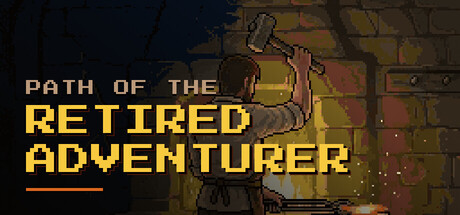 Path of the Retired Adventurer In-game content artcode | AI was used to generate code and art assets. | Nightfeather Studio | - | Aug 4, 2026 | |
 Ice Coast Revival In-game content textaudio | Ice Coast Revival is built by a small team working with AI tools. Some pre-made content that ships with the game, including in-game text and some audio, was created with generative AI and then human-reviewed. All of it is fixed at build time: the game does not generate content live with AI while you play. | Firn LLC | - | Aug 4, 2026 | |
 Takeout Mania Dev only | AI was used throughout to assist in the development of this game. | Alagesia | - | Aug 4, 2026 | |
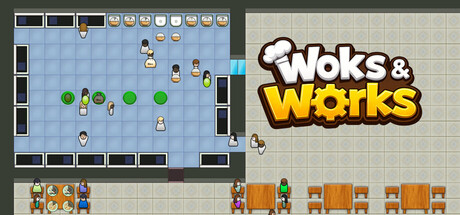 Woks & Works In-game content art | Some promotional artwork and marketing materials for this game were created with the assistance of generative AI tools. All gameplay content, systems, and game assets are developed and reviewed by the development team. | Quaternion Labs | - | Aug 4, 2026 | |
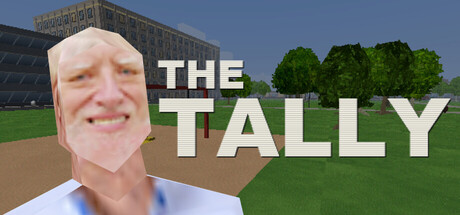 The Tally In-game content textcode | The Tally was made by a solo developer working closely with an AI assistant. The game's code and written content were created with the help of AI under the developer's direction and review. All 3D models and music are the work of human artists, credited in-game. Textures are produced by procedural scripts, not image-generation models. Nothing is generated by AI while you play. | Olivia Gonsher | - | Aug 4, 2026 | |
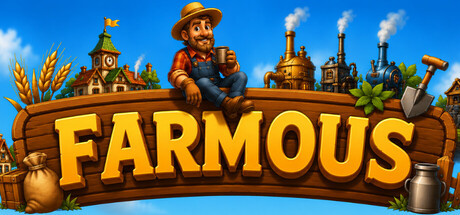 Farmous In-game content art | Some in-game assets, including machines, decorations, trees, buildings, harvestable crops, and item icons, were created using AI-assisted tools | Besir KAYRAN | - | Aug 4, 2026 | |
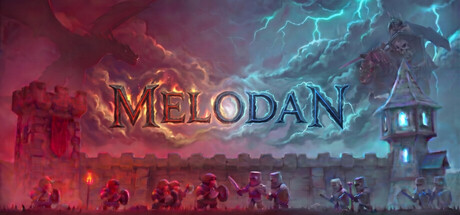 Melodan In-game content artaudio | 3d models, textures, sound effects, backgrounds, music. all made by ai! i love them so much! | Alexander Thurn | - | Aug 4, 2026 | |
 Dive Log: A Focus Voyage In-game content text | AI tools were used during development for programming assistance, and multilingual localization. | Aegithalos Studio | - | Aug 4, 2026 | |
 Wayfarer Protocol In-game content textaudioart | During development we used generative AI in a few places. A large language model helped write some of the game's text (in-game descriptions, events, and store copy). The music and many of the sound effects were created with Adobe Firefly, while some other sounds are generated in real time by the game's own code. The app icon was also created with Adobe Firefly. The in-game graphics are drawn procedurally by the game's code and are not AI-generated. Nothing is generated by AI while you play: every AI-assisted asset is created during development and shipped as a fixed file. The generative AI tools used (Adobe Firefly) grant commercial usage rights. | OC Studios | - | Aug 4, 2026 | |
 Lo-Fi with Ruka Live AI textaudio | Lo-Fi with Ruka includes optional live generative AI features. Players may provide their own DeepSeek and StepFun API keys to generate short companion chat replies, personalized study-story chapters, and synthesized voice. These features are disabled without player-provided keys. Prompts, the current focus goal or status, and limited recent non-sensitive study context are sent only to the selected providers. API keys and generated content remain local and are not uploaded to Steam Cloud. | Peter | - | Aug 4, 2026 | |
 The Rouge Casino Dev only code | Generative AI tools were used during development to assist with portions of the game’s code, including implementation, debugging, refactoring, and testing. The resulting code was reviewed, edited, integrated, and tested before inclusion in the shipped build. The game does not contain a generative AI model, does not connect to a generative AI service, does not accept player prompts, and does not generate code or other AI content while running. | ceoadlw | - | Aug 4, 2026 | |
 Farmer and Ghost In-game content art | Some visual assets and promotional materials were initially created with the assistance of AI and then reviewed, edited, and integrated by the developer. All gameplay, game design, programming, balancing, and final content were created and curated by the developer. | Lê Trang Hoàng Huy | - | Aug 4, 2026 | |
 Bureau of Hero Affairs In-game content art | AI was used to generate initial drafts for some images and illustrations. All resulting assets are used only after review and revision by the developer. | indigoblue | - | Aug 4, 2026 | |
 Songs of the Shoals In-game content artcode | This game uses pre-generated AI-assisted content. The base concepts, 3D geometry, textures, and some source animation data for the male and female player characters were created with Tencent Hunyuan 3D Studio. The development team subsequently performed extensive manual editing and integration, including topology and rigging adjustments, animation processing, hand replacement, material work, and technical review. No content is generated by AI during | Luyu Games | - | Aug 4, 2026 | |
 Perfect Place In-game content art | Pre-generated content:AI tools were used to generate 2D artwork and visual assets for the game's intro sequence. All AI-generated content has been thoroughly reviewed, curated, and does not contain any illegal or infringing material. | Popular Gaming | - | Aug 4, 2026 | |
 Path to Power In-game content arttextcode | During the development of this game, generative AI technologies were utilized as auxiliary tools to optimize production and enhance the overall quality of the final product. AI was used in the following areas:
Visual Art & Assets: Generative tools were used during the concept art stage to create baseline character portraits, user interface elements, and background images of government offices. All AI-generated assets underwent manual digital painting, color correction, and stylization to fit the game's distinct, gritty political noir atmosphere.
Text & Narrative Design: AI assistants were employed for copyediting, historical context verification, dialogue polishing, and structuring large volumes of text to ensure the narrative feels immersive, realistic, and deeply engaging.
Coding & Scripting: AI tools helped optimize Godot engine source code, identify bugs, and accelerate the technical implementation of dynamic UI systems.
Important Note: The game contains only pre-generated content. There is no live-generated AI content running during gameplay. The game experience is fully deterministic, stable, and hardcoded within the final build by the developer. | Smiret Games | - | Aug 4, 2026 | |
 FRAGLINE: Esports Manager art | Pre-Generated AI content: the illustrations used for in-game news stories in
the esports portal (145 images). These were generated with AI tools during
development, then filtered and edited by hand against a fixed set of rules:
no depictions of people, no readable text, and a fixed colour palette matching
the game UI. | HARB Studios | - | Aug 4, 2026 | |
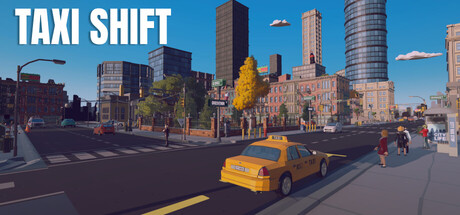 Taxi Shift In-game content audio | Some in-game voice lines and music were created with generative AI. No AI content is generated live during gameplay. | Shaktillar Games | - | Aug 4, 2026 | |
 Little Legs Store/marketing art | Steam capsule art is made with the help of generative artificial intelligence. | Twenty Ninety Creative | - | Aug 4, 2026 | |
 Lifelines In-game content text | The game’s localization was primarily supported by AI tools, with human review where needed. | ToKa Games | - | Aug 4, 2026 | |
 Texas Oil Baron In-game content artaudiotext | Some of the content in this game was created using generative AI tools - this includes converting to seamless textures, some visual elements, localization (interface translations), as well as some sound effects and music. All AI-generated materials have been reviewed, edited and adapted by the game's creators. | Slabon Games | - | Aug 4, 2026 | |
 Quillzyra Live AI textart | Quillzyra: Character Studio uses generative AI locally on the user's computer to create and interact with fictional characters. The application may generate character dialogue, personality text, memory summaries, character descriptions, and optional 2D character portraits based on user input.
The AI features are intended for fictional character creation, simulation, and conversation. The application does not rely on an external AI service during gameplay. | Apexmind | - | Aug 4, 2026 | |
 Only Booze: Liquor Store Simulator In-game content artcode | We used AI tools during development to assist with portions of the game's code and some textures/images. All AI-assisted content was reviewed and finalized by the development team before being included in the game. No AI-generated content is created during gameplay. | HighOnGames | - | Aug 4, 2026 | |
 Streaming Platform Manager Unclear | This title includes content created with the assistance of AI tools. | Empera Games | - | Aug 4, 2026 | |
 Deep Blue Sushi Dev only art | AI tools were used only during the concept development stages. All final content was reviewed and edited by the development team. All artwork used on the Steam store page was created by freelance 2D artists. | PaperPixel Games | 96 | Aug 3, 2026 | |
 Ballatory In-game content text | This game uses AI-assisted translation for the Steam store page and some in-game UI text. As a solo indie developer with limited resources, AI translation helps make the game accessible to more players and support a wider range of languages. | Mini Fun Games | 71 | Aug 3, 2026 | |
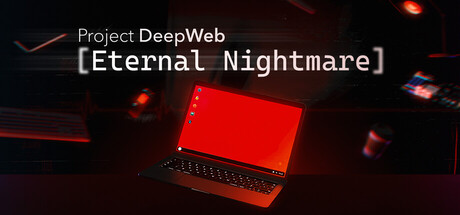 Project DeepWeb: Eternal Nightmare In-game content art | Minor portions of visual assets were created with the assistance of generative AI. We are actively removing these assets from the game. | NightCat Studios | 11 | Aug 3, 2026 | |
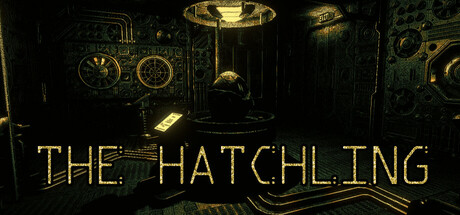 The Hatchling In-game content audio | This game uses AI-generated Text-to-Speech technology for character voiceovers. | Ricardo Pratas | 12 | Aug 3, 2026 | |
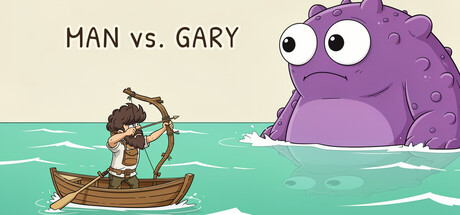 Man vs. Gary In-game content artaudiotext | Man Vs Gary was made by one person. The story and all of its dialogue are my own, written by me. But without a studio's budget to commission artists, composers, and voice actors, I used generative AI tools to help create much of what you see and hear, the illustrated artwork, the music, the sound effects. Nothing ships as a raw, untouched generation: every asset was hand-directed, chosen, refined, and assembled to fit a single cohesive, hand-crafted style and world, and reviewed by me to make sure it belonged. In the end, what matters is whether the game is enjoyable and worth your time, not which tools helped build it. | Jaco Stander | - | Aug 2, 2026 | |
 Fish Restaurant & Farming Simulator In-game content artaudio | Artificial intelligence was used in the creation of some 2D artwork and the trailer's audio. | Arcane Lantern studio | - | Aug 2, 2026 | |
 Hacker vs IT Dev only code | I asked to AI review my code and do some fixes, because 6000 code lines in C++ is kinda easy to lose yourself. | Sapphirus Production | - | Aug 2, 2026 | |
 Substance Lab In-game content audio | This game uses generative AI for some background and minigame music tracks. Artwork, UI, gameplay systems, and written content were created without generative AI. No AI content is generated during gameplay. | PhaseOutLimit | - | Aug 2, 2026 | |
 Paint Me Back In-game content text | Generative AI was occasionally used as a translation aid. All final text was reviewed and edited by the developer. | Last Cup Studio | - | Aug 2, 2026 | |
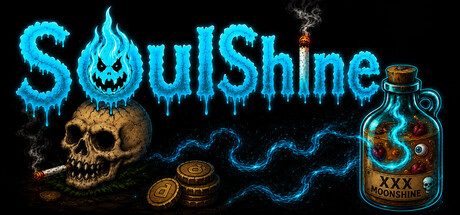 Soul Shine Unclear art | Generative AI was used to assist with the creation of some visual content. | House Of Stupid | - | Aug 2, 2026 | |
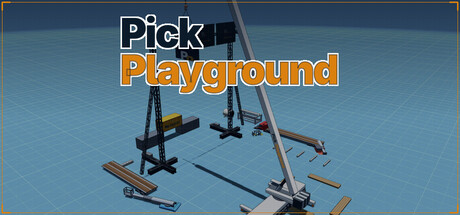 Pick Playground In-game content artcode | Some of Pick Playground's development was assisted by generative AI tools, including parts of the code and some of the art. Everything in the game was reviewed and finalized by the developer. | Nathan Young | - | Aug 2, 2026 | |
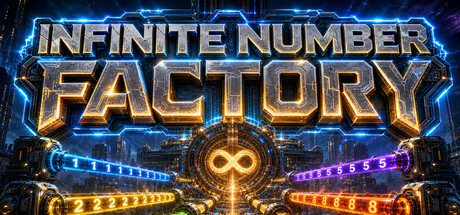 无限数字工厂 Store/marketing art | The game’s store page uses some AI-generated artwork, but the game itself does not contain any AI-generated images. | Starchase Games | - | Aug 2, 2026 | |
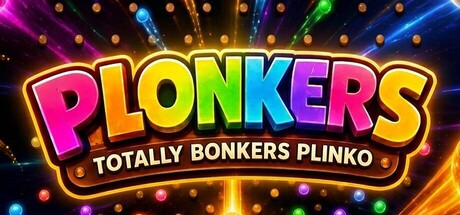 Plonkers - totally bonkers plinko In-game content artcode | generative ai was used in the the building of this game, it was used for code and some of the artwork assets | CardSharkGames | - | Aug 2, 2026 | |
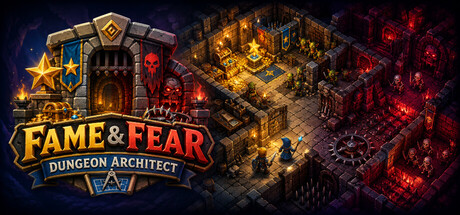 Fame & Fear: Dungeon Architect Unclear art | Some images are maded with AI | Wasdlab | - | Aug 2, 2026 | |
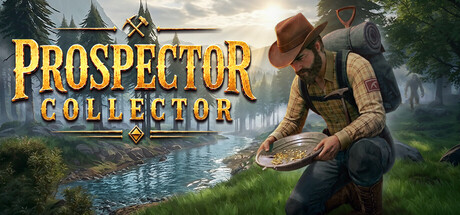 Prospector Collector In-game content audio | This game uses AI-generated audio content, including some music, sound, and voice elements. | Kevuru Games | - | Aug 2, 2026 | |
 RutMaker In-game content text | The store page and in-game localized text have been translated using AI. | 雷都打不醒 | - | Aug 2, 2026 | |
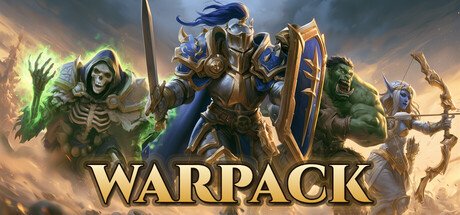 Warpack In-game content artaudio | Some visual assets (character sprites, portraits, marketing art) and some audio were created with the assistance of generative AI tools (PixelLab, Midjourney), then curated and edited by the developer. All game design, code, and writing are human-made. The game does not generate AI content at runtime. | N1ghtmare Studios | - | Aug 1, 2026 | |
 Aviator Dev only | AI-assisted tools are becoming part of modern game development, and we believe in being transparent about how we use them. Aviator combines AI-assisted workflows with human creative direction, design, review, and final decision-making throughout development. | Mood for Games | - | Aug 1, 2026 | |
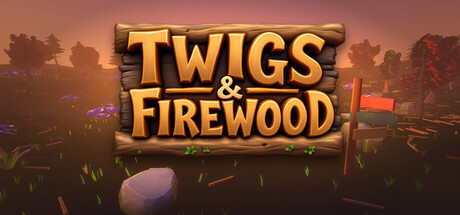 Twigs and Firewood In-game content art | Some of this game's assets were made with the assistance of generative AI tools and were reviewed, curated and hand-finished by the developer. No content is generated while you play. | Meridian Studios | - | Aug 1, 2026 | |
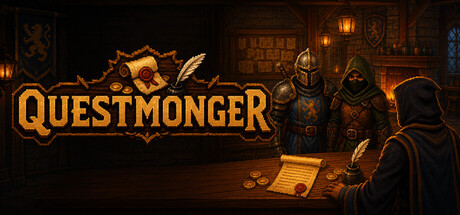 Questmonger In-game content art | Some store/library marketing art and some in-game art assets (character portraits, backgrounds, item icons and UI elements) were created with the assistance of AI image generation tools, followed by manual editing and integration by the developer. We have rights to use the generated images and they do not infringe third-party IP. | The Big Studio | - | Aug 1, 2026 | |
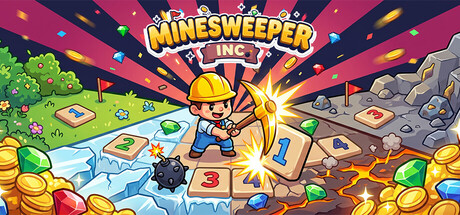 Minesweeper Inc. In-game content textartaudio | AI tools were used to assist with writing and localizing store page text and some in-game text, and as a coding assistant during development. Store page marketing assets, images and the background music in the trailer were generated with AI tools and then reviewed and edited by the developer. All game design, mechanics and balance are human-made; all in-game visual art is hand-authored procedural drawing, and the game itself contains no AI-generated audio, music or voice. All AI-assisted content was reviewed and edited by the developer. | Hazard Lights Games | - | Aug 1, 2026 | |
 KN Tower Unclear art | Icons, Background Images | Kricom Network | - | Aug 1, 2026 |


