Public Steam disclosure research25,519 disclosures tracked
Where do games disclose AI use?
Search developers’ Steam disclosures, compare classified AI use across
games, and follow recorded changes.
This index adds cross-game classifications and statistics to
statements published on individual store pages.
Groups reflect automatic analysis of public disclosures; mature records are excluded. These counts do not measure AI use across all of Steam.
Missing or unclear statements cannot establish whether a game uses AI.
Generative AI tools were used to assist in the creation of some visual assets, 3D assets, and music used in the game. All AI-assisted content was reviewed, edited, and integrated by the developer before being included in the final game.
This game uses generative AI tools during development. Some textures were created with AI image-generation models as part of the art pipeline, and portions of the text (such as store page copy and in-game descriptions) were drafted with AI assistance and then reviewed and edited by the developer. No content is generated in real time during gameplay.
Generative AI tools assisted with some pre-generated artwork, localization, and written copy during development. All included outputs were selected, reviewed, and edited by the developer before shipping. The game does not generate AI content during gameplay and does not connect to external AI services.
Generative AI was used throughout the development process. It was utilized alongside the developer to assist with tasks. Notably: debugging, localization, asset creation, and marketing materials. All AI-generated content was reviewed, edited, and integrated by the developer to ensure both quality and consistency standards were met.
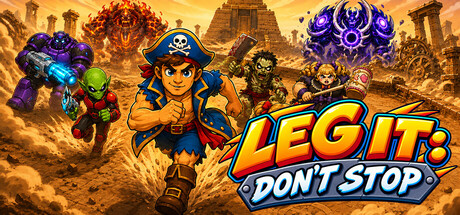
Some visual assets in Leg It: Don't Stop, including character and environment artwork, were created with the assistance of generative AI tools and then selected, edited, and integrated into the game by the developer. The game does not generate AI content during gameplay.
Some in-game images, such as backgrounds and props, were created with generative AI (Adobe Firefly) and then edited and adjusted before use. All character illustrations and key art are hand-drawn. The scenario and in-game text are based on human-created concepts and structure; AI was used to assist with early drafts, and all final content was edited and finalized by hand. AI tools were also used to assist programming during development.
Some of the game's art assets were generated with the assistance of AI. All such assets have been carefully reviewed to ensure they do not infringe on third-party rights or violate Steam's policies.
Generative AI tools were used during development to help create visual assets for this game, including character art, environments such as the temple, weapons, and other in-game artwork, as well as store and marketing images (capsule art, logo, and store background). All AI-assisted content was reviewed, edited, and finalized by the developer, who holds the rights to use it. No AI-generated content is created live during gameplay.
Generative AI was used to assist in the creation of some pre-generated visual assets, including character models, props, environmental assets, and textures. All AI-assisted content was reviewed, edited, and integrated into the game by the developer. The game does not generate AI content during gameplay.
Generative AI was used to assist in the creation of some game assets, including audio and visual elements. These assets were reviewed and integrated into the game by the developer.
Some 3D character and creature models in this game were created with AI-assisted generation tools (Meshy) as a starting point, then hand-finished, rigged, textured, and integrated by the developer in Blender and Unity. Some quest dialogue text was also written with AI assistance and edited by the developer before being included in the game. No content is generated in real time during gameplay — everything players see is fixed at build time and has been reviewed and edited by hand.
Generative AI tools were used during development to assist with creating and refining some visual concepts and game assets. AI was also used as a development aid for tasks such as prototyping and programming assistance. All generated content was reviewed, selected, and integrated by the developer, and the game does not generate AI content during normal gameplay
Generative AI tools were used during development as part of the production workflow for selected visual assets. All such assets were reviewed, refined, and integrated by the development team. No AI content is generated during gameplay, and the game does not connect to external AI services.
Generative AI assistance was used during the development of selected visual assets and localized text. The developer directed the creative approach, selected and edited the results, reviewed the translations, and adapted all assisted content for use in the game.
The voice acting of President Grump, the game's fictional parody character, is pre-generated with AI voice generation tools. The shipped game does not generate any content with AI while you play.
AI is used for programming assistance, for generating in-game sound effects and music, and for drafting store page text. All 3D art assets and level design are created by hand in Blender.
The character illustrations and their animation frames were created with the assistance of image-generation AI (Stable Diffusion), then manually layered, retouched and reviewed by the developer. All other content — game design, code, music, sound effects and text — is made by humans. No AI content is generated at runtime.
Some cinematic shots in the trailer were created with generative AI tools, and the trailer narration uses an AI-generated voice. The library banner image is derived from one of those trailer shots. All gameplay, in-game assets, and other store images were created without generative AI.
All pre-rendered visual artwork was created using generative AI under developer direction. This includes environment backgrounds, interface and menu artwork, branding, icons, and promotional/title-card images.
The developer uses generative AI tools during the development process to assist in creating pre-generated visual assets, environment textures, and background sound effects. These AI-assisted elements are finalized and integrated into the game's static files to enhance the overall horror atmosphere.
Some of the graphical and audio assets in this title were created with the assistance of generative AI tools. All AI-assisted content was reviewed, curated, and refined by our development team prior to release. This game does not use AI to generate any content in real time during gameplay.
During the development of this game, generative artificial intelligence (AI) tools were used to assist with the creation and refinement of some visual assets, UI elements, and portions of the game code. AI-assisted content was reviewed, modified, and integrated by the developers before being included in the final game. The game does not use generative AI to create content during gameplay and does not connect to external AI services at runtime.
Generative AI tools were used during development to assist in creating and refining some pre-generated narrative, text, and visual content. All such content is created prior to release and reviewed by the developer. The game does not generate AI content during gameplay.
# AI Disclosure
Generative AI was used during development as a creative support tool for selected visual and audio assets. All AI-assisted content was reviewed, curated and integrated by the developer. No generative AI is used during gameplay.
Generative AI tools were used during the development process to assist with writing script dialogues and to generate background music and songs for the game. All AI assets were pre-generated prior to release, and no AI content is generated in real time during gameplay.
Generative AI tools were used in the development of this game to assist with creating select artwork, writing promotional/store page descriptions, and localization.
The application icon and the promotional artwork on this store page were created with the assistance of generative AI tools, then selected and reviewed by a human. The application itself does not generate any content during use: it bundles open-source, pre-trained AI models (Qwen3-VL-Embedding-2B and Qwen3-VL-Reranker-2B, Apache-2.0) that run entirely locally and offline on your PC. These models are used solely to analyze your own photos and videos — converting them into numeric feature vectors — to enable private, offline semantic search. No images, text, audio or other content is generated, and no data ever leaves your device.
Generative AI tools were used during development to assist in the creation of visual and audio content. All AI-assisted content was created prior to release, reviewed and curated by the developer, and is included as part of the finished game. No generative AI is used during gameplay.
We are a two-person indie team with over a decade of real-world game development experience. Pat has been making games for 10 years, and Nate was a professional working artist long before generative AI tools existed.
We know AI in games is a dealbreaker for some folks, and we struggle with how much to use it ourselves. We want to be completely upfront about how we built this so you have the full picture:
- Visuals: We used generative AI alongside our standard software to speed up ideation and automate tedious tasks. Every final in-game element is as handmade as any other pre-LLM digital art. Most of the icons were licensed from a third-party.
- Code: We used AI assistants for pair-programming and troubleshooting complex engine logic on a project that two non-engineers couldn't otherwise build alone.
No content is generated live in-game at runtime.
We believe in total transparency with our players. We built this game to celebrate developers, and we want to be completely open about how we made it. As busy parents navigating the job hunt during development, these tools gave us the leverage to build and ship an ambitious project that we simply couldn't have created otherwise.
AI was used on this game: to assist with the programming, and to produce the translations. If a line reads wrong in your language, report it on the Steam community hub.
The game uses static images and UI elements (including a cryptocurrency exchange chart) generated with AI tools. These assets were manually post-processed and integrated into the game. All game code, mechanics, audio, and original level design were created by the studio without AI generation.
The artwork in this game was pre generated with AI tools, then cut, curated, corrected and animated by the developer before it shipped. This covers the character art, the city backdrops, the item and badge icons, and the store capsules. All code, level design, music and written text are the developer's own. No third party artwork was used as a source.
Dashdoce was created and directed by a single independent developer. AI-assisted tools were used to help implement, debug and test the software and to draft or polish portions of interface text, localization and store copy. All concepts, feature ideas, visual and interaction design decisions, behavior specifications and final approvals were conceived, directed and carefully curated by the developer. AI served as an implementation tool, not as the source of the product's ideas. Dashdoce does not generate content with AI while running.
Generative AI tools were used to assist in the creation of some visual assets, 3D assets, and music used in the game. All AI-assisted content was reviewed, edited, and integrated by the developer before being included in the final game.
This game uses generative AI tools during development. Some textures were created with AI image-generation models as part of the art pipeline, and portions of the text (such as store page copy and in-game descriptions) were drafted with AI assistance and then reviewed and edited by the developer. No content is generated in real time during gameplay.
Generative AI tools assisted with some pre-generated artwork, localization, and written copy during development. All included outputs were selected, reviewed, and edited by the developer before shipping. The game does not generate AI content during gameplay and does not connect to external AI services.
Generative AI was used throughout the development process. It was utilized alongside the developer to assist with tasks. Notably: debugging, localization, asset creation, and marketing materials. All AI-generated content was reviewed, edited, and integrated by the developer to ensure both quality and consistency standards were met.
Some visual assets in Leg It: Don't Stop, including character and environment artwork, were created with the assistance of generative AI tools and then selected, edited, and integrated into the game by the developer. The game does not generate AI content during gameplay.
Some in-game images, such as backgrounds and props, were created with generative AI (Adobe Firefly) and then edited and adjusted before use. All character illustrations and key art are hand-drawn. The scenario and in-game text are based on human-created concepts and structure; AI was used to assist with early drafts, and all final content was edited and finalized by hand. AI tools were also used to assist programming during development.
Some of the game's art assets were generated with the assistance of AI. All such assets have been carefully reviewed to ensure they do not infringe on third-party rights or violate Steam's policies.
Generative AI tools were used during development to help create visual assets for this game, including character art, environments such as the temple, weapons, and other in-game artwork, as well as store and marketing images (capsule art, logo, and store background). All AI-assisted content was reviewed, edited, and finalized by the developer, who holds the rights to use it. No AI-generated content is created live during gameplay.
Generative AI was used to assist in the creation of some pre-generated visual assets, including character models, props, environmental assets, and textures. All AI-assisted content was reviewed, edited, and integrated into the game by the developer. The game does not generate AI content during gameplay.
Generative AI was used to assist in the creation of some game assets, including audio and visual elements. These assets were reviewed and integrated into the game by the developer.
Some 3D character and creature models in this game were created with AI-assisted generation tools (Meshy) as a starting point, then hand-finished, rigged, textured, and integrated by the developer in Blender and Unity. Some quest dialogue text was also written with AI assistance and edited by the developer before being included in the game. No content is generated in real time during gameplay — everything players see is fixed at build time and has been reviewed and edited by hand.
Generative AI tools were used during development to assist with creating and refining some visual concepts and game assets. AI was also used as a development aid for tasks such as prototyping and programming assistance. All generated content was reviewed, selected, and integrated by the developer, and the game does not generate AI content during normal gameplay
Generative AI tools were used during development as part of the production workflow for selected visual assets. All such assets were reviewed, refined, and integrated by the development team. No AI content is generated during gameplay, and the game does not connect to external AI services.
Generative AI assistance was used during the development of selected visual assets and localized text. The developer directed the creative approach, selected and edited the results, reviewed the translations, and adapted all assisted content for use in the game.
The voice acting of President Grump, the game's fictional parody character, is pre-generated with AI voice generation tools. The shipped game does not generate any content with AI while you play.
AI is used for programming assistance, for generating in-game sound effects and music, and for drafting store page text. All 3D art assets and level design are created by hand in Blender.
The character illustrations and their animation frames were created with the assistance of image-generation AI (Stable Diffusion), then manually layered, retouched and reviewed by the developer. All other content — game design, code, music, sound effects and text — is made by humans. No AI content is generated at runtime.
Some cinematic shots in the trailer were created with generative AI tools, and the trailer narration uses an AI-generated voice. The library banner image is derived from one of those trailer shots. All gameplay, in-game assets, and other store images were created without generative AI.
All pre-rendered visual artwork was created using generative AI under developer direction. This includes environment backgrounds, interface and menu artwork, branding, icons, and promotional/title-card images.
The developer uses generative AI tools during the development process to assist in creating pre-generated visual assets, environment textures, and background sound effects. These AI-assisted elements are finalized and integrated into the game's static files to enhance the overall horror atmosphere.
Some of the graphical and audio assets in this title were created with the assistance of generative AI tools. All AI-assisted content was reviewed, curated, and refined by our development team prior to release. This game does not use AI to generate any content in real time during gameplay.
During the development of this game, generative artificial intelligence (AI) tools were used to assist with the creation and refinement of some visual assets, UI elements, and portions of the game code. AI-assisted content was reviewed, modified, and integrated by the developers before being included in the final game. The game does not use generative AI to create content during gameplay and does not connect to external AI services at runtime.
Generative AI tools were used during development to assist in creating and refining some pre-generated narrative, text, and visual content. All such content is created prior to release and reviewed by the developer. The game does not generate AI content during gameplay.
# AI Disclosure
Generative AI was used during development as a creative support tool for selected visual and audio assets. All AI-assisted content was reviewed, curated and integrated by the developer. No generative AI is used during gameplay.
Generative AI tools were used during the development process to assist with writing script dialogues and to generate background music and songs for the game. All AI assets were pre-generated prior to release, and no AI content is generated in real time during gameplay.
Generative AI tools were used in the development of this game to assist with creating select artwork, writing promotional/store page descriptions, and localization.
The application icon and the promotional artwork on this store page were created with the assistance of generative AI tools, then selected and reviewed by a human. The application itself does not generate any content during use: it bundles open-source, pre-trained AI models (Qwen3-VL-Embedding-2B and Qwen3-VL-Reranker-2B, Apache-2.0) that run entirely locally and offline on your PC. These models are used solely to analyze your own photos and videos — converting them into numeric feature vectors — to enable private, offline semantic search. No images, text, audio or other content is generated, and no data ever leaves your device.
Generative AI tools were used during development to assist in the creation of visual and audio content. All AI-assisted content was created prior to release, reviewed and curated by the developer, and is included as part of the finished game. No generative AI is used during gameplay.
We are a two-person indie team with over a decade of real-world game development experience. Pat has been making games for 10 years, and Nate was a professional working artist long before generative AI tools existed.
We know AI in games is a dealbreaker for some folks, and we struggle with how much to use it ourselves. We want to be completely upfront about how we built this so you have the full picture:
- Visuals: We used generative AI alongside our standard software to speed up ideation and automate tedious tasks. Every final in-game element is as handmade as any other pre-LLM digital art. Most of the icons were licensed from a third-party.
- Code: We used AI assistants for pair-programming and troubleshooting complex engine logic on a project that two non-engineers couldn't otherwise build alone.
No content is generated live in-game at runtime.
We believe in total transparency with our players. We built this game to celebrate developers, and we want to be completely open about how we made it. As busy parents navigating the job hunt during development, these tools gave us the leverage to build and ship an ambitious project that we simply couldn't have created otherwise.
AI was used on this game: to assist with the programming, and to produce the translations. If a line reads wrong in your language, report it on the Steam community hub.
The game uses static images and UI elements (including a cryptocurrency exchange chart) generated with AI tools. These assets were manually post-processed and integrated into the game. All game code, mechanics, audio, and original level design were created by the studio without AI generation.
The artwork in this game was pre generated with AI tools, then cut, curated, corrected and animated by the developer before it shipped. This covers the character art, the city backdrops, the item and badge icons, and the store capsules. All code, level design, music and written text are the developer's own. No third party artwork was used as a source.
Dashdoce was created and directed by a single independent developer. AI-assisted tools were used to help implement, debug and test the software and to draft or polish portions of interface text, localization and store copy. All concepts, feature ideas, visual and interaction design decisions, behavior specifications and final approvals were conceived, directed and carefully curated by the developer. AI served as an implementation tool, not as the source of the product's ideas. Dashdoce does not generate content with AI while running.