Public Steam disclosure research25,376 disclosures tracked
Where do games disclose AI use?
Search developers’ Steam disclosures, compare classified AI use across
games, and follow recorded changes.
This index adds cross-game classifications and statistics to
statements published on individual store pages.
Groups reflect automatic analysis of public disclosures; mature records are excluded. These counts do not measure AI use across all of Steam.
Missing or unclear statements cannot establish whether a game uses AI.
Generative AI was used to create pre-rendered English voice performances and selected music used in the game. All AI-generated content is fixed before release; GhostLine does not generate content during gameplay or connect to an external AI service.
Generative AI-assisted tools were used during development to support programming, localization and store-page text, and the creation or refinement of some visual game assets. All AI-assisted output was reviewed, edited, tested and integrated by the developer. No content is generated by AI during gameplay, and the game does not connect to external AI services.
AI was used to assist with text translation into Italian, Portuguese, Chinese, Japanese, Korean, Norwegian, Swedish and German. The translations are used in the store page and in-game.
No other content in this game uses AI.
Fliprium contains visual artwork, music, and sound effects created with the assistance of generative AI tools. OpenAI image-generation tools were used for some visual assets, Suno for some music, and ElevenLabs for some sound effects. These assets were selected, edited, and integrated into the game by the developer during production
Generative AI was used for pre-generated promotional artwork and localization text. No AI content is generated during gameplay. The game does not connect to external AI services.
Generative AI tools may be used during development to assist in creating certain pre-generated visual, written, audio, or marketing content. All such content is reviewed and curated by the development team before inclusion. The game does not use generative AI to generate content during gameplay.
Generative AI tools were used during the development of this game to assist with creating certain visual assets, audio assets, and programming code. All AI-assisted content has been reviewed, edited, and integrated by the developer to ensure consistency with the game's artistic direction and overall quality. The game does not use generative AI to create content during gameplay.
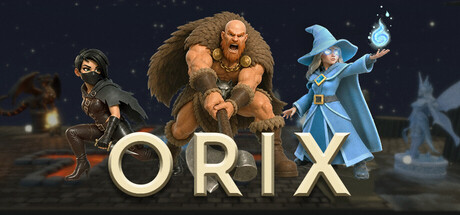
Some of the art in Orix was made with the help of generative AI. The character models were generated from AI-assisted concept art, then edited, retextured, and adjusted by hand for the game. The achievement icons were made the same way. Music and sound effects are licensed from human-made asset packs.
Nothing is generated while you play. Every asset in the game is fixed at build time and identical for every player.
Generative AI tools were used during development to assist in creating some visual artwork and image assets used in the game. All AI-assisted content was generated prior to release and was reviewed, selected, and integrated by the development team before being included in the final product. The game does not use generative AI during runtime and does not generate content dynamically for players.
This game utilizes generative AI tools to assist in the production of select art, sound, and music assets. However, no raw AI content is used. Every single AI-generated asset has been extensively modified, remade, and personalized by hand to fit the game's specific creative vision.
All coding was done by us. Artwork and SFX/Music was again either done by us or bought from third parties. We don't use AI for any creative element of the game.
To make our game playable for as wide an audience as possible we used AI to generate our translations. If you find it's done a poor job in your language, please let us know on discord!
The game uses AI-assisted tools during development, including code generation, asset creation, music composition, map prototyping, and image generation. These systems are part of the production workflow and do not generate new content during gameplay.
AI for Coding: Development tools assist with scripting, debugging, and generating boilerplate code. All AI-generated code is reviewed and manually refined by the development team.
AI for Visual Assets: Some environmental elements, props, and textures are created or enhanced using AI image-generation tools. These images are always curated, edited, and finalized by artists to ensure consistency with the game’s historical art direction.
AI for Music: Background tracks and ambient layers may be composed with AI tools, then adjusted by human composers to match the tone of the game.
AI for Maps: AI is used to prototype terrain shapes and layout ideas, which are later fully redesigned and polished by level designers.
AI for Image Generation: Certain concept art, reference images, and early-stage visual drafts are produced using AI image-generation systems. These are used only as development references or starting points, not as final in‑game assets.
All AI-generated materials are static, pre-produced, and manually validated.
No AI system creates dynamic content, gameplay outcomes, or real-time images while the player is playing.
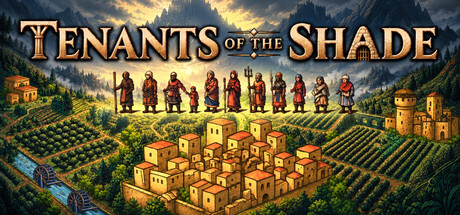
I've spent years developing *Tenants of the Shade*, and our team has devoted thousands of hours to programming, artwork, and music. We also use generative AI tools to assist with editing and creating select assets, including some in-game icons and 3D models, as well as promotional materials.
The game is still in development, and these assets may change before release. We welcome questions about our creative process on Discord or in the Steam Community forums.
The pixel art was created with the help of AI image tools, then cleaned up, animated and assembled by hand. Sound effects and music were made with AI audio tools and edited for the game. Nothing is generated by AI while you play.
This game includes pre-generated visual and auditory
assets created with the assistance of generative AI. These assets have been reviewed, edited, and integrated by the development team. The game does not use generative AI to create content while players are playing.
The in-game Japanese and Simplified Chinese translations were created with the help of AI tools. AI coding assistants were also used during development. All artwork, from pitches to character designs, was made by hand, and the music was created by the credited artists.
Generative AI tools assisted with creating content for FluxFall and its promotional materials. The developer revied and refined the results, guiding the creative direction, gameplay design, and final presentation.
Realm utilizes generative artificial intelligence for various assets, including artwork, and audio. Additionally, the in-game map creator suite features an integrated AI assistant to help creators realize their vision.
3D models: the AfterPub models (plushies, items, props) come from an AI 3D generator; the files are named like Tripo exports.
2D assets: mix between AI and an Actual Human Designer and Artist.
Commentator voice: produced by Piper, an AI text-to-speech engine, while the game runs.
Music: Pixabay tracks.
Generative AI was used as part of the creative process to assist in the creation of some artwork and visual assets used in the game and its marketing materials.
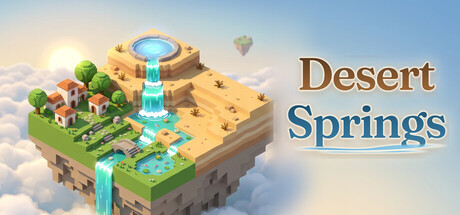
Desert Springs uses AI-assisted tools in parts of its development: some UI icons and Images were made with AI image generation. All of it was reviewed and edited by the developer. 2D art, level design, game design and codes are human made. No content is generated by AI while the game runs.
Some visual assets, including map backgrounds, concept art, and hero and creature models, were created with the help of AI image and 3D generation tools. The developer then edited, rigged, animated and integrated them by hand. Some text, including translations into the supported languages and store copy, was drafted with AI assistance and reviewed by the developer. The voice-over in the trailer was generated with an AI voice tool.
The game does not generate any content with AI during gameplay.
Some game assets were made with AI generation tools during development and then edited by us: the talent icons, the digger crew sprites, the sound effects and the music. Store descriptions were drafted with AI assistance and reviewed by the developer. Nothing is generated by AI while you play.
As a solo developer AI helped me with:
- fine tuning text and Steam store descriptions
- solve complex coding issues
- visuals are not "ai" generated, but all visuals are programmatically generated within my own software, and the scripts that do that, are optimised by AI coding tools
AI tools were used during development to help write the game's code (including the scripts that procedurally generate its sound effects and store art), to compose the soundtrack (melodies and arrangements written with AI assistance, rendered from our own scripts and an MIT-licensed instrument bank) and to translate its text into 10 languages. Game design, balance and visual direction are the developer's own, and all AI-assisted work was reviewed before being included. The game does not generate any AI content while you play.
Generative AI tools were used during development to assist with the creation and refinement of certain in-game visual assets, promotional artwork, and portions of text/localization. All AI-assisted content was reviewed, edited, and integrated by the developer. No generative AI is used during gameplay, and no content is generated live for players.
The card illustrations were made with an AI image tool from our own low-poly style references, then reviewed and placed by hand. All other art, the map, characters, interface, voices and writing were made by people. Store art and screenshots are captured from the game itself. I'm hoping I can replace the card art by proper human art before full release.
The player portraits, mascots, team emblems, box paintings and a few event images were generated with image models from the developer's prompts, then hand-keyed and placed. All other art is drawn in the game's own code. No live generation: the game contacts no service.
The music is synthesized from hand-written scores and is not AI audio.
Generative AI tools were used during development to assist with the creation and refinement of selected visual assets, artwork, and localization. AI-generated material is reviewed and adjusted before inclusion in the game.
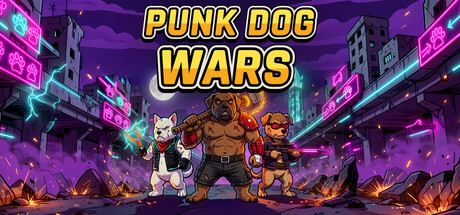
Punk Dog Wars uses AI-assisted tools during development. Character, effect and environment art, the music, and the announcer and dog voices were generated with AI models and then selected, composited and edited by our team. The store art was made the same way. No content is generated while you play.
As a solo dev, I use generative AI to help with some coding, visual and audio assets. Every AI asset was selected, refined, and directed by me. No AI content is generated when playing the game.
Generative AI tools were used during development to assist with portions of the game’s pre-generated 2D character and promotional artwork, localization drafts, and code. All AI-assisted material was reviewed, selected, and edited by the developer before inclusion. The game does not generate AI content during gameplay.
AI was used in the production of some visual assets in the game. All AI-assisted content was carefully reviewed and refined to ensure quality, consistency, and suitability for the game.
Generative AI was used to help create some images on the Steam store page and some visual assets and objects in the game. AI tools also assisted with debugging during development. The game does not generate AI content during play.
Generative AI tools were used during development to create visual assets, including images and artwork, as well as sound assets. AI tools were also used to assist with localization and the creation of store page descriptions and marketing materials. These assets and texts are prepared in advance. The game does not generate AI content during gameplay.
Generative AI tools were used during development to assist with the creation and refinement of game content. All content included in the final game was reviewed, selected, and integrated by the developer. The game does not generate AI content during gameplay.
Some pre-generated visual assets were created with the help of AI image generation tools and then edited by the developer: UI elements (buttons, icons, bars), the game logo, and the campaign zone background art. Some store and community artwork may also use AI-assisted imagery. All gameplay, card art, sound effects and music are procedurally generated by the game's own code, not by AI. No content is generated by AI live during gameplay.
Generative AI was used during development to create various visual assets featured in the game. The game maps and some UI elements were created manually by the developer. Generative AI was used as a content creation tool, while the final assets were integrated and adapted by the developer for use in the game.
The game's sprites, characters and building artwork were created with generative AI image tools, and the background music tracks were created with generative AI audio tools. All assets were selected and integrated into the game by the developer. Gameplay, design and sound effects were made without generative AI. The game does not generate any AI content during play and does not connect to any AI services.
Generative AI was used to create pre-rendered English voice performances and selected music used in the game. All AI-generated content is fixed before release; GhostLine does not generate content during gameplay or connect to an external AI service.
Generative AI-assisted tools were used during development to support programming, localization and store-page text, and the creation or refinement of some visual game assets. All AI-assisted output was reviewed, edited, tested and integrated by the developer. No content is generated by AI during gameplay, and the game does not connect to external AI services.
AI was used to assist with text translation into Italian, Portuguese, Chinese, Japanese, Korean, Norwegian, Swedish and German. The translations are used in the store page and in-game.
No other content in this game uses AI.
Fliprium contains visual artwork, music, and sound effects created with the assistance of generative AI tools. OpenAI image-generation tools were used for some visual assets, Suno for some music, and ElevenLabs for some sound effects. These assets were selected, edited, and integrated into the game by the developer during production
Generative AI was used for pre-generated promotional artwork and localization text. No AI content is generated during gameplay. The game does not connect to external AI services.
Generative AI tools may be used during development to assist in creating certain pre-generated visual, written, audio, or marketing content. All such content is reviewed and curated by the development team before inclusion. The game does not use generative AI to generate content during gameplay.
Generative AI tools were used during the development of this game to assist with creating certain visual assets, audio assets, and programming code. All AI-assisted content has been reviewed, edited, and integrated by the developer to ensure consistency with the game's artistic direction and overall quality. The game does not use generative AI to create content during gameplay.
Some of the art in Orix was made with the help of generative AI. The character models were generated from AI-assisted concept art, then edited, retextured, and adjusted by hand for the game. The achievement icons were made the same way. Music and sound effects are licensed from human-made asset packs.
Nothing is generated while you play. Every asset in the game is fixed at build time and identical for every player.
Generative AI tools were used during development to assist in creating some visual artwork and image assets used in the game. All AI-assisted content was generated prior to release and was reviewed, selected, and integrated by the development team before being included in the final product. The game does not use generative AI during runtime and does not generate content dynamically for players.
This game utilizes generative AI tools to assist in the production of select art, sound, and music assets. However, no raw AI content is used. Every single AI-generated asset has been extensively modified, remade, and personalized by hand to fit the game's specific creative vision.
All coding was done by us. Artwork and SFX/Music was again either done by us or bought from third parties. We don't use AI for any creative element of the game.
To make our game playable for as wide an audience as possible we used AI to generate our translations. If you find it's done a poor job in your language, please let us know on discord!
The game uses AI-assisted tools during development, including code generation, asset creation, music composition, map prototyping, and image generation. These systems are part of the production workflow and do not generate new content during gameplay.
AI for Coding: Development tools assist with scripting, debugging, and generating boilerplate code. All AI-generated code is reviewed and manually refined by the development team.
AI for Visual Assets: Some environmental elements, props, and textures are created or enhanced using AI image-generation tools. These images are always curated, edited, and finalized by artists to ensure consistency with the game’s historical art direction.
AI for Music: Background tracks and ambient layers may be composed with AI tools, then adjusted by human composers to match the tone of the game.
AI for Maps: AI is used to prototype terrain shapes and layout ideas, which are later fully redesigned and polished by level designers.
AI for Image Generation: Certain concept art, reference images, and early-stage visual drafts are produced using AI image-generation systems. These are used only as development references or starting points, not as final in‑game assets.
All AI-generated materials are static, pre-produced, and manually validated.
No AI system creates dynamic content, gameplay outcomes, or real-time images while the player is playing.
I've spent years developing *Tenants of the Shade*, and our team has devoted thousands of hours to programming, artwork, and music. We also use generative AI tools to assist with editing and creating select assets, including some in-game icons and 3D models, as well as promotional materials.
The game is still in development, and these assets may change before release. We welcome questions about our creative process on Discord or in the Steam Community forums.
The pixel art was created with the help of AI image tools, then cleaned up, animated and assembled by hand. Sound effects and music were made with AI audio tools and edited for the game. Nothing is generated by AI while you play.
This game includes pre-generated visual and auditory
assets created with the assistance of generative AI. These assets have been reviewed, edited, and integrated by the development team. The game does not use generative AI to create content while players are playing.
The in-game Japanese and Simplified Chinese translations were created with the help of AI tools. AI coding assistants were also used during development. All artwork, from pitches to character designs, was made by hand, and the music was created by the credited artists.
Generative AI tools assisted with creating content for FluxFall and its promotional materials. The developer revied and refined the results, guiding the creative direction, gameplay design, and final presentation.
Realm utilizes generative artificial intelligence for various assets, including artwork, and audio. Additionally, the in-game map creator suite features an integrated AI assistant to help creators realize their vision.
3D models: the AfterPub models (plushies, items, props) come from an AI 3D generator; the files are named like Tripo exports.
2D assets: mix between AI and an Actual Human Designer and Artist.
Commentator voice: produced by Piper, an AI text-to-speech engine, while the game runs.
Music: Pixabay tracks.
Generative AI was used as part of the creative process to assist in the creation of some artwork and visual assets used in the game and its marketing materials.
Desert Springs uses AI-assisted tools in parts of its development: some UI icons and Images were made with AI image generation. All of it was reviewed and edited by the developer. 2D art, level design, game design and codes are human made. No content is generated by AI while the game runs.
Some visual assets, including map backgrounds, concept art, and hero and creature models, were created with the help of AI image and 3D generation tools. The developer then edited, rigged, animated and integrated them by hand. Some text, including translations into the supported languages and store copy, was drafted with AI assistance and reviewed by the developer. The voice-over in the trailer was generated with an AI voice tool.
The game does not generate any content with AI during gameplay.
Some game assets were made with AI generation tools during development and then edited by us: the talent icons, the digger crew sprites, the sound effects and the music. Store descriptions were drafted with AI assistance and reviewed by the developer. Nothing is generated by AI while you play.
As a solo developer AI helped me with:
- fine tuning text and Steam store descriptions
- solve complex coding issues
- visuals are not "ai" generated, but all visuals are programmatically generated within my own software, and the scripts that do that, are optimised by AI coding tools
AI tools were used during development to help write the game's code (including the scripts that procedurally generate its sound effects and store art), to compose the soundtrack (melodies and arrangements written with AI assistance, rendered from our own scripts and an MIT-licensed instrument bank) and to translate its text into 10 languages. Game design, balance and visual direction are the developer's own, and all AI-assisted work was reviewed before being included. The game does not generate any AI content while you play.
Generative AI tools were used during development to assist with the creation and refinement of certain in-game visual assets, promotional artwork, and portions of text/localization. All AI-assisted content was reviewed, edited, and integrated by the developer. No generative AI is used during gameplay, and no content is generated live for players.
The card illustrations were made with an AI image tool from our own low-poly style references, then reviewed and placed by hand. All other art, the map, characters, interface, voices and writing were made by people. Store art and screenshots are captured from the game itself. I'm hoping I can replace the card art by proper human art before full release.
The player portraits, mascots, team emblems, box paintings and a few event images were generated with image models from the developer's prompts, then hand-keyed and placed. All other art is drawn in the game's own code. No live generation: the game contacts no service.
The music is synthesized from hand-written scores and is not AI audio.
Generative AI tools were used during development to assist with the creation and refinement of selected visual assets, artwork, and localization. AI-generated material is reviewed and adjusted before inclusion in the game.
Punk Dog Wars uses AI-assisted tools during development. Character, effect and environment art, the music, and the announcer and dog voices were generated with AI models and then selected, composited and edited by our team. The store art was made the same way. No content is generated while you play.
As a solo dev, I use generative AI to help with some coding, visual and audio assets. Every AI asset was selected, refined, and directed by me. No AI content is generated when playing the game.
Generative AI tools were used during development to assist with portions of the game’s pre-generated 2D character and promotional artwork, localization drafts, and code. All AI-assisted material was reviewed, selected, and edited by the developer before inclusion. The game does not generate AI content during gameplay.
AI was used in the production of some visual assets in the game. All AI-assisted content was carefully reviewed and refined to ensure quality, consistency, and suitability for the game.
Generative AI was used to help create some images on the Steam store page and some visual assets and objects in the game. AI tools also assisted with debugging during development. The game does not generate AI content during play.
Generative AI tools were used during development to create visual assets, including images and artwork, as well as sound assets. AI tools were also used to assist with localization and the creation of store page descriptions and marketing materials. These assets and texts are prepared in advance. The game does not generate AI content during gameplay.
Generative AI tools were used during development to assist with the creation and refinement of game content. All content included in the final game was reviewed, selected, and integrated by the developer. The game does not generate AI content during gameplay.
Some pre-generated visual assets were created with the help of AI image generation tools and then edited by the developer: UI elements (buttons, icons, bars), the game logo, and the campaign zone background art. Some store and community artwork may also use AI-assisted imagery. All gameplay, card art, sound effects and music are procedurally generated by the game's own code, not by AI. No content is generated by AI live during gameplay.
Generative AI was used during development to create various visual assets featured in the game. The game maps and some UI elements were created manually by the developer. Generative AI was used as a content creation tool, while the final assets were integrated and adapted by the developer for use in the game.
The game's sprites, characters and building artwork were created with generative AI image tools, and the background music tracks were created with generative AI audio tools. All assets were selected and integrated into the game by the developer. Gameplay, design and sound effects were made without generative AI. The game does not generate any AI content during play and does not connect to any AI services.