Public Steam disclosure research25,519 disclosures tracked
Where do games disclose AI use?
Search developers’ Steam disclosures, compare classified AI use across
games, and follow recorded changes.
This index adds cross-game classifications and statistics to
statements published on individual store pages.
Groups reflect automatic analysis of public disclosures; mature records are excluded. These counts do not measure AI use across all of Steam.
Missing or unclear statements cannot establish whether a game uses AI.
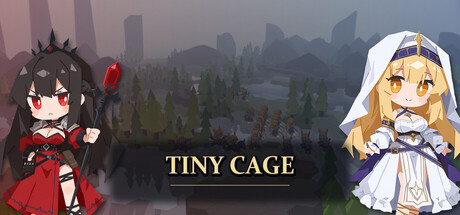
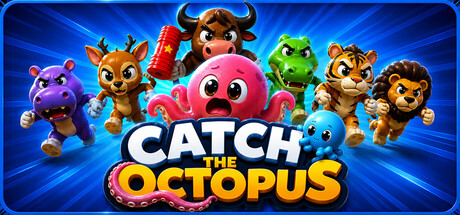
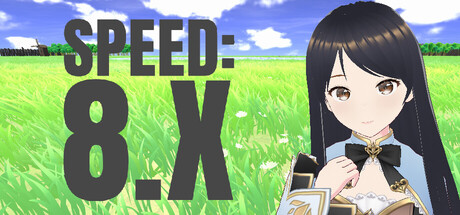
The character illustrations and their animation frames were created with the assistance of image-generation AI (Stable Diffusion), then manually layered, retouched and reviewed by the developer. All other content — game design, code, music, sound effects and text — is made by humans. No AI content is generated at runtime.
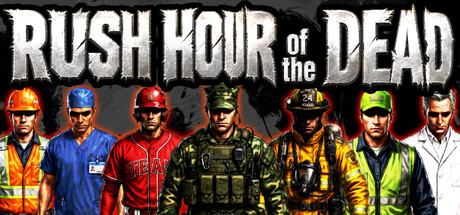
Some cinematic shots in the trailer were created with generative AI tools, and the trailer narration uses an AI-generated voice. The library banner image is derived from one of those trailer shots. All gameplay, in-game assets, and other store images were created without generative AI.
Some promotional artwork and store page text were created with the help of
generative AI and edited by hand. The game itself does not use AI at runtime
and does not connect to any AI service.
All pre-rendered visual artwork was created using generative AI under developer direction. This includes environment backgrounds, interface and menu artwork, branding, icons, and promotional/title-card images.
Generative AI tools were used during development to assist with programming and the creation of portions of the game's source code. The game does not use generative AI during gameplay and does not connect to external AI services.
The developer uses generative AI tools during the development process to assist in creating pre-generated visual assets, environment textures, and background sound effects. These AI-assisted elements are finalized and integrated into the game's static files to enhance the overall horror atmosphere.
Pre-generated generative AI was used during development to create and refine some character illustrations, 3D character models, and selected visual or marketing assets. All generated material was reviewed and edited by the developer before inclusion. The game does not generate AI content during play.
Generative AI tools were used during development to assist in creating and refining some pre-generated narrative, text, and visual content. All such content is created prior to release and reviewed by the developer. The game does not generate AI content during gameplay.
Generative AI tools were used in the development of this game to assist with creating select artwork, writing promotional/store page descriptions, and localization.
Generative AI tools were used during development to assist in the creation of visual and audio content. All AI-assisted content was created prior to release, reviewed and curated by the developer, and is included as part of the finished game. No generative AI is used during gameplay.
We are a two-person indie team with over a decade of real-world game development experience. Pat has been making games for 10 years, and Nate was a professional working artist long before generative AI tools existed.
We know AI in games is a dealbreaker for some folks, and we struggle with how much to use it ourselves. We want to be completely upfront about how we built this so you have the full picture:
- Visuals: We used generative AI alongside our standard software to speed up ideation and automate tedious tasks. Every final in-game element is as handmade as any other pre-LLM digital art. Most of the icons were licensed from a third-party.
- Code: We used AI assistants for pair-programming and troubleshooting complex engine logic on a project that two non-engineers couldn't otherwise build alone.
No content is generated live in-game at runtime.
We believe in total transparency with our players. We built this game to celebrate developers, and we want to be completely open about how we made it. As busy parents navigating the job hunt during development, these tools gave us the leverage to build and ship an ambitious project that we simply couldn't have created otherwise.
The game uses static images and UI elements (including a cryptocurrency exchange chart) generated with AI tools. These assets were manually post-processed and integrated into the game. All game code, mechanics, audio, and original level design were created by the studio without AI generation.
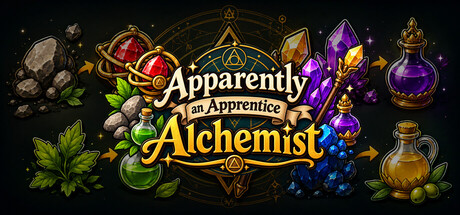
The artwork in this game was pre generated with AI tools, then cut, curated, corrected and animated by the developer before it shipped. This covers the character art, the city backdrops, the item and badge icons, and the store capsules. All code, level design, music and written text are the developer's own. No third party artwork was used as a source.
Generative AI tools were used to create and refine selected promotional artwork for the Steam store page. All resulting materials were reviewed and curated by the developer. The game does not generate AI content during gameplay or connect to external AI services.
Our App employs AI-powered image generation tools to aid in the production of visual assets and background artwork for marketing materials, including store page screenshots and preview assets, as well as for full-screen in-game interfaces such as the home screen and event pages.
Some visual assets in the game and its store materials were created with the assistance of generative AI. All AI-assisted content was generated prior to release and curated for use in the final game.
Some visual assets and promotional materials were created or assisted using generative AI tools and have been reviewed, modified, and integrated by the developer.
All gameplay, programming, level design, and game logic were created and implemented by the developer.
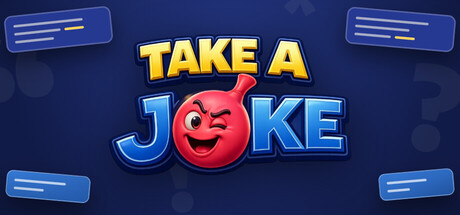
Take a Joke uses generative AI in a few clearly defined places.
Created during development and shipped as fixed files:
• Artwork — the game's logo, icon, and character avatars were created using AI image-generation tools, then selected, edited, and assembled by hand.
• Narrator voice — the spoken introduction is a synthesized voice performance created with ElevenLabs, reading a script we wrote.
• Cards — the great majority of the prompt and answer deck was written by hand. A small number of cards were drafted with AI assistance. Every card in the game was read and approved by a person before it shipped.
Generated during play (optional features):
• The narrator occasionally reacts to what is happening in a round. The lines come from a fixed, human-written library; a player's name is inserted and the line is voiced with ElevenLabs.
• The optional end-of-game awards ceremony writes a short, custom awards show about the game you just played — the award titles and descriptions are AI-written from that game's results, then voiced.
When those optional features are on, the game sends player nicknames and submitted answers to the services that generate them. With them off, nothing is generated while you play.
The game features AI‑versus‑AI gameplay, but you need to provide access information for the general‑purpose AI.This may consume your tokens. Alternatively, you can skip the AI connection, which will not affect your gameplay experience.
Enchanted Blackjack is a creative outlet and passion project of mine. The original build was created in 48 hours for a game jam without using AI. Since then,
I have incorporated LLMs such as Claude Code into my workflow to speed up the software development part of game making. I am very aware AI is antithetical to the artform and I take care to ensure all graphics, sound effects, and music is created by humans WITHOUT the use of AI.
The majority of this game is hand-coded. AI support was used to generate code for CPU player states, modify/rearrange UI elements, create custom shaders, and generate the main menu background image.
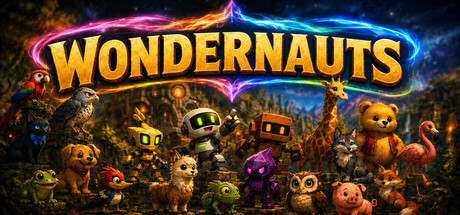
Some visual assets, sound effects, and music in Wondernauts were created with the help of generative AI tools during development, then refined, validated, and integrated by the development team. All gameplay logic and game systems are human-authored.
Some 2D art assets in this game — including UI textures, item icons, and the title and loading screens — were created with the help of generative AI tools and then hand-edited for use in the game. All game design, simulation systems, and gameplay logic are authored and directed by the developer. No content is generated by AI while the game is running.
Generating general in-game scripts
Music
Level design
In general, the developer uses AI to create like a cubes; ultimately, they decide where to place each cube to build a castle—or, in this case, the video game itself.
Generative AI tools were used during development to assist with certain parts of the game, including code and game assets such as artwork, audio, and localization. All AI generated content has been reviewed before being included in the game.
Generative AI tools were used during development to create and refine some pre-generated 2D visual assets, including character artwork, backgrounds, UI elements, and promotional/store-page images. Some of the music featured in the game and promotional materials was generated using Suno. All AI-generated content was reviewed and curated by the developer before inclusion. The game does not generate content using AI while it is running.
Generative AI was used during development to assist with the creation of some promotional and marketing materials, including the game's capsule artwork and logo. These materials were reviewed, edited, and finalized by the development team. Generative AI is not used to generate content dynamically during gameplay.
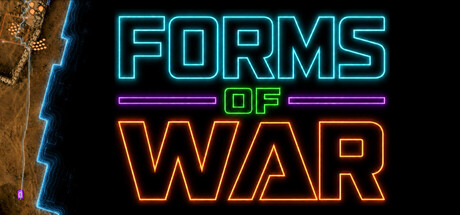
Some pre-generated visual assets currently used in Forms of War and its store materials were created with generative AI tools. Most in-game visuals are drawn procedurally in code using Phaser. AI-assisted coding tools were used during development. No generative AI is used while the game is running.
The character illustrations and their animation frames were created with the assistance of image-generation AI (Stable Diffusion), then manually layered, retouched and reviewed by the developer. All other content — game design, code, music, sound effects and text — is made by humans. No AI content is generated at runtime.
Some cinematic shots in the trailer were created with generative AI tools, and the trailer narration uses an AI-generated voice. The library banner image is derived from one of those trailer shots. All gameplay, in-game assets, and other store images were created without generative AI.
Some promotional artwork and store page text were created with the help of
generative AI and edited by hand. The game itself does not use AI at runtime
and does not connect to any AI service.
All pre-rendered visual artwork was created using generative AI under developer direction. This includes environment backgrounds, interface and menu artwork, branding, icons, and promotional/title-card images.
Generative AI tools were used during development to assist with programming and the creation of portions of the game's source code. The game does not use generative AI during gameplay and does not connect to external AI services.
The developer uses generative AI tools during the development process to assist in creating pre-generated visual assets, environment textures, and background sound effects. These AI-assisted elements are finalized and integrated into the game's static files to enhance the overall horror atmosphere.
Pre-generated generative AI was used during development to create and refine some character illustrations, 3D character models, and selected visual or marketing assets. All generated material was reviewed and edited by the developer before inclusion. The game does not generate AI content during play.
Generative AI tools were used during development to assist in creating and refining some pre-generated narrative, text, and visual content. All such content is created prior to release and reviewed by the developer. The game does not generate AI content during gameplay.
Generative AI tools were used in the development of this game to assist with creating select artwork, writing promotional/store page descriptions, and localization.
Generative AI tools were used during development to assist in the creation of visual and audio content. All AI-assisted content was created prior to release, reviewed and curated by the developer, and is included as part of the finished game. No generative AI is used during gameplay.
We are a two-person indie team with over a decade of real-world game development experience. Pat has been making games for 10 years, and Nate was a professional working artist long before generative AI tools existed.
We know AI in games is a dealbreaker for some folks, and we struggle with how much to use it ourselves. We want to be completely upfront about how we built this so you have the full picture:
- Visuals: We used generative AI alongside our standard software to speed up ideation and automate tedious tasks. Every final in-game element is as handmade as any other pre-LLM digital art. Most of the icons were licensed from a third-party.
- Code: We used AI assistants for pair-programming and troubleshooting complex engine logic on a project that two non-engineers couldn't otherwise build alone.
No content is generated live in-game at runtime.
We believe in total transparency with our players. We built this game to celebrate developers, and we want to be completely open about how we made it. As busy parents navigating the job hunt during development, these tools gave us the leverage to build and ship an ambitious project that we simply couldn't have created otherwise.
The game uses static images and UI elements (including a cryptocurrency exchange chart) generated with AI tools. These assets were manually post-processed and integrated into the game. All game code, mechanics, audio, and original level design were created by the studio without AI generation.
The artwork in this game was pre generated with AI tools, then cut, curated, corrected and animated by the developer before it shipped. This covers the character art, the city backdrops, the item and badge icons, and the store capsules. All code, level design, music and written text are the developer's own. No third party artwork was used as a source.
Generative AI tools were used to create and refine selected promotional artwork for the Steam store page. All resulting materials were reviewed and curated by the developer. The game does not generate AI content during gameplay or connect to external AI services.
Our App employs AI-powered image generation tools to aid in the production of visual assets and background artwork for marketing materials, including store page screenshots and preview assets, as well as for full-screen in-game interfaces such as the home screen and event pages.
Some visual assets in the game and its store materials were created with the assistance of generative AI. All AI-assisted content was generated prior to release and curated for use in the final game.
Some visual assets and promotional materials were created or assisted using generative AI tools and have been reviewed, modified, and integrated by the developer.
All gameplay, programming, level design, and game logic were created and implemented by the developer.
Take a Joke uses generative AI in a few clearly defined places.
Created during development and shipped as fixed files:
• Artwork — the game's logo, icon, and character avatars were created using AI image-generation tools, then selected, edited, and assembled by hand.
• Narrator voice — the spoken introduction is a synthesized voice performance created with ElevenLabs, reading a script we wrote.
• Cards — the great majority of the prompt and answer deck was written by hand. A small number of cards were drafted with AI assistance. Every card in the game was read and approved by a person before it shipped.
Generated during play (optional features):
• The narrator occasionally reacts to what is happening in a round. The lines come from a fixed, human-written library; a player's name is inserted and the line is voiced with ElevenLabs.
• The optional end-of-game awards ceremony writes a short, custom awards show about the game you just played — the award titles and descriptions are AI-written from that game's results, then voiced.
When those optional features are on, the game sends player nicknames and submitted answers to the services that generate them. With them off, nothing is generated while you play.
The game features AI‑versus‑AI gameplay, but you need to provide access information for the general‑purpose AI.This may consume your tokens. Alternatively, you can skip the AI connection, which will not affect your gameplay experience.
Enchanted Blackjack is a creative outlet and passion project of mine. The original build was created in 48 hours for a game jam without using AI. Since then,
I have incorporated LLMs such as Claude Code into my workflow to speed up the software development part of game making. I am very aware AI is antithetical to the artform and I take care to ensure all graphics, sound effects, and music is created by humans WITHOUT the use of AI.
The majority of this game is hand-coded. AI support was used to generate code for CPU player states, modify/rearrange UI elements, create custom shaders, and generate the main menu background image.
Some visual assets, sound effects, and music in Wondernauts were created with the help of generative AI tools during development, then refined, validated, and integrated by the development team. All gameplay logic and game systems are human-authored.
Some 2D art assets in this game — including UI textures, item icons, and the title and loading screens — were created with the help of generative AI tools and then hand-edited for use in the game. All game design, simulation systems, and gameplay logic are authored and directed by the developer. No content is generated by AI while the game is running.
Generating general in-game scripts
Music
Level design
In general, the developer uses AI to create like a cubes; ultimately, they decide where to place each cube to build a castle—or, in this case, the video game itself.
Generative AI tools were used during development to assist with certain parts of the game, including code and game assets such as artwork, audio, and localization. All AI generated content has been reviewed before being included in the game.
Generative AI tools were used during development to create and refine some pre-generated 2D visual assets, including character artwork, backgrounds, UI elements, and promotional/store-page images. Some of the music featured in the game and promotional materials was generated using Suno. All AI-generated content was reviewed and curated by the developer before inclusion. The game does not generate content using AI while it is running.
Generative AI was used during development to assist with the creation of some promotional and marketing materials, including the game's capsule artwork and logo. These materials were reviewed, edited, and finalized by the development team. Generative AI is not used to generate content dynamically during gameplay.
Some pre-generated visual assets currently used in Forms of War and its store materials were created with generative AI tools. Most in-game visuals are drawn procedurally in code using Phaser. AI-assisted coding tools were used during development. No generative AI is used while the game is running.