Public Steam disclosure research25,706 disclosures tracked
Where do games disclose AI use?
Search developers’ Steam disclosures, compare classified AI use across
games, and follow recorded changes.
This index adds cross-game classifications and statistics to
statements published on individual store pages.
Groups reflect automatic analysis of public disclosures; mature records are excluded. These counts do not measure AI use across all of Steam.
Missing or unclear statements cannot establish whether a game uses AI.
AI tools were used during development as coding and asset-pipeline assistants (writing the procedural generation code for models, textures and music) and to help draft store page text. All content was reviewed by the developer. The game does not generate content with AI at runtime.
Some of this game's art, including certain item icons, UI elements, and the store/library and promotional images was created with the help of generative AI tools. Some background music was generated with AI and edited by the developer. All AI-generated content was reviewed by the developer for quality and to ensure it doesn't infringe third-party rights. No AI content is generated live during gameplay.
AI-assisted tools were only used during the creation of certain visual assets. These assets were reviewed, edited, modified, and integrated by the developer. The game's story, characters, world, gameplay design, dialogue, and creative direction were entirely created by the developer.
Pre-generated AI tools were used to create some visual assets and promotional artwork, including UI concepts, store page artwork, icons, and environmental illustrations. These assets are reviewed and curated by the developer before inclusion. The game does not use live-generated AI content during gameplay.
This game uses generative artificial intelligence to create dynamic content during gameplay. AI systems may generate political advice, news articles, speeches, social media posts, events, narrative responses, and other text-based content based on player actions and the current game state. AI-generated content is intended to enhance replayability and create unique gameplay experiences. Some store, library, and character artwork was created with the assistance of generative AI image tools.
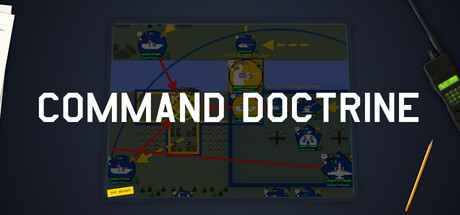
Command Doctrine uses generative AI to create some of the content you play. When you generate a scenario or a campaign, an AI model produces the map, the opposing forces, the objectives, and the written mission briefing from your prompt. AI is also used to write narrative battle reports, to create the images that accompany them, and to interpret the natural-language orders you give your units. This content is generated live by third-party AI services. We apply content moderation and input filtering to guard against inappropriate or unsafe output.
Generative AI was used to create or assist with the game's marketing assets, including the game icon, screenshots, capsule art, library art, and the trailer.
We use a local real-time deep learning neural network (AI) to perform depth estimation on the video frame. The AI analyzes the 2D image and generates a corresponding depth map in real-time, which is then used to reconstruct the 3D VR environment. The AI only processes the visual depth data and does not generate any text, audio, new art assets, or user-facing media content.
This game utilized AI tools during the development process, primarily to assist in generating character portraits. All AI-generated assets were reviewed and curated by the development team before being implemented into the game.
Generative AI was used only to assist in editing and enhancing certain 2D images used in the game, such as improving quality, refining details, or making visual adjustments. All gameplay, programming, game design, and the final implementation of assets were created and reviewed by the developer. No generative AI is used to create gameplay content or player interactions during gameplay.
This game used generative AI tools during development to assist with: (1) some artwork such as the title illustration, (2) in-game text including newspaper headlines and stock descriptions, and (3) Korean/English localization. All AI-assisted output was reviewed and edited by the developer. The game does not generate any AI content at runtime (all pre-generated).
AI tools were used strictly as a minor supplementary aid for light editing of select images and textures. Additionally, AI was partially utilized to generate specific ambient sound effects and assist with voiceover processing. All core game mechanics, 3D models, and primary assets were created manually by the developer.
This game includes pre-generated content created with the assistance of generative AI during development. Generative AI was used to help create some in-game image assets and translations. All AI-assisted content, including AI-generated translations, was reviewed, edited, and approved by the development team before being included in the final game.
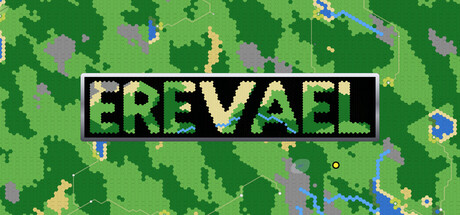
Erevael is made by a solo developer who uses generative AI as part of the development process. The following player-facing content is created with AI and reviewed by the developer before release:
- Visual art, including assets used in the procedurally generated world.
- Localization: translations are machine-generated and have not yet been professionally reviewed.
Music and sound effects are sourced from licensed, human-made libraries and are not AI-generated. AI coding assistants are also used during development.
The AI-generated art is a starting point. If the game finds an audience, the plan is to replace it with work from human artists in a free update for everyone, while keeping the original art available as an optional mod.
This game uses generative AI during development to assist in creating and refining certain content, including artwork, text, dialogue, and other game assets. All AI-generated content has been reviewed, edited, and approved by the development team before being included in the game. The game does not generate AI content during gameplay.
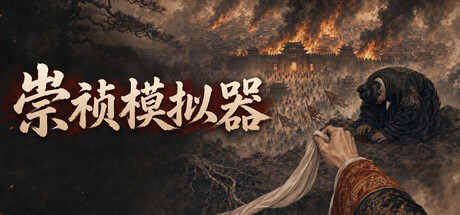
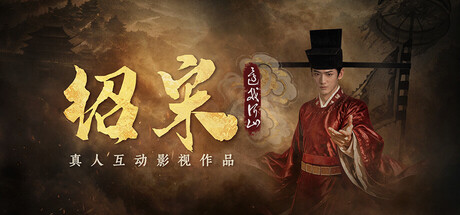
The game calls the aforementioned third-party large language model API over the network at runtime. When the player makes a decision, issues an imperial edict, or interacts with ministers in the game, the game assembles the current situation and character settings into a request and sends it to the AI service; the text returned by the service (minister dialogue, memorials to the throne, plot deduction) is presented in the game interface in real time. This process is transparent to the player and requires no player-side configuration, but an internet connection is required throughout.
Oreworks contains AI-generated content. Like in-game visual assets and programming assistance during developement.
All AI-generated content was manually reviewed, curated and intetegrated by the developer.
Some of this game's Steam store and marketing art was created using AI image-generation tools. Specifically, the store capsule images (header, main, small, and vertical capsules), the library artwork (library capsule and hero image), and the logo background were AI-generated.
AI was used only for this promotional store art. All in-game content — pixel-art sprites, backgrounds, UI, animations, and effects — is made from licensed, human-authored pixel-art assets and contains no AI-generated content. The game's audio and gameplay contain no AI-generated content.
This game was made with the help of AI. The music was generated using Suno, and AI tools assisted with other content and store materials, all reviewed and curated by the developer.
Some visual assets in this game, including team icons and player silhouettes, were created with the assistance of AI image generation tools. All AI-generated assets were reviewed, selected, and integrated by the developer. No AI is used to generate content during gameplay.
Pre-generated content (created during development, not at runtime):
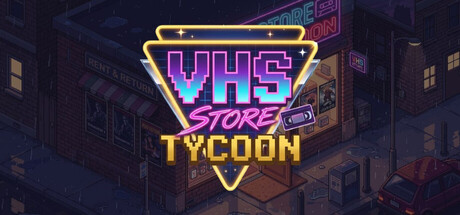
- In-game parody movie cover art: generated with AI tools and manually reviewed by the team to ensure all covers are original parodies and do not reproduce trademarked logos, brands, or copyrighted characters.
- In-game parody movie titles and descriptions: drafted with AI assistance and manually edited by the team.
- In-game UI and text translations into the 8 supported languages: produced with AI assistance and reviewed by the team.
No live generative AI is used at runtime. All AI-assisted content is baked into the game build.
Core game assets (code, gameplay design, UI art, character and shop sprites, music and sound effects) were NOT generated with AI.
LLMs were used during development as coding assistants and to help write the game's text and translations. No AI-generated images, audio, or video ship as assets, and no AI model runs during play.
Netshell uses AI to power its characters. The NPCs you meet on the in-game forums and IRC read what is happening in your playthrough and respond in character, so their messages and forum posts are generated rather than pre-scripted, and each player's world unfolds differently.
All of this runs locally and offline: the AI models ship with the game and run on your machine. Netshell never connects to a third-party AI service such as ChatGPT or Claude. You can turn the AI off entirely, in which case the NPCs stop chatting and the game continues with its authored story.
Some Steam store and trailer assets were created with AI assistance and then edited/curated by the development team. During gameplay, Netshell only uses AI to generate in-character NPC text.
I have updated the AI Content Survey to better reflect the content used in the game.
Some background images were created with the assistance of generative AI. A small number of player card artworks were also created using generative AI, but the majority of the cards were created without AI-generated artwork. Additionally, some promotional/store images contain AI-generated elements, while many others do not.
The AI-generated content is limited to certain visual assets and does not affect gameplay or game logic.
Penko Vox: Japanese uses local generative AI to power its immersive language learning experience. An integrated Large Language Model (LLM) acts as a native Japanese tutor, generating real-time dialogue based on user input, while a Neural Text-to-Speech (TTS) engine synthesizes high-fidelity Japanese audio for listening practice.
This game was developed with the assistance of generative AI. Generative AI was used to help create portions of the game's source code and some game assets (including certain artwork and prototype assets). All AI-generated content has been reviewed, modified, or integrated by the developer before being included in the game.
This game uses images created with AI generation tools — including NPC photos and portraits, and some store and promotional artwork. All such content has been reviewed by the developer to ensure it contains no illegal or infringing material.
Generative AI tools (Leonardo.ai, Meshy.ai) are used to create some pre-rendered art assets and 3D model prototypes, which are then edited and art-directed by the developer. AI audio tools are used for some sound assets. All AI-generated content is reviewed and integrated by the developer; we have rights to use these outputs commercially per the tools' licensing terms.
Some of the images in the game were generated using AI during the prototype stage. Such assets may be present in the game up until the release of the demo (inclusive). During the development process, we gradually get rid of generated assets and replace them with hand-made ones. By the time of the official release, all generated content will be removed. This is a normal process for developing an indie game.
The capsule images and promotional artworks on the Steam store page of this game are AI-generated. All images have been manually adjusted in composition, refined in details and post-processed with text addition, without any copyrighted third-party materials. No real-time AI content generation during gameplay.
AI tools were used during development as coding and asset-pipeline assistants (writing the procedural generation code for models, textures and music) and to help draft store page text. All content was reviewed by the developer. The game does not generate content with AI at runtime.
Some of this game's art, including certain item icons, UI elements, and the store/library and promotional images was created with the help of generative AI tools. Some background music was generated with AI and edited by the developer. All AI-generated content was reviewed by the developer for quality and to ensure it doesn't infringe third-party rights. No AI content is generated live during gameplay.
AI-assisted tools were only used during the creation of certain visual assets. These assets were reviewed, edited, modified, and integrated by the developer. The game's story, characters, world, gameplay design, dialogue, and creative direction were entirely created by the developer.
Pre-generated AI tools were used to create some visual assets and promotional artwork, including UI concepts, store page artwork, icons, and environmental illustrations. These assets are reviewed and curated by the developer before inclusion. The game does not use live-generated AI content during gameplay.
This game uses generative artificial intelligence to create dynamic content during gameplay. AI systems may generate political advice, news articles, speeches, social media posts, events, narrative responses, and other text-based content based on player actions and the current game state. AI-generated content is intended to enhance replayability and create unique gameplay experiences. Some store, library, and character artwork was created with the assistance of generative AI image tools.
Command Doctrine uses generative AI to create some of the content you play. When you generate a scenario or a campaign, an AI model produces the map, the opposing forces, the objectives, and the written mission briefing from your prompt. AI is also used to write narrative battle reports, to create the images that accompany them, and to interpret the natural-language orders you give your units. This content is generated live by third-party AI services. We apply content moderation and input filtering to guard against inappropriate or unsafe output.
Generative AI was used to create or assist with the game's marketing assets, including the game icon, screenshots, capsule art, library art, and the trailer.
We use a local real-time deep learning neural network (AI) to perform depth estimation on the video frame. The AI analyzes the 2D image and generates a corresponding depth map in real-time, which is then used to reconstruct the 3D VR environment. The AI only processes the visual depth data and does not generate any text, audio, new art assets, or user-facing media content.
This game utilized AI tools during the development process, primarily to assist in generating character portraits. All AI-generated assets were reviewed and curated by the development team before being implemented into the game.
Generative AI was used only to assist in editing and enhancing certain 2D images used in the game, such as improving quality, refining details, or making visual adjustments. All gameplay, programming, game design, and the final implementation of assets were created and reviewed by the developer. No generative AI is used to create gameplay content or player interactions during gameplay.
This game used generative AI tools during development to assist with: (1) some artwork such as the title illustration, (2) in-game text including newspaper headlines and stock descriptions, and (3) Korean/English localization. All AI-assisted output was reviewed and edited by the developer. The game does not generate any AI content at runtime (all pre-generated).
AI tools were used strictly as a minor supplementary aid for light editing of select images and textures. Additionally, AI was partially utilized to generate specific ambient sound effects and assist with voiceover processing. All core game mechanics, 3D models, and primary assets were created manually by the developer.
This game includes pre-generated content created with the assistance of generative AI during development. Generative AI was used to help create some in-game image assets and translations. All AI-assisted content, including AI-generated translations, was reviewed, edited, and approved by the development team before being included in the final game.
Erevael is made by a solo developer who uses generative AI as part of the development process. The following player-facing content is created with AI and reviewed by the developer before release:
- Visual art, including assets used in the procedurally generated world.
- Localization: translations are machine-generated and have not yet been professionally reviewed.
Music and sound effects are sourced from licensed, human-made libraries and are not AI-generated. AI coding assistants are also used during development.
The AI-generated art is a starting point. If the game finds an audience, the plan is to replace it with work from human artists in a free update for everyone, while keeping the original art available as an optional mod.
This game uses generative AI during development to assist in creating and refining certain content, including artwork, text, dialogue, and other game assets. All AI-generated content has been reviewed, edited, and approved by the development team before being included in the game. The game does not generate AI content during gameplay.
The game calls the aforementioned third-party large language model API over the network at runtime. When the player makes a decision, issues an imperial edict, or interacts with ministers in the game, the game assembles the current situation and character settings into a request and sends it to the AI service; the text returned by the service (minister dialogue, memorials to the throne, plot deduction) is presented in the game interface in real time. This process is transparent to the player and requires no player-side configuration, but an internet connection is required throughout.
Oreworks contains AI-generated content. Like in-game visual assets and programming assistance during developement.
All AI-generated content was manually reviewed, curated and intetegrated by the developer.
Some of this game's Steam store and marketing art was created using AI image-generation tools. Specifically, the store capsule images (header, main, small, and vertical capsules), the library artwork (library capsule and hero image), and the logo background were AI-generated.
AI was used only for this promotional store art. All in-game content — pixel-art sprites, backgrounds, UI, animations, and effects — is made from licensed, human-authored pixel-art assets and contains no AI-generated content. The game's audio and gameplay contain no AI-generated content.
This game was made with the help of AI. The music was generated using Suno, and AI tools assisted with other content and store materials, all reviewed and curated by the developer.
Some visual assets in this game, including team icons and player silhouettes, were created with the assistance of AI image generation tools. All AI-generated assets were reviewed, selected, and integrated by the developer. No AI is used to generate content during gameplay.
Pre-generated content (created during development, not at runtime):
- In-game parody movie cover art: generated with AI tools and manually reviewed by the team to ensure all covers are original parodies and do not reproduce trademarked logos, brands, or copyrighted characters.
- In-game parody movie titles and descriptions: drafted with AI assistance and manually edited by the team.
- In-game UI and text translations into the 8 supported languages: produced with AI assistance and reviewed by the team.
No live generative AI is used at runtime. All AI-assisted content is baked into the game build.
Core game assets (code, gameplay design, UI art, character and shop sprites, music and sound effects) were NOT generated with AI.
LLMs were used during development as coding assistants and to help write the game's text and translations. No AI-generated images, audio, or video ship as assets, and no AI model runs during play.
Netshell uses AI to power its characters. The NPCs you meet on the in-game forums and IRC read what is happening in your playthrough and respond in character, so their messages and forum posts are generated rather than pre-scripted, and each player's world unfolds differently.
All of this runs locally and offline: the AI models ship with the game and run on your machine. Netshell never connects to a third-party AI service such as ChatGPT or Claude. You can turn the AI off entirely, in which case the NPCs stop chatting and the game continues with its authored story.
Some Steam store and trailer assets were created with AI assistance and then edited/curated by the development team. During gameplay, Netshell only uses AI to generate in-character NPC text.
I have updated the AI Content Survey to better reflect the content used in the game.
Some background images were created with the assistance of generative AI. A small number of player card artworks were also created using generative AI, but the majority of the cards were created without AI-generated artwork. Additionally, some promotional/store images contain AI-generated elements, while many others do not.
The AI-generated content is limited to certain visual assets and does not affect gameplay or game logic.
Penko Vox: Japanese uses local generative AI to power its immersive language learning experience. An integrated Large Language Model (LLM) acts as a native Japanese tutor, generating real-time dialogue based on user input, while a Neural Text-to-Speech (TTS) engine synthesizes high-fidelity Japanese audio for listening practice.
This game was developed with the assistance of generative AI. Generative AI was used to help create portions of the game's source code and some game assets (including certain artwork and prototype assets). All AI-generated content has been reviewed, modified, or integrated by the developer before being included in the game.
This game uses images created with AI generation tools — including NPC photos and portraits, and some store and promotional artwork. All such content has been reviewed by the developer to ensure it contains no illegal or infringing material.
Generative AI tools (Leonardo.ai, Meshy.ai) are used to create some pre-rendered art assets and 3D model prototypes, which are then edited and art-directed by the developer. AI audio tools are used for some sound assets. All AI-generated content is reviewed and integrated by the developer; we have rights to use these outputs commercially per the tools' licensing terms.
Some of the images in the game were generated using AI during the prototype stage. Such assets may be present in the game up until the release of the demo (inclusive). During the development process, we gradually get rid of generated assets and replace them with hand-made ones. By the time of the official release, all generated content will be removed. This is a normal process for developing an indie game.
The capsule images and promotional artworks on the Steam store page of this game are AI-generated. All images have been manually adjusted in composition, refined in details and post-processed with text addition, without any copyrighted third-party materials. No real-time AI content generation during gameplay.