Public Steam disclosure research25,706 disclosures tracked
Where do games disclose AI use?
Search developers’ Steam disclosures, compare classified AI use across
games, and follow recorded changes.
This index adds cross-game classifications and statistics to
statements published on individual store pages.
Groups reflect automatic analysis of public disclosures; mature records are excluded. These counts do not measure AI use across all of Steam.
Missing or unclear statements cannot establish whether a game uses AI.
AI image generation tools (ChatGPT/DALL-E) were used to create unit artwork, faction sprites, and promotional images for this game. No AI was used to generate game code, narrative text, or audio content.
Some promotional art assets and in-game
artwork were created with the assistance of AI image generation tools.
All AI-generated output was reviewed, edited, and curated by the development
team before inclusion.
This game actively supports human creativity, notably musicians and programmers - but uses AI in the design of marketing materials and some aspects of software development. Neither the game itself - nor the procedural generation techniques used to create the world, music, or audio - use AI or AI-generated art.
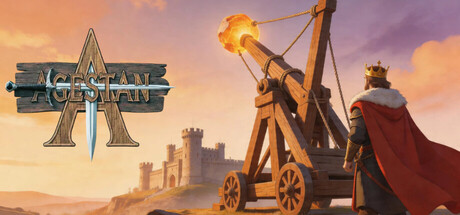
The basic concepts and raw assets for the characters and buildings in our 2D game, 'Agestan,' were created using AI tools. However, all AI-generated visuals have been significantly modified, manually refined, and hand-edited by the developer to ensure high quality and consistency with the game's unique art style. Additionally, AI tools were utilized for the promotional video, with the necessary editing performed by our team.
During the development process, I may use procedural- and AI-based tools to assist with content creation. In all such cases, the final product reflects the creativity and expression of myself.
Because I am a dev team of 1, yes, I have used AI specifically for working on multiplayer code - that's an area of coding I'm just not up to speed on. The in-game code is all me though. As for art, having 10 years experience in game-dev GFX, that's me - 99% of it. I'm highly proficient in using the tools of the trade )Pshop, Blender, 3d MAx etc), but yes, I have used some highly modified bits and pieces for the landing screen and outros, but everything in-game (100%) is me. The SFX, music and voice acting, me too... for my sins. I'm no Mozart or Lawrence Olivier, but, yakknow... it's passable :)
AI has been used to generate some graphics, music, and translations.
As the story of this game may suggest, I understand (and even share) most of the criticisms regarding AI, but it is also a tool that has enabled small creators like myself to achieve bigger things that would have been difficult without it.
I am writing to provide further explanation regarding the AI content disclosure. We used an AI-assisted video and image editing tool, specifically CapCut (also known as JianYing), to help edit and generate some of the assets for our promotional trailer and store page images. The AI features within this software were utilized to assist in the editing, effects, and visual generation process for these store page assets.
Everything is AI generated... I built my own Agentic AI harness, and then used it to build this game (as well as generating images, soundtrack, and 1000s of lines of text content etc)... I'm not a developer, I'm a Functional/UX/Graphic Designer that finally found a tool that could help me build my dream games... I wouldn't consider the game "vibe coded", it has been months of obsessive iterations to ensure the functionality and user experience is of the highest level, which was 100% designed and directed by me, using Agentic AI to build to order. It's far from a "one-shot" prompt hope and prayer... and I think you'll be surprised when you see it.
Solvizz was designed, written, and hand-crafted by a small team, but generative AI played a supporting role in parts of production. Specifically, some placeholder art (achievement icons, region glyph references) and placeholder audio (background music tracks and sound effects) were generated with AI tooling to prototype the game's mood before final assets. AI was also used as a coding assistant during development. All puzzle design, game mechanics, story, level content, and code decisions were authored and reviewed by humans. No player-submitted data is sent to any AI system at runtime — the game is fully offline.
(This text was also generated with the help of AI)
Store page artwork (capsule images and header) was created with
the assistance of AI image generation tools (Stable Diffusion /
Flux). All in-game content, text, and gameplay logic is
human-authored. No AI is used to generate content during gameplay.
Some of Citadel Zero's visual assets (pixel-art sprites, icons, and backgrounds) were created with the help of generative AI tools, then reviewed and refined by the developer. All such content is pre-generated and baked into the game — Citadel Zero performs no real-time AI generation and connects to no AI service while you play.
Xalvorynthium does not use generative AI during gameplay and does not connect to any external AI service while the game is running.
Some pre-generated visual assets used for store marketing, promotional artwork, capsule images, logos, or related presentation materials may have been created or assisted with generative AI tools. These assets were reviewed and selected by the developer before use.
Some of the artwork currently in Norectus: Theatre of War was created with generative AI tools during development, including card art, in-game backgrounds, and store images. We use it as placeholder art so we can build, balance, and expand the game during Early Access. We are commissioning human artists and replacing this AI-generated art over time. Every AI-assisted asset is reviewed by our team before it goes into the game.
Some visual assets used in this game were created or assisted using generative AI during development and have been reviewed and edited by the developer before being included in the final game. The game does not use generative AI during gameplay and does not generate content in real time.
This game includes live-generated AI features that run locally on the player's computer and do not rely on external AI services.
The game uses AI to:
- interpret the player's spoken voice commands in real time to support gameplay interactions;
- generate voice audio for in-game pilot communications in real time.
The AI systems are used exclusively for these gameplay functions. They do not generate user-visible images, text, or other open-ended content.
The game is designed so that AI-generated output is limited to its intended gameplay purpose and cannot be used to create illegal, infringing, or otherwise prohibited content.
This game employs AI-generated materials to enhance overall development efficiency. Every asset has been manually reviewed, checked, and revised by our team.
ransparency Regarding AI Usage:
We believe in being open with our community. To create a richer world, some of the music and text content in this game were generated using AI. Our development team also utilized AI coding assistants to help accelerate the development process. We understand the community's perspective on AI, and please be assured that all AI-generated assets have been strictly reviewed and refined by our human team. Thank you for your support and understanding!
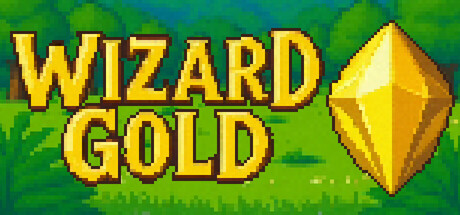
The artwork in Wizard Gold was created with the help of generative AI tools, then edited and refined by the developer. No content is generated by AI during game play.
This game uses AI-generated artwork for character portraits and encounter illustrations. All other content — game design, code, writing, and audio — is human-created.
AI has been used to refine the game balance, produce the graphics and the code for Conglomerate. As a solo indie dev, AI is used to bounce ideas and support the game development, replicating having a development partner.
Some visual assets in the game (such as background elements and sprites) were created with the assistance of generative AI tools. Some localizations were produced using AI-assisted translation. AI tools may also be used for some promotional and store page materials.
AI was utilized in the following areas:
* Art Assets: Two textures (the move marker and UI background) were generated using AI tools.
* Development: AI was primarily used for code review, debugging, and localization support.
* Audio: Some musical tracks and voices may have been AI-generated.
Text: Help text was generated and proofread with AI assistance.
* In-Game Feature: The game includes llama.cpp, enabling an experimental feature where players can consult an AI about chess moves.
As a solo developer several of the art assets used during the development of the game are generated using AI models with art references. Should the game be successful it is my hope to slowly start using commissioned art.
This game uses generative AI tools to create some visual assets and background images. All AI-generated content has been reviewed and edited by the developer.
Generative AI was used to assist with multilingual localization of menus, help text, store page text, and UI text.
All source text was written by the developer, and the final text was implemented by the developer.
No live-generated AI content is used during gameplay.
Some pre-generated visual and audio assets were created or assisted with generative AI tools and then selected, edited, integrated, and reviewed by the developer. The game does not use live generative AI to create content during gameplay.
AI image generation tools (ChatGPT/DALL-E) were used to create unit artwork, faction sprites, and promotional images for this game. No AI was used to generate game code, narrative text, or audio content.
Some promotional art assets and in-game
artwork were created with the assistance of AI image generation tools.
All AI-generated output was reviewed, edited, and curated by the development
team before inclusion.
This game actively supports human creativity, notably musicians and programmers - but uses AI in the design of marketing materials and some aspects of software development. Neither the game itself - nor the procedural generation techniques used to create the world, music, or audio - use AI or AI-generated art.
The basic concepts and raw assets for the characters and buildings in our 2D game, 'Agestan,' were created using AI tools. However, all AI-generated visuals have been significantly modified, manually refined, and hand-edited by the developer to ensure high quality and consistency with the game's unique art style. Additionally, AI tools were utilized for the promotional video, with the necessary editing performed by our team.
During the development process, I may use procedural- and AI-based tools to assist with content creation. In all such cases, the final product reflects the creativity and expression of myself.
Because I am a dev team of 1, yes, I have used AI specifically for working on multiplayer code - that's an area of coding I'm just not up to speed on. The in-game code is all me though. As for art, having 10 years experience in game-dev GFX, that's me - 99% of it. I'm highly proficient in using the tools of the trade )Pshop, Blender, 3d MAx etc), but yes, I have used some highly modified bits and pieces for the landing screen and outros, but everything in-game (100%) is me. The SFX, music and voice acting, me too... for my sins. I'm no Mozart or Lawrence Olivier, but, yakknow... it's passable :)
AI has been used to generate some graphics, music, and translations.
As the story of this game may suggest, I understand (and even share) most of the criticisms regarding AI, but it is also a tool that has enabled small creators like myself to achieve bigger things that would have been difficult without it.
I am writing to provide further explanation regarding the AI content disclosure. We used an AI-assisted video and image editing tool, specifically CapCut (also known as JianYing), to help edit and generate some of the assets for our promotional trailer and store page images. The AI features within this software were utilized to assist in the editing, effects, and visual generation process for these store page assets.
Everything is AI generated... I built my own Agentic AI harness, and then used it to build this game (as well as generating images, soundtrack, and 1000s of lines of text content etc)... I'm not a developer, I'm a Functional/UX/Graphic Designer that finally found a tool that could help me build my dream games... I wouldn't consider the game "vibe coded", it has been months of obsessive iterations to ensure the functionality and user experience is of the highest level, which was 100% designed and directed by me, using Agentic AI to build to order. It's far from a "one-shot" prompt hope and prayer... and I think you'll be surprised when you see it.
Solvizz was designed, written, and hand-crafted by a small team, but generative AI played a supporting role in parts of production. Specifically, some placeholder art (achievement icons, region glyph references) and placeholder audio (background music tracks and sound effects) were generated with AI tooling to prototype the game's mood before final assets. AI was also used as a coding assistant during development. All puzzle design, game mechanics, story, level content, and code decisions were authored and reviewed by humans. No player-submitted data is sent to any AI system at runtime — the game is fully offline.
(This text was also generated with the help of AI)
Store page artwork (capsule images and header) was created with
the assistance of AI image generation tools (Stable Diffusion /
Flux). All in-game content, text, and gameplay logic is
human-authored. No AI is used to generate content during gameplay.
Some of Citadel Zero's visual assets (pixel-art sprites, icons, and backgrounds) were created with the help of generative AI tools, then reviewed and refined by the developer. All such content is pre-generated and baked into the game — Citadel Zero performs no real-time AI generation and connects to no AI service while you play.
Xalvorynthium does not use generative AI during gameplay and does not connect to any external AI service while the game is running.
Some pre-generated visual assets used for store marketing, promotional artwork, capsule images, logos, or related presentation materials may have been created or assisted with generative AI tools. These assets were reviewed and selected by the developer before use.
Some of the artwork currently in Norectus: Theatre of War was created with generative AI tools during development, including card art, in-game backgrounds, and store images. We use it as placeholder art so we can build, balance, and expand the game during Early Access. We are commissioning human artists and replacing this AI-generated art over time. Every AI-assisted asset is reviewed by our team before it goes into the game.
Some visual assets used in this game were created or assisted using generative AI during development and have been reviewed and edited by the developer before being included in the final game. The game does not use generative AI during gameplay and does not generate content in real time.
This game includes live-generated AI features that run locally on the player's computer and do not rely on external AI services.
The game uses AI to:
- interpret the player's spoken voice commands in real time to support gameplay interactions;
- generate voice audio for in-game pilot communications in real time.
The AI systems are used exclusively for these gameplay functions. They do not generate user-visible images, text, or other open-ended content.
The game is designed so that AI-generated output is limited to its intended gameplay purpose and cannot be used to create illegal, infringing, or otherwise prohibited content.
This game employs AI-generated materials to enhance overall development efficiency. Every asset has been manually reviewed, checked, and revised by our team.
ransparency Regarding AI Usage:
We believe in being open with our community. To create a richer world, some of the music and text content in this game were generated using AI. Our development team also utilized AI coding assistants to help accelerate the development process. We understand the community's perspective on AI, and please be assured that all AI-generated assets have been strictly reviewed and refined by our human team. Thank you for your support and understanding!
The artwork in Wizard Gold was created with the help of generative AI tools, then edited and refined by the developer. No content is generated by AI during game play.
This game uses AI-generated artwork for character portraits and encounter illustrations. All other content — game design, code, writing, and audio — is human-created.
AI has been used to refine the game balance, produce the graphics and the code for Conglomerate. As a solo indie dev, AI is used to bounce ideas and support the game development, replicating having a development partner.
Some visual assets in the game (such as background elements and sprites) were created with the assistance of generative AI tools. Some localizations were produced using AI-assisted translation. AI tools may also be used for some promotional and store page materials.
AI was utilized in the following areas:
* Art Assets: Two textures (the move marker and UI background) were generated using AI tools.
* Development: AI was primarily used for code review, debugging, and localization support.
* Audio: Some musical tracks and voices may have been AI-generated.
Text: Help text was generated and proofread with AI assistance.
* In-Game Feature: The game includes llama.cpp, enabling an experimental feature where players can consult an AI about chess moves.
As a solo developer several of the art assets used during the development of the game are generated using AI models with art references. Should the game be successful it is my hope to slowly start using commissioned art.
This game uses generative AI tools to create some visual assets and background images. All AI-generated content has been reviewed and edited by the developer.
Generative AI was used to assist with multilingual localization of menus, help text, store page text, and UI text.
All source text was written by the developer, and the final text was implemented by the developer.
No live-generated AI content is used during gameplay.
Some pre-generated visual and audio assets were created or assisted with generative AI tools and then selected, edited, integrated, and reviewed by the developer. The game does not use live generative AI to create content during gameplay.