Public Steam disclosure research25,706 disclosures tracked
Where do games disclose AI use?
Search developers’ Steam disclosures, compare classified AI use across
games, and follow recorded changes.
This index adds cross-game classifications and statistics to
statements published on individual store pages.
Groups reflect automatic analysis of public disclosures; mature records are excluded. These counts do not measure AI use across all of Steam.
Missing or unclear statements cannot establish whether a game uses AI.
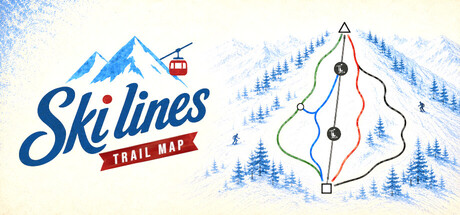
Ski Lines is a solo-developed indie game created with the help of generative AI tools. AI was used throughout production to support artwork creation, music and sound design, code assistance, prototyping, iteration, and marketing assets.
Every AI-assisted element was curated, edited, and integrated by the developer to fit the game’s minimalist ski-map aesthetic and gameplay vision. The use of AI helped accelerate production while preserving human creative direction, design decisions, quality control, and final authorship.
Generative AI tools were used during development to assist with portions of programming and to create selected pre-generated audio and visual assets. These include some character and commentator voice lines and branding artwork. All AI-assisted content was reviewed and integrated by the developer. No generative AI runs during gameplay, and no player input or personal data is sent to AI services.
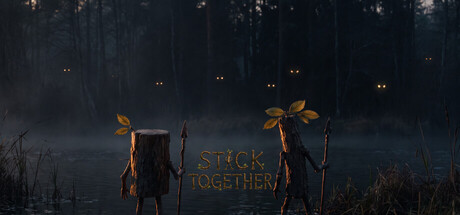
Some environment and concept art in Stick Together was created with the help of generative AI tools, then edited and approved by our team. All visuals are fixed at release, and players cannot generate their own AI content in‑game.
Generative AI was occasionally used to prototype assets and give ideas\reference for assets. It was also occasionally used to generate normal maps on textures I had created. Sometimes this had disastrous results.
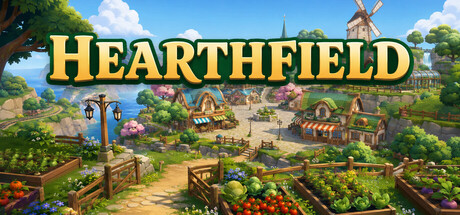
Hearthfield's world is built in code and from CC0 model packs, and everything you
see in play is made by hand. Our Steam store art, the capsules, the icons and the
logo, was created with the help of AI image tools and then finished by us. We also
use an AI coding assistant while building the game, and AI help when drafting store
text. Our screenshots are always genuine captures from the real game. Nothing in
Hearthfield is generated by AI while you play.
Some graphical elements of the user interface (menus, icons, and buttons), as well as store page assets (capsule images, header, and screenshots containing generated elements), were created with the assistance of generative AI tools and manually reviewed and edited by the developer
During development, generative AI was used to assist in creating some of the game’s 2D visual assets and icons. All AI-assisted content was manually reviewed and curated by the developers, and modified where necessary before being included in the final version. AI was also used to refactor some early code that was not yet well-structured.
Generative AI tools were used during development to create and refine some pre-generated 2D artwork used in the game and its marketing, including environmental backgrounds, character and item art, fossil and museum visuals, capsule and library artwork, and achievement imagery. All AI-assisted assets were selected, edited, and integrated by the developer before shipping. The game does not generate AI content during gameplay and does not connect to a live AI service.
This game was developed with the assistance of AI tools. Some visual and audio assets were created using generative AI tools, then reviewed, selected, and refined by the developer. Portions of the game's code were written with the assistance of AI coding tools under the developer's direction and review. Game design, systems, balance, and all final decisions are the developer's own. No AI content is generated live within the game.
Generative AI tools were used to create some static art assets, narrative text and promotional materials included within the game. All AI-generated content has been manually reviewed, edited and adjusted by our development team to ensure compliance.
As a solo developer working with a limited budget, I used generative AI tools to help bring my vision to life and add more variety to the game. Specifically, AI generated 10-20 graphical assets and assisted in creating about half of the game's music tracks. The vast majority of the game (over 95%) - including all core design, programming, and mechanics was created entirely by hand.
Generative AI tools were used during development to create pre-generated visual assets, UI graphics, in-game text, character content, fictional file contents, audio, and localization. All AI-generated content was reviewed and edited by the development team before being included in the game. The game does not use generative AI at runtime or generate content live for players.
Generative AI Disclosure:
This game utilizes generative AI tools to assist in creating player-facing assets, including base visual artwork, narrative script drafts, and voiceover audio (via ElevenLabs).
All AI-assisted dialogue, visuals, and audio undergo significant manual editing, human curation, and design to ensure high production quality and artistic cohesion before shipping with the game. No live or dynamic generative AI is executed while the game is running.
Verilight incorporates generative AI as part of its development pipeline for creating draft artwork, music, text, and programming assistance. All AI-generated material is manually reviewed, edited, refined, and integrated by the developer before being included in the final game. Artwork is transformed into the game's pixel-art style, music is manually arranged and adapted for each biome, and code is reviewed and modified before implementation. The game does not generate AI content during gameplay and does not connect to external AI services.
Pre-generated AI tools were used during development to create some 2D visual assets, including in-game sprites, the application icon, and promotional artwork used on the Steam store page. AI tools also assisted with some English and Japanese text and localization. All outputs were reviewed and, where necessary, edited by the developer before being included. The game does not generate AI content during gameplay and does not connect to external AI services.
Some character models, textures, animations, and visual props were created before release using generative AI tools, including Meshy image-to-3D, auto-rigging, and animation. Selected outputs were edited, integrated, and reviewed by the developer. Generative AI also assisted in drafting and refining portions of the Steam store-page text. The game does not generate AI content during gameplay and does not connect to external AI services.
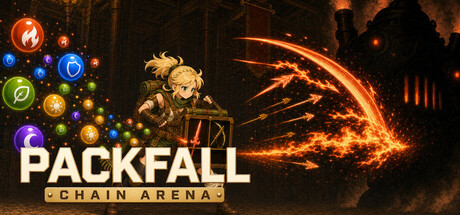
Portions of this game's 2D artwork — character and enemy sprites, item and orb illustrations, backgrounds, UI decoration, and HUD icons — were created with the assistance of image-generation AI (GPT-image-2), working from the developer's own compositions, reference art, and prompts. Every AI-assisted image was individually selected, post-processed, and reviewed by the developer, and is tracked in an internal asset ledger. Store capsule artwork was produced the same way. Store screenshots are unedited captures of actual gameplay. Visual effects are generated procedurally by the developer's own code without AI. The game contains no AI-generated audio or music. Some in-game text was drafted with AI assistance and edited by the developer.
Generative AI tools were used during development to assist with the creation of some visual assets, store artwork and initial localization drafts. All generated content was reviewed, edited, and integrated by the developer.
Immortal Chess does not generate AI content during gameplay.
We view artificial intelligence solely as a supportive tool. Generative AI was used only as a supportive tool for certain visual designs and language translation.
Artificial intelligence helped with grammar corrections in in-game text; these corrections were then carefully reviewed and edited manually.
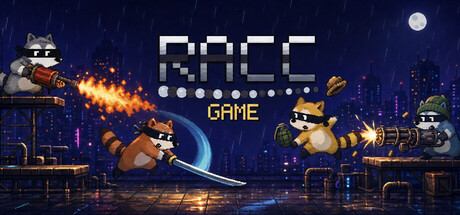
Pre-generated AI was used for store text and five original rank-emblem images (Bronze, Silver, Gold, Diamond, and Grand Racc) shown in the ranked hub and marketing. The emblems were made from our own prompts with OpenAI Codex ImageGen, reviewed and processed by us, and use no third-party source art. The game generates no AI content during play.
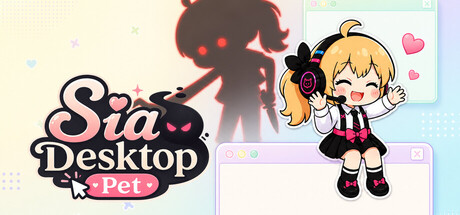
Sia's art and sound - her sprites, the outfits, the tarot cards, the item and monster icons, the sound effects - were produced with the help of generative AI tools and then edited and assembled by hand. The store images were made the same way. The game's text was written in Korean by hand; the seven other language translations were AI-assisted and reviewed by a human.
Nothing is generated while you play. The game ships as fixed image, sound and text files and never contacts an AI service.
AI was used to generate code, art prototypes which were then handcrafted in Aseprite, CSS for UIs, and tedious copy stuffed in nooks and crannies to fill out the world.
Portions of the game's text content (item descriptions and English localization) and store page text were written with the assistance of a generative AI language model, under human direction with full review and editing. All artwork is hand-drawn by the developers, and the game does not use any live/runtime AI generation.
Gildoria uses AI-assisted tools in parts of its development: some UI icons were made with AI image generation, the in-game text was translated with AI translation tools. All of it was reviewed and edited by the developer. 3D art, level design, game design and codes are human-made or licensed. No content is generated by AI while the game runs.
The capsule artwork, logo, some card illustrations, and soundtrack were created with the assistance of generative AI tools. All other in-game content — including UI, effects, and text — is hand-crafted without AI generation. No AI content is generated during gameplay.
The game's music was generated using an AI tool (Suno), then selected and mixed by me. Everything else — 3D models, textures, animations, sound effects, text and code is handmade. My goal is to replace it with original compositions from a human artist as soon as sales allow.
Pre-generated content only. Some 2D artwork (menu and loading-screen key art) and UI sound effects were created or processed with generative AI tools, then reviewed and edited by the developer. No content is AI-generated at runtime.
Ski Lines is a solo-developed indie game created with the help of generative AI tools. AI was used throughout production to support artwork creation, music and sound design, code assistance, prototyping, iteration, and marketing assets.
Every AI-assisted element was curated, edited, and integrated by the developer to fit the game’s minimalist ski-map aesthetic and gameplay vision. The use of AI helped accelerate production while preserving human creative direction, design decisions, quality control, and final authorship.
Generative AI tools were used during development to assist with portions of programming and to create selected pre-generated audio and visual assets. These include some character and commentator voice lines and branding artwork. All AI-assisted content was reviewed and integrated by the developer. No generative AI runs during gameplay, and no player input or personal data is sent to AI services.
Some environment and concept art in Stick Together was created with the help of generative AI tools, then edited and approved by our team. All visuals are fixed at release, and players cannot generate their own AI content in‑game.
Generative AI was occasionally used to prototype assets and give ideas\reference for assets. It was also occasionally used to generate normal maps on textures I had created. Sometimes this had disastrous results.
Hearthfield's world is built in code and from CC0 model packs, and everything you
see in play is made by hand. Our Steam store art, the capsules, the icons and the
logo, was created with the help of AI image tools and then finished by us. We also
use an AI coding assistant while building the game, and AI help when drafting store
text. Our screenshots are always genuine captures from the real game. Nothing in
Hearthfield is generated by AI while you play.
Some graphical elements of the user interface (menus, icons, and buttons), as well as store page assets (capsule images, header, and screenshots containing generated elements), were created with the assistance of generative AI tools and manually reviewed and edited by the developer
During development, generative AI was used to assist in creating some of the game’s 2D visual assets and icons. All AI-assisted content was manually reviewed and curated by the developers, and modified where necessary before being included in the final version. AI was also used to refactor some early code that was not yet well-structured.
Generative AI tools were used during development to create and refine some pre-generated 2D artwork used in the game and its marketing, including environmental backgrounds, character and item art, fossil and museum visuals, capsule and library artwork, and achievement imagery. All AI-assisted assets were selected, edited, and integrated by the developer before shipping. The game does not generate AI content during gameplay and does not connect to a live AI service.
This game was developed with the assistance of AI tools. Some visual and audio assets were created using generative AI tools, then reviewed, selected, and refined by the developer. Portions of the game's code were written with the assistance of AI coding tools under the developer's direction and review. Game design, systems, balance, and all final decisions are the developer's own. No AI content is generated live within the game.
Generative AI tools were used to create some static art assets, narrative text and promotional materials included within the game. All AI-generated content has been manually reviewed, edited and adjusted by our development team to ensure compliance.
As a solo developer working with a limited budget, I used generative AI tools to help bring my vision to life and add more variety to the game. Specifically, AI generated 10-20 graphical assets and assisted in creating about half of the game's music tracks. The vast majority of the game (over 95%) - including all core design, programming, and mechanics was created entirely by hand.
Generative AI tools were used during development to create pre-generated visual assets, UI graphics, in-game text, character content, fictional file contents, audio, and localization. All AI-generated content was reviewed and edited by the development team before being included in the game. The game does not use generative AI at runtime or generate content live for players.
Generative AI Disclosure:
This game utilizes generative AI tools to assist in creating player-facing assets, including base visual artwork, narrative script drafts, and voiceover audio (via ElevenLabs).
All AI-assisted dialogue, visuals, and audio undergo significant manual editing, human curation, and design to ensure high production quality and artistic cohesion before shipping with the game. No live or dynamic generative AI is executed while the game is running.
Verilight incorporates generative AI as part of its development pipeline for creating draft artwork, music, text, and programming assistance. All AI-generated material is manually reviewed, edited, refined, and integrated by the developer before being included in the final game. Artwork is transformed into the game's pixel-art style, music is manually arranged and adapted for each biome, and code is reviewed and modified before implementation. The game does not generate AI content during gameplay and does not connect to external AI services.
Pre-generated AI tools were used during development to create some 2D visual assets, including in-game sprites, the application icon, and promotional artwork used on the Steam store page. AI tools also assisted with some English and Japanese text and localization. All outputs were reviewed and, where necessary, edited by the developer before being included. The game does not generate AI content during gameplay and does not connect to external AI services.
Some character models, textures, animations, and visual props were created before release using generative AI tools, including Meshy image-to-3D, auto-rigging, and animation. Selected outputs were edited, integrated, and reviewed by the developer. Generative AI also assisted in drafting and refining portions of the Steam store-page text. The game does not generate AI content during gameplay and does not connect to external AI services.
Portions of this game's 2D artwork — character and enemy sprites, item and orb illustrations, backgrounds, UI decoration, and HUD icons — were created with the assistance of image-generation AI (GPT-image-2), working from the developer's own compositions, reference art, and prompts. Every AI-assisted image was individually selected, post-processed, and reviewed by the developer, and is tracked in an internal asset ledger. Store capsule artwork was produced the same way. Store screenshots are unedited captures of actual gameplay. Visual effects are generated procedurally by the developer's own code without AI. The game contains no AI-generated audio or music. Some in-game text was drafted with AI assistance and edited by the developer.
Generative AI tools were used during development to assist with the creation of some visual assets, store artwork and initial localization drafts. All generated content was reviewed, edited, and integrated by the developer.
Immortal Chess does not generate AI content during gameplay.
We view artificial intelligence solely as a supportive tool. Generative AI was used only as a supportive tool for certain visual designs and language translation.
Artificial intelligence helped with grammar corrections in in-game text; these corrections were then carefully reviewed and edited manually.
Pre-generated AI was used for store text and five original rank-emblem images (Bronze, Silver, Gold, Diamond, and Grand Racc) shown in the ranked hub and marketing. The emblems were made from our own prompts with OpenAI Codex ImageGen, reviewed and processed by us, and use no third-party source art. The game generates no AI content during play.
Sia's art and sound - her sprites, the outfits, the tarot cards, the item and monster icons, the sound effects - were produced with the help of generative AI tools and then edited and assembled by hand. The store images were made the same way. The game's text was written in Korean by hand; the seven other language translations were AI-assisted and reviewed by a human.
Nothing is generated while you play. The game ships as fixed image, sound and text files and never contacts an AI service.
AI was used to generate code, art prototypes which were then handcrafted in Aseprite, CSS for UIs, and tedious copy stuffed in nooks and crannies to fill out the world.
Portions of the game's text content (item descriptions and English localization) and store page text were written with the assistance of a generative AI language model, under human direction with full review and editing. All artwork is hand-drawn by the developers, and the game does not use any live/runtime AI generation.
Gildoria uses AI-assisted tools in parts of its development: some UI icons were made with AI image generation, the in-game text was translated with AI translation tools. All of it was reviewed and edited by the developer. 3D art, level design, game design and codes are human-made or licensed. No content is generated by AI while the game runs.
The capsule artwork, logo, some card illustrations, and soundtrack were created with the assistance of generative AI tools. All other in-game content — including UI, effects, and text — is hand-crafted without AI generation. No AI content is generated during gameplay.
The game's music was generated using an AI tool (Suno), then selected and mixed by me. Everything else — 3D models, textures, animations, sound effects, text and code is handmade. My goal is to replace it with original compositions from a human artist as soon as sales allow.
Pre-generated content only. Some 2D artwork (menu and loading-screen key art) and UI sound effects were created or processed with generative AI tools, then reviewed and edited by the developer. No content is AI-generated at runtime.