








Disclosure
AI was used for code assistant and for the music.
- Creator
- Leonardo Severini
- Reviews
- -
- Added
- Sep 1, 2026
Public Steam disclosure research 25,380 disclosures tracked
Search developers’ Steam disclosures, compare classified AI use across games, and follow recorded changes. This index adds cross-game classifications and statistics to statements published on individual store pages.
Code help, debugging and other development work.
Capsule art, trailers and promotional material.
Pre-made art, audio, writing and other game assets.
Interactive or runtime AI features disclosed by the developer.
Groups reflect automatic analysis of public disclosures; mature records are excluded. These counts do not measure AI use across all of Steam. Missing or unclear statements cannot establish whether a game uses AI.
AI was used for code assistant and for the music.
Generative AI was used to create initial artwork for the in-game VHS covers. All generated images were subsequently manually edited and refined by the development team.
Generative AI was used to localize text for the game and the store page and in no other way.
“AI tools were used to upscale/enhance original artwork created by the developer. The resulting assets were subsequently manually reworked and edited to match the game's intended art direction.”
Some visual assets (logo, item cover art, character portraits), portions of in-game text, localizations into languages other than Turkish and English, and music/sound effects were created with the assistance of generative AI tools and then reviewed and edited by the developers. No content is generated by AI during gameplay.
Electric Crust was designed, built, and directed by its developer, Charles Whetstone. I used generative AI as a production assistance tool for a subset of shipping assets including some sprite artwork that began in Midjourney output before being manipulated and reworked by hand, along with soundtrack being initially created with assistance of Suno. Both were used under paid commercial licenses. The game performs no live or runtime AI generation. Every asset is fixed and authored before release, and the game makes no network calls of any kind.
Some visual and audio assets in this game were created with the assistance of generative AI tools and then reviewed, edited, and curated by the developer. The game does not use live generative AI during gameplay and does not generate content from player input.
This game utilizes generative AI to assist in creating select art assets, with all content refined and quality-checked by human developers.
AI-generated images.
Generative AI tools were used in creating the game's illustrations, artwork, cutscene images, map designs, and sound, as well as throughout development, and in writing and revising the story. All AI-assisted content was directed, reviewed, and finalized by our team.
Our team uses generative AI tools to assist with parts of the game's artwork, including some in-game art and store page images, and with first-pass translation of in-game text. All AI-assisted art and translations are reviewed, edited, and finalized by our team. Music and sound effects do not use AI. We hold the necessary rights to all content shipped in this game. No content is generated by AI at runtime.
Generated Content: visual art — characters, environment art and store/marketing capsule images created using Google Gemini, then edited and composited by hand.
During the early design process, we used generative AI, and then our graphic artist redraw the in-game graphic elements and animations.
We used generative AI to assist with translating Galacto's in-game text into its supported languages. All game design, artwork, sound and music were created by hand without generative AI
AI is used as a translation aid for localizing in-game text and Steam store page text into the supported languages. All original Japanese text is written by the developer.
Generative AI tools were used to create the Steam capsule artwork and other promotional images, and to assist with drafting and editing portions of the Steam store page text. All final text was reviewed and revised by the developer, and all promotional artwork was reviewed and selected by the developer. The game does not use generative AI at runtime, and no AI content is generated during gameplay.
Generative AI was used in the development of some UI elements of the game.
This game uses generative AI in a limited way, and only for some artwork. Selected visual assets — including fictional club kits, generic stadium photographs and blueprint-style ground plans — were created or edited with image-generation tools, then reviewed, cropped, and placed by us. Player names, club names, and brands in the public release are invented; they are not official likenesses. The game itself is not an AI chatbot. Matches, tactics, transfers, finances, and the season are simulated by our own code. No generative AI runs on your PC while you play, and the game does not send your actions to an AI service. We do not use generative AI to impersonate real clubs, real players, or real people.
Generative AI tools were used during development to assist with some visual assets, audio, and code. All content was reviewed, edited, and integrated by the developer. The game does not generate AI content during gameplay.
This project used AI-assisted tools during development, primarily for promotional artwork, code development, the creation of art assets, and music production. AI was mainly used to improve development efficiency and assist in creating original content. All AI-assisted content was manually reviewed, selected, edited, redrawn, adjusted, tested, or rearranged, and was further refined to ensure consistency with the game's overall style and actual development needs.
As a solo indie developer, I used Generative AI tools during development to create certain icons and UI graphic elements in order to streamline the visual pipeline and reduce overall development time. All AI-generated assets are pre-generated static images included directly in the game files; no AI content is generated live during gameplay.
The code, menu, graphics, artwork, effects, localization, sounds and music of Pyramid Wars is vibe coded. The cover image, shop- and library art is AI generated.
Coding help when programming the game.
Pre-rendered Content: Generative AI tools and agentic AI development workflows were utilized during the creation of this game to assist in: - Code & Systems: Writing and optimizing core gameplay logic, typescript structures, and simulation algorithms. - Visual Assets: Creating and pre-rendering all visual assets used in-game, including boot screen artworks, drive interfaces, and graphical components. - Localization: Translating and reviewing in-game text and UI labels. Please note that all AI-assisted assets and code were pre-rendered and compiled during the development phase. The game runs entirely locally and does not perform any real-time (live) AI generation, nor does it connect to any external AI APIs or services during gameplay.
We used AI to create initial translations, which were then reviewed and refined by a human editor.
Generative AI was used during development to generate suspect mugshot photos, dossier case texts, and to assist with language localization. All generated assets are static and pre-packaged into the game.
Graphics (sprites, logo, artwork) were generated with Google Gemini API models, then curated, edited, and integrated by the developer. Music and sound effects were generated locally with ACE-Step 1.5, directed, curated, and post-processed by the developer. No AI runs during gameplay.
AI has been used to help with coding, asset generation and voice generation.
SIDE OUT was built with AI-assisted development tools. No artwork, audio, text or other content in the game is generated by AI. All visuals are drawn procedurally in code, and all store text is written by hand.
Generative AI tools were used during development to create certain visual and audio assets: - 2D Visual Assets: Some 2D icons, UI symbols, and graphic elements were generated or assisted using AI image generation tools and polished for final in-game use. - Audio (BGM): Background music (BGM) tracks were generated with the assistance of generative AI music tools.
The background images and animals pictures are pre-rendered AI art
Some of the art assets in the game were created using AI.
Generative magic was used in the creation of the quest.
AI-enabled tools were used during development to assist with asset creation. Some visual and audio assets in the finished game incorporate AI-assisted or AI-generated source material. For more information, visit https://jetgrave.com/ai-use/
Generative AI was used to help write portions of this game's text content, and parts of this store page. All game code, visuals, music, and sound design were created directly by the developer without generative AI. AI was used to help debug and troubleshoot code.
This game makes limited, supplementary use of generative AI tools during development. The primary uses are programming assistance (such as debugging), certain image and audio assets, and assistance with translating text into English. Generated image and audio assets are not used as-is. The development team reviews their content and makes additions, revisions, edits, and other adjustments to ensure that they are appropriately refined and fit the game. For text translated with the assistance of generative AI, the development team reviews the context and content and makes any necessary revisions before using it in the game. Please note that generative AI does not generate any game content during gameplay.
Some sprites started as AI-generated references before being rebuilt in the game's palette and resolution. All English writing is my own; the other nine languages are machine translated. No AI runs in the game itself. Nothing is generated while you play, and it never connects to an AI service.
This game's music was created with the assistance of generative AI. The interface and Enemy Guide text were also translated into multiple languages with AI assistance, alongside human review. No AI-generated artwork or gameplay code ships in the final game.
AI was used to assist with writing the game source code. All visual assets are handmade pixel art by the author. All audio assets are licensed from 3rd party sample banks.
Translations for the game are generated with the help of artificial intelligence.
The localization for this game in languages other than English uses AI translations.
Some Generative AI were used in the process of creating the assets used in the game.
AI is used in programming this game.
本作では、複数の画像素材にのみ、AI生成物を独自加工したものを使用しています。
Some pre-generated visual and audio assets used in TOWERPULSE were created with the assistance of generative AI tools during development. These assets were selected, edited, and integrated by the developer. TOWERPULSE does not use generative AI at runtime. No player prompts, gameplay content, dialogue, or other assets are generated live while the game is running.
The pixel art in this game was created with an AI image generation tool (Pixellab). Generated art is never used as-is: the style, proportions and palette standards are set by a human, every sprite is reviewed by eye, and anything off-standard is rejected and redone. Grounding, animation continuity and color consistency are likewise human-checked before adoption. Game design, balance and specification decisions are made by a human. AI-assisted tools are also used in the development process. Nothing is generated by AI at runtime (pre-generated content only).
AI-assisted tools were used during the development of DarkDice in the following ways: Code development — AI coding assistants helped write and refactor portions of the game's codebase. Text editing — AI tools were used to proofread, polish, and tighten narrative and UI copy. Localization & Editing — AI is used to assist with the translation, text expansion, polishing, and style adjustment of game text between English and Chinese (Traditional/Simplified). Image generation — Some visual assets (case artwork, promotional images) were created using AI image-generation tools. No content is generated in real time during gameplay — every case is a fixed, pre-authored story; nothing changes between playthroughs.
Generative AI was used extensively throughout the development of **Crazy Fußball-Manager**. **ChatGPT Codex** and **Claude Code** were used primarily for programming, technical implementation, and textual content. Graphics and visual assets were created and edited with the assistance of generative AI tools. **Suno** and **Mureka** were used to create music, sound effects, and other audio content. Nearly all content in the game – including code, graphics, text, music, and sounds – was created with the assistance of generative AI and subsequently integrated into the game.
Some of the art in this game — the chef characters, the customer characters, the lane skins, and some of the plates — was created with the help of AI image generation tools. The sushi artwork does not use AI.
All assets in this game — art, music, and text — were created by humans. During development, generative AI tools were used for coding assistance and debugging. All resulting code was reviewed and approved by a human developer before inclusion.
| Title⇅ | Disclosure | Creator⇅ | Src | Reviews⇅ | Added↓ |
|---|---|---|---|---|---|
 Just another Tank game In-game content audio | AI was used for code assistant and for the music. | Leonardo Severini | - | Sep 1, 2026 | |
 Sort the Tapes! In-game content art | Generative AI was used to create initial artwork for the in-game VHS covers. All generated images were subsequently manually edited and refined by the development team. | RISSKETE | - | Sep 1, 2026 | |
 Minesweeper 2007 Store/marketing text | Generative AI was used to localize text for the game and the store page and in no other way. | JK's Gamedev | - | Sep 1, 2026 | |
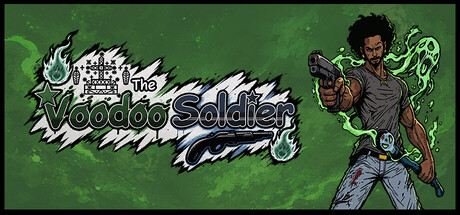 The voodoo soldier In-game content art | “AI tools were used to upscale/enhance original artwork created by the developer. The resulting assets were subsequently manually reworked and edited to match the game's intended art direction.” | Kevenson Draws | - | Aug 31, 2026 | |
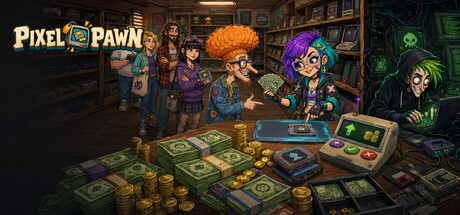 Pixel Pawn In-game content arttextaudio | Some visual assets (logo, item cover art, character portraits), portions of in-game text, localizations into languages other than Turkish and English, and music/sound effects were created with the assistance of generative AI tools and then reviewed and edited by the developers. No content is generated by AI during gameplay. | Ironbeak Crow Games | - | Aug 31, 2026 | |
 Electric Crust: Galactic Pizza Delivery In-game content artaudio | Electric Crust was designed, built, and directed by its developer, Charles Whetstone. I used generative AI as a production assistance tool for a subset of shipping assets including some sprite artwork that began in Midjourney output before being manipulated and reworked by hand, along with soundtrack being initially created with assistance of Suno. Both were used under paid commercial licenses.
The game performs no live or runtime AI generation. Every asset is fixed and authored before release, and the game makes no network calls
of any kind. | Swamp City LLC | - | Aug 31, 2026 | |
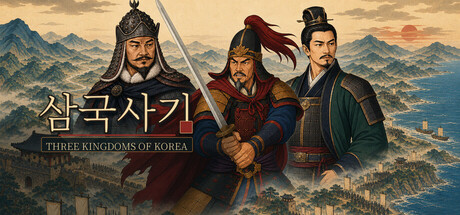 삼국지 클래식: 출사표 (Three Kingdoms Classic: Chu Shi Biao) In-game content artaudio | Some visual and audio assets in this game were created with the assistance of generative AI tools
and then reviewed, edited, and curated by the developer. The game does not use live generative AI
during gameplay and does not generate content from player input. | PlaySimulation Studio | - | Aug 31, 2026 | |
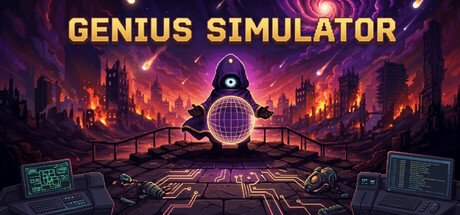 Genius Simulator In-game content art | This game utilizes generative AI to assist in creating select art assets, with all content refined and quality-checked by human developers. | Genius Simulator Studio | - | Aug 31, 2026 | |
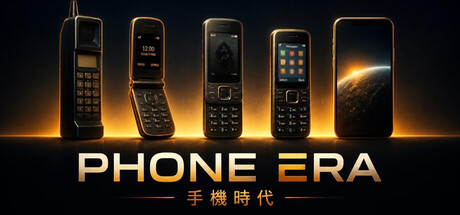 Phone Era Unclear art | AI-generated images. | RealDreamer | - | Aug 31, 2026 | |
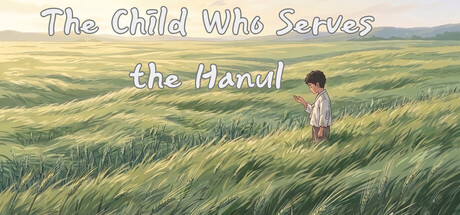 The Child Who Serves the Hanul In-game content artaudiotext | Generative AI tools were used in creating the game's illustrations, artwork, cutscene images, map designs, and sound, as well as throughout development, and in writing and revising the story. All AI-assisted content was directed, reviewed, and finalized by our team. | Seungjun Lee | - | Aug 31, 2026 | |
 Hotel Carnivalia In-game content arttext | Our team uses generative AI tools to assist with parts of the game's artwork, including some in-game art and store page images, and with first-pass translation of in-game text. All AI-assisted art and translations are reviewed, edited, and finalized by our team. Music and sound effects do not use AI. We hold the necessary rights to all content shipped in this game. No content is generated by AI at runtime. | DARELARK Studio | - | Aug 31, 2026 | |
 Beset Store/marketing art | Generated Content: visual art — characters, environment art and store/marketing capsule images created using Google Gemini, then edited and composited by hand. | Joshua T | - | Aug 31, 2026 | |
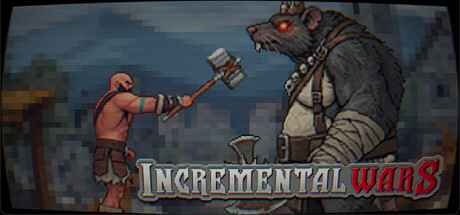 Incremental Wars In-game content art | During the early design process, we used generative AI, and then our graphic artist redraw the in-game graphic elements and animations. | Artex Games | - | Aug 31, 2026 | |
 Galacto In-game content text | We used generative AI to assist with translating Galacto's in-game text into its supported languages. All game design, artwork, sound and music were created by hand without generative AI | Guillermo Gonzalez | - | Aug 31, 2026 | |
 MOP’N SPARK In-game content text | AI is used as a translation aid for localizing in-game text and Steam store page text into the supported languages. All original Japanese text is written by the developer. | Omoplata Games | - | Aug 30, 2026 | |
 The House Between Times Store/marketing arttext | Generative AI tools were used to create the Steam capsule artwork and other promotional images, and to assist with drafting and editing portions of the Steam store page text. All final text was reviewed and revised by the developer, and all promotional artwork was reviewed and selected by the developer. The game does not use generative AI at runtime, and no AI content is generated during gameplay. | Gentle Quartz | - | Aug 29, 2026 | |
 Rap In-game content art | Generative AI was used in the development of some UI elements of the game. | axis | - | Aug 29, 2026 | |
 Retro Club Dynasty Season 92/93 In-game content art | This game uses generative AI in a limited way, and only for some artwork.
Selected visual assets — including fictional club kits, generic stadium photographs and blueprint-style ground plans — were created or edited with image-generation tools, then reviewed, cropped, and placed by us. Player names, club names, and brands in the public release are invented; they are not official likenesses.
The game itself is not an AI chatbot. Matches, tactics, transfers, finances, and the season are simulated by our own code. No generative AI runs on your PC while you play, and the game does not send your actions to an AI service.
We do not use generative AI to impersonate real clubs, real players, or real people. | Mezko Games | - | Aug 29, 2026 | |
 Bullet Debt In-game content artaudiocode | Generative AI tools were used during development to assist with some visual assets, audio, and code. All content was reviewed, edited, and integrated by the developer. The game does not generate AI content during gameplay. | David Gamble | - | Aug 29, 2026 | |
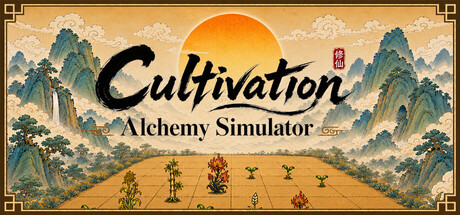 灵田修仙:炼丹模拟器 In-game content artaudiocode | This project used AI-assisted tools during development, primarily for promotional artwork, code development, the creation of art assets, and music production.
AI was mainly used to improve development efficiency and assist in creating original content. All AI-assisted content was manually reviewed, selected, edited, redrawn, adjusted, tested, or rearranged, and was further refined to ensure consistency with the game's overall style and actual development needs. | Zhai Studio | - | Aug 29, 2026 | |
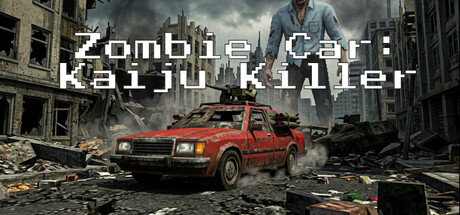 Zombie Car: Kaiju Killer In-game content art | As a solo indie developer, I used Generative AI tools during development to create certain icons and UI graphic elements in order to streamline the visual pipeline and reduce overall development time. All AI-generated assets are pre-generated static images included directly in the game files; no AI content is generated live during gameplay. | DevOfOne | - | Aug 29, 2026 | |
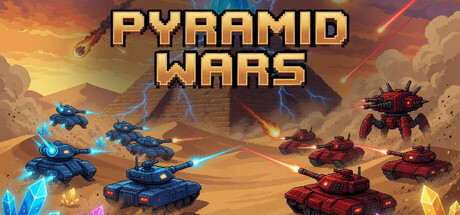 Pyramid Wars Store/marketing art | The code, menu, graphics, artwork, effects, localization, sounds and music of Pyramid Wars is vibe coded.
The cover image, shop- and library art is AI generated. | Durian Arcade | - | Aug 29, 2026 | |
 Salvage Run Dev only code | Coding help when programming the game. | Odin's Beard Software | - | Aug 29, 2026 | |
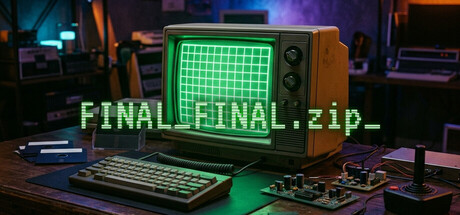 Final_Final.zip In-game content arttextcode | Pre-rendered Content:
Generative AI tools and agentic AI development workflows were utilized during the creation of this game to assist in:
- Code & Systems: Writing and optimizing core gameplay logic, typescript structures, and simulation algorithms.
- Visual Assets: Creating and pre-rendering all visual assets used in-game, including boot screen artworks, drive interfaces, and graphical components.
- Localization: Translating and reviewing in-game text and UI labels.
Please note that all AI-assisted assets and code were pre-rendered and compiled during the development phase. The game runs entirely locally and does not perform any real-time (live) AI generation, nor does it connect to any external AI APIs or services during gameplay. | K1.Ki Labs | - | Aug 29, 2026 | |
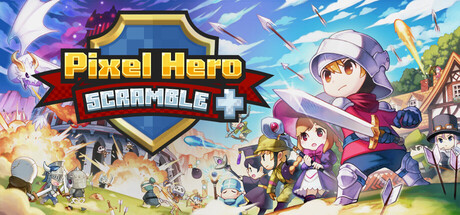 PixelHeroScramble Plus In-game content text | We used AI to create initial translations, which were then reviewed and refined by a human editor. | One or Eight | - | Aug 29, 2026 | |
 Chief? About That File... In-game content arttext | Generative AI was used during development to generate suspect mugshot photos, dossier case texts, and to assist with language localization. All generated assets are static and pre-packaged into the game. | Desk Lamp | - | Aug 28, 2026 | |
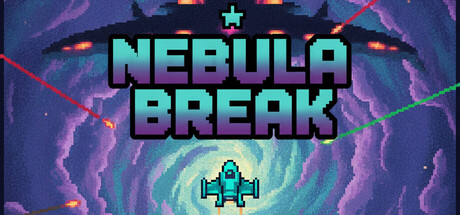 NEBULA BREAK In-game content artaudio | Graphics (sprites, logo, artwork) were generated with Google Gemini API models,
then curated, edited, and integrated by the developer.
Music and sound effects were generated locally with ACE-Step 1.5, directed,
curated, and post-processed by the developer.
No AI runs during gameplay. | AMANOGAWA GAMES | - | Aug 28, 2026 | |
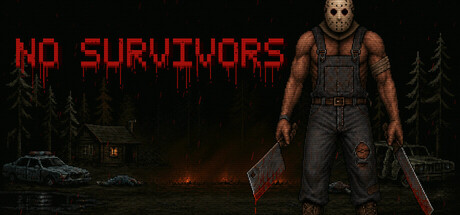 No Survivors In-game content artaudio | AI has been used to help with coding, asset generation and voice generation. | Sparky Games | - | Aug 28, 2026 | |
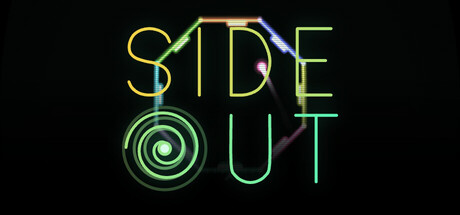 SIDE OUT Dev only arttextcode | SIDE OUT was built with AI-assisted development tools. No artwork, audio, text or other content in the game is generated by AI. All visuals are drawn procedurally in code, and all store text is written by hand. | antics | - | Aug 28, 2026 | |
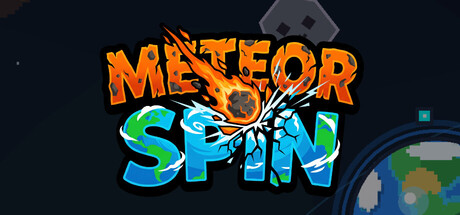 Meteor Spin In-game content artaudio | Generative AI tools were used during development to create certain visual and audio assets:
- 2D Visual Assets: Some 2D icons, UI symbols, and graphic elements were generated or assisted using AI image generation tools and polished for final in-game use.
- Audio (BGM): Background music (BGM) tracks were generated with the assistance of generative AI music tools. | Chemkaaa | - | Aug 28, 2026 | |
 Chronime Puzzle: Animals In-game content art | The background images and animals pictures are pre-rendered AI art | Quantum Quiver Games | - | Aug 28, 2026 | |
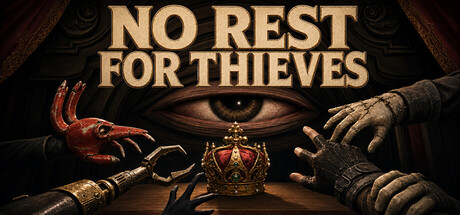 No Rest for Thieves In-game content art | Some of the art assets in the game were created using AI. | OntologyPlay | - | Aug 28, 2026 | |
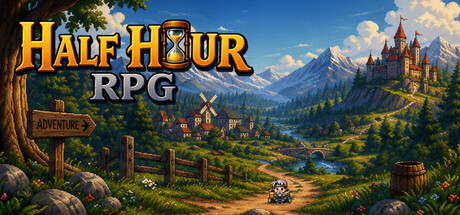 HalfHourRPG In-game content text | Generative magic was used in the creation of the quest. | Dea Machina | - | Aug 28, 2026 | |
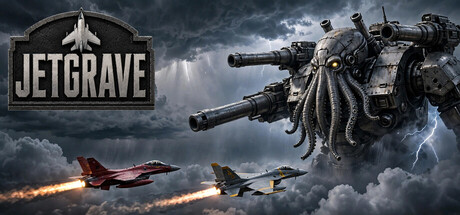 JETGRAVE In-game content artaudio | AI-enabled tools were used during development to assist with asset creation. Some visual and audio assets in the finished game incorporate AI-assisted or AI-generated source material. For more information, visit https://jetgrave.com/ai-use/ | Losers And Nerds Party LLC | - | Aug 28, 2026 | |
 RESET ARENA In-game content textcode | Generative AI was used to help write portions of this game's text content, and parts of this store page. All game code, visuals, music, and sound design were created directly by the developer without generative AI. AI was used to help debug and troubleshoot code. | Goldfinch Games LLC | - | Aug 28, 2026 | |
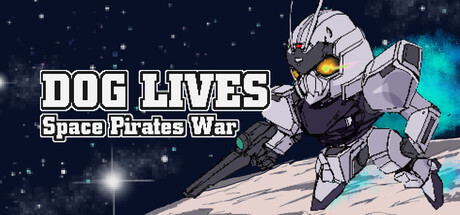 DOG LIVES: Space Pirates War In-game content artaudiotext | This game makes limited, supplementary use of generative AI tools during development. The primary uses are programming assistance (such as debugging), certain image and audio assets, and assistance with translating text into English.
Generated image and audio assets are not used as-is. The development team reviews their content and makes additions, revisions, edits, and other adjustments to ensure that they are appropriately refined and fit the game.
For text translated with the assistance of generative AI, the development team reviews the context and content and makes any necessary revisions before using it in the game. Please note that generative AI does not generate any game content during gameplay. | Space Corgi Games | - | Aug 28, 2026 | |
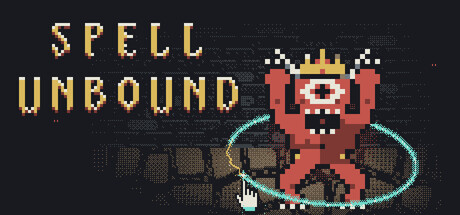 Spell Unbound In-game content arttext | Some sprites started as AI-generated references before being rebuilt in the game's palette and resolution. All English writing is my own; the other nine languages are machine translated. No AI runs in the game itself. Nothing is generated while you play, and it never connects to an AI service. | Alk Games | - | Aug 28, 2026 | |
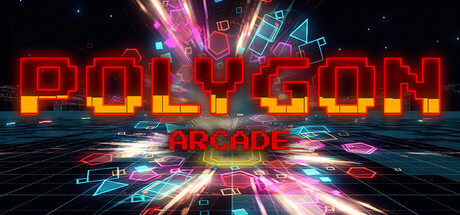 Polygon Arcade In-game content audiotext | This game's music was created with the assistance of generative AI. The interface and Enemy Guide text were also translated into multiple languages with AI assistance, alongside human review. No AI-generated artwork or gameplay code ships in the final game. | Daniel Korican | - | Aug 28, 2026 | |
 One More Wave Dev only code | AI was used to assist with writing the game source code.
All visual assets are handmade pixel art by the author.
All audio assets are licensed from 3rd party sample banks. | Juha Kiili | - | Aug 28, 2026 | |
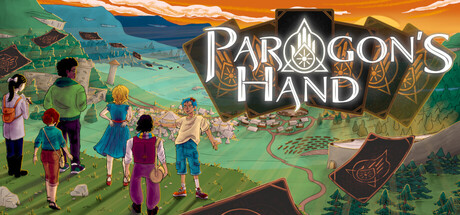 Paragon's Hand In-game content text | Translations for the game are generated with the help of artificial intelligence. | Myriad Tales | - | Aug 27, 2026 | |
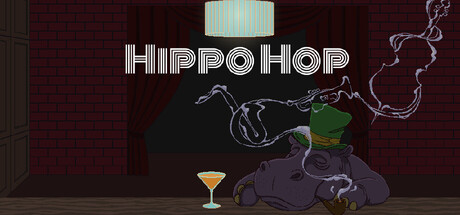 Hippo Hop In-game content text | The localization for this game in languages other than English uses AI translations. | Hyperreality Entertainment | - | Aug 26, 2026 | |
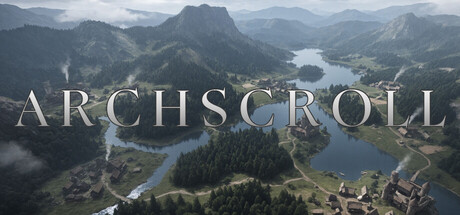 ARCHSCROLL In-game content artaudiocodetext | Some Generative AI were used in the process of creating the assets used in the game. | DAYNIMIC | - | Aug 26, 2026 | |
 Decontamination Protocol Dev only code | AI is used in programming this game. | A_Wild_Dev | - | Aug 26, 2026 | |
 怪談寺 In-game content art | 本作では、複数の画像素材にのみ、AI生成物を独自加工したものを使用しています。 | 幻想怪談スタジオ | - | Aug 26, 2026 | |
 TOWERPULSE In-game content artaudio | Some pre-generated visual and audio assets used in TOWERPULSE were created with the assistance of generative AI tools during development. These assets were selected, edited, and integrated by the developer.
TOWERPULSE does not use generative AI at runtime. No player prompts, gameplay content, dialogue, or other assets are generated live while the game is running. | Greg HAT | - | Aug 26, 2026 | |
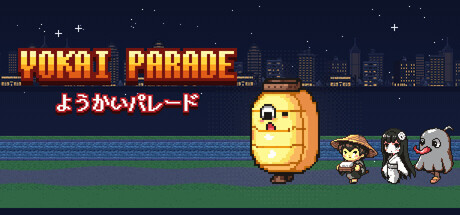 Yokai Parade In-game content art | The pixel art in this game was created with an AI image generation tool (Pixellab).
Generated art is never used as-is: the style, proportions and palette standards are set by a human,
every sprite is reviewed by eye, and anything off-standard is rejected and redone. Grounding,
animation continuity and color consistency are likewise human-checked before adoption.
Game design, balance and specification decisions are made by a human. AI-assisted tools are also
used in the development process.
Nothing is generated by AI at runtime (pre-generated content only). | CITTA FOX | - | Aug 26, 2026 | |
 Dark Dice: Cthulhu Investigation Log In-game content arttextcode | AI-assisted tools were used during the development of DarkDice in the following ways:
Code development — AI coding assistants helped write and refactor portions of the game's codebase.
Text editing — AI tools were used to proofread, polish, and tighten narrative and UI copy.
Localization & Editing — AI is used to assist with the translation, text expansion, polishing, and style adjustment of game text between English and Chinese (Traditional/Simplified).
Image generation — Some visual assets (case artwork, promotional images) were created using AI image-generation tools.
No content is generated in real time during gameplay — every case is a fixed, pre-authored story; nothing changes between playthroughs. | Selig Interactive | - | Aug 25, 2026 | |
 Crazy Fußball-Manager In-game content artaudiotextcode | Generative AI was used extensively throughout the development of **Crazy Fußball-Manager**. **ChatGPT Codex** and **Claude Code** were used primarily for programming, technical implementation, and textual content. Graphics and visual assets were created and edited with the assistance of generative AI tools. **Suno** and **Mureka** were used to create music, sound effects, and other audio content.
Nearly all content in the game – including code, graphics, text, music, and sounds – was created with the assistance of generative AI and subsequently integrated into the game. | Crazy Coffee and Cookie Creations | - | Aug 25, 2026 | |
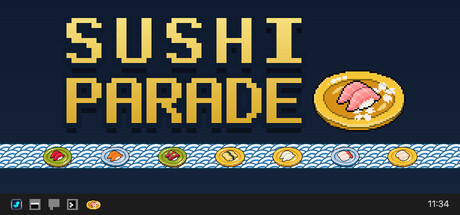 SUSHI PARADE In-game content art | Some of the art in this game — the chef characters, the customer characters, the lane skins, and some of the plates — was created with the help of AI image generation tools. The sushi artwork does not use AI. | zawascript | - | Aug 25, 2026 | |
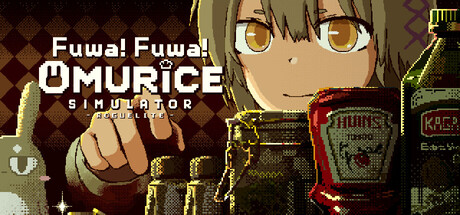 Fuwa! Fuwa! Omurice Simulator Roguelite Dev only code | All assets in this game — art, music, and text — were created by humans. During development, generative AI tools were used for coding assistance and debugging. All resulting code was reviewed and approved by a human developer before inclusion. | スタジオ白亜研究室 | - | Aug 25, 2026 |


