Public Steam disclosure research25,380 disclosures tracked
Where do games disclose AI use?
Search developers’ Steam disclosures, compare classified AI use across
games, and follow recorded changes.
This index adds cross-game classifications and statistics to
statements published on individual store pages.
Groups reflect automatic analysis of public disclosures; mature records are excluded. These counts do not measure AI use across all of Steam.
Missing or unclear statements cannot establish whether a game uses AI.
Generative AI tools were used during development to assist in creating and refining some of the visual assets used in the game. All AI-assisted content was reviewed and edited by the developer before being included in the final game. No AI-generated content is created during gameplay.
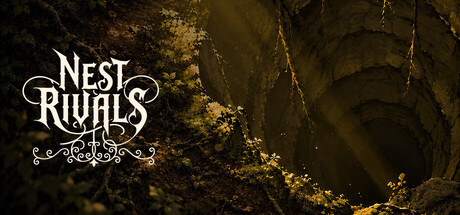
Nest Rivals uses pre-generated AI-assisted artwork in selected sprites, environment textures, bestiary illustrations and marketing images. Some music and sound effects, as well as parts of this Steam store description, were also created with AI assistance. These materials were selected and integrated by the developer. The game does not generate AI content during gameplay.
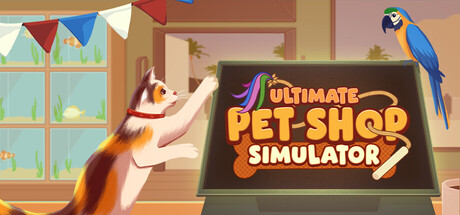
Generative AI was used to create a limited number of pre-generated assets, including labels and artwork for some small in-game props, such as fish food products, as well as some customer voice lines, such as “Thank you” and “Have a nice day.” No AI-generated content is created during gameplay.
Generative AI was used during development to create pre-made content: concept and reference images, character sprites, textures and UI graphics (OpenAI image generation), the game logo (Google Gemini), some 3D model drafts (Tripo) and sound effects (ElevenLabs). All AI-generated material was selected, edited, modelled and integrated by the developer in Blender and Unity. The game does not generate any content with AI while you play and does not connect to AI services.
Some 3D character and prop models were generated with 3D AI Studio during development. Some player-facing text was drafted with AI assistance. All content is prepared in advance; no generative AI runs during gameplay.
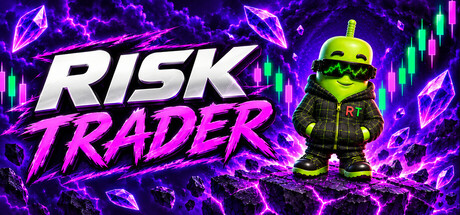
Generative AI tools were used during development, under our creative direction, to help create the game’s artwork, written content and marketing materials. AI tools also assisted with programming. This content was prepared before release. Risk Trader does not generate AI content during gameplay or connect to an external AI service; its in-game coach uses locally stored rules and messages.
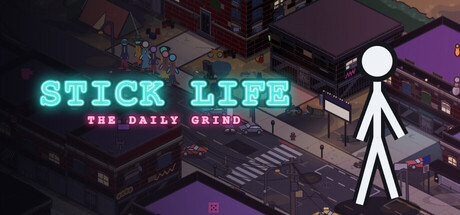
Stick Life is designed and directed by a solo developer. Some of the game's code, its in-game writing, the artwork the game draws, the achievement icons and parts of this store page were made with the help of generative AI tools, then played, reviewed and edited by the developer. Nothing is generated by AI while you play.
Generative AI tools were used during development to assist with the creation of some visual assets, textures, and promotional artwork. All AI-assisted content was reviewed, selected, edited where appropriate, and integrated by the developer.
Generative AI tools helped create character portraits, illustrations, store and marketing artwork, music, sound effects, and player-facing text during development. These are pre-generated assets. No generative AI runs during gameplay, and the game does not connect to external generative AI services.
Generative AI tools were used during development to assist with in-game dialogue, Korean localization, programming, and store-page text and marketing materials. Orbit Foundry does not generate AI content or connect to AI services during gameplay.
Generative AI tools were used during development to assist with coding, music, dialogue writing, and texture assets. All content has been reviewed and approved by the developer.
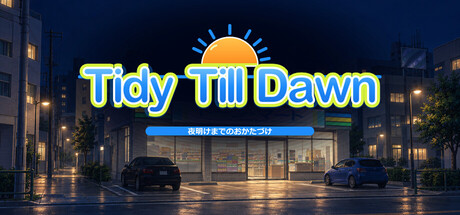
This game uses generative AI for: in-game product packaging (bento, ice cream, chips, cup noodles, gummies, gum, chocolate, candy, dried snacks, stationery, sundries, bath salts, hair care and hair color, coffee/tea boxes, drink and can labels, magazine covers, newspaper pages, and so on); full-screen art (title background, intro and epilogue illustrations, character icons, the morning results screen, the store floor plan, skill cards, skill icons, and effect overlays); some UI elements (panels, buttons, tabs); outdoor art and props (night sky panorama, vending machines, signage, banner flags, pavement, building walls, the traffic signal textures and the textures of small props by the entrance); the store capsule art and achievement icons; some 3D models (the radio by the register, the parking wheel stops, the trash bins by the entrance, three parked cars, the traffic lights, the coffee machine, the oden pot, the bun steamer and the bread crates, generated with Meshy and finished by the developer in Blender); and the background music (title and in-store tracks, also used in the trailer), generated with Suno and selected and arranged by the developer. All generated assets were reviewed and edited by the developer to avoid resembling real trademarks, people, or works. No content is generated by AI at runtime.
Store descriptions, in-game text (the hive's log) and their translations are drafted with an AI assistant and reviewed and edited by the developer.
No AI-generated images, audio or 3D assets: all visuals are captured from the game, built on licensed third-party assets.
Generative AI tools were used during development to assist with the creation of some visual assets, promotional artwork, and selected localization or text drafts. All AI-assisted content was reviewed by the developer and, where needed, edited before being included in the game or its Steam store materials.
The game does not generate AI content during gameplay and does not connect to external AI services.
Ai was only used to help polish the content on the store page and to create the company and game logos. All code and assets used in game were created by humans (the author, online verified sources, or contracted/paid designers).
Generative AI was used only in the preparation of selected promotional images for the game’s Steam page. It assisted with creating and refining background artwork in the game’s visual style. The developer reviewed the results, adapted them to the required dimensions, and added the official SkillHouse logo. The game does not generate any content using AI during gameplay.
Generative AI was used as a supporting tool for the creation and refinement of text content and graphical assets used in the game and/or on the Steam store page.
Generative AI tools were used during development to assist with programming, concept development, and the creation or refinement of some visual assets. All AI-assisted content included in the game was reviewed, edited, and integrated by the developer. The game does not generate AI content during gameplay and does not connect to any external AI service.
We use artificial intelligence solely as a supporting tool.
Artificial intelligence was used for grammar corrections in in-game text and the preparation of store visuals.
All game content was created using generative AI, including visuals, 3D models, textures, music, sound effects, and text. Generative AI was also used to create the store descriptions and marketing materials.
The game does not generate AI content during play or connect to external AI services.
Some of this game's assets were created with the assistance of generative AI tools and were then reviewed, edited, and finalized by our development team. This applies to portions of the 2D artwork, such as UI elements, decorative frames, backgrounds, and illustrations, as well as some localized text. All AI-assisted content was pre-generated during development. The live-action video footage features real actors filmed by our production team, and no content is generated by AI during gameplay.
Generative AI was used during development to assist with programming and the creation of some visual assets. AI-generated and AI-assisted content may be included in the final game.
Generative AI tools were used during development to assist with programming, writing in-game dialogue and descriptive text, translation into multiple languages, implementing graphics and sound effects, and creating promotional artwork and descriptions for the Steam store page.
These materials were created and incorporated during development. The game does not use generative AI to create new dialogue, images, or audio during gameplay. The autonomous behavior of residents and monsters, as well as their context-sensitive conversations, is driven by pre-programmed game logic and pre-written dialogue.
Guildmaster Simulator is developed independently, and I use generative AI as one of the tools that helps me bring the game to life. As I am not a professional graphic designer or illustrator, AI-assisted tools have helped me create selected visual assets, character artwork, interface elements and promotional imagery that I can then review, refine and adapt to fit the game’s established style.
Generative AI has also assisted with portions of the game’s written content, including some quest, event and narrative text. All AI-assisted content is reviewed, edited and shaped by me before being included in the game to ensure it fits the world, characters, gameplay systems and overall creative direction of Guildmaster Simulator.
No generative AI is used during gameplay. All AI-assisted content is created during development and is fixed within the shipped game.
This game contains content created with the assistance of AI tools. AI was used during development to assist with programming, visual assets, and other creative elements. All generated content was reviewed, edited, and integrated by the dev.
Generative AI tools were used during development to help create card artwork, certain 3D assets, sound effects, and music. These assets are included as pre-made content. The game does not generate AI content during gameplay.
Generative AI tools were used during development to assist with the creation of some pre-generated employee portrait images, written interface content, localization, and development assets.
All AI-assisted content was reviewed, selected, edited, and integrated by the developer. The employee portraits represent fictional individuals and are not intended to depict real people.
The game does not generate content using AI during gameplay and does not connect to any external generative AI service.
The champion artwork, portraits and various visual assets are generated. The generated visuals are a starting point rather than a settled choice, and if the game's funding allows it I intend to have them redone by an artist.
No content is generated by AI while you play, since the match simulation runs on a hand-written decision engine where each player evaluates their situation against authored rules, rather than on a generative model.
Generative AI tools were used during the development of Lugano Bay Tycoon to assist with the creation and refinement of some visual content, text elements, and localization.
All AI-assisted content was subsequently selected, reviewed, and, where necessary, edited by the developer before being included in the product.
The game does not use live generative AI systems during gameplay and does not autonomously generate new content for players.
Generative AI tools were used during development to assist in creating and refining some of the visual assets used in the game. All AI-assisted content was reviewed and edited by the developer before being included in the final game. No AI-generated content is created during gameplay.
Nest Rivals uses pre-generated AI-assisted artwork in selected sprites, environment textures, bestiary illustrations and marketing images. Some music and sound effects, as well as parts of this Steam store description, were also created with AI assistance. These materials were selected and integrated by the developer. The game does not generate AI content during gameplay.
Generative AI was used to create a limited number of pre-generated assets, including labels and artwork for some small in-game props, such as fish food products, as well as some customer voice lines, such as “Thank you” and “Have a nice day.” No AI-generated content is created during gameplay.
Generative AI was used during development to create pre-made content: concept and reference images, character sprites, textures and UI graphics (OpenAI image generation), the game logo (Google Gemini), some 3D model drafts (Tripo) and sound effects (ElevenLabs). All AI-generated material was selected, edited, modelled and integrated by the developer in Blender and Unity. The game does not generate any content with AI while you play and does not connect to AI services.
Some 3D character and prop models were generated with 3D AI Studio during development. Some player-facing text was drafted with AI assistance. All content is prepared in advance; no generative AI runs during gameplay.
Generative AI tools were used during development, under our creative direction, to help create the game’s artwork, written content and marketing materials. AI tools also assisted with programming. This content was prepared before release. Risk Trader does not generate AI content during gameplay or connect to an external AI service; its in-game coach uses locally stored rules and messages.
Stick Life is designed and directed by a solo developer. Some of the game's code, its in-game writing, the artwork the game draws, the achievement icons and parts of this store page were made with the help of generative AI tools, then played, reviewed and edited by the developer. Nothing is generated by AI while you play.
Generative AI tools were used during development to assist with the creation of some visual assets, textures, and promotional artwork. All AI-assisted content was reviewed, selected, edited where appropriate, and integrated by the developer.
Generative AI tools helped create character portraits, illustrations, store and marketing artwork, music, sound effects, and player-facing text during development. These are pre-generated assets. No generative AI runs during gameplay, and the game does not connect to external generative AI services.
Generative AI tools were used during development to assist with in-game dialogue, Korean localization, programming, and store-page text and marketing materials. Orbit Foundry does not generate AI content or connect to AI services during gameplay.
Generative AI tools were used during development to assist with coding, music, dialogue writing, and texture assets. All content has been reviewed and approved by the developer.
This game uses generative AI for: in-game product packaging (bento, ice cream, chips, cup noodles, gummies, gum, chocolate, candy, dried snacks, stationery, sundries, bath salts, hair care and hair color, coffee/tea boxes, drink and can labels, magazine covers, newspaper pages, and so on); full-screen art (title background, intro and epilogue illustrations, character icons, the morning results screen, the store floor plan, skill cards, skill icons, and effect overlays); some UI elements (panels, buttons, tabs); outdoor art and props (night sky panorama, vending machines, signage, banner flags, pavement, building walls, the traffic signal textures and the textures of small props by the entrance); the store capsule art and achievement icons; some 3D models (the radio by the register, the parking wheel stops, the trash bins by the entrance, three parked cars, the traffic lights, the coffee machine, the oden pot, the bun steamer and the bread crates, generated with Meshy and finished by the developer in Blender); and the background music (title and in-store tracks, also used in the trailer), generated with Suno and selected and arranged by the developer. All generated assets were reviewed and edited by the developer to avoid resembling real trademarks, people, or works. No content is generated by AI at runtime.
Store descriptions, in-game text (the hive's log) and their translations are drafted with an AI assistant and reviewed and edited by the developer.
No AI-generated images, audio or 3D assets: all visuals are captured from the game, built on licensed third-party assets.
Generative AI tools were used during development to assist with the creation of some visual assets, promotional artwork, and selected localization or text drafts. All AI-assisted content was reviewed by the developer and, where needed, edited before being included in the game or its Steam store materials.
The game does not generate AI content during gameplay and does not connect to external AI services.
Ai was only used to help polish the content on the store page and to create the company and game logos. All code and assets used in game were created by humans (the author, online verified sources, or contracted/paid designers).
Generative AI was used only in the preparation of selected promotional images for the game’s Steam page. It assisted with creating and refining background artwork in the game’s visual style. The developer reviewed the results, adapted them to the required dimensions, and added the official SkillHouse logo. The game does not generate any content using AI during gameplay.
Generative AI was used as a supporting tool for the creation and refinement of text content and graphical assets used in the game and/or on the Steam store page.
Generative AI tools were used during development to assist with programming, concept development, and the creation or refinement of some visual assets. All AI-assisted content included in the game was reviewed, edited, and integrated by the developer. The game does not generate AI content during gameplay and does not connect to any external AI service.
We use artificial intelligence solely as a supporting tool.
Artificial intelligence was used for grammar corrections in in-game text and the preparation of store visuals.
All game content was created using generative AI, including visuals, 3D models, textures, music, sound effects, and text. Generative AI was also used to create the store descriptions and marketing materials.
The game does not generate AI content during play or connect to external AI services.
Some of this game's assets were created with the assistance of generative AI tools and were then reviewed, edited, and finalized by our development team. This applies to portions of the 2D artwork, such as UI elements, decorative frames, backgrounds, and illustrations, as well as some localized text. All AI-assisted content was pre-generated during development. The live-action video footage features real actors filmed by our production team, and no content is generated by AI during gameplay.
Generative AI was used during development to assist with programming and the creation of some visual assets. AI-generated and AI-assisted content may be included in the final game.
Generative AI tools were used during development to assist with programming, writing in-game dialogue and descriptive text, translation into multiple languages, implementing graphics and sound effects, and creating promotional artwork and descriptions for the Steam store page.
These materials were created and incorporated during development. The game does not use generative AI to create new dialogue, images, or audio during gameplay. The autonomous behavior of residents and monsters, as well as their context-sensitive conversations, is driven by pre-programmed game logic and pre-written dialogue.
Guildmaster Simulator is developed independently, and I use generative AI as one of the tools that helps me bring the game to life. As I am not a professional graphic designer or illustrator, AI-assisted tools have helped me create selected visual assets, character artwork, interface elements and promotional imagery that I can then review, refine and adapt to fit the game’s established style.
Generative AI has also assisted with portions of the game’s written content, including some quest, event and narrative text. All AI-assisted content is reviewed, edited and shaped by me before being included in the game to ensure it fits the world, characters, gameplay systems and overall creative direction of Guildmaster Simulator.
No generative AI is used during gameplay. All AI-assisted content is created during development and is fixed within the shipped game.
This game contains content created with the assistance of AI tools. AI was used during development to assist with programming, visual assets, and other creative elements. All generated content was reviewed, edited, and integrated by the dev.
Generative AI tools were used during development to help create card artwork, certain 3D assets, sound effects, and music. These assets are included as pre-made content. The game does not generate AI content during gameplay.
Generative AI tools were used during development to assist with the creation of some pre-generated employee portrait images, written interface content, localization, and development assets.
All AI-assisted content was reviewed, selected, edited, and integrated by the developer. The employee portraits represent fictional individuals and are not intended to depict real people.
The game does not generate content using AI during gameplay and does not connect to any external generative AI service.
The champion artwork, portraits and various visual assets are generated. The generated visuals are a starting point rather than a settled choice, and if the game's funding allows it I intend to have them redone by an artist.
No content is generated by AI while you play, since the match simulation runs on a hand-written decision engine where each player evaluates their situation against authored rules, rather than on a generative model.
Generative AI tools were used during the development of Lugano Bay Tycoon to assist with the creation and refinement of some visual content, text elements, and localization.
All AI-assisted content was subsequently selected, reviewed, and, where necessary, edited by the developer before being included in the product.
The game does not use live generative AI systems during gameplay and does not autonomously generate new content for players.