Public Steam disclosure research25,706 disclosures tracked
Where do games disclose AI use?
Search developers’ Steam disclosures, compare classified AI use across
games, and follow recorded changes.
This index adds cross-game classifications and statistics to
statements published on individual store pages.
Groups reflect automatic analysis of public disclosures; mature records are excluded. These counts do not measure AI use across all of Steam.
Missing or unclear statements cannot establish whether a game uses AI.
We used generative AI on fighter portraits for deeper immersion and as a pre-production tool for early concept layouts. From there, all character assets and visual elements were extensively edited and manually hand-painted by human artists to ensure high visual quality and artistic control.
Generative AI tools were used during development to assist in creating some pre-generated 2D visual assets, including character imagery and certain promotional and store page artwork.
All AI-assisted content is pre-generated, reviewed, selected, and edited by the developer before being included in the game or its marketing materials.
The game does not use live generative AI and no content is generated by AI during gameplay.
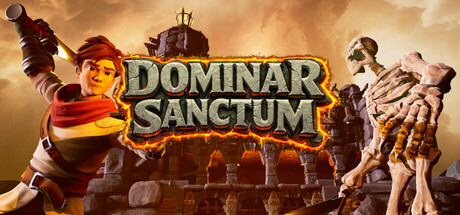
The vast majority of Dominar Sanctum has been created and developed without generative AI. Generative AI has only been used selectively for a small number of 2D icons, slide narration and a narrative voiceover, primarily for early prototyping and development. Even those icons have been manually reworked.
These few AI-assisted assets are not representative of the game's overall art, design, programming, or development process. They may be replaced or further refined before the full release.
Some of the game's 2D artwork, including character, enemy and boss sprites, item icons, and backgrounds, was created using generative AI tools. All such assets were individually reviewed, selected, polished and integrated by the development team.
Our work incorporates commissioned artwork, licensed and publicly available assets, and AI-generated content. Regardless of the source materials used, the final product is the creative expression of our development team.
Generative AI was used during development to assist with coding and the creation of pre-generated visual assets. No AI content is generated during gameplay.
Certain visual assets incorporated into the final product were subject to a multi-stage development, revision, and production process involving, at intermediate stages of asset preparation, generative AI-assisted material, together with subsequent developer-directed editing, alteration, reconstruction, and final implementation.
Pre-generated AI-assisted visual content is used in this game. AI was used to create and iterate on card illustrations, character portraits, backgrounds, icons, and selected promotional artwork. AI was used to generate source video clips for pre-rendered chapter cinematics. These assets were selected, edited, composited, cropped, color-adjusted, and integrated by the developer. The game does not generate AI content during play, does not accept player prompts, and does not connect to an external AI service at runtime.
Most of the game’s art, music, and other audiovisual assets were first generated with AI tools, then hand-picked, cropped, retouched, and reworked by the developer so they fit this game’s look, feel, and systems.
Nothing is generated by AI while you play. Combat, cooking, exploration, and story presentation use only content that shipped with the game after that human edit pass.
Pixel art assets (characters, monsters, bosses, projectiles, spirits, tiles) were created with PixelLab, an AI pixel-art tool, and then edited by hand to fit the game. No AI is used at runtime. All code, game design, sound effects and music are human-authored (audio is synthesized in code).
This game uses generative AI to create a portion of its image assets. Specifically, some illustrations and background images were pre-generated during development using Kling AI and Microsoft Copilot. All AI-generated images were reviewed, selected, and edited by the developer before being included in the game. No generative AI content is generated live during gameplay, and no generative AI was used for the scenario, music, or voices.
Generative AI was used to assist in the creation of some promotional artwork and to help with the writing and localization of certain text. All such content was reviewed and, where necessary, edited before use. No AI-generated content is created in real time during gameplay.
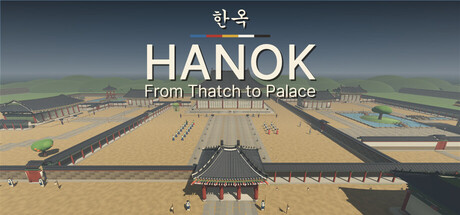
The game's text (Korean and English) was written with the help of an AI assistant, based on the developer's research into traditional Korean architecture, and was fact-checked and reviewed by the developer before shipping. The English text follows a Korean–English glossary of traditional architecture terms prepared and approved by the developer. No other shipped content is AI-generated: all 3D models, buildings and characters are built procedurally in code, and the background music is licensed traditional Korean music (CC BY).
All artwork (characters, monsters, environments, visual effects) and much of the game's code were created with generative AI tools. No content is AI-generated while the game runs.
Some title and UI illustration assets were created with image generation tools during development, then selected and implemented by the developer. Audio is procedurally synthesized in-engine and is not generative-AI music. The game does not generate AI content at runtime.
Some promotional and store assets for this game, including the capsule images, library artwork and application icons, were created with the assistance of generative AI tools.
All in game visuals are generated procedurally by the game's own code at runtime: characters, buildings, terrain, animals and effects are drawn from algorithmic vector shapes, not from AI generated images. All audio is synthesised in real time by the game engine. All game code was written by the developer.
This game was developed with the assistance of generative AI tools. Some graphical assets were created using AI and then reviewed, edited, and integrated by the developer. AI tools were also used to assist with writing code. All game design, gameplay mechanics, and final content decisions were made by the developer. The game does not generate AI content at runtime.
Pre-generated content only. This game does not run any AI at runtime.
Visual art: 444 image files were created with generative AI during development —
equipment sprites, ability icons, monster sheets, character portraits, building
art, terrain and UI textures, the title screen and the game icon. The tool was
ChatGPT (OpenAI), web interface, image generation, in sessions between 13 July
and 1 August 2026. The author recalls the model as GPT-5.5, but the interface did
not record the exact model version, so only the date range is documented.
Text: the in-game text — tutorial, mission and event wording, item and interface
strings — was drafted with generative AI assistance and then reviewed and edited
by the author. Spanish is the original language.
Translations: the English, German and Italian versions of the in-game text were
produced from the Spanish original with generative AI.
Not AI-generated: all remaining art comes from CC0, CC BY 3.0 and CC BY-SA 3.0
sources (Liberated Pixel Cup, 7Soul, Kenney), credited in full on the in-game
credits screen. All music and sound effects are CC0 or CC BY. No AI-generated
voice or music ships with the game.
Generative AI was used during development to assist in the creation of some visual assets and music. All AI-assisted content was reviewed, selected, and integrated by the development team. The game does not use generative AI to create content in real time during gameplay.
Generative AI has been used solely as a supporting tool to create some of the icons used for the character's abilities and upgrades, as well as to assist with translating the game's text into other languages.
Generative AI tools were used during development to assist with the creation of some visual and audio assets. All AI-assisted content was substantially edited by the developers and paid artists.
Some artwork and visual assets in this game were created with the assistance of generative AI tools during development. All such content was reviewed, edited, and integrated into the game by the developer.
This game uses AI-generated imagery. Character portraits, backgrounds, card illustrations, and UI assets were created with generative AI image tools, then reviewed, edited to fit the game's art direction. Store page capsules use the same artwork.
Writing, game design, code, and systems are authored by a human developer. Nothing is generated while the game is running.
This game uses generative AI tools in the creation of some of its pre-rendered content, including parts of its artwork and store page assets. All AI-assisted material was reviewed, edited, and approved by the development team before being included in the final product. No content is generated by AI during gameplay, and the game does not connect to any external AI service while running.
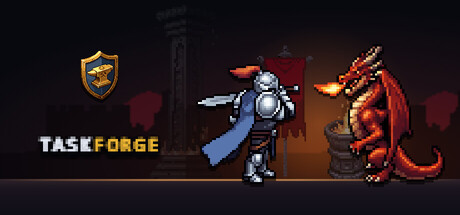
The pixel art in Taskforge — character and enemy sprites, animation frames, item and UI icons, scenery pieces and the game's emblem — was produced with the help of an AI image generation tool during development. Every generated asset was reviewed, selected, edited and assembled by hand, and ships as a fixed image file. Nothing is generated while you play: the game contains only static assets and never calls an AI service at runtime. Code, game design, balance data and all written text were made by the developer.
Generative AI tools were used during development to assist with selected 2D and 3D visual assets, sounds, localization, and marketing materials.
All AI-assisted content was reviewed, edited, and integrated by the developer to ensure consistency with the game's visual style and intended design.
The application includes a small set of pre-generated pixel-art example assets, including default cat character poses, icons, and promotional visuals. They were created with generative AI assistance during development and curated as static demonstration content shipped with the application.
The product does not generate AI content at runtime and does not embed, call, or operate a generative AI model or service. Its AI Material Assistant only provides editable prompt templates and links to third-party services outside the application. Players may import their own images, GIFs, audio, and Workshop content.
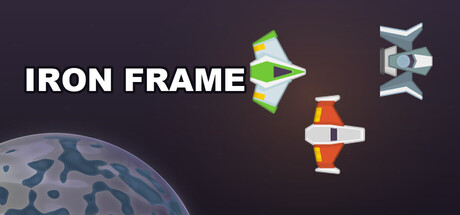
All art, sound and music in Iron Frame are human-made. The sprites and sound
effects are CC0 assets by Kenney, the music is CC0 work by nene, and the store
capsules are composed from those same sprites — nothing you see or hear was
generated by AI.
Generative AI was used as a writing assistant for some in-game text: weapon,
frame and enemy names and their one-line descriptions, and this store page.
Everything was reviewed and edited by the developer, and no content is generated
while you play.
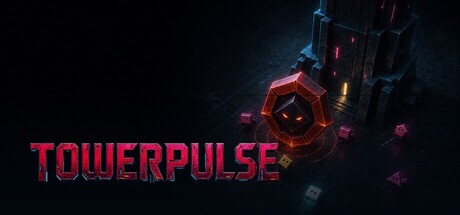
Some pre-generated visual and audio assets used in TOWERPULSE were created with the assistance of generative AI tools during development. These assets were selected, edited, and integrated by the developer.
TOWERPULSE does not use generative AI at runtime. No player prompts, gameplay content, dialogue, or other assets are generated live while the game is running.
The pixel art in this game was created with an AI image generation tool (Pixellab).
Generated art is never used as-is: the style, proportions and palette standards are set by a human,
every sprite is reviewed by eye, and anything off-standard is rejected and redone. Grounding,
animation continuity and color consistency are likewise human-checked before adoption.
Game design, balance and specification decisions are made by a human. AI-assisted tools are also
used in the development process.
Nothing is generated by AI at runtime (pre-generated content only).
We used generative AI on fighter portraits for deeper immersion and as a pre-production tool for early concept layouts. From there, all character assets and visual elements were extensively edited and manually hand-painted by human artists to ensure high visual quality and artistic control.
Generative AI tools were used during development to assist in creating some pre-generated 2D visual assets, including character imagery and certain promotional and store page artwork.
All AI-assisted content is pre-generated, reviewed, selected, and edited by the developer before being included in the game or its marketing materials.
The game does not use live generative AI and no content is generated by AI during gameplay.
The vast majority of Dominar Sanctum has been created and developed without generative AI. Generative AI has only been used selectively for a small number of 2D icons, slide narration and a narrative voiceover, primarily for early prototyping and development. Even those icons have been manually reworked.
These few AI-assisted assets are not representative of the game's overall art, design, programming, or development process. They may be replaced or further refined before the full release.
Some of the game's 2D artwork, including character, enemy and boss sprites, item icons, and backgrounds, was created using generative AI tools. All such assets were individually reviewed, selected, polished and integrated by the development team.
Our work incorporates commissioned artwork, licensed and publicly available assets, and AI-generated content. Regardless of the source materials used, the final product is the creative expression of our development team.
Generative AI was used during development to assist with coding and the creation of pre-generated visual assets. No AI content is generated during gameplay.
Certain visual assets incorporated into the final product were subject to a multi-stage development, revision, and production process involving, at intermediate stages of asset preparation, generative AI-assisted material, together with subsequent developer-directed editing, alteration, reconstruction, and final implementation.
Pre-generated AI-assisted visual content is used in this game. AI was used to create and iterate on card illustrations, character portraits, backgrounds, icons, and selected promotional artwork. AI was used to generate source video clips for pre-rendered chapter cinematics. These assets were selected, edited, composited, cropped, color-adjusted, and integrated by the developer. The game does not generate AI content during play, does not accept player prompts, and does not connect to an external AI service at runtime.
Most of the game’s art, music, and other audiovisual assets were first generated with AI tools, then hand-picked, cropped, retouched, and reworked by the developer so they fit this game’s look, feel, and systems.
Nothing is generated by AI while you play. Combat, cooking, exploration, and story presentation use only content that shipped with the game after that human edit pass.
Pixel art assets (characters, monsters, bosses, projectiles, spirits, tiles) were created with PixelLab, an AI pixel-art tool, and then edited by hand to fit the game. No AI is used at runtime. All code, game design, sound effects and music are human-authored (audio is synthesized in code).
This game uses generative AI to create a portion of its image assets. Specifically, some illustrations and background images were pre-generated during development using Kling AI and Microsoft Copilot. All AI-generated images were reviewed, selected, and edited by the developer before being included in the game. No generative AI content is generated live during gameplay, and no generative AI was used for the scenario, music, or voices.
Generative AI was used to assist in the creation of some promotional artwork and to help with the writing and localization of certain text. All such content was reviewed and, where necessary, edited before use. No AI-generated content is created in real time during gameplay.
The game's text (Korean and English) was written with the help of an AI assistant, based on the developer's research into traditional Korean architecture, and was fact-checked and reviewed by the developer before shipping. The English text follows a Korean–English glossary of traditional architecture terms prepared and approved by the developer. No other shipped content is AI-generated: all 3D models, buildings and characters are built procedurally in code, and the background music is licensed traditional Korean music (CC BY).
All artwork (characters, monsters, environments, visual effects) and much of the game's code were created with generative AI tools. No content is AI-generated while the game runs.
Some title and UI illustration assets were created with image generation tools during development, then selected and implemented by the developer. Audio is procedurally synthesized in-engine and is not generative-AI music. The game does not generate AI content at runtime.
Some promotional and store assets for this game, including the capsule images, library artwork and application icons, were created with the assistance of generative AI tools.
All in game visuals are generated procedurally by the game's own code at runtime: characters, buildings, terrain, animals and effects are drawn from algorithmic vector shapes, not from AI generated images. All audio is synthesised in real time by the game engine. All game code was written by the developer.
This game was developed with the assistance of generative AI tools. Some graphical assets were created using AI and then reviewed, edited, and integrated by the developer. AI tools were also used to assist with writing code. All game design, gameplay mechanics, and final content decisions were made by the developer. The game does not generate AI content at runtime.
Pre-generated content only. This game does not run any AI at runtime.
Visual art: 444 image files were created with generative AI during development —
equipment sprites, ability icons, monster sheets, character portraits, building
art, terrain and UI textures, the title screen and the game icon. The tool was
ChatGPT (OpenAI), web interface, image generation, in sessions between 13 July
and 1 August 2026. The author recalls the model as GPT-5.5, but the interface did
not record the exact model version, so only the date range is documented.
Text: the in-game text — tutorial, mission and event wording, item and interface
strings — was drafted with generative AI assistance and then reviewed and edited
by the author. Spanish is the original language.
Translations: the English, German and Italian versions of the in-game text were
produced from the Spanish original with generative AI.
Not AI-generated: all remaining art comes from CC0, CC BY 3.0 and CC BY-SA 3.0
sources (Liberated Pixel Cup, 7Soul, Kenney), credited in full on the in-game
credits screen. All music and sound effects are CC0 or CC BY. No AI-generated
voice or music ships with the game.
Generative AI was used during development to assist in the creation of some visual assets and music. All AI-assisted content was reviewed, selected, and integrated by the development team. The game does not use generative AI to create content in real time during gameplay.
Generative AI has been used solely as a supporting tool to create some of the icons used for the character's abilities and upgrades, as well as to assist with translating the game's text into other languages.
Generative AI tools were used during development to assist with the creation of some visual and audio assets. All AI-assisted content was substantially edited by the developers and paid artists.
Some artwork and visual assets in this game were created with the assistance of generative AI tools during development. All such content was reviewed, edited, and integrated into the game by the developer.
This game uses AI-generated imagery. Character portraits, backgrounds, card illustrations, and UI assets were created with generative AI image tools, then reviewed, edited to fit the game's art direction. Store page capsules use the same artwork.
Writing, game design, code, and systems are authored by a human developer. Nothing is generated while the game is running.
This game uses generative AI tools in the creation of some of its pre-rendered content, including parts of its artwork and store page assets. All AI-assisted material was reviewed, edited, and approved by the development team before being included in the final product. No content is generated by AI during gameplay, and the game does not connect to any external AI service while running.
The pixel art in Taskforge — character and enemy sprites, animation frames, item and UI icons, scenery pieces and the game's emblem — was produced with the help of an AI image generation tool during development. Every generated asset was reviewed, selected, edited and assembled by hand, and ships as a fixed image file. Nothing is generated while you play: the game contains only static assets and never calls an AI service at runtime. Code, game design, balance data and all written text were made by the developer.
Generative AI tools were used during development to assist with selected 2D and 3D visual assets, sounds, localization, and marketing materials.
All AI-assisted content was reviewed, edited, and integrated by the developer to ensure consistency with the game's visual style and intended design.
The application includes a small set of pre-generated pixel-art example assets, including default cat character poses, icons, and promotional visuals. They were created with generative AI assistance during development and curated as static demonstration content shipped with the application.
The product does not generate AI content at runtime and does not embed, call, or operate a generative AI model or service. Its AI Material Assistant only provides editable prompt templates and links to third-party services outside the application. Players may import their own images, GIFs, audio, and Workshop content.
All art, sound and music in Iron Frame are human-made. The sprites and sound
effects are CC0 assets by Kenney, the music is CC0 work by nene, and the store
capsules are composed from those same sprites — nothing you see or hear was
generated by AI.
Generative AI was used as a writing assistant for some in-game text: weapon,
frame and enemy names and their one-line descriptions, and this store page.
Everything was reviewed and edited by the developer, and no content is generated
while you play.
Some pre-generated visual and audio assets used in TOWERPULSE were created with the assistance of generative AI tools during development. These assets were selected, edited, and integrated by the developer.
TOWERPULSE does not use generative AI at runtime. No player prompts, gameplay content, dialogue, or other assets are generated live while the game is running.
The pixel art in this game was created with an AI image generation tool (Pixellab).
Generated art is never used as-is: the style, proportions and palette standards are set by a human,
every sprite is reviewed by eye, and anything off-standard is rejected and redone. Grounding,
animation continuity and color consistency are likewise human-checked before adoption.
Game design, balance and specification decisions are made by a human. AI-assisted tools are also
used in the development process.
Nothing is generated by AI at runtime (pre-generated content only).