Public Steam disclosure research25,710 disclosures tracked
Where do games disclose AI use?
Search developers’ Steam disclosures, compare classified AI use across
games, and follow recorded changes.
This index adds cross-game classifications and statistics to
statements published on individual store pages.
Groups reflect automatic analysis of public disclosures; mature records are excluded. These counts do not measure AI use across all of Steam.
Missing or unclear statements cannot establish whether a game uses AI.
To make the game accessible to as many regions as possible, all translations besides English were produced using advanced generative AI localization tools. We are committed to updating these translations based on player feedback.
This game includes AI‑generated assets, such as sprites, icons, illustrations, and sound effects. All AI‑generated content was created during development, manually reviewed, and integrated as static assets.
The game does not generate any AI content during gameplay, and it does not create dynamic images, audio, or text for players. All included assets are fixed and safe.
This game uses AI-generated content for certain store page artworks, promotional images, and visual marketing assets, including some capsule images created during development. No AI-generated content is created during gameplay.
Generative AI tools were used only for a very small portion of the store's promotional assets and concept designs to assist the workflow. The vast majority of the game, including its core mechanics, code, and structural design, has been developed traditionally by our team. All AI-assisted elements have been heavily edited, verified for copyright compliance, and do not contain any illegal material.
The art and music assets in this game were created with the assistance of generative AI technology.
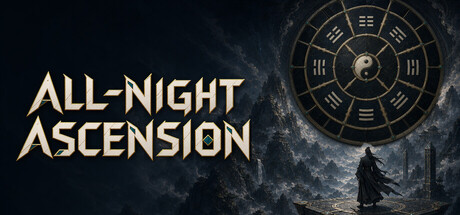
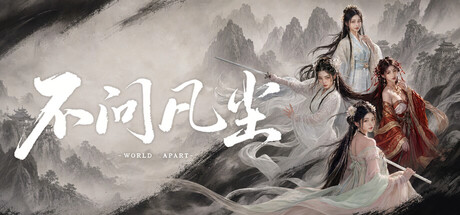
As a registered architect in my day job, I am used to using tools like CAD to aid my designs. In game development, AI plays the exact same role—it is a tool, but the soul of the design comes from the human creator. I do not allow any rough, unpolished assets into my game. Therefore, all AI-generated content has gone through my strict "manual inspection": rigorous prompt tuning, meticulous manual overpainting, and audio trimming. I carefully polish every visual and auditory "brick" to build the perfect cultivation world, pouring my true craftsmanship entirely into the core "Eight Trigrams Array" deck-building experience.
Some store artwork and promotional images were created or refined with AI-assisted tools, then edited and curated by the developer. The game does not include live AI-generated content.
AI assisted assets and text are developer edited. The core game is playable without AI. Optional advisor commentary can use local Ollama or Anthropic only if the player enables it and provides their own key.
Generative AI tools were used during development to assist with early concept art, visual ideation, logos, and certain promotional materials. All final in-game content and gameplay implementation were curated, edited, and integrated by the developers.
The game content, including gameplay mechanics, visuals, and audio, as well as the store page content — including descriptions, images, and other assets — were generated with the assistance of AI tools.
AI-Generated Content Disclosure
Certain character images were initially generated by AI tools, then significantly edited, redrawn, and refined by hand using Photoshop. All final in-game visuals are manually adjusted and do not contain unmodified AI output.
Some visual assets used on this Steam page were edited or retouched using AI-assisted tools, and the achievement icons were created using generative AI / AI-assisted tools.
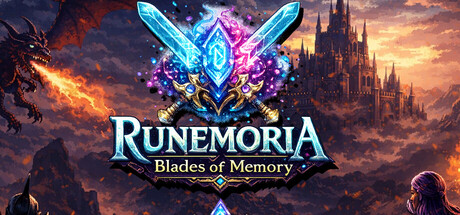
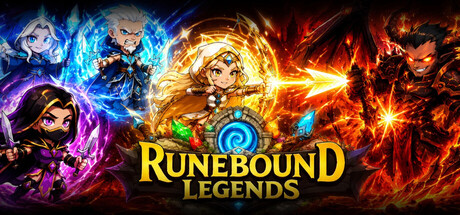
Some visual assets used in Runemoria – Blades of Memory were created with the assistance of generative AI tools and have been modified, curated, and integrated as part of the game’s development process. AI-generated content is limited to pre-rendered visual assets and does not generate gameplay content during play.
As a poor indie developer, on one hand, I’m grateful that AI has lowered my costs and improved my efficiency. On the other hand, I’m very aware of its limitations, so I use it only within a very limited scope. Specifically, it is mainly used to assist with programming and art design. The generated content is never directly put into the game—it always undergoes manual review and refinement.
Original Chinese text was written by the developer. AI was used solely to assist with translation and localization into other languages.
No AI-generated art, audio, or live-generated content is included in the game.
The life events for every historical figure highlighted in the game were generated by giving AI access to their Wikipedia profiles and asking it to summarize the text content. The art and the code are entirely human.
As a small indie studio, we use generative AI tools to assist in parts of our art creation process. This helps us improve the quality and consistency of artwork while allowing our team to work more efficiently. All AI-assisted content is reviewed, refined, and integrated by our developers to ensure it meets the artistic vision and quality standards of the game.
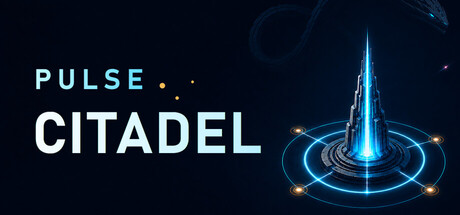
Generative AI tools were used during development for selected marketing art concepts and production assistance. Final assets and text were reviewed and edited by the developer. Pulse Citadel does not use live-generated AI during gameplay; in-game research nodes, combat behavior, progression, achievements, and UI text are fixed content.
As a legally blind solo developer, AI-assisted tools helped with visual concepting and production support. All final store materials and game content were reviewed, selected, and edited by the developer.
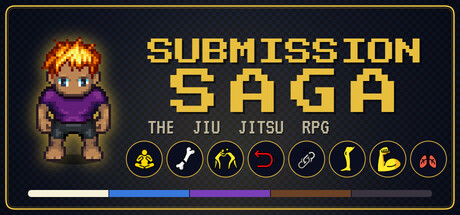
Some UI icons, character and creature sprites, and other in-game graphics in Submission Saga were created with the assistance of generative AI image tools (including Pixellab.ai), and portions of the store page text were drafted with AI writing assistance. Portions of the game's source code were also written with the assistance of an AI coding assistant. All AI-generated content was reviewed, edited, and curated by the developer before inclusion. No AI is used to generate content live during gameplay.
We use AI to code faster and generate placeholder art assets. All the AI-generated art assets (and most of the stock assets) will be replaced before the game is launched. The game design, art direction, and overall vision is all from our (human!) team.
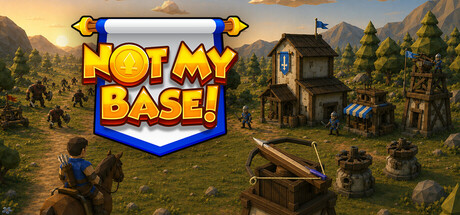
Some visual assets in Not My Base! — including selected icons and splash screen artwork — were created or assisted using Generative Artificial Intelligence tools.
All AI-generated content was reviewed, edited, and integrated by the developer to fit the game’s artistic style and gameplay needs.
Translations and text content are AI-generated. Some of the UI and game backgrounds are AI generated with manual post-processing. Some of the VFX for the animations are AI generated with post-processing.
This is a novel creation assistant tool based on artificial intelligence technology, capable of automatically generating novel outlines, chapter structures, and complete content according to user input.
Some visual assets, promotional materials, and portions of development assistance for Word Rift were created with the help of generative AI tools under the direction and supervision of the developer.
Some of the text descriptions on the game’s store page, certain in-game localization texts, and some images used in the test version were generated with the help of AI technology.
To make the game accessible to as many regions as possible, all translations besides English were produced using advanced generative AI localization tools. We are committed to updating these translations based on player feedback.
This game includes AI‑generated assets, such as sprites, icons, illustrations, and sound effects. All AI‑generated content was created during development, manually reviewed, and integrated as static assets.
The game does not generate any AI content during gameplay, and it does not create dynamic images, audio, or text for players. All included assets are fixed and safe.
This game uses AI-generated content for certain store page artworks, promotional images, and visual marketing assets, including some capsule images created during development. No AI-generated content is created during gameplay.
Generative AI tools were used only for a very small portion of the store's promotional assets and concept designs to assist the workflow. The vast majority of the game, including its core mechanics, code, and structural design, has been developed traditionally by our team. All AI-assisted elements have been heavily edited, verified for copyright compliance, and do not contain any illegal material.
The art and music assets in this game were created with the assistance of generative AI technology.
As a registered architect in my day job, I am used to using tools like CAD to aid my designs. In game development, AI plays the exact same role—it is a tool, but the soul of the design comes from the human creator. I do not allow any rough, unpolished assets into my game. Therefore, all AI-generated content has gone through my strict "manual inspection": rigorous prompt tuning, meticulous manual overpainting, and audio trimming. I carefully polish every visual and auditory "brick" to build the perfect cultivation world, pouring my true craftsmanship entirely into the core "Eight Trigrams Array" deck-building experience.
Some store artwork and promotional images were created or refined with AI-assisted tools, then edited and curated by the developer. The game does not include live AI-generated content.
AI assisted assets and text are developer edited. The core game is playable without AI. Optional advisor commentary can use local Ollama or Anthropic only if the player enables it and provides their own key.
Generative AI tools were used during development to assist with early concept art, visual ideation, logos, and certain promotional materials. All final in-game content and gameplay implementation were curated, edited, and integrated by the developers.
The game content, including gameplay mechanics, visuals, and audio, as well as the store page content — including descriptions, images, and other assets — were generated with the assistance of AI tools.
AI-Generated Content Disclosure
Certain character images were initially generated by AI tools, then significantly edited, redrawn, and refined by hand using Photoshop. All final in-game visuals are manually adjusted and do not contain unmodified AI output.
Some visual assets used on this Steam page were edited or retouched using AI-assisted tools, and the achievement icons were created using generative AI / AI-assisted tools.
Some visual assets used in Runemoria – Blades of Memory were created with the assistance of generative AI tools and have been modified, curated, and integrated as part of the game’s development process. AI-generated content is limited to pre-rendered visual assets and does not generate gameplay content during play.
As a poor indie developer, on one hand, I’m grateful that AI has lowered my costs and improved my efficiency. On the other hand, I’m very aware of its limitations, so I use it only within a very limited scope. Specifically, it is mainly used to assist with programming and art design. The generated content is never directly put into the game—it always undergoes manual review and refinement.
Original Chinese text was written by the developer. AI was used solely to assist with translation and localization into other languages.
No AI-generated art, audio, or live-generated content is included in the game.
The life events for every historical figure highlighted in the game were generated by giving AI access to their Wikipedia profiles and asking it to summarize the text content. The art and the code are entirely human.
As a small indie studio, we use generative AI tools to assist in parts of our art creation process. This helps us improve the quality and consistency of artwork while allowing our team to work more efficiently. All AI-assisted content is reviewed, refined, and integrated by our developers to ensure it meets the artistic vision and quality standards of the game.
Generative AI tools were used during development for selected marketing art concepts and production assistance. Final assets and text were reviewed and edited by the developer. Pulse Citadel does not use live-generated AI during gameplay; in-game research nodes, combat behavior, progression, achievements, and UI text are fixed content.
As a legally blind solo developer, AI-assisted tools helped with visual concepting and production support. All final store materials and game content were reviewed, selected, and edited by the developer.
Some UI icons, character and creature sprites, and other in-game graphics in Submission Saga were created with the assistance of generative AI image tools (including Pixellab.ai), and portions of the store page text were drafted with AI writing assistance. Portions of the game's source code were also written with the assistance of an AI coding assistant. All AI-generated content was reviewed, edited, and curated by the developer before inclusion. No AI is used to generate content live during gameplay.
We use AI to code faster and generate placeholder art assets. All the AI-generated art assets (and most of the stock assets) will be replaced before the game is launched. The game design, art direction, and overall vision is all from our (human!) team.
Some visual assets in Not My Base! — including selected icons and splash screen artwork — were created or assisted using Generative Artificial Intelligence tools.
All AI-generated content was reviewed, edited, and integrated by the developer to fit the game’s artistic style and gameplay needs.
Translations and text content are AI-generated. Some of the UI and game backgrounds are AI generated with manual post-processing. Some of the VFX for the animations are AI generated with post-processing.
This is a novel creation assistant tool based on artificial intelligence technology, capable of automatically generating novel outlines, chapter structures, and complete content according to user input.
Some visual assets, promotional materials, and portions of development assistance for Word Rift were created with the help of generative AI tools under the direction and supervision of the developer.
Some of the text descriptions on the game’s store page, certain in-game localization texts, and some images used in the test version were generated with the help of AI technology.