Public Steam disclosure research25,380 disclosures tracked
Where do games disclose AI use?
Search developers’ Steam disclosures, compare classified AI use across
games, and follow recorded changes.
This index adds cross-game classifications and statistics to
statements published on individual store pages.
Groups reflect automatic analysis of public disclosures; mature records are excluded. These counts do not measure AI use across all of Steam.
Missing or unclear statements cannot establish whether a game uses AI.
The game's first trailer features images generated by artificial intelligence. The characters and map in the trailer, however, were created by our team and will also be used in the playable versions of the game.
AI-assisted artwork was used for store marketing assets. The shipped game does not generate content during gameplay and does not connect to an AI service at runtime.
Generative AI tools were used as development assistants, including assistance drafting and editing portions of store-page marketing text. All player-facing content is reviewed and edited by the developer. Main Street Operator does not use generative AI during gameplay and does not connect to external AI services while the game is running.
Generative AI was used to assist in creating promotional artwork for the Steam store and library assets. The game itself does not use live-generated AI content.
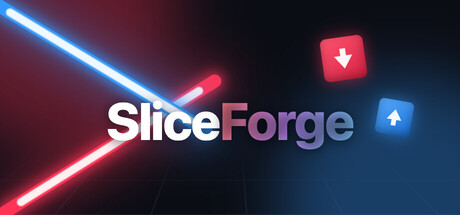
The application itself does not use generative AI. Maps are produced by a deterministic, rule-based algorithm from signal analysis of the user's own audio file (tempo, beat grid, onsets, song structure); no machine-learning models are involved, and nothing is generated at runtime by AI.
Generative AI was used only for marketing: the animated scenes in the store trailer were produced with AI image and video tools from our own storyboard and prompts. Store screenshots are real captures of the application, and the capsule artwork was designed by hand.
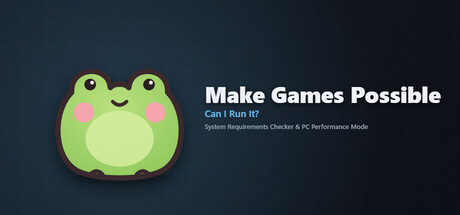
This application does not use AI at runtime. Compatibility verdicts, expected
presets and the performance recommendation come from a deterministic rule set
and the developer's own hardware tier table, with no AI model involved.
AI was used only for pre-made promotional material: the narration of the
optional intro video for the developer's other product (synthetic text-to-speech
with a preset voice) and parts of the store page artwork, which were generated
with an image model and then edited by the developer. All in-app artwork,
including the mascot, is first-party.
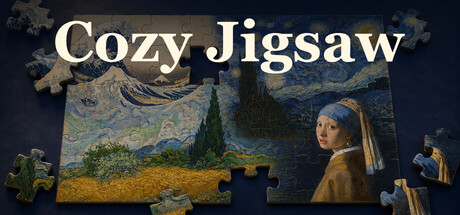
Generative AI was used to assist in creating store promotional artwork, drafting artwork descriptions, and translating interface and notebook text. The paintings used as puzzles are existing historical artworks, not AI-generated images. The game does not generate AI content during gameplay or connect to external AI services.
This game may include developer-directed generative AI content used during development for select visual assets, concept art, marketing materials, store/community artwork, placeholder imagery, and/or edited production assets.
All AI-assisted content is reviewed, selected, edited, and implemented by the developer. The game does not use live generative AI to create gameplay, dialogue, or player-facing content at runtime.
The key art was developed by hand by our art team but some AI generated content may have been included via store asses. A coding agent was used to help write features.
Generative AI was used to assist in the creation of some graphical and marketing assets for the game and its Steam store page. All AI-assisted content was reviewed and selected by the developer before being included in the final product.
Generative AI tools were used to create some visual assets for the game and its promotional materials, and to assist with writing and translating the store page descriptions. This content is prepared in advance. The game does not use generative AI to create content during gameplay.
Generative AI was used to assist in the creation of some pre-generated promotional artwork for the Steam store page. ModuleZ does not use generative AI to generate content during gameplay.
Generative AI was used during development to create and refine some 2D visual assets, Steam store artwork, trailer imagery, and localization drafts. All output was reviewed and edited by the developer before inclusion. The game does not generate AI content during play and does not connect to external AI services.
Pre-generated generative AI was used to create portions of the game's Steam store marketing artwork, including key art and derived capsule and library images. The released game does not generate AI content at runtime, and players do not directly interact with generative AI.
Generative AI tools assisted with drafting store page copy and written marketing material and some graphic items. The game itself contains no AI-generated content.
The images currently used on the Steam store page, including the capsule art, were generated using AI. All of these images will be replaced with final, original artwork when the game demo is released.
No AI-generated assets are used in the game itself.
Generative AI was used during the production of selected Steam store marketing artwork, including the panoramic key art and artwork derived from it for store capsules and library assets. The artwork was based on Emberholme’s in-game visual identity and was subsequently edited and prepared for the required Steam formats. The shipped game does not use generative AI. Its dialogue, gameplay content and living adventurer behaviour are authored and data driven, with no live-generated content.
Some store artwork and marketing materials were created with the assistance of generative AI tools. These are pre-generated static assets; no AI content is generated in real time during gameplay.
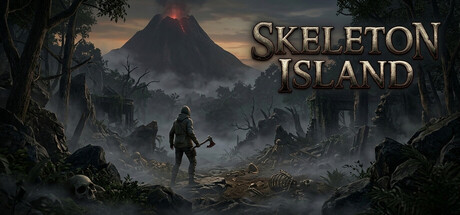
Some content used in Skeleton Island was created with the assistance of generative AI tools during development. AI-generated or AI-assisted content may include visual assets, promotional materials, text, or other development materials.
Generative AI is not used to create new content during gameplay. The game does not generate AI content in real time based on player input.
Generative AI tools were used during development to assist with selected visual assets and promotional materials. All AI-assisted content was reviewed and refined by the developer before use.
Generative AI tools were used during development to assist with the creation of a limited number of graphical assets and promotional materials. The selected content was reviewed, adapted, and integrated by the development team. The game does not use live-generated AI, and no content is generated while playing.
The game executable and in‑game assets contain no AI‑generated content. AI‑generated material is limited exclusively to the store page capsule artwork used on Steam.
I leveraged AI tools to bring my game concept to life, with AI assistance in coding, artwork, and the Steam store page. I want to assure you that this game was built through genuine collaboration between myself and AI—working together to create a better, more enjoyable experience.
Generative AI tools were used during development to assist with portions of the game’s code and the creation or refinement of certain visual and marketing assets. All AI-assisted material was reviewed, edited, and integrated by the developer. The game does not generate AI content during gameplay.
The game's first trailer features images generated by artificial intelligence. The characters and map in the trailer, however, were created by our team and will also be used in the playable versions of the game.
AI-assisted artwork was used for store marketing assets. The shipped game does not generate content during gameplay and does not connect to an AI service at runtime.
Generative AI tools were used as development assistants, including assistance drafting and editing portions of store-page marketing text. All player-facing content is reviewed and edited by the developer. Main Street Operator does not use generative AI during gameplay and does not connect to external AI services while the game is running.
Generative AI was used to assist in creating promotional artwork for the Steam store and library assets. The game itself does not use live-generated AI content.
The application itself does not use generative AI. Maps are produced by a deterministic, rule-based algorithm from signal analysis of the user's own audio file (tempo, beat grid, onsets, song structure); no machine-learning models are involved, and nothing is generated at runtime by AI.
Generative AI was used only for marketing: the animated scenes in the store trailer were produced with AI image and video tools from our own storyboard and prompts. Store screenshots are real captures of the application, and the capsule artwork was designed by hand.
This application does not use AI at runtime. Compatibility verdicts, expected
presets and the performance recommendation come from a deterministic rule set
and the developer's own hardware tier table, with no AI model involved.
AI was used only for pre-made promotional material: the narration of the
optional intro video for the developer's other product (synthetic text-to-speech
with a preset voice) and parts of the store page artwork, which were generated
with an image model and then edited by the developer. All in-app artwork,
including the mascot, is first-party.
Generative AI was used to assist in creating store promotional artwork, drafting artwork descriptions, and translating interface and notebook text. The paintings used as puzzles are existing historical artworks, not AI-generated images. The game does not generate AI content during gameplay or connect to external AI services.
This game may include developer-directed generative AI content used during development for select visual assets, concept art, marketing materials, store/community artwork, placeholder imagery, and/or edited production assets.
All AI-assisted content is reviewed, selected, edited, and implemented by the developer. The game does not use live generative AI to create gameplay, dialogue, or player-facing content at runtime.
The key art was developed by hand by our art team but some AI generated content may have been included via store asses. A coding agent was used to help write features.
Generative AI was used to assist in the creation of some graphical and marketing assets for the game and its Steam store page. All AI-assisted content was reviewed and selected by the developer before being included in the final product.
Generative AI tools were used to create some visual assets for the game and its promotional materials, and to assist with writing and translating the store page descriptions. This content is prepared in advance. The game does not use generative AI to create content during gameplay.
Generative AI was used to assist in the creation of some pre-generated promotional artwork for the Steam store page. ModuleZ does not use generative AI to generate content during gameplay.
Generative AI was used during development to create and refine some 2D visual assets, Steam store artwork, trailer imagery, and localization drafts. All output was reviewed and edited by the developer before inclusion. The game does not generate AI content during play and does not connect to external AI services.
Pre-generated generative AI was used to create portions of the game's Steam store marketing artwork, including key art and derived capsule and library images. The released game does not generate AI content at runtime, and players do not directly interact with generative AI.
Generative AI tools assisted with drafting store page copy and written marketing material and some graphic items. The game itself contains no AI-generated content.
The images currently used on the Steam store page, including the capsule art, were generated using AI. All of these images will be replaced with final, original artwork when the game demo is released.
No AI-generated assets are used in the game itself.
Generative AI was used during the production of selected Steam store marketing artwork, including the panoramic key art and artwork derived from it for store capsules and library assets. The artwork was based on Emberholme’s in-game visual identity and was subsequently edited and prepared for the required Steam formats. The shipped game does not use generative AI. Its dialogue, gameplay content and living adventurer behaviour are authored and data driven, with no live-generated content.
Some store artwork and marketing materials were created with the assistance of generative AI tools. These are pre-generated static assets; no AI content is generated in real time during gameplay.
Some content used in Skeleton Island was created with the assistance of generative AI tools during development. AI-generated or AI-assisted content may include visual assets, promotional materials, text, or other development materials.
Generative AI is not used to create new content during gameplay. The game does not generate AI content in real time based on player input.
Generative AI tools were used during development to assist with selected visual assets and promotional materials. All AI-assisted content was reviewed and refined by the developer before use.
Generative AI tools were used during development to assist with the creation of a limited number of graphical assets and promotional materials. The selected content was reviewed, adapted, and integrated by the development team. The game does not use live-generated AI, and no content is generated while playing.
The game executable and in‑game assets contain no AI‑generated content. AI‑generated material is limited exclusively to the store page capsule artwork used on Steam.
I leveraged AI tools to bring my game concept to life, with AI assistance in coding, artwork, and the Steam store page. I want to assure you that this game was built through genuine collaboration between myself and AI—working together to create a better, more enjoyable experience.
Generative AI tools were used during development to assist with portions of the game’s code and the creation or refinement of certain visual and marketing assets. All AI-assisted material was reviewed, edited, and integrated by the developer. The game does not generate AI content during gameplay.