Public Steam disclosure research25,380 disclosures tracked
Where do games disclose AI use?
Search developers’ Steam disclosures, compare classified AI use across
games, and follow recorded changes.
This index adds cross-game classifications and statistics to
statements published on individual store pages.
Groups reflect automatic analysis of public disclosures; mature records are excluded. These counts do not measure AI use across all of Steam.
Missing or unclear statements cannot establish whether a game uses AI.
Generative AI tools assisted the creation of pre-generated visual assets, including artwork and textures used in the game, promotional art, and store descriptions and localization. These assets and texts are reviewed and integrated during development. The game does not generate AI content during gameplay or connect to an external AI service.
Generative AI tools were used during development to assist with the creation and iteration of some game assets and development code. AI-assisted content included in the final game is pre-generated and reviewed by the developer. The game does not generate AI content during gameplay.
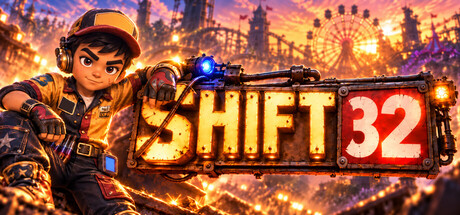
Shift32 is being developed by a solo developer. Generative AI tools were used selectively during development to create and iterate on some in-game assets, including certain 3D models and textures, as well as some promotional and Steam store artwork. No generative AI is used during gameplay, and the game does not connect to external AI services while running.
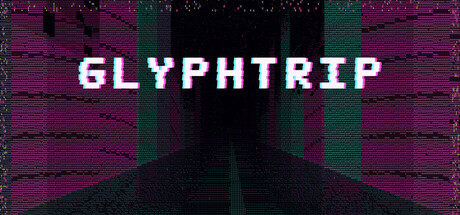
Glyphtrip is made by a studio of three: one human and two silicon genius-toddlers. The soundtrack stems were generated with AI and mixed and mastered by hand. The translations and custom font were made with AI.
Some in-game visual assets were generated or modified with generative AI tools during development. The game also includes pre-recorded AI-generated combat voice lines. The developer selected and integrated these as fixed game assets before release.
AI tools were used to assist with programming and to generate some promotional artwork and marketing materials. The game does not generate AI content during gameplay or connect to external AI services.
Some scenery, creature and equipment sprites, as well as some quest texts, were created with the help of generative AI tools, then manually edited and reviewed before integration. Playable characters (Liberated Pixel Cup), music and main texts are human-created works.
During play, some NPCs offer optional, private text conversations generated by external AI services through our game server. A short memory summary may be generated to help that NPC remember previous conversations with the same player. These conversations are separate from scripted quest dialogue and cannot grant quests, items or rewards. This feature has usage limits and carries no additional charge.
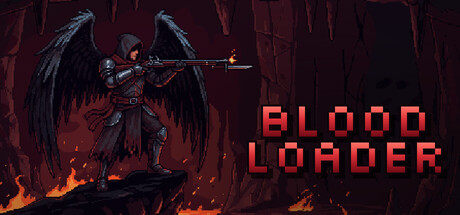
Bloodloader was made by one developer with generative AI tools in the pipeline. Character, enemy and item sprites, tiles, icons and the store key art began as AI generations (PixelLab) and were selected, cleaned up, recoloured and assembled by the developer. Sound effects and music were generated with ElevenLabs and edited into final effects and seamless loops. Some in-game text was drafted with AI assistance and edited by the developer. Nothing is generated while you play.
The text you read in Crystalysis is written in English and Spanish, then machine-translated into the other eleven languages.
The visuals are drawn procedurally in code, the audio is synthesized while you play. The interface icons were designed with an AI design tool and edited by the developer, and the remaining small bitmaps come from the open Twemoji and Kenney sets..
The game's code and the text on this store page were written with the help of an AI assistant and edited by the developer.
The core art direction and a portion of the artwork were hand-drawn by the developer, and AI was used to produce additional assets in a matching style, which were then reviewed, edited and integrated by hand. The game's music was generated with AI tools. No AI content is generated live while the game is running.
Current development builds include one AI-generated splash-screen image and a small number of prerecorded soldier voice lines created using generative AI. No content is generated by AI during gameplay.
The store capsule artwork (and the app/shortcut icons cropped from it) was created with AI image generation tools. All in-game content — art, models, audio, writing — was not AI generated.
Generative AI tools were used during development to assist in creating select background visuals, sound effects, music tracks, and promotional graphics.
AI tools assisted the creation or processing of some backgrounds, title illustrations, upgrade-card artwork and localized text during development. These assets are prepared in advance. The game does not call generative AI services at runtime.
Generative AI tools were used during development to create or assist with some pre-generated visual assets, such as ability icons. All AI-assisted content is reviewed and edited by the developer before being included in the game. The game does not generate AI content during gameplay.
This game has been made by a solo developper with the help of AI. Gamers deserve dozens of hours of fun at a cheap price, that's what the use of AI should aim for, and that's what this game is about. Zero information collected.
Generative AI was used during development to create background music and sound effects, and to assist with store text and translations. These assets are prepared before release. The game does not generate content or connect to AI services during gameplay.
Generative AI tools were used during development to create and refine visual assets, character portraits, environmental textures, cinematic footage, music, sound effects, story text, translations, and artwork for the store page and promotional materials. These materials were selected, edited, and integrated during development. No AI content is generated during gameplay.
Lethal Geometry's written content and level design were made with generative AI assistance: the in-game text, the upgrade and milestone descriptions, the map hints, the layout and waves of the maps, and this store page.
Nothing you see or hear is generated by an AI model. The board, the interface and the icons are drawn by the game's own code, so the build contains no image files, and every sound effect is synthesised by a script from mathematical waveforms. Nothing is generated while you play: there is no AI model in the game and no calls out to one.
CS
The translations of this game into English, Spanish, Portuguese, Russian and Chinese were produced with the help of a large language model, working from the German original. The Spanish, Portuguese, Russian and Chinese versions are machine-made and are marked as beta inside the game. The text of this store page and the captions in the trailer were written the same way.
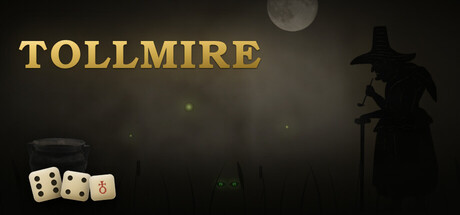
No image, no sound and no music in this game is AI-generated. The symbols come from historical alchemical plates, the witches from the Wellcome Collection, the cauldron from the Smithsonian, the reeds from an 1885 plant atlas.
Generative AI tools were used to create the game logo and some promotional artwork for the Steam store page. The generated content was reviewed, cropped, edited, and arranged by the developer before publication. The game does not use generative AI to generate content during gameplay.
AI tools were used to help write the game's code and make some placeholder sprites and text. All placeholder art/text is being removed by me, and i'm getting help with the removal/cleanup of AI code.
Generative AI was used during development to create visual art, sound effects, music, and text/localization, including store and marketing assets. These assets were reviewed, selected, and integrated by the developer. The game does not generate AI content during gameplay.
An AI coding assistant (Claude, Anthropic) was used under the developer's direction to help write the game's code, some in-game text and the note tables of its music, which is then rendered by our own synthesis code and a licensed instrument sample library. No audio-generation, image-generation or voice models were used: no AI-generated artwork, 3D models, voice or sound recordings ship in the game, on the store page or in marketing materials. Every shipped track is logged in a provenance ledger and checked against YouTube Content ID
The music and some of the images were created using artificial intelligence. Localization into some languages was performed using artificial intelligence.
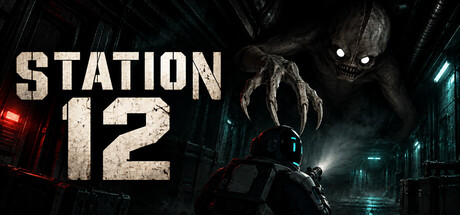
Generative AI was used to help create some of the promotional artwork and marketing images displayed on Station 12’s Steam store page.
These images are promotional illustrations and are a good representation of the in-game visuals.
Some of the store page description was drafted with generative AI writing assistance and then reviewed and edited by the developer. This game does not use generative AI to create content during gameplay.
All characters, creatures and the world of Vampus are designed and art-directed by the developer, a visual artist. Many designs started from the developer's own drawings and paintings. Generative AI tools (Microsoft Copilot and Meshy) were used to develop some of the designs and to turn them into 3D models and textures. Story and music are made by the developer.
Generative AI tools assisted the creation of pre-generated visual assets, including artwork and textures used in the game, promotional art, and store descriptions and localization. These assets and texts are reviewed and integrated during development. The game does not generate AI content during gameplay or connect to an external AI service.
Generative AI tools were used during development to assist with the creation and iteration of some game assets and development code. AI-assisted content included in the final game is pre-generated and reviewed by the developer. The game does not generate AI content during gameplay.
Shift32 is being developed by a solo developer. Generative AI tools were used selectively during development to create and iterate on some in-game assets, including certain 3D models and textures, as well as some promotional and Steam store artwork. No generative AI is used during gameplay, and the game does not connect to external AI services while running.
Glyphtrip is made by a studio of three: one human and two silicon genius-toddlers. The soundtrack stems were generated with AI and mixed and mastered by hand. The translations and custom font were made with AI.
Some in-game visual assets were generated or modified with generative AI tools during development. The game also includes pre-recorded AI-generated combat voice lines. The developer selected and integrated these as fixed game assets before release.
AI tools were used to assist with programming and to generate some promotional artwork and marketing materials. The game does not generate AI content during gameplay or connect to external AI services.
Some scenery, creature and equipment sprites, as well as some quest texts, were created with the help of generative AI tools, then manually edited and reviewed before integration. Playable characters (Liberated Pixel Cup), music and main texts are human-created works.
During play, some NPCs offer optional, private text conversations generated by external AI services through our game server. A short memory summary may be generated to help that NPC remember previous conversations with the same player. These conversations are separate from scripted quest dialogue and cannot grant quests, items or rewards. This feature has usage limits and carries no additional charge.
Bloodloader was made by one developer with generative AI tools in the pipeline. Character, enemy and item sprites, tiles, icons and the store key art began as AI generations (PixelLab) and were selected, cleaned up, recoloured and assembled by the developer. Sound effects and music were generated with ElevenLabs and edited into final effects and seamless loops. Some in-game text was drafted with AI assistance and edited by the developer. Nothing is generated while you play.
The text you read in Crystalysis is written in English and Spanish, then machine-translated into the other eleven languages.
The visuals are drawn procedurally in code, the audio is synthesized while you play. The interface icons were designed with an AI design tool and edited by the developer, and the remaining small bitmaps come from the open Twemoji and Kenney sets..
The game's code and the text on this store page were written with the help of an AI assistant and edited by the developer.
The core art direction and a portion of the artwork were hand-drawn by the developer, and AI was used to produce additional assets in a matching style, which were then reviewed, edited and integrated by hand. The game's music was generated with AI tools. No AI content is generated live while the game is running.
Current development builds include one AI-generated splash-screen image and a small number of prerecorded soldier voice lines created using generative AI. No content is generated by AI during gameplay.
The store capsule artwork (and the app/shortcut icons cropped from it) was created with AI image generation tools. All in-game content — art, models, audio, writing — was not AI generated.
Generative AI tools were used during development to assist in creating select background visuals, sound effects, music tracks, and promotional graphics.
AI tools assisted the creation or processing of some backgrounds, title illustrations, upgrade-card artwork and localized text during development. These assets are prepared in advance. The game does not call generative AI services at runtime.
Generative AI tools were used during development to create or assist with some pre-generated visual assets, such as ability icons. All AI-assisted content is reviewed and edited by the developer before being included in the game. The game does not generate AI content during gameplay.
This game has been made by a solo developper with the help of AI. Gamers deserve dozens of hours of fun at a cheap price, that's what the use of AI should aim for, and that's what this game is about. Zero information collected.
Generative AI was used during development to create background music and sound effects, and to assist with store text and translations. These assets are prepared before release. The game does not generate content or connect to AI services during gameplay.
Generative AI tools were used during development to create and refine visual assets, character portraits, environmental textures, cinematic footage, music, sound effects, story text, translations, and artwork for the store page and promotional materials. These materials were selected, edited, and integrated during development. No AI content is generated during gameplay.
Lethal Geometry's written content and level design were made with generative AI assistance: the in-game text, the upgrade and milestone descriptions, the map hints, the layout and waves of the maps, and this store page.
Nothing you see or hear is generated by an AI model. The board, the interface and the icons are drawn by the game's own code, so the build contains no image files, and every sound effect is synthesised by a script from mathematical waveforms. Nothing is generated while you play: there is no AI model in the game and no calls out to one.
CS
The translations of this game into English, Spanish, Portuguese, Russian and Chinese were produced with the help of a large language model, working from the German original. The Spanish, Portuguese, Russian and Chinese versions are machine-made and are marked as beta inside the game. The text of this store page and the captions in the trailer were written the same way.
No image, no sound and no music in this game is AI-generated. The symbols come from historical alchemical plates, the witches from the Wellcome Collection, the cauldron from the Smithsonian, the reeds from an 1885 plant atlas.
Generative AI tools were used to create the game logo and some promotional artwork for the Steam store page. The generated content was reviewed, cropped, edited, and arranged by the developer before publication. The game does not use generative AI to generate content during gameplay.
AI tools were used to help write the game's code and make some placeholder sprites and text. All placeholder art/text is being removed by me, and i'm getting help with the removal/cleanup of AI code.
Generative AI was used during development to create visual art, sound effects, music, and text/localization, including store and marketing assets. These assets were reviewed, selected, and integrated by the developer. The game does not generate AI content during gameplay.
An AI coding assistant (Claude, Anthropic) was used under the developer's direction to help write the game's code, some in-game text and the note tables of its music, which is then rendered by our own synthesis code and a licensed instrument sample library. No audio-generation, image-generation or voice models were used: no AI-generated artwork, 3D models, voice or sound recordings ship in the game, on the store page or in marketing materials. Every shipped track is logged in a provenance ledger and checked against YouTube Content ID
The music and some of the images were created using artificial intelligence. Localization into some languages was performed using artificial intelligence.
Generative AI was used to help create some of the promotional artwork and marketing images displayed on Station 12’s Steam store page.
These images are promotional illustrations and are a good representation of the in-game visuals.
Some of the store page description was drafted with generative AI writing assistance and then reviewed and edited by the developer. This game does not use generative AI to create content during gameplay.
All characters, creatures and the world of Vampus are designed and art-directed by the developer, a visual artist. Many designs started from the developer's own drawings and paintings. Generative AI tools (Microsoft Copilot and Meshy) were used to develop some of the designs and to turn them into 3D models and textures. Story and music are made by the developer.