Public Steam disclosure research25,380 disclosures tracked
Where do games disclose AI use?
Search developers’ Steam disclosures, compare classified AI use across
games, and follow recorded changes.
This index adds cross-game classifications and statistics to
statements published on individual store pages.
Groups reflect automatic analysis of public disclosures; mature records are excluded. These counts do not measure AI use across all of Steam.
Missing or unclear statements cannot establish whether a game uses AI.
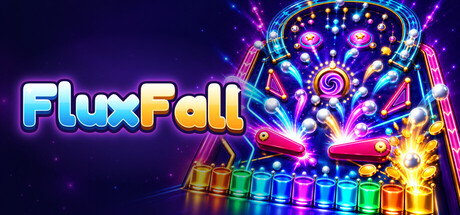
Generative AI tools assisted with creating content for FluxFall and its promotional materials. The developer revied and refined the results, guiding the creative direction, gameplay design, and final presentation.
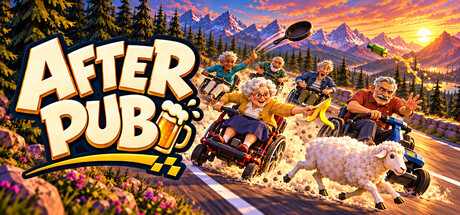
3D models: the AfterPub models (plushies, items, props) come from an AI 3D generator; the files are named like Tripo exports.
2D assets: mix between AI and an Actual Human Designer and Artist.
Commentator voice: produced by Piper, an AI text-to-speech engine, while the game runs.
Music: Pixabay tracks.
Generative AI was used as part of the creative process to assist in the creation of some artwork and visual assets used in the game and its marketing materials.
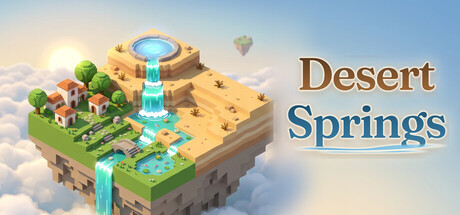
Desert Springs uses AI-assisted tools in parts of its development: some UI icons and Images were made with AI image generation. All of it was reviewed and edited by the developer. 2D art, level design, game design and codes are human made. No content is generated by AI while the game runs.
Some of the artwork (including store art) and the music were created with the help of generative AI tools, then selected and edited by the developer. Translations were also prepared with AI assistance. No AI content is generated while you play.
Sound effects and music were created with AI audio tools (ElevenLabs) and selected and edited by the developer. Parts of the in-game text, villager dialogue and translations were written with the help of AI and reviewed by the developer. AI coding assistants were used during development, including scripts that build the game's 3D models. No AI generates content while you play.
Some game assets were made with AI generation tools during development and then edited by us: the talent icons, the digger crew sprites, the sound effects and the music. Store descriptions were drafted with AI assistance and reviewed by the developer. Nothing is generated by AI while you play.
Generative AI was used to assist in the creation and iteration of selected visual assets and marketing materials. All final content was reviewed, selected, and integrated by the developer. No generative AI is used during gameplay.
Some of the game's pre-made content was created with the help of generative AI tools and then edited and checked by the developer: character, monster, item and background artwork, store artwork, music and sound effects. The game does not generate any content with AI while you play.
As a solo developer AI helped me with:
- fine tuning text and Steam store descriptions
- solve complex coding issues
- visuals are not "ai" generated, but all visuals are programmatically generated within my own software, and the scripts that do that, are optimised by AI coding tools
AI tools were used during development to help write the game's code (including the scripts that procedurally generate its sound effects and store art), to compose the soundtrack (melodies and arrangements written with AI assistance, rendered from our own scripts and an MIT-licensed instrument bank) and to translate its text into 10 languages. Game design, balance and visual direction are the developer's own, and all AI-assisted work was reviewed before being included. The game does not generate any AI content while you play.
The player portraits, mascots, team emblems, box paintings and a few event images were generated with image models from the developer's prompts, then hand-keyed and placed. All other art is drawn in the game's own code. No live generation: the game contacts no service.
The music is synthesized from hand-written scores and is not AI audio.
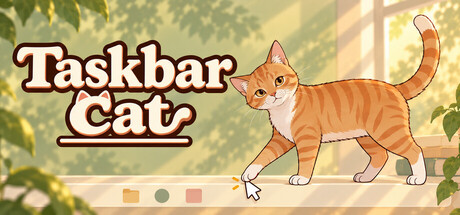
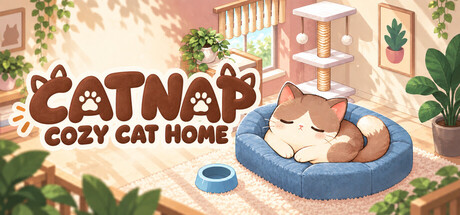
Taskbar Cat uses pre-generated AI-assisted artwork, cat and prop animation sprites, some cat sound effects, and promotional artwork. These assets were edited and assembled during development. The game does not generate AI content or connect to an AI service during gameplay.
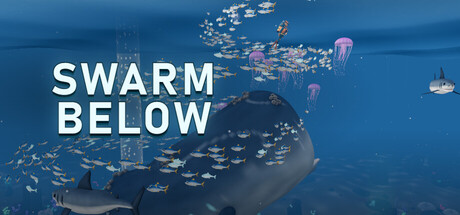
Swarm Below was built with help from an AI assistant. Its 3D models (built by scripts in Blender), its synthesized music and sound effects, and parts of the store page text and art were created with AI assistance under the developer's direction. Nothing is generated by AI while you play.
The game's three music tracks were generated with Suno (a generative AI tool) from prompts written for the game. The game's text and this store page were written with the help of an AI assistant, then reviewed by the team. No AI generates content while you play.
AI was used in the production of some visual assets in the game. All AI-assisted content was carefully reviewed and refined to ensure quality, consistency, and suitability for the game.
Generative AI was used during development to create in-game collectible cover artwork, as well as store and marketing artwork and text. These assets are prepared in advance. The game does not generate AI content during gameplay or connect to a live AI service.
This game uses AI as a development aid. The English and Chinese translations (in-game and on the store page) were produced with AI. Some of the in-game music, sound effects and art are generated by programs written with the help of AI. No content is generated by AI during play.
Generative AI tools were used during development to assist with the creation and refinement of game content. All content included in the final game was reviewed, selected, and integrated by the developer. The game does not generate AI content during gameplay.
Alpine Fall uses generative AI tools during development to assist with the creation of pre-generated visual, 3D, voice/audio, cinematic, and promotional content. All AI-assisted content is reviewed, curated, and integrated by the developer before inclusion in the game or its marketing materials. The game does not generate AI content during gameplay.
Some content in Cairn & Carat was created with the help of generative AI:
- The 3D models of the characters and the collection display shelf were generated with Meshy AI, then adjusted and set up in Unity by our team.
- In-game texts, their translations into the supported languages and the store page texts were written and translated with AI assistance.
Some pre-generated visual assets were created with the help of AI image generation tools and then edited by the developer: UI elements (buttons, icons, bars), the game logo, and the campaign zone background art. Some store and community artwork may also use AI-assisted imagery. All gameplay, card art, sound effects and music are procedurally generated by the game's own code, not by AI. No content is generated by AI live during gameplay.
Generative AI was used during development to create various visual assets featured in the game. The game maps and some UI elements were created manually by the developer. Generative AI was used as a content creation tool, while the final assets were integrated and adapted by the developer for use in the game.
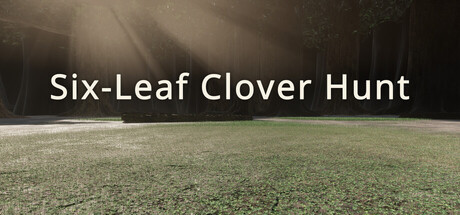
No AI image generators were used for the game's visuals. The clover, trees, and ground were modeled and textured in the 3D software Blender from the developer's own photos of the real thing, then assembled into a forest in Unity. The concept, the photography, and the decisions about how the game looks were all the developer's own.
Made with help from AI
• The game's code and the Blender scripts that build the shapes and textures. The developer checked the finished visuals side by side with the photos of the real thing.
• The text in the game and on the store page, and its translation from Japanese into 10 languages, including English. The translations were made by AI and checked by a different AI. No native speaker has reviewed them, so if you spot a mistranslation, please report it through the support contact.
The sounds are nature recordings made by other creators and released as CC0 or public domain. No AI runs while you play.
Generative AI tools were used during development to create selected visual assets and music. All generated content was reviewed, selected, edited where necessary, and integrated by the developer.
The game's sprites, characters and building artwork were created with generative AI image tools, and the background music tracks were created with generative AI audio tools. All assets were selected and integrated into the game by the developer. Gameplay, design and sound effects were made without generative AI. The game does not generate any AI content during play and does not connect to any AI services.
Generative AI tools were used to assist in the creation and refinement of selected visual assets, including Steam store artwork, promotional graphics, and some graphical elements. All AI-assisted content was reviewed and curated by the developer before being used. The game does not use generative AI to create content in real time during gameplay.
Generative AI was used during development to create, pixel artwork, music and written content under our concept and design direction. The game contains pre-generated content only; it does not generate AI content during play.
Generative AI was used during development to create character and environment artwork, comic illustrations, achievement-card artwork, store artwork, music, and English pronunciation audio, and to assist with learning dialogue and localization. This content is prepared in advance and included with the game. The game does not generate AI content or connect to third-party AI services during gameplay. Custom chapters use the device’s available text-to-speech voices.
The game uses AI-generated code, textures, and sound effects.Some 2D item artwork was created with generative AI tools during development, including certain pet-care items, container states, and shed-fur graphics. Store promotional illustrations, title artwork, and icons were also created with generative AI tools. AI assisted with drafting and translating the store descriptions. The relevant in-game artwork is provided as pre-generated static assets. The game does not use generative AI to create content during gameplay.
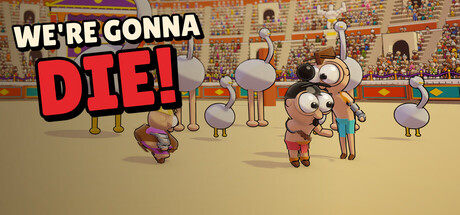
I've wanted to make games for as long as I can remember but could never learn to code, so AI helped write the code. Some 3D models started as AI-generated base meshes that were then reshaped and repainted by hand, and the arena announcer is an AI voice reading lines we wrote. Everything else is hand-made or licensed.
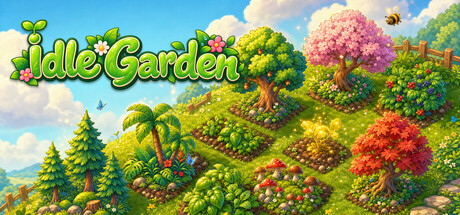
The game's 2D artwork (plant, item and upgrade icons, logo, background and store key art) and some of the garden sound effects (harvest, plant, water, discover and golden-seed sounds) were created with generative AI tools (OpenAI GPT Image and Stability AI Stable Audio) and curated by the developer. All content is pre-generated and ships with the game. The game does not generate any content with AI during gameplay and does not connect to any external AI service.
Some of the promotional and storefront images were created with AI tools and then refined by hand. All of the in-game assets were designed by a Pixel Art artist.
Generative AI tools assisted with creating content for FluxFall and its promotional materials. The developer revied and refined the results, guiding the creative direction, gameplay design, and final presentation.
3D models: the AfterPub models (plushies, items, props) come from an AI 3D generator; the files are named like Tripo exports.
2D assets: mix between AI and an Actual Human Designer and Artist.
Commentator voice: produced by Piper, an AI text-to-speech engine, while the game runs.
Music: Pixabay tracks.
Generative AI was used as part of the creative process to assist in the creation of some artwork and visual assets used in the game and its marketing materials.
Desert Springs uses AI-assisted tools in parts of its development: some UI icons and Images were made with AI image generation. All of it was reviewed and edited by the developer. 2D art, level design, game design and codes are human made. No content is generated by AI while the game runs.
Some of the artwork (including store art) and the music were created with the help of generative AI tools, then selected and edited by the developer. Translations were also prepared with AI assistance. No AI content is generated while you play.
Sound effects and music were created with AI audio tools (ElevenLabs) and selected and edited by the developer. Parts of the in-game text, villager dialogue and translations were written with the help of AI and reviewed by the developer. AI coding assistants were used during development, including scripts that build the game's 3D models. No AI generates content while you play.
Some game assets were made with AI generation tools during development and then edited by us: the talent icons, the digger crew sprites, the sound effects and the music. Store descriptions were drafted with AI assistance and reviewed by the developer. Nothing is generated by AI while you play.
Generative AI was used to assist in the creation and iteration of selected visual assets and marketing materials. All final content was reviewed, selected, and integrated by the developer. No generative AI is used during gameplay.
Some of the game's pre-made content was created with the help of generative AI tools and then edited and checked by the developer: character, monster, item and background artwork, store artwork, music and sound effects. The game does not generate any content with AI while you play.
As a solo developer AI helped me with:
- fine tuning text and Steam store descriptions
- solve complex coding issues
- visuals are not "ai" generated, but all visuals are programmatically generated within my own software, and the scripts that do that, are optimised by AI coding tools
AI tools were used during development to help write the game's code (including the scripts that procedurally generate its sound effects and store art), to compose the soundtrack (melodies and arrangements written with AI assistance, rendered from our own scripts and an MIT-licensed instrument bank) and to translate its text into 10 languages. Game design, balance and visual direction are the developer's own, and all AI-assisted work was reviewed before being included. The game does not generate any AI content while you play.
The player portraits, mascots, team emblems, box paintings and a few event images were generated with image models from the developer's prompts, then hand-keyed and placed. All other art is drawn in the game's own code. No live generation: the game contacts no service.
The music is synthesized from hand-written scores and is not AI audio.
Taskbar Cat uses pre-generated AI-assisted artwork, cat and prop animation sprites, some cat sound effects, and promotional artwork. These assets were edited and assembled during development. The game does not generate AI content or connect to an AI service during gameplay.
Swarm Below was built with help from an AI assistant. Its 3D models (built by scripts in Blender), its synthesized music and sound effects, and parts of the store page text and art were created with AI assistance under the developer's direction. Nothing is generated by AI while you play.
The game's three music tracks were generated with Suno (a generative AI tool) from prompts written for the game. The game's text and this store page were written with the help of an AI assistant, then reviewed by the team. No AI generates content while you play.
AI was used in the production of some visual assets in the game. All AI-assisted content was carefully reviewed and refined to ensure quality, consistency, and suitability for the game.
Generative AI was used during development to create in-game collectible cover artwork, as well as store and marketing artwork and text. These assets are prepared in advance. The game does not generate AI content during gameplay or connect to a live AI service.
This game uses AI as a development aid. The English and Chinese translations (in-game and on the store page) were produced with AI. Some of the in-game music, sound effects and art are generated by programs written with the help of AI. No content is generated by AI during play.
Generative AI tools were used during development to assist with the creation and refinement of game content. All content included in the final game was reviewed, selected, and integrated by the developer. The game does not generate AI content during gameplay.
Alpine Fall uses generative AI tools during development to assist with the creation of pre-generated visual, 3D, voice/audio, cinematic, and promotional content. All AI-assisted content is reviewed, curated, and integrated by the developer before inclusion in the game or its marketing materials. The game does not generate AI content during gameplay.
Some content in Cairn & Carat was created with the help of generative AI:
- The 3D models of the characters and the collection display shelf were generated with Meshy AI, then adjusted and set up in Unity by our team.
- In-game texts, their translations into the supported languages and the store page texts were written and translated with AI assistance.
Some pre-generated visual assets were created with the help of AI image generation tools and then edited by the developer: UI elements (buttons, icons, bars), the game logo, and the campaign zone background art. Some store and community artwork may also use AI-assisted imagery. All gameplay, card art, sound effects and music are procedurally generated by the game's own code, not by AI. No content is generated by AI live during gameplay.
Generative AI was used during development to create various visual assets featured in the game. The game maps and some UI elements were created manually by the developer. Generative AI was used as a content creation tool, while the final assets were integrated and adapted by the developer for use in the game.
No AI image generators were used for the game's visuals. The clover, trees, and ground were modeled and textured in the 3D software Blender from the developer's own photos of the real thing, then assembled into a forest in Unity. The concept, the photography, and the decisions about how the game looks were all the developer's own.
Made with help from AI
• The game's code and the Blender scripts that build the shapes and textures. The developer checked the finished visuals side by side with the photos of the real thing.
• The text in the game and on the store page, and its translation from Japanese into 10 languages, including English. The translations were made by AI and checked by a different AI. No native speaker has reviewed them, so if you spot a mistranslation, please report it through the support contact.
The sounds are nature recordings made by other creators and released as CC0 or public domain. No AI runs while you play.
Generative AI tools were used during development to create selected visual assets and music. All generated content was reviewed, selected, edited where necessary, and integrated by the developer.
The game's sprites, characters and building artwork were created with generative AI image tools, and the background music tracks were created with generative AI audio tools. All assets were selected and integrated into the game by the developer. Gameplay, design and sound effects were made without generative AI. The game does not generate any AI content during play and does not connect to any AI services.
Generative AI tools were used to assist in the creation and refinement of selected visual assets, including Steam store artwork, promotional graphics, and some graphical elements. All AI-assisted content was reviewed and curated by the developer before being used. The game does not use generative AI to create content in real time during gameplay.
Generative AI was used during development to create, pixel artwork, music and written content under our concept and design direction. The game contains pre-generated content only; it does not generate AI content during play.
Generative AI was used during development to create character and environment artwork, comic illustrations, achievement-card artwork, store artwork, music, and English pronunciation audio, and to assist with learning dialogue and localization. This content is prepared in advance and included with the game. The game does not generate AI content or connect to third-party AI services during gameplay. Custom chapters use the device’s available text-to-speech voices.
The game uses AI-generated code, textures, and sound effects.Some 2D item artwork was created with generative AI tools during development, including certain pet-care items, container states, and shed-fur graphics. Store promotional illustrations, title artwork, and icons were also created with generative AI tools. AI assisted with drafting and translating the store descriptions. The relevant in-game artwork is provided as pre-generated static assets. The game does not use generative AI to create content during gameplay.
I've wanted to make games for as long as I can remember but could never learn to code, so AI helped write the code. Some 3D models started as AI-generated base meshes that were then reshaped and repainted by hand, and the arena announcer is an AI voice reading lines we wrote. Everything else is hand-made or licensed.
The game's 2D artwork (plant, item and upgrade icons, logo, background and store key art) and some of the garden sound effects (harvest, plant, water, discover and golden-seed sounds) were created with generative AI tools (OpenAI GPT Image and Stability AI Stable Audio) and curated by the developer. All content is pre-generated and ships with the game. The game does not generate any content with AI during gameplay and does not connect to any external AI service.
Some of the promotional and storefront images were created with AI tools and then refined by hand. All of the in-game assets were designed by a Pixel Art artist.