Public Steam disclosure research25,380 disclosures tracked
Where do games disclose AI use?
Search developers’ Steam disclosures, compare classified AI use across
games, and follow recorded changes.
This index adds cross-game classifications and statistics to
statements published on individual store pages.
Groups reflect automatic analysis of public disclosures; mature records are excluded. These counts do not measure AI use across all of Steam.
Missing or unclear statements cannot establish whether a game uses AI.
Some visual assets — character art/portraits, sprite artwork, and store/marketing
capsule images — were created with the help of generative AI image tools, then
edited, composited, and curated by the developer. All such assets are PRE-GENERATED
during development; the shipped game performs NO live/runtime AI generation. No
generative AI produces text, dialogue, or any player-facing content at runtime.
All generated assets were reviewed by the developer to ensure they contain no
infringing or inappropriate material.
This game uses AI-generated artwork for store page assets, including capsule images,
promotional graphics, and character illustrations. The game logo and visual marketing
materials were created with the assistance of AI image generation tools.
No AI content is generated during gameplay — all in-game content is pre-authored.
No third-party AI services are connected during gameplay.
Generative AI tools were used during development to assist with the creation of some 3D assets, music, and draft visual materials. Character concepts were based on human-made sketches, and AI was used only for early draft exploration; the final in-game characters were created by humans. All AI-assisted materials were reviewed, edited, and integrated into the game by the developer. AI is not used to generate content during gameplay.
Generative artificial intelligence has been used to create store page thumbnails based on the developer's scene work.
Generative artificial intelligence has been used by the developer to improve the performance of the developers code to achieve incredible in game performance with respect to voxel mesh rendering and voxel lighting calculations. Thanks to the contributions of gen ai Star Journey performs beautifully even on laptops that have no dedicated GPU.
Topological Board Game used generative AI tools during development to assist with programming, documentation, store-page text, localization drafts, and design iteration. All AI-assisted material is reviewed and edited by the developer before being included in the game or store page.
The game does not use generative AI to create live player-facing content during gameplay. It does not connect to external third-party AI services during normal gameplay. Local robot opponents, rule-based analysis, search, simulation, and self-play/research tools may be included, but these are gameplay/strategy systems rather than live generative AI content systems.
AI Gen tools were used in a variety of ways for this game. Asset image concepting, narrative re-writes, 3d meshing, and marketing assets typically went through some form of a.i. modification, but then returned to a human-in-the-loop production step before game integration.
Generative AI was used during the development process to create a portion of the textures used in the game environments. These assets were subsequently reviewed and refined by our development team to ensure quality and originality.
AI tools were used to create early drafts and a few base images for certain small visual elements, such as mission briefing cityscape thumbnails. Some initial sprite concepts were generated using AI. These assets were manually edited, adjusted, and integrated into the game’s visual style. No live generative AI is used during gameplay.
Color Cup Racing uses generative AI tools as part of the development and content creation process.
AI-assisted tools were used to help create or refine some game content, including development support, visual concepts, marketing materials, and/or music assets. All content included in the game is reviewed, selected, edited, and implemented by the developer before release.
The game does not generate AI content during gameplay. Players do not enter prompts, the game does not create live AI-generated images, audio, text, or code while running, and the game does not connect to external AI services during play.
I've used AI for code, and to generate some 2D & 3D assets.
I know people want to boycott AI (and I can respect that opinion), but this game would be nearly impossible for a solo developer to make without it.
I cannot stress to you the amount of manual work that still has to go into something like this, even with AI tooling.
You couldn't "prompt" a game like this.
I genuinely care about creating a good game, and if my use of AI is a hard stop for you trying this game, it's your loss!
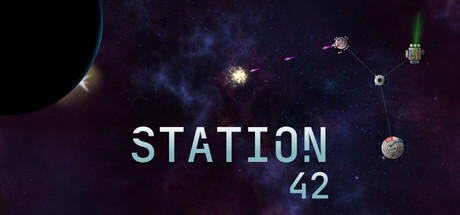
This game developer uses AI only for a few music tracks (with licence) and one sprite generated and modified FROM the original developer artwork (the main menu "station 42 sprite").
All artwork, ui, and sounds effects do NOT use AI whatsoever.
AI assisted drafting was used for the Steam store page text and marketing copy. The game does not use generative AI to create runtime gameplay content or player facing outputs during play.
In the development of Project Deep Nexus, AI was utilized for several key components. This includes creating character and background artworks, as well as generating some music tracks. While the developer curated the plot and narrative, AI assisted in the process.
Some 2D art assets (e.g. icons, store capsules, background art) were created with the help of generative AI image tools and then curated and edited by the developer. No AI-generated content is produced live during gameplay.
No game assets or gameplay content were generated using AI.
Localization into some supported languages was created with AI assistance and reviewed by the developers and community where possible.
The development of this game utilizes generative artificial intelligence tools to create some pre-rendered graphic assets, visual interface elements, and sound effects that are part of the arena's atmosphere.
Galaxor uses generative AI tools to support the creation and revision of selected visual content, including icons, artwork, banners, store graphics and marketing materials. Generated content is reviewed, selected and, where necessary, manually adjusted before being used in the game or on the store page. No live-generated AI content is created during gameplay.
As a small development studio, we had to use AI to generate translations for the game and the Steam page in order to make the game accessible to the widest possible audience.
The graphic and audio assets were created either by us or by the team at Craftpix.net (who, it seems, do not use AI).
During development, we used generative AI image tools to produce base images for some of our 2D art assets. Our artist then worked on them to create the final assets in the game and on the store page.
This game uses pre-generated AI-assisted artwork during development, including some character illustrations, item icons, background images, and store/marketing assets. All AI-assisted assets are reviewed, selected, and edited by the development team before being included in the game. The game does not use live generative AI during gameplay and does not connect to external AI services.
Some visual assets used in the game and on the Steam store page were created with the assistance of generative AI and have been further refined and integrated into the game by the developer. No live-generated AI content is used during gameplay.
As a small, two-person independent development team, we have used generative AI to help create a limited number of pre-generated assets during development. This includes portions of the store capsule artwork, a number of UI elements and icons, and approximately three lines of dialogue for a single enemy.
The AI-generated visual content is used solely as placeholder artwork to support our Early Access proof of concept. These assets allow us to focus our limited resources on gameplay, systems, balance, and overall game quality while we continue development. Replacing these placeholder assets with original, commissioned artwork is a planned and intentional part of our Early Access development roadmap.
No generative AI was or will be used to create gameplay, game logic, programming, level design, music, sound effects, visual effects, or any live-generated in-game content.
This game uses AI-generated images, created with Stable Diffusion and similar tools, for card artwork, character portraits, backgrounds, and animated card videos. All AI-generated assets were reviewed and edited by the developer. No AI generates content during gameplay.
This game was made with the help of AI. The music was generated using Suno, and AI tools assisted with other content and store materials, all reviewed and curated by the developer.
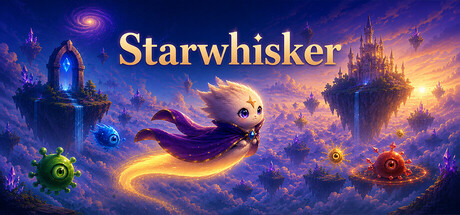
Starwhisker is a solo indie project. During early development, some placeholder assets and development materials were created with the assistance of AI tools to help prototype ideas quickly and focus resources on gameplay development.
As development continues, these assets are being progressively refined, replaced, or supplemented with original work created specifically for the game. The goal is to ensure Starwhisker develops its own distinct artistic identity while remaining transparent about the tools used during its creation.
This game includes some AI-assisted music and Steam store marketing assets created during development. All such content was reviewed and integrated by the developer. No AI-generated content is created during gameplay, and players cannot generate AI content within the game.
Some of the promotional and storefront images were created with AI tools and then refined by hand. All of the in-game assets were designed by a 3D artist. Some of the audio files are AI generated.
Some promotional art assets and in-game
artwork were created with the assistance of AI image generation tools.
All AI-generated output was reviewed, edited, and curated by the development
team before inclusion.
Some 2D store and marketing assets — such as store capsule images, achievement icons, and key art — were created using AI image-generation tools and then refined and composited by hand. All gameplay, code, level design, and game systems are made by the developer without generative AI. All AI-assisted assets are reviewed to ensure they are appropriate and comply with Steam's rules.
Some visual assets — character art/portraits, sprite artwork, and store/marketing
capsule images — were created with the help of generative AI image tools, then
edited, composited, and curated by the developer. All such assets are PRE-GENERATED
during development; the shipped game performs NO live/runtime AI generation. No
generative AI produces text, dialogue, or any player-facing content at runtime.
All generated assets were reviewed by the developer to ensure they contain no
infringing or inappropriate material.
This game uses AI-generated artwork for store page assets, including capsule images,
promotional graphics, and character illustrations. The game logo and visual marketing
materials were created with the assistance of AI image generation tools.
No AI content is generated during gameplay — all in-game content is pre-authored.
No third-party AI services are connected during gameplay.
Generative AI tools were used during development to assist with the creation of some 3D assets, music, and draft visual materials. Character concepts were based on human-made sketches, and AI was used only for early draft exploration; the final in-game characters were created by humans. All AI-assisted materials were reviewed, edited, and integrated into the game by the developer. AI is not used to generate content during gameplay.
Generative artificial intelligence has been used to create store page thumbnails based on the developer's scene work.
Generative artificial intelligence has been used by the developer to improve the performance of the developers code to achieve incredible in game performance with respect to voxel mesh rendering and voxel lighting calculations. Thanks to the contributions of gen ai Star Journey performs beautifully even on laptops that have no dedicated GPU.
Topological Board Game used generative AI tools during development to assist with programming, documentation, store-page text, localization drafts, and design iteration. All AI-assisted material is reviewed and edited by the developer before being included in the game or store page.
The game does not use generative AI to create live player-facing content during gameplay. It does not connect to external third-party AI services during normal gameplay. Local robot opponents, rule-based analysis, search, simulation, and self-play/research tools may be included, but these are gameplay/strategy systems rather than live generative AI content systems.
AI Gen tools were used in a variety of ways for this game. Asset image concepting, narrative re-writes, 3d meshing, and marketing assets typically went through some form of a.i. modification, but then returned to a human-in-the-loop production step before game integration.
Generative AI was used during the development process to create a portion of the textures used in the game environments. These assets were subsequently reviewed and refined by our development team to ensure quality and originality.
AI tools were used to create early drafts and a few base images for certain small visual elements, such as mission briefing cityscape thumbnails. Some initial sprite concepts were generated using AI. These assets were manually edited, adjusted, and integrated into the game’s visual style. No live generative AI is used during gameplay.
Color Cup Racing uses generative AI tools as part of the development and content creation process.
AI-assisted tools were used to help create or refine some game content, including development support, visual concepts, marketing materials, and/or music assets. All content included in the game is reviewed, selected, edited, and implemented by the developer before release.
The game does not generate AI content during gameplay. Players do not enter prompts, the game does not create live AI-generated images, audio, text, or code while running, and the game does not connect to external AI services during play.
I've used AI for code, and to generate some 2D & 3D assets.
I know people want to boycott AI (and I can respect that opinion), but this game would be nearly impossible for a solo developer to make without it.
I cannot stress to you the amount of manual work that still has to go into something like this, even with AI tooling.
You couldn't "prompt" a game like this.
I genuinely care about creating a good game, and if my use of AI is a hard stop for you trying this game, it's your loss!
This game developer uses AI only for a few music tracks (with licence) and one sprite generated and modified FROM the original developer artwork (the main menu "station 42 sprite").
All artwork, ui, and sounds effects do NOT use AI whatsoever.
AI assisted drafting was used for the Steam store page text and marketing copy. The game does not use generative AI to create runtime gameplay content or player facing outputs during play.
In the development of Project Deep Nexus, AI was utilized for several key components. This includes creating character and background artworks, as well as generating some music tracks. While the developer curated the plot and narrative, AI assisted in the process.
Some 2D art assets (e.g. icons, store capsules, background art) were created with the help of generative AI image tools and then curated and edited by the developer. No AI-generated content is produced live during gameplay.
No game assets or gameplay content were generated using AI.
Localization into some supported languages was created with AI assistance and reviewed by the developers and community where possible.
The development of this game utilizes generative artificial intelligence tools to create some pre-rendered graphic assets, visual interface elements, and sound effects that are part of the arena's atmosphere.
Galaxor uses generative AI tools to support the creation and revision of selected visual content, including icons, artwork, banners, store graphics and marketing materials. Generated content is reviewed, selected and, where necessary, manually adjusted before being used in the game or on the store page. No live-generated AI content is created during gameplay.
As a small development studio, we had to use AI to generate translations for the game and the Steam page in order to make the game accessible to the widest possible audience.
The graphic and audio assets were created either by us or by the team at Craftpix.net (who, it seems, do not use AI).
During development, we used generative AI image tools to produce base images for some of our 2D art assets. Our artist then worked on them to create the final assets in the game and on the store page.
This game uses pre-generated AI-assisted artwork during development, including some character illustrations, item icons, background images, and store/marketing assets. All AI-assisted assets are reviewed, selected, and edited by the development team before being included in the game. The game does not use live generative AI during gameplay and does not connect to external AI services.
Some visual assets used in the game and on the Steam store page were created with the assistance of generative AI and have been further refined and integrated into the game by the developer. No live-generated AI content is used during gameplay.
As a small, two-person independent development team, we have used generative AI to help create a limited number of pre-generated assets during development. This includes portions of the store capsule artwork, a number of UI elements and icons, and approximately three lines of dialogue for a single enemy.
The AI-generated visual content is used solely as placeholder artwork to support our Early Access proof of concept. These assets allow us to focus our limited resources on gameplay, systems, balance, and overall game quality while we continue development. Replacing these placeholder assets with original, commissioned artwork is a planned and intentional part of our Early Access development roadmap.
No generative AI was or will be used to create gameplay, game logic, programming, level design, music, sound effects, visual effects, or any live-generated in-game content.
This game uses AI-generated images, created with Stable Diffusion and similar tools, for card artwork, character portraits, backgrounds, and animated card videos. All AI-generated assets were reviewed and edited by the developer. No AI generates content during gameplay.
This game was made with the help of AI. The music was generated using Suno, and AI tools assisted with other content and store materials, all reviewed and curated by the developer.
Starwhisker is a solo indie project. During early development, some placeholder assets and development materials were created with the assistance of AI tools to help prototype ideas quickly and focus resources on gameplay development.
As development continues, these assets are being progressively refined, replaced, or supplemented with original work created specifically for the game. The goal is to ensure Starwhisker develops its own distinct artistic identity while remaining transparent about the tools used during its creation.
This game includes some AI-assisted music and Steam store marketing assets created during development. All such content was reviewed and integrated by the developer. No AI-generated content is created during gameplay, and players cannot generate AI content within the game.
Some of the promotional and storefront images were created with AI tools and then refined by hand. All of the in-game assets were designed by a 3D artist. Some of the audio files are AI generated.
Some promotional art assets and in-game
artwork were created with the assistance of AI image generation tools.
All AI-generated output was reviewed, edited, and curated by the development
team before inclusion.
Some 2D store and marketing assets — such as store capsule images, achievement icons, and key art — were created using AI image-generation tools and then refined and composited by hand. All gameplay, code, level design, and game systems are made by the developer without generative AI. All AI-assisted assets are reviewed to ensure they are appropriate and comply with Steam's rules.