Public Steam disclosure research25,706 disclosures tracked
Where do games disclose AI use?
Search developers’ Steam disclosures, compare classified AI use across
games, and follow recorded changes.
This index adds cross-game classifications and statistics to
statements published on individual store pages.
Groups reflect automatic analysis of public disclosures; mature records are excluded. These counts do not measure AI use across all of Steam.
Missing or unclear statements cannot establish whether a game uses AI.
Generative AI tools were used during development to assist in creating and refining some pre-generated 2D artwork and Steam store marketing assets. All AI-assisted content was reviewed and edited by the development team. The game does not generate AI content during gameplay.
Some in-game text (such as the messages in bottles) and store page copy were written with the assistance of AI tools. All content has been reviewed and edited by the developer.
Character portrait artwork in the optional modern art mode was created using generative AI tools (ChatGPT) during development. All gameplay code, world design, systems, and the retro art mode are hand-made.
Generative AI was used as an auxiliary tool during development and to make minor edits and compositions to graphical assets, including logos. No generative AI is used to generate content dynamically during gameplay.
Generative AI tools were used during development to assist with creating and refining some 2D artwork, visual assets, and promotional images. All AI-assisted content is pre-generated, reviewed, and edited by the developer before inclusion. The game does not generate AI content during gameplay and does not send player data to generative AI services.
The 2D art in this game — character and enemy sprites, weapon and UI icons, visual effects, tilesets, the title screen, and the store artwork — was produced with the help of generative AI image tools. Every asset was then processed by hand for the game: sliced, colour-keyed, scaled with nearest-neighbour, and assembled into sprite sheets by the developer.
All audio is synthesised procedurally by the developer's own scripts — it is not AI generated. The game's code and design are written by the developer.
Nothing is generated by AI while you play. All content ships with the game and never changes.
Generative AI tools were used during development to assist in creating various game assets, including visual assets, UI elements, and some audio content. All AI-assisted content was reviewed, selected, and integrated by the developer as part of the game's overall creative direction. The game does not use generative AI to create content in real time during gameplay.
Generative AI tools were used during development to assist with some pre-generated visual assets, including selected pixel-art environments, characters, illustrations, icons, and promotional artwork. These assets are included with the game and are not generated live during gameplay. The game does not use a live AI service or send player data to an AI service. Shipped assets were reviewed, edited, and integrated by the development team.
Parts of the written text on this store page were drafted with the help of an AI assistant and then reviewed and edited by us before publishing.
No generative AI is used inside the game itself. The artwork, audio and video in Dubbed are made by us or performed by the players, and nothing is generated at runtime.
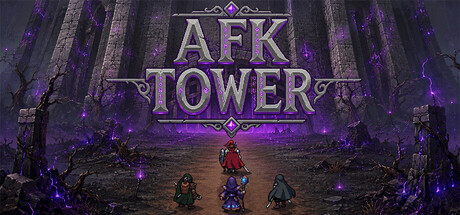
AFKTower contains AI-assisted content that was generated during development; no AI runs inside the game.
Art: most of the pixel art hero, enemy and boss sprites and their animations, weapon and armor art, skins, combat backgrounds, map scrolls, UI panels, rarity frames and icons was generated with PixelLab (pixellab.ai) from prompts and references, then handn selected, edited, recolored and assembled by the developer. The AFKTower logo was drawn without AI.
Music: the three soundtrack tracks were composed by the developer with Suno (paid plan with commercial license). Sound effects are synthesized procedurally by the game's own code, not by AI.
Text: the game and store texts were written in Spanish by the developer; the English localization and copy editing were done with the help of an AI language model (Claude, by Anthropic) and reviewed by humans.
Store screenshots are unedited captures of the game. Nothing is generated at runtime: the game contains no AI systems.
We used AI image-generation tools to help create some 2D art assets in the game, such as in-game banners, posters, and signage. All AI-assisted content was reviewed and edited by the developer.
Generative AI was used as an occasional development aid for some dialogue wording, localization, and marketing / store texts.
The game's story, characters, and game design were created by the developer.
AI-assisted dialogue is reviewed and edited by the developer, and AI-assisted translations are reviewed and edited by native speakers.
The game does not use AI-generated images, voices, music, or other AI-generated audiovisual assets.
This game’s store page key art, capsules, and marketing images were created with the assistance of generative AI tools. The game experience itself was developed independently.
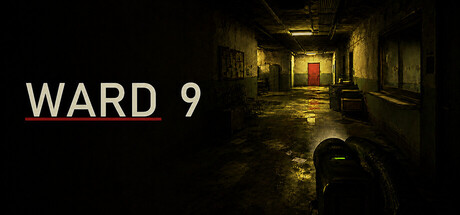
Ward 9 uses developer-curated generative AI tools during production for selected marketing/community artwork, narrative drafting support, and voice/audio asset creation. All AI-assisted content is reviewed, edited, and approved by the developer before inclusion. The game does not use live generative AI to create player-facing content during gameplay.
Pre-Generated Content
This demo includes pre-generated AI content:
- The background images used in the Store, Breeding, and Inventory screens.
- The shared background image used in the Collection and Tutorial screens.
- Wooden aquarium decorations.
- Snail aquarium decorations.
- Background music tracks generated with Suno AI. The developer holds a license for their use.
No AI-generated content is created during gameplay. Players cannot enter prompts or interact with AI systems.
Some of this game's assets were created with the assistance of generative AI and then curated, edited, and integrated by the developer. Art: two character portraits were generated with Midjourney (paid commercial plan); other artwork — card illustrations, backgrounds, and character art — was generated with a locally run image-generation pipeline. Audio: the music, ambience, and sound-effect clips were generated with ElevenLabs under a paid commercial plan. Some game text was written with AI assistance and reviewed by the developer. All AI output was human-reviewed before inclusion. No content is generated by AI at runtime.
Some sound effects and the in-game text localization were created with the help of AI tools during development. All AI-generated audio and translated text was reviewed and edited by a human before shipping. No AI-generated artwork, and no AI content is generated while the game is running.
Generative AI tools were only used to assist with writing some C# code scripts during development and to translate/draft the text descriptions for the Steam Store page. There are no AI-generated visual (art/UI) or audio assets included in the game.
We used a Gen AI powered tool to localize the following:
- (in some languages) In-game text
- (in some languages) Steam store descriptions
We plan to replace these with human translation and LQA when we can afford it.
Until then, we are using Gen AI temporarily.
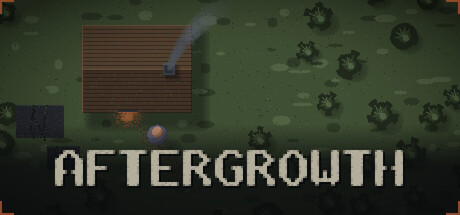
Aftergrowth's code was written with the help of an AI coding assistant, and some of the game's text — including parts of this store page — was first drafted with it and then edited by hand.
Nothing you see or hear is AI-generated. Every sprite, tile and icon is drawn by deterministic Python scripts rather than by an image model. The music is synthesised and the sound effects are CC0 recordings by Kenney, both credited in the game's CREDITS file. No generative AI runs while you play: nothing is generated live, and the game makes no request to any AI service.
We used Artificial Intelligence tools as an aid during development and in the creation of some game content. All AI-assisted material was personally reviewed and adjusted by our team, who were involved throughout every stage of the creative process.
Generative AI was used as an assistive tool for translating parts of the scenario and in-game text. All translated content has been thoroughly reviewed, refined, and proofread manually by the developer to ensure natural phrasing and quality.
I created this game solo, using generative AI as one of the tools.
It helped me write the code and also generated the ambient music and
some of the planet textures. Everything else was crafted by hand: the
interface, Fjord and the seals orbiting the Earth aren't drawn images —
they're rendered in code.
Nothing is generated while you play: the game runs fully offline.
And no, I didn't just sit around drinking coffee while the AI did the
work — though I certainly did consume an obscene amount of coffee.
Generative AI was used during development to create selected pre-generated store graphics, story illustrations, and in-game art. These assets were reviewed and edited before inclusion. The game does not generate AI content at runtime and does not send player input or personal data to AI services.
Generative AI was used to write, edit, and translate text on this Steam store page. It is not used during gameplay, and no AI-generated images, audio, or in-game assets are included.
Generative AI tools were used during development to assist with programming, debugging, optimization, gameplay design, and the review or translation of some written content. The game does not use live-generated AI and does not connect to an AI service during gameplay.
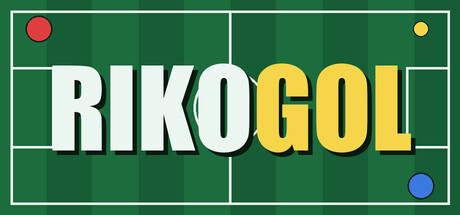
The written text for Rikogol — this store page, its marketing copy and the game's in-game text — was drafted with AI assistance. No generative AI model produced any of the game's visuals or audio: everything you see in a match is drawn at runtime by our own code from plain geometric shapes, every sound effect is synthesised procedurally in code, and the store artwork comes from a deterministic drawing script. The game generates no content while you play and connects to no AI service.
Generative AI tools were used during development to assist in creating and refining some pre-generated 2D artwork and Steam store marketing assets. All AI-assisted content was reviewed and edited by the development team. The game does not generate AI content during gameplay.
Some in-game text (such as the messages in bottles) and store page copy were written with the assistance of AI tools. All content has been reviewed and edited by the developer.
Character portrait artwork in the optional modern art mode was created using generative AI tools (ChatGPT) during development. All gameplay code, world design, systems, and the retro art mode are hand-made.
Generative AI was used as an auxiliary tool during development and to make minor edits and compositions to graphical assets, including logos. No generative AI is used to generate content dynamically during gameplay.
Generative AI tools were used during development to assist with creating and refining some 2D artwork, visual assets, and promotional images. All AI-assisted content is pre-generated, reviewed, and edited by the developer before inclusion. The game does not generate AI content during gameplay and does not send player data to generative AI services.
The 2D art in this game — character and enemy sprites, weapon and UI icons, visual effects, tilesets, the title screen, and the store artwork — was produced with the help of generative AI image tools. Every asset was then processed by hand for the game: sliced, colour-keyed, scaled with nearest-neighbour, and assembled into sprite sheets by the developer.
All audio is synthesised procedurally by the developer's own scripts — it is not AI generated. The game's code and design are written by the developer.
Nothing is generated by AI while you play. All content ships with the game and never changes.
Generative AI tools were used during development to assist in creating various game assets, including visual assets, UI elements, and some audio content. All AI-assisted content was reviewed, selected, and integrated by the developer as part of the game's overall creative direction. The game does not use generative AI to create content in real time during gameplay.
Generative AI tools were used during development to assist with some pre-generated visual assets, including selected pixel-art environments, characters, illustrations, icons, and promotional artwork. These assets are included with the game and are not generated live during gameplay. The game does not use a live AI service or send player data to an AI service. Shipped assets were reviewed, edited, and integrated by the development team.
Parts of the written text on this store page were drafted with the help of an AI assistant and then reviewed and edited by us before publishing.
No generative AI is used inside the game itself. The artwork, audio and video in Dubbed are made by us or performed by the players, and nothing is generated at runtime.
AFKTower contains AI-assisted content that was generated during development; no AI runs inside the game.
Art: most of the pixel art hero, enemy and boss sprites and their animations, weapon and armor art, skins, combat backgrounds, map scrolls, UI panels, rarity frames and icons was generated with PixelLab (pixellab.ai) from prompts and references, then handn selected, edited, recolored and assembled by the developer. The AFKTower logo was drawn without AI.
Music: the three soundtrack tracks were composed by the developer with Suno (paid plan with commercial license). Sound effects are synthesized procedurally by the game's own code, not by AI.
Text: the game and store texts were written in Spanish by the developer; the English localization and copy editing were done with the help of an AI language model (Claude, by Anthropic) and reviewed by humans.
Store screenshots are unedited captures of the game. Nothing is generated at runtime: the game contains no AI systems.
We used AI image-generation tools to help create some 2D art assets in the game, such as in-game banners, posters, and signage. All AI-assisted content was reviewed and edited by the developer.
Generative AI was used as an occasional development aid for some dialogue wording, localization, and marketing / store texts.
The game's story, characters, and game design were created by the developer.
AI-assisted dialogue is reviewed and edited by the developer, and AI-assisted translations are reviewed and edited by native speakers.
The game does not use AI-generated images, voices, music, or other AI-generated audiovisual assets.
This game’s store page key art, capsules, and marketing images were created with the assistance of generative AI tools. The game experience itself was developed independently.
Ward 9 uses developer-curated generative AI tools during production for selected marketing/community artwork, narrative drafting support, and voice/audio asset creation. All AI-assisted content is reviewed, edited, and approved by the developer before inclusion. The game does not use live generative AI to create player-facing content during gameplay.
Pre-Generated Content
This demo includes pre-generated AI content:
- The background images used in the Store, Breeding, and Inventory screens.
- The shared background image used in the Collection and Tutorial screens.
- Wooden aquarium decorations.
- Snail aquarium decorations.
- Background music tracks generated with Suno AI. The developer holds a license for their use.
No AI-generated content is created during gameplay. Players cannot enter prompts or interact with AI systems.
Some of this game's assets were created with the assistance of generative AI and then curated, edited, and integrated by the developer. Art: two character portraits were generated with Midjourney (paid commercial plan); other artwork — card illustrations, backgrounds, and character art — was generated with a locally run image-generation pipeline. Audio: the music, ambience, and sound-effect clips were generated with ElevenLabs under a paid commercial plan. Some game text was written with AI assistance and reviewed by the developer. All AI output was human-reviewed before inclusion. No content is generated by AI at runtime.
Some sound effects and the in-game text localization were created with the help of AI tools during development. All AI-generated audio and translated text was reviewed and edited by a human before shipping. No AI-generated artwork, and no AI content is generated while the game is running.
Generative AI tools were only used to assist with writing some C# code scripts during development and to translate/draft the text descriptions for the Steam Store page. There are no AI-generated visual (art/UI) or audio assets included in the game.
We used a Gen AI powered tool to localize the following:
- (in some languages) In-game text
- (in some languages) Steam store descriptions
We plan to replace these with human translation and LQA when we can afford it.
Until then, we are using Gen AI temporarily.
Aftergrowth's code was written with the help of an AI coding assistant, and some of the game's text — including parts of this store page — was first drafted with it and then edited by hand.
Nothing you see or hear is AI-generated. Every sprite, tile and icon is drawn by deterministic Python scripts rather than by an image model. The music is synthesised and the sound effects are CC0 recordings by Kenney, both credited in the game's CREDITS file. No generative AI runs while you play: nothing is generated live, and the game makes no request to any AI service.
We used Artificial Intelligence tools as an aid during development and in the creation of some game content. All AI-assisted material was personally reviewed and adjusted by our team, who were involved throughout every stage of the creative process.
Generative AI was used as an assistive tool for translating parts of the scenario and in-game text. All translated content has been thoroughly reviewed, refined, and proofread manually by the developer to ensure natural phrasing and quality.
I created this game solo, using generative AI as one of the tools.
It helped me write the code and also generated the ambient music and
some of the planet textures. Everything else was crafted by hand: the
interface, Fjord and the seals orbiting the Earth aren't drawn images —
they're rendered in code.
Nothing is generated while you play: the game runs fully offline.
And no, I didn't just sit around drinking coffee while the AI did the
work — though I certainly did consume an obscene amount of coffee.
Generative AI was used during development to create selected pre-generated store graphics, story illustrations, and in-game art. These assets were reviewed and edited before inclusion. The game does not generate AI content at runtime and does not send player input or personal data to AI services.
Generative AI was used to write, edit, and translate text on this Steam store page. It is not used during gameplay, and no AI-generated images, audio, or in-game assets are included.
Generative AI tools were used during development to assist with programming, debugging, optimization, gameplay design, and the review or translation of some written content. The game does not use live-generated AI and does not connect to an AI service during gameplay.
The written text for Rikogol — this store page, its marketing copy and the game's in-game text — was drafted with AI assistance. No generative AI model produced any of the game's visuals or audio: everything you see in a match is drawn at runtime by our own code from plain geometric shapes, every sound effect is synthesised procedurally in code, and the store artwork comes from a deterministic drawing script. The game generates no content while you play and connects to no AI service.