Public Steam disclosure research25,706 disclosures tracked
Where do games disclose AI use?
Search developers’ Steam disclosures, compare classified AI use across
games, and follow recorded changes.
This index adds cross-game classifications and statistics to
statements published on individual store pages.
Groups reflect automatic analysis of public disclosures; mature records are excluded. These counts do not measure AI use across all of Steam.
Missing or unclear statements cannot establish whether a game uses AI.
Generative AI tools assisted with some pre-generated player-facing text, localization, visual designs, and store and marketing content. All resulting material was reviewed and edited before inclusion. Random Mix does not use generative AI at runtime or connect to an AI service. Its music is generated locally through conventional procedural algorithms based on music-theory rules; no machine-learning model is involved.
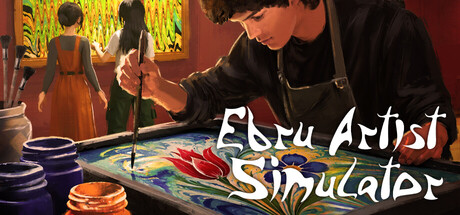
Ebru Artist Simulator uses generative AI-assisted artwork for a small number of textures and UI icons. AI is not used in any other aspect of the game, and we are currently working to replace these AI-assisted visuals before the full release.
Generative AI was used during development to assist with the creation of some visual assets, including concept exploration, initial image generation, and partial redraws. All such assets were reviewed, edited, integrated, and finalized by the developer.
The game does not use generative AI at runtime and does not generate any content live.
Generative AI was used to create some of the image and sound assets used in the game. These include character illustrations, card artwork, design elements, and some sound assets. All AI-generated content was reviewed and edited as necessary by the developer before being included in the game. The game does not generate AI content during gameplay and does not connect to external AI services.
We use generative AI tools in the following ways:
- In-game art: Loading screen images and some in-game UI artwork were
produced with the assistance of generative AI image tools, then reviewed
and edited by our art team before shipping.
- Localization: In-game text for supported languages other than English is
translated using machine translation (AI) tools.
- Store assets: Some store page images and marketing artwork are created
using generative AI image tools.
No AI content is generated live during gameplay. All AI-assisted content is
pre-generated and reviewed before release.
This game uses generative AI as part of its development process.
AI-assisted tools were used to help create and refine some visual assets, UI elements, icons, text drafts, and localization drafts. These materials were reviewed, edited, and integrated by the developer before being included in the game.
The game does not generate new AI content in real time during gameplay. All content shown to players is pre-made, reviewed, and included as part of the game build.
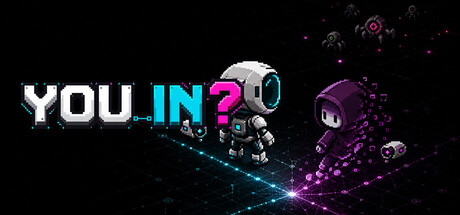
YOU IN? uses pre-generated instrumental music created with Suno for its title, stage, and boss tracks. Generative AI is also used to create promotional artwork for the Steam store page, including capsule artwork, and to assist with portions of the store-page and marketing text. All AI-assisted material is directed, selected, reviewed, and edited by the developer. The game does not generate AI content during gameplay or connect to external AI services.
a note on AI: this game is one bloke working very closely with AI tools. the store art and achievement icons are AI-generated images. the code, the procedural music, and the scripts that build the 3D models were written in hands-on AI-assisted sessions. everything is hand-curated - every asset, mechanic and line got reviewed, redone or binned by the developer, usually several times. the robot is never left to its own devices. nothing is generated by AI while you play.
The visual assets in the game are generated using AI, including UI elements, map backgrounds, equipment icons, in-game items, and character animations.
The programming code of the game is generated using AI.
Generative AI was used to create a small number of 3D models and art assets. All game code, design, and gameplay systems were created without the use of Generative AI.
Generative AI was used to create some of the graphical assets used on the Steam Store page and promotional materials. The game itself does not use generative AI during gameplay.
This game uses generative AI to create part of its visual content. Specifically, AI tools were used as part of the graphics workflow to generate concept and source material for sprites and artwork, which were then manually reworked, adjusted, and integrated into the final game using Affinity Designer.
Leveraged AIGC tools to assist with the creation of the Steam store page, marketing assets, promotional videos, in-game UI/GUI elements, visual assets, and parts of the frontend implementation.
Generative AI tools were used during development to assist with programming and implementation. The developer created the original game and codebase, with AI assistance used to modify and expand portions of the code, including implementation of the graphics and other visual/gameplay elements.
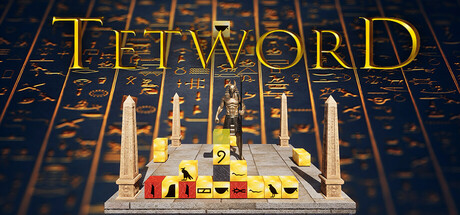
Some of the art assets in TETWORD were created with the help of generative AI tools. Certain textures and 2D artwork were produced using AI image-generation tools, and some 3D models were generated using Meshy AI. Generative AI assistants (ChatGPT and Claude) were also used during development. All AI-assisted assets were reviewed, edited, and curated by the developer before being included in the game. The game's design, code, gameplay, and word content were created by the developer.
Generative AI tools were used during development to assist with visual artwork and programming. All AI-assisted outputs were reviewed, edited, and integrated by the developer before inclusion in the game. No generative AI content is created during gameplay.
This game uses generative AI tools in parts of its production.
- Some 3D models: generated with AI tools as a base. Shape edits, UV unwrapping, texturing, rigging, animation and facial setup are done by the developer.
- Some image assets such as textures: generated with AI tools, then applied and adjusted by the developer.
- English text: machine-translated from the Japanese original and reviewed by the developer.
Game design, systems, and gameplay tuning are all done by the developer.
No AI was used to create the artwork, animation, or sound effects. All of it is made by human hands.
The game's English text is almost completely written by my hand. The other supported languages are partially AI-translated from my English source. Native-speaker review is ongoing, and corrected translations ship in updates.
The soundtrack is original music that I've written over the last 30 years. I used AI to produce the final compositions.
Generative AI was used during development to assist in creating some of the pre-generated visual assets. All such assets were manually selected, modified, and integrated by the developers. The game does not generate content in real-time during gameplay, nor does it connect to external AI services.
Generative AI tools were used to assist in creating certain pre-rendered 2D assets, including achievement icons. These assets are static, were manually reviewed and edited before inclusion, and do not involve any live generation during gameplay. The game does not send player information to generative AI services.
CardCrafter uses generative AI to create some of the content shipped with the game:
• Art: card illustrations, character and enemy portraits, icons, currencies and background scenes are created primarily with generative image models, then curated, post-processed and integrated by human.
• Audio: some sound effects and background music are created with generative AI tools.
• Text & localization: In-game text such as card descriptions is drafted with AI assistance and edited by hand; the Simplified Chinese and English localizations are machine-translated first, then human-proofread.
All of this content is pre-generated during development and baked into the game. The game does not generate any AI content at runtime, and never sends player input to an AI. Everything produced with AI is reviewed and selected by human before inclusion.
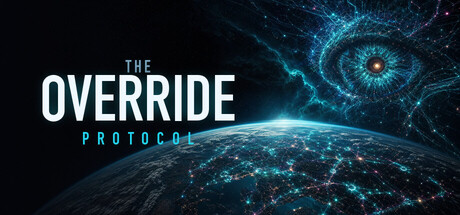
OVERRIDE ships some assets that were created with generative AI tools during development and are included pre-rendered in the game: part of the 2D artwork (store and library capsules, background images, and stylized fictional character portraits) and parts of the music/soundtrack. All game design, simulation, code, and in-game text are authored by the developer. The game does not generate any content live during play and does not connect to any external AI service.
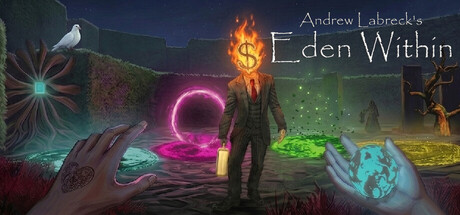
There are several AI generated models, and their textures. Which will likely continue to be the only AI use in the game, other than the use of AI for coding help. But this game is far from "vibe coded."
There is no AI generated text, and will never be. There are currently no AI generated sounds, there may be a few added depending on achievability without.
The text will always and forever be written by a human, me, Andrew Labreck. As the story is the driving factor for me making this entire game.
Likely, the music will continue to be human produced as well.
Generative AI was used to assist in creating some UI elements and sound effects. All AI-generated assets were reviewed and edited by the developer before being included in the game.
Generative AI was used for some of the game's 2D artwork and for localizing in-game and store text into 8 languages, all reviewed by the developer.No content is generated by AI while you play.
The game uses a wide variety of artificial intelligence products in the art creation process. Ranging from 3d model generation to 2D art, music and sound effects.
The character voices in this game were generated using artificial intelligence (AI). No character visuals, animations, or other game assets were generated using AI.
Generative AI tools were used during development to create some pre-generated 2D visual assets, including 102 high-value loot icons. The outputs were selected, manually cleaned, cropped, edited, and reviewed before inclusion in the game. No content is generated during gameplay, and the game makes no runtime connection to external generative-AI services.
All voices are Ai generated along with the soundtracks. They are however created under strict instructions and hours of testing to get them right. Ai assisted in creating models/props.
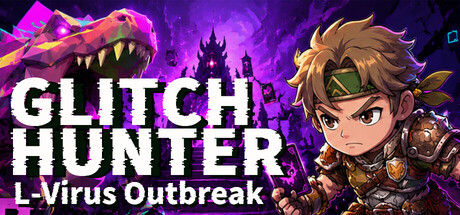
Hi! I’m a solo indie developer working on this game during my free time outside of daily life.
To bring this project to life with limited time and resources, I used AI tools to assist parts of the development process, such as brainstorming, early prototypes, draft writing, and iteration support.
However, the core game design, gameplay systems, story structure, balancing, and final implementation were all personally planned, edited, and integrated by me.
AI is a tool that helps me turn ideas into something playable—it does not replace the creative decisions behind this game.
I know people may have different opinions about AI, so I want to be transparent about it.
Thank you for playing and supporting my work.
I hope you enjoy exploring this broken, virus-corrupted world.
Generative AI tools were used during development to assist with pre-generated content. No generative AI content is created during gameplay, and the game does not connect to external AI services.
Art: AI image tools assisted with some 2D assets; all final art was produced by our artists based on original designs.
Localization: Core languages were translated by our team; additional languages use AI-assisted translation.
Generative AI tools assisted with some pre-generated player-facing text, localization, visual designs, and store and marketing content. All resulting material was reviewed and edited before inclusion. Random Mix does not use generative AI at runtime or connect to an AI service. Its music is generated locally through conventional procedural algorithms based on music-theory rules; no machine-learning model is involved.
Ebru Artist Simulator uses generative AI-assisted artwork for a small number of textures and UI icons. AI is not used in any other aspect of the game, and we are currently working to replace these AI-assisted visuals before the full release.
Generative AI was used during development to assist with the creation of some visual assets, including concept exploration, initial image generation, and partial redraws. All such assets were reviewed, edited, integrated, and finalized by the developer.
The game does not use generative AI at runtime and does not generate any content live.
Generative AI was used to create some of the image and sound assets used in the game. These include character illustrations, card artwork, design elements, and some sound assets. All AI-generated content was reviewed and edited as necessary by the developer before being included in the game. The game does not generate AI content during gameplay and does not connect to external AI services.
We use generative AI tools in the following ways:
- In-game art: Loading screen images and some in-game UI artwork were
produced with the assistance of generative AI image tools, then reviewed
and edited by our art team before shipping.
- Localization: In-game text for supported languages other than English is
translated using machine translation (AI) tools.
- Store assets: Some store page images and marketing artwork are created
using generative AI image tools.
No AI content is generated live during gameplay. All AI-assisted content is
pre-generated and reviewed before release.
This game uses generative AI as part of its development process.
AI-assisted tools were used to help create and refine some visual assets, UI elements, icons, text drafts, and localization drafts. These materials were reviewed, edited, and integrated by the developer before being included in the game.
The game does not generate new AI content in real time during gameplay. All content shown to players is pre-made, reviewed, and included as part of the game build.
YOU IN? uses pre-generated instrumental music created with Suno for its title, stage, and boss tracks. Generative AI is also used to create promotional artwork for the Steam store page, including capsule artwork, and to assist with portions of the store-page and marketing text. All AI-assisted material is directed, selected, reviewed, and edited by the developer. The game does not generate AI content during gameplay or connect to external AI services.
a note on AI: this game is one bloke working very closely with AI tools. the store art and achievement icons are AI-generated images. the code, the procedural music, and the scripts that build the 3D models were written in hands-on AI-assisted sessions. everything is hand-curated - every asset, mechanic and line got reviewed, redone or binned by the developer, usually several times. the robot is never left to its own devices. nothing is generated by AI while you play.
The visual assets in the game are generated using AI, including UI elements, map backgrounds, equipment icons, in-game items, and character animations.
The programming code of the game is generated using AI.
Generative AI was used to create a small number of 3D models and art assets. All game code, design, and gameplay systems were created without the use of Generative AI.
Generative AI was used to create some of the graphical assets used on the Steam Store page and promotional materials. The game itself does not use generative AI during gameplay.
This game uses generative AI to create part of its visual content. Specifically, AI tools were used as part of the graphics workflow to generate concept and source material for sprites and artwork, which were then manually reworked, adjusted, and integrated into the final game using Affinity Designer.
Leveraged AIGC tools to assist with the creation of the Steam store page, marketing assets, promotional videos, in-game UI/GUI elements, visual assets, and parts of the frontend implementation.
Generative AI tools were used during development to assist with programming and implementation. The developer created the original game and codebase, with AI assistance used to modify and expand portions of the code, including implementation of the graphics and other visual/gameplay elements.
Some of the art assets in TETWORD were created with the help of generative AI tools. Certain textures and 2D artwork were produced using AI image-generation tools, and some 3D models were generated using Meshy AI. Generative AI assistants (ChatGPT and Claude) were also used during development. All AI-assisted assets were reviewed, edited, and curated by the developer before being included in the game. The game's design, code, gameplay, and word content were created by the developer.
Generative AI tools were used during development to assist with visual artwork and programming. All AI-assisted outputs were reviewed, edited, and integrated by the developer before inclusion in the game. No generative AI content is created during gameplay.
This game uses generative AI tools in parts of its production.
- Some 3D models: generated with AI tools as a base. Shape edits, UV unwrapping, texturing, rigging, animation and facial setup are done by the developer.
- Some image assets such as textures: generated with AI tools, then applied and adjusted by the developer.
- English text: machine-translated from the Japanese original and reviewed by the developer.
Game design, systems, and gameplay tuning are all done by the developer.
No AI was used to create the artwork, animation, or sound effects. All of it is made by human hands.
The game's English text is almost completely written by my hand. The other supported languages are partially AI-translated from my English source. Native-speaker review is ongoing, and corrected translations ship in updates.
The soundtrack is original music that I've written over the last 30 years. I used AI to produce the final compositions.
Generative AI was used during development to assist in creating some of the pre-generated visual assets. All such assets were manually selected, modified, and integrated by the developers. The game does not generate content in real-time during gameplay, nor does it connect to external AI services.
Generative AI tools were used to assist in creating certain pre-rendered 2D assets, including achievement icons. These assets are static, were manually reviewed and edited before inclusion, and do not involve any live generation during gameplay. The game does not send player information to generative AI services.
CardCrafter uses generative AI to create some of the content shipped with the game:
• Art: card illustrations, character and enemy portraits, icons, currencies and background scenes are created primarily with generative image models, then curated, post-processed and integrated by human.
• Audio: some sound effects and background music are created with generative AI tools.
• Text & localization: In-game text such as card descriptions is drafted with AI assistance and edited by hand; the Simplified Chinese and English localizations are machine-translated first, then human-proofread.
All of this content is pre-generated during development and baked into the game. The game does not generate any AI content at runtime, and never sends player input to an AI. Everything produced with AI is reviewed and selected by human before inclusion.
OVERRIDE ships some assets that were created with generative AI tools during development and are included pre-rendered in the game: part of the 2D artwork (store and library capsules, background images, and stylized fictional character portraits) and parts of the music/soundtrack. All game design, simulation, code, and in-game text are authored by the developer. The game does not generate any content live during play and does not connect to any external AI service.
There are several AI generated models, and their textures. Which will likely continue to be the only AI use in the game, other than the use of AI for coding help. But this game is far from "vibe coded."
There is no AI generated text, and will never be. There are currently no AI generated sounds, there may be a few added depending on achievability without.
The text will always and forever be written by a human, me, Andrew Labreck. As the story is the driving factor for me making this entire game.
Likely, the music will continue to be human produced as well.
Generative AI was used to assist in creating some UI elements and sound effects. All AI-generated assets were reviewed and edited by the developer before being included in the game.
Generative AI was used for some of the game's 2D artwork and for localizing in-game and store text into 8 languages, all reviewed by the developer.No content is generated by AI while you play.
The game uses a wide variety of artificial intelligence products in the art creation process. Ranging from 3d model generation to 2D art, music and sound effects.
The character voices in this game were generated using artificial intelligence (AI). No character visuals, animations, or other game assets were generated using AI.
Generative AI tools were used during development to create some pre-generated 2D visual assets, including 102 high-value loot icons. The outputs were selected, manually cleaned, cropped, edited, and reviewed before inclusion in the game. No content is generated during gameplay, and the game makes no runtime connection to external generative-AI services.
All voices are Ai generated along with the soundtracks. They are however created under strict instructions and hours of testing to get them right. Ai assisted in creating models/props.
Hi! I’m a solo indie developer working on this game during my free time outside of daily life.
To bring this project to life with limited time and resources, I used AI tools to assist parts of the development process, such as brainstorming, early prototypes, draft writing, and iteration support.
However, the core game design, gameplay systems, story structure, balancing, and final implementation were all personally planned, edited, and integrated by me.
AI is a tool that helps me turn ideas into something playable—it does not replace the creative decisions behind this game.
I know people may have different opinions about AI, so I want to be transparent about it.
Thank you for playing and supporting my work.
I hope you enjoy exploring this broken, virus-corrupted world.
Generative AI tools were used during development to assist with pre-generated content. No generative AI content is created during gameplay, and the game does not connect to external AI services.
Art: AI image tools assisted with some 2D assets; all final art was produced by our artists based on original designs.
Localization: Core languages were translated by our team; additional languages use AI-assisted translation.