
Disclosure
Generative AI was used to create a small portion of the game’s artwork.
- Creator
- DaiFire
- Reviews
- -
- Added
- Aug 20, 2026
Public Steam disclosure research 25,706 disclosures tracked
Search developers’ Steam disclosures, compare classified AI use across games, and follow recorded changes. This index adds cross-game classifications and statistics to statements published on individual store pages.
Code help, debugging and other development work.
Capsule art, trailers and promotional material.
Pre-made art, audio, writing and other game assets.
Interactive or runtime AI features disclosed by the developer.
Groups reflect automatic analysis of public disclosures; mature records are excluded. These counts do not measure AI use across all of Steam. Missing or unclear statements cannot establish whether a game uses AI.
Generative AI was used to create a small portion of the game’s artwork.
Some images and sound effects were created or assisted by generative AI and were reviewed, edited, and integrated into the game by the developer. No real-time generative AI is used during gameplay.
Some of this game's assets were made with the assistance of generative AI tools and were reviewed, curated and hand-finished by the developer. No content is generated while you play.
Generative AI tools were used during the development of Only Up: 2D Platformer to create and assist with certain game content. This includes portions of the game's code, some visual assets, the soundtrack, and additional localization content.
The visual assets in SoulTamer — 3D models, textures, icons, and effects — were produced during development by procedural generation scripts (Blender/Python) authored with AI assistance. Monster names, in-game text, the English localization, and this store page were also written with AI assistance, then reviewed and adjusted by the developer. No AI runs while you play. All content is generated ahead of time and ships as fixed assets.
游戏使用AI辅助制作部分美术资产
Generative AI tools were used during development to help create and refine pre generated visual assets, text and localization, and code. All AI-assisted material included in the game was reviewed and integrated by the developer, with further editing where needed. The game does not use live generative AI and does not generate content during gameplay.
Some visual assets were AI‑assisted, but all final in‑game art was fully artist‑redesigned, and certain marketing materials used limited AI support.
Generative AI was used near the end of the development process to make the colored fur on the wolves seen in the cinematic video and also used side by side with the developer to create a simple but clean UI (user interface).
Generative AI tools were used during development to assist with portions of the game’s code, environmental design, visual assets, and promotional artwork. All AI-assisted content was reviewed, edited, and integrated by the developer. Splatastrophe does not generate AI content during gameplay and does not send player data to generative AI services.
AI-assisted coding was used in the development of Xenovector, including systems responsible for procedural environments, visual effects and dynamically assembled in-game scenery. AI-generated or AI-assisted artwork was also used for in-game backgrounds and graphical elements, in addition to promotional/store assets.
Soundtracks created with AI.
Development of Wandering Bard used generative AI tools to assist with some pre-generated character portraits, environment and store artwork, narrative and dialogue text, fixed character voice recordings, and instrumental music. All of this content was generated before release, then reviewed, selected, edited and integrated by the developer. The game does not generate content during play and does not connect to external AI services during play.
Some elements of this game were created using generative AI tools: part of the visual assets (including the logo), the music, and part of the translations. No generative AI is used during gameplay.
Some of the artwork in this game was created with the help of generative AI (Google Gemini). All AI-generated assets are pre-rendered and shipped with the game; no content is generated in real time during gameplay.
Generative AI tools were used during development to create the game's visual art assets, including character images and animation/video assets. All AI-assisted content is pre-generated before release and included in the game. The game does not use generative AI to create content during gameplay.
Some of the 2D images in SplatStick were created with the help of generative AI tools and then edited by hand. Parts of the source code and the in-game interface text were written with the help of an AI coding assistant. Everything else is made by people: sound effects, particle effects and fonts come from licensed third-party asset packs. The game does not use generative AI while you play. Nothing is generated at runtime.
Some of this game's assets were made with the assistance of generative AI tools and were reviewed, curated and hand-finished by the developer. No content is generated while you play.
Generative AI tools were used during development to assist with selected pre-generated visual assets, promotional and store-page materials, and localization/text. All AI-assisted content was reviewed, edited, curated, and approved by the developer before inclusion. No generative AI is used during gameplay, and the game does not connect to external AI services while running.
The loading screen and in game titles were generated via AI
Some of this game's assets were made with the assistance of generative AI tools and were reviewed, curated and hand-finished by the developer. No content is generated while you play.
Some in game and promotional visual assets were created using generative AI and then edited and integrated into FrogPop. No content is generated by AI during gameplay.
Selected visual assets and music tracks were created using generative AI tools as part of the production process. All AI-generated material was reviewed, curated, and integrated by the developer to ensure consistency with the game’s creative direction. No AI-generated content is produced during gameplay.
During development, Ember Kingdom used generative AI to assist in creating some pre-generated game art assets, including backgrounds, UI icons, character and monster images, visual effects, and branding artwork. All assets were manually reviewed, edited, and integrated before being added to the game, and are included with the game as fixed files. The game does not connect to any generative AI services during gameplay, nor does it generate text, images, sound effects, characters, or other content in real time based on player input. All journeys, events, and combat outcomes in the game are determined by pre-designed data and game rules.
本游戏部分美术资源(角色立绘、场景背景、商店页面素材等)由生成式 AI 工具辅助创作,全部素材经开发者人工筛选、修改与整合。游戏运行时不包含实时生成的 AI 内容。
The background art, character art, and music in this game were created with the assistance of generative AI tools. The story and narrative text were written by humans.
This game’s art, music, and localization were created with the assistance of generative AI during production. All related content was pre-generated during development, then selected and integrated by the developer. No generative AI services are called during gameplay, and no AI content is generated in real time.
Background artwork and enemy character art in this game were created with the assistance of AI image-generation tools, then curated and refined by the developer. All AI-assisted content is pre-rendered during development — nothing is generated live during gameplay. Story, dialogue, and game design are entirely human-authored.
部分美術採用AI輔助製作
Draftfall uses pre-generated generative AI content created during development. Most 2D visual assets—including character artwork, sprites, backgrounds, card illustrations and story panels—were created with AI assistance, along with portions of the narrative and gameplay text. All content was reviewed, edited and integrated by the developer. Draftfall does not generate AI content during gameplay or connect to generative AI services while running.
Generative AI is used for localization in some languages.
Our visual development workflow uses generative AI to create parts of graphical elements and textures. Every AI-assisted visual asset is reviewed, edited and polished by our team to maintain a consistent visual standard across the game.
Generative AI tools were used during development to assist with programming, localization, and the creation and editing of some promotional artwork. AI-assisted content was reviewed and adjusted by the developer. The game does not generate content during gameplay.
In our project, AI was used to partially create art assets, helping our artists bring some ideas to life.
Some of the game's background music was created using generative AI tools. Parts of the game's localization (text translations) were also produced with AI assistance and reviewed by the team. All other content — game design, artwork, and core systems — was created without generative AI.
Generative AI tools were used during development to assist with concept exploration and some fixed, pre-generated visual assets. All outputs were reviewed, edited, curated, and integrated by the developer. The game does not generate AI content at runtime, and players cannot prompt or create AI-generated content.
Some content was created with the assistance of generative AI tools: 2D store and marketing art (library capsule and library hero), the game's localization into non-English languages, and portions of in-game flavour text. All localization was reviewed before shipping. All in-game visuals are generated procedurally at runtime from code, all sound effects are synthesised at runtime, and all music is human-composed and licensed under CC BY 4.0. The game performs no AI generation at runtime and connects to no external AI service.
Only 1 2D sprite in the game is AI generated
This game uses AI-assisted tools during development, limited exclusively to programming assistance, assistance with the creation of certain UI assets, and multilingual translation assistance. AI-generated output is not integrated directly into the game. All content is manually reviewed, edited, integrated, proofread, and tested by the development team before use. AI is not used to create characters, character illustrations, character-related artwork, animations, music, sound effects, narrative, or other core creative content. The game does not generate content in real time while running, nor does it connect to external AI services to provide generative features to players.
Some art, icons, music, sound effects, and marketing or store assets were created or assisted with generative AI tools during development, then reviewed and curated by the team. The game does not generate new AI content in real time during gameplay and does not connect to external AI services while you play.
Some pre-generated game assets, artwork and translations were created or assisted using generative AI. All AI-generated content has been reviewed, edited and integrated by the developer. QuizForge does not use generative AI to create live in-game content during gameplay.
Generative AI was used during the development of Between Jobs to assist in creating 2D graphical assets. This includes static background art, environmental textures, and store page graphics. No AI content is live-generated while playing the game.
All gameplay content is deterministic, hand-authored code with no AI generation at runtime. AI-assisted development tooling was used during production, including AI-assisted authoring of the code that renders the store artwork and achievement icons. No generative-AI images, audio, or text are shipped as game assets, and the game never connects to AI services.
AI has been widely used on localization to speed up the process.
Some of this game's assets were produced with the help of generative AI tools: the 2D key art and cinematic stills used in the trailer, capsule art and main menu; the base meshes for the twelve zodiac fighters, generated with Meshy and then rigged, retextured and reworked by hand; and part of the music and sound effects. Every AI-generated asset was reviewed, edited and integrated manually before shipping. No generative AI runs at runtime — nothing is generated while you play.
Generative AI tools were used during development to create background music with Suno, application and shortcut icon artwork, and Steam store and library artwork. They were also used to assist with programming and player-facing text, including Steam store descriptions and localization. All included AI-assisted outputs were reviewed and approved by the developer before inclusion. The game does not use live-generated AI.
SUPERBOLT is built almost entirely from code: the lightning, the effects, the interface and the audio are generated by the game as it runs. Generative AI was used during production to help prepare some supporting artwork — background layers and achievement icons — and to draft some of the written text. Nothing is generated by AI while you play, and the game connects to no AI service.
Some of the visuals on our store page and some of the 2D illustrations in our game were created with the help of AI-powered tools.
Portions of the game's written content (event texts, character letters, narrative descriptions) and the English localization were created with the assistance of generative AI tools, under the developer's direction, with human review and editing of all content. Some artwork was created with AI image tools and manually edited. No content is generated by AI at runtime.
LIMP MODE is made by a solo developer who uses generative AI as a tool during production. Where AI was used: the game's code, the cover artwork that all store page capsule images are built from, the songs played on the in-game radio, the spoken lines of one story character (text-to-speech), parts of the in-game visual and audio assets, and the drafting of the English store page and marketing texts. The player character's voice lines are recorded by the developer himself and are not AI-generated. All game design, mechanics, balancing and creative direction come from the developer. Every AI-assisted result was reviewed and edited by the developer before it shipped. The game does not generate any content while it is running and does not connect to any AI service during gameplay.
| Title⇅ | Disclosure | Creator⇅ | Src | Reviews⇅ | Added↓ |
|---|---|---|---|---|---|
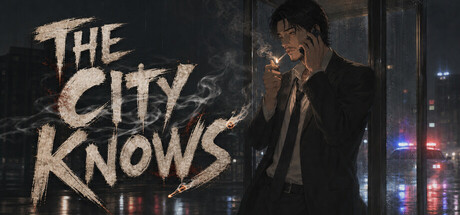 The City Knows In-game content art | Generative AI was used to create a small portion of the game’s artwork. | DaiFire | - | Aug 20, 2026 | |
 Black Market INC. In-game content artaudio | Some images and sound effects were created or assisted by generative AI and were reviewed, edited, and integrated into the game by the developer. No real-time generative AI is used during gameplay. | Pixellow Official | - | Aug 20, 2026 | |
 Neon Cruisers In-game content art | Some of this game's assets were made with the assistance of generative AI tools and were reviewed, curated and hand-finished by the developer. No content is generated while you play. | Meridian Studios | - | Aug 20, 2026 | |
 Only Up: 2D Platformer In-game content artaudiocodetext | Generative AI tools were used during the development of Only Up: 2D Platformer to create and assist with certain game content. This includes portions of the game's code, some visual assets, the soundtrack, and additional localization content. | Scythé Games | - | Aug 20, 2026 | |
 Soul Tamer In-game content arttext | The visual assets in SoulTamer — 3D models, textures, icons, and effects — were produced
during development by procedural generation scripts (Blender/Python) authored with AI
assistance. Monster names, in-game text, the English localization, and this store page were
also written with AI assistance, then reviewed and adjusted by the developer.
No AI runs while you play. All content is generated ahead of time and ships as fixed assets. | たこる | - | Aug 20, 2026 | |
 文字避难所 In-game content art | 游戏使用AI辅助制作部分美术资产 | 齿轮游戏 | - | Aug 20, 2026 | |
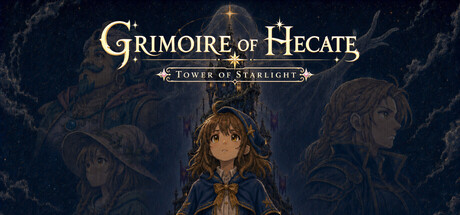 Grimoire of Hecate : Tower of Starlight In-game content arttextcode | Generative AI tools were used during development to help create and refine pre generated visual assets, text and localization, and code. All AI-assisted material included in the game was reviewed and integrated by the developer, with further editing where needed. The game does not use live generative AI and does not generate content during gameplay. | Blablah Games | - | Aug 20, 2026 | |
 Throne & Conquest: King Arthur In-game content art | Some visual assets were AI‑assisted, but all final in‑game art was fully artist‑redesigned, and certain marketing materials used limited AI support. | Last Man Smiling | - | Aug 20, 2026 | |
 Poggers' Revenge! In-game content art | Generative AI was used near the end of the development process to make the colored fur on the wolves seen in the cinematic video and also used side by side with the developer to create a simple but clean UI (user interface). | ZaxtorGameS | - | Aug 20, 2026 | |
 Splatastrophe In-game content artcode | Generative AI tools were used during development to assist with portions of the game’s code, environmental design, visual assets, and promotional artwork. All AI-assisted content was reviewed, edited, and integrated by the developer. Splatastrophe does not generate AI content during gameplay and does not send player data to generative AI services. | abdulraheem96 | - | Aug 20, 2026 | |
 XenoVector In-game content artcode | AI-assisted coding was used in the development of Xenovector, including systems responsible for procedural environments, visual effects and dynamically assembled in-game scenery.
AI-generated or AI-assisted artwork was also used for in-game backgrounds and graphical elements, in addition to promotional/store assets. | Sigilo.dev | - | Aug 20, 2026 | |
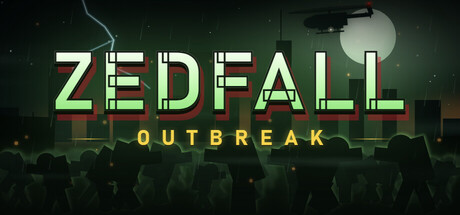 ZedFall: Outbreak In-game content audio | Soundtracks created with AI. | CaptainJaySolo | - | Aug 20, 2026 | |
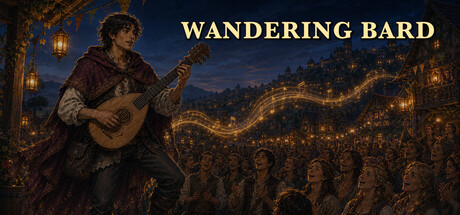 Wandering Bard In-game content arttextaudio | Development of Wandering Bard used generative AI tools to assist with some pre-generated character portraits, environment and store artwork, narrative and dialogue text, fixed character voice recordings, and instrumental music. All of this content was generated before release, then reviewed, selected, edited and integrated by the developer. The game does not generate content during play and does not connect to external AI services during play. | Fossil Studios | - | Aug 20, 2026 | |
 Dodgeon In-game content artaudiotext | Some elements of this game were created using generative AI tools: part of the visual assets (including the logo), the music, and part of the translations. No generative AI is used during gameplay. | Ludikatt | - | Aug 20, 2026 | |
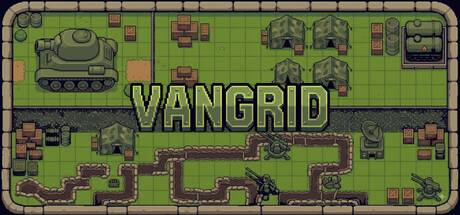 Vangrid In-game content art | Some of the artwork in this game was created with the help of generative AI (Google Gemini). All AI-generated assets are pre-rendered and shipped with the game; no content is generated in real time during gameplay. | Vangrid | - | Aug 20, 2026 | |
 Desktop Muze In-game content art | Generative AI tools were used during development to create the game's visual art assets, including character images and animation/video assets. All AI-assisted content is pre-generated before release and included in the game. The game does not use generative AI to create content during gameplay. | The Platypus | - | Aug 20, 2026 | |
 SplatStick In-game content arttextcode | Some of the 2D images in SplatStick were created with the help of generative AI tools and then edited by hand. Parts of the source code and the in-game interface text were written with the help of an AI coding assistant.
Everything else is made by people: sound effects, particle effects and fonts come from licensed third-party asset packs.
The game does not use generative AI while you play. Nothing is generated at runtime. | Ramil Nasrullaev | - | Aug 20, 2026 | |
 Windward Isles In-game content artaudiotextcode | Some of this game's assets were made with the assistance of generative AI tools and were reviewed, curated and hand-finished by the developer. No content is generated while you play. | Meridian Studios | - | Aug 20, 2026 | |
 Isekai: Demon King In-game content arttext | Generative AI tools were used during development to assist with selected pre-generated visual assets, promotional and store-page materials, and localization/text. All AI-assisted content was reviewed, edited, curated, and approved by the developer before inclusion. No generative AI is used during gameplay, and the game does not connect to external AI services while running. | Jose Alonso Ugaz Diaz | - | Aug 20, 2026 | |
 Alien Hordes In-game content text | The loading screen and in game titles were generated via AI | Dave Thomas | - | Aug 20, 2026 | |
 Paper Trail In-game content art | Some of this game's assets were made with the assistance of generative AI tools and were reviewed, curated and hand-finished by the developer. No content is generated while you play. | Meridian Studios | - | Aug 20, 2026 | |
 FrogPop In-game content art | Some in game and promotional visual assets were created using generative AI and then edited and integrated into FrogPop. No content is generated by AI during gameplay. | Bdog | - | Aug 20, 2026 | |
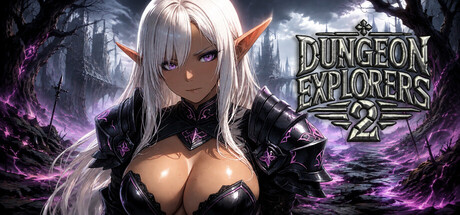 Dungeon Explorers 2 In-game content artaudio | Selected visual assets and music tracks were created using generative AI tools as part of the production process. All AI-generated material was reviewed, curated, and integrated by the developer to ensure consistency with the game’s creative direction. No AI-generated content is produced during gameplay. | C.M.Cas Games | - | Aug 20, 2026 | |
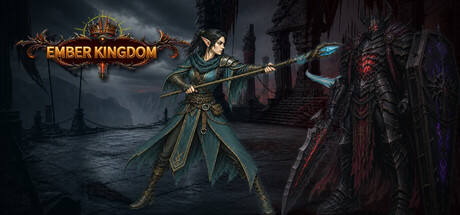 Ember Kingdom In-game content art | During development, Ember Kingdom used generative AI to assist in creating some pre-generated game art assets, including backgrounds, UI icons, character and monster images, visual effects, and branding artwork. All assets were manually reviewed, edited, and integrated before being added to the game, and are included with the game as fixed files.
The game does not connect to any generative AI services during gameplay, nor does it generate text, images, sound effects, characters, or other content in real time based on player input. All journeys, events, and combat outcomes in the game are determined by pre-designed data and game rules. | Pick Huang | - | Aug 20, 2026 | |
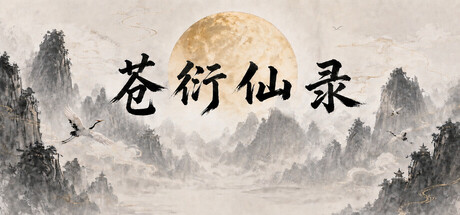 Cangyan Xianlu In-game content art | 本游戏部分美术资源(角色立绘、场景背景、商店页面素材等)由生成式 AI 工具辅助创作,全部素材经开发者人工筛选、修改与整合。游戏运行时不包含实时生成的 AI 内容。 | 云籽工作室 | - | Aug 20, 2026 | |
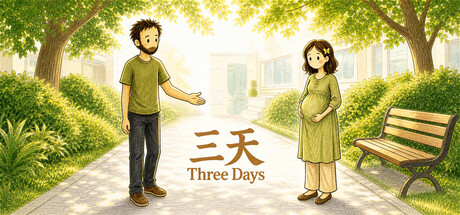 三天 Three Days In-game content artaudiotext | The background art, character art, and music in this game were created with the assistance of generative AI tools. The story and narrative text were written by humans. | FAN | - | Aug 20, 2026 | |
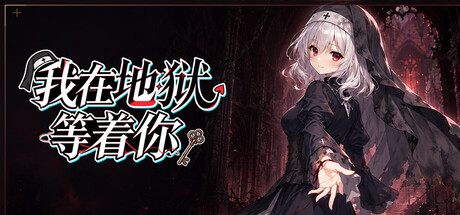 我在地狱等着你 In-game content artaudiotext | This game’s art, music, and localization were created with the assistance of generative AI during production. All related content was pre-generated during development, then selected and integrated by the developer. No generative AI services are called during gameplay, and no AI content is generated in real time. | 从从从从从心丶 | - | Aug 20, 2026 | |
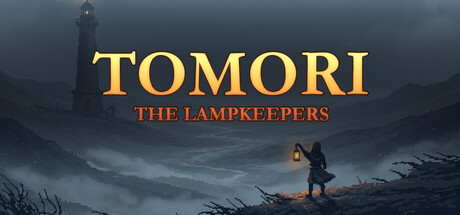 灯守 In-game content art | Background artwork and enemy character art in this game were created with the assistance of AI image-generation tools, then curated and refined by the developer. All AI-assisted content is pre-rendered during development — nothing is generated live during gameplay. Story, dialogue, and game design are entirely human-authored. | Uesho Co., Ltd. | - | Aug 20, 2026 | |
 Still working? In-game content art | 部分美術採用AI輔助製作 | Flyingcowclub | - | Aug 20, 2026 | |
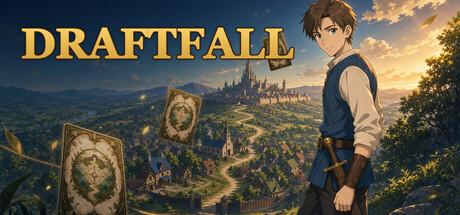 Draftfall In-game content arttext | Draftfall uses pre-generated generative AI content created during development. Most 2D visual assets—including character artwork, sprites, backgrounds, card illustrations and story panels—were created with AI assistance, along with portions of the narrative and gameplay text. All content was reviewed, edited and integrated by the developer. Draftfall does not generate AI content during gameplay or connect to generative AI services while running. | JJ Battlelokit | - | Aug 20, 2026 | |
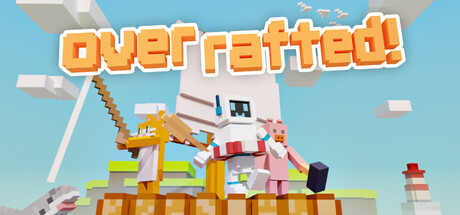 Overrafted! In-game content text | Generative AI is used for localization in some languages. | Studio Rivi | - | Aug 20, 2026 | |
 BUNNYBALL: Arcade Basketball Roguelike In-game content art | Our visual development workflow uses generative AI to create parts of graphical elements and textures. Every AI-assisted visual asset is reviewed, edited and polished by our team to maintain a consistent visual standard across the game. | SuperSloth Games | - | Aug 20, 2026 | |
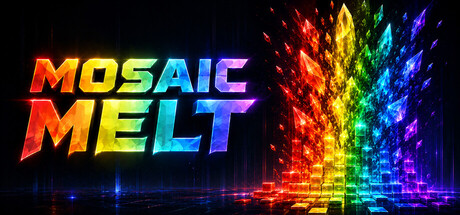 Mosaic Melt In-game content codetextart | Generative AI tools were used during development to assist with programming, localization, and the creation and editing of some promotional artwork. AI-assisted content was reviewed and adjusted by the developer. The game does not generate content during gameplay. | Parallel Cat Games | - | Aug 20, 2026 | |
 Criminal Archives: Symphony of Death Collector's Edition In-game content art | In our project, AI was used to partially create art assets, helping our artists bring some ideas to life. | DominiGames | - | Aug 20, 2026 | |
 Money Wars : Modern Ages In-game content audiotext | Some of the game's background music was created using generative AI tools. Parts of the game's localization (text translations) were also produced with AI assistance and reviewed by the team. All other content — game design, artwork, and core systems — was created without generative AI. | EarthQuick | - | Aug 20, 2026 | |
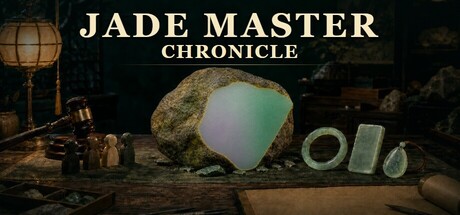 Jade Master: Chronicle In-game content art | Generative AI tools were used during development to assist with concept exploration and some fixed, pre-generated visual assets. All outputs were reviewed, edited, curated, and integrated by the developer. The game does not generate AI content at runtime, and players cannot prompt or create AI-generated content. | Fine Games | - | Aug 20, 2026 | |
 Leeway In-game content arttext | Some content was created with the assistance of generative AI tools: 2D store and
marketing art (library capsule and library hero), the game's localization into
non-English languages, and portions of in-game flavour text. All localization was
reviewed before shipping. All in-game visuals are generated procedurally at runtime
from code, all sound effects are synthesised at runtime, and all music is
human-composed and licensed under CC BY 4.0. The game performs no AI generation at
runtime and connects to no external AI service. | Singularity Reach Studios | - | Aug 20, 2026 | |
 81 Days And Nights In-game content art | Only 1 2D sprite in the game is AI generated | AnomalyVN Studio | - | Aug 20, 2026 | |
 HoloCozy In-game content codearttext | This game uses AI-assisted tools during development, limited exclusively to programming assistance, assistance with the creation of certain UI assets, and multilingual translation assistance. AI-generated output is not integrated directly into the game. All content is manually reviewed, edited, integrated, proofread, and tested by the development team before use.
AI is not used to create characters, character illustrations, character-related artwork, animations, music, sound effects, narrative, or other core creative content. The game does not generate content in real time while running, nor does it connect to external AI services to provide generative features to players. | Ninth Games | - | Aug 20, 2026 | |
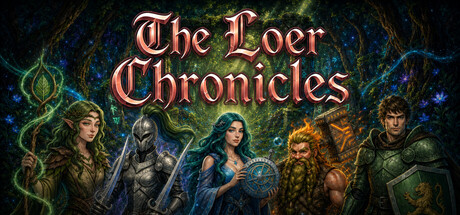 The Loer Chronicles In-game content artaudio | Some art, icons, music, sound effects, and marketing or store assets were created or assisted with generative AI tools during development, then reviewed and curated by the team. The game does not generate new AI content in real time during gameplay and does not connect to external AI services while you play. | Rainlight Studio | - | Aug 20, 2026 | |
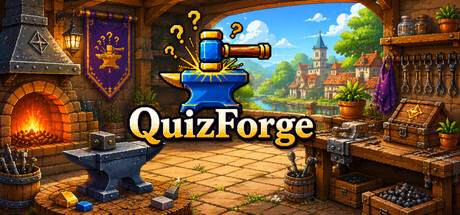 QuizForge In-game content arttext | Some pre-generated game assets, artwork and translations were created or assisted using generative AI. All AI-generated content has been reviewed, edited and integrated by the developer. QuizForge does not use generative AI to create live in-game content during gameplay. | Howling Wolf Games | - | Aug 20, 2026 | |
 Between Jobs : Fixer Sim In-game content art | Generative AI was used during the development of Between Jobs to assist in creating 2D graphical assets. This includes static background art, environmental textures, and store page graphics. No AI content is live-generated while playing the game. | YRSD Games | - | Aug 20, 2026 | |
 Pencil Pursuit In-game content codeart | All gameplay content is deterministic, hand-authored code with no AI generation at runtime. AI-assisted development tooling was used during production, including AI-assisted authoring of the code that renders the store artwork and achievement icons. No generative-AI images, audio, or text are shipped as game assets, and the game never connects to AI services. | Terrace Vale Gaming | - | Aug 20, 2026 | |
 PAWN SHIFT In-game content text | AI has been widely used on localization to speed up the process. | Two-Man Shift | - | Aug 20, 2026 | |
 Enter the Cube In-game content artaudio | Some of this game's assets were produced with the help of generative AI tools: the 2D key art and cinematic stills used in the trailer, capsule art and main menu; the base meshes for the twelve zodiac fighters, generated with Meshy and then rigged, retextured and reworked by hand; and part of the music and sound effects. Every AI-generated asset was reviewed, edited and integrated manually before shipping. No generative AI runs at runtime — nothing is generated while you play. | JACKZ STUDIO | - | Aug 20, 2026 | |
 BRINKSTACK In-game content audioarttext | Generative AI tools were used during development to create background music with Suno, application and shortcut icon artwork, and Steam store and library artwork. They were also used to assist with programming and player-facing text, including Steam store descriptions and localization. All included AI-assisted outputs were reviewed and approved by the developer before inclusion. The game does not use live-generated AI. | Palm Tree Studio | - | Aug 20, 2026 | |
 SUPERBOLT In-game content arttext | SUPERBOLT is built almost entirely from code: the lightning, the effects, the interface and the audio are generated by the game as it runs. Generative AI was used during production to help prepare some supporting artwork — background layers and achievement icons — and to draft some of the written text. Nothing is generated by AI while you play, and the game connects to no AI service. | Skollheim | - | Aug 20, 2026 | |
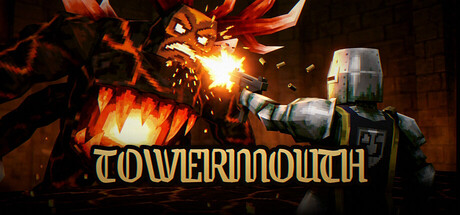 TowerMouth I In-game content art | Some of the visuals on our store page and some of the 2D illustrations in our game were created with the help of AI-powered tools. | GeekZoneCouch | - | Aug 20, 2026 | |
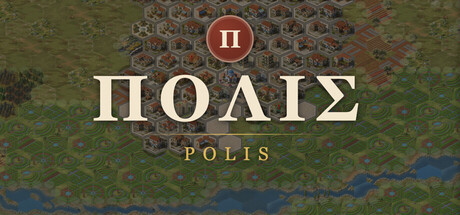 POLIS In-game content textart | Portions of the game's written content (event texts, character letters, narrative descriptions) and the English localization were created with the assistance of generative AI tools, under the developer's direction, with human review and editing of all content. Some artwork was created with AI image tools and manually edited. No content is generated by AI at runtime. | Afterwork Studio | - | Aug 20, 2026 | |
 LIMP MODE In-game content artaudiotextcode | LIMP MODE is made by a solo developer who uses generative AI as a tool during production.
Where AI was used: the game's code, the cover artwork that all store page capsule images are built from, the songs played on the in-game radio, the spoken lines of one story character (text-to-speech), parts of the in-game visual and audio assets, and the drafting of the English store page and marketing texts. The player character's voice lines are recorded by the developer himself and are not AI-generated.
All game design, mechanics, balancing and creative direction come from the developer. Every AI-assisted result was reviewed and edited by the developer before it shipped.
The game does not generate any content while it is running and does not connect to any AI service during gameplay. | StreetMarkers Games | - | Aug 20, 2026 |


