Public Steam disclosure research25,380 disclosures tracked
Where do games disclose AI use?
Search developers’ Steam disclosures, compare classified AI use across
games, and follow recorded changes.
This index adds cross-game classifications and statistics to
statements published on individual store pages.
Groups reflect automatic analysis of public disclosures; mature records are excluded. These counts do not measure AI use across all of Steam.
Missing or unclear statements cannot establish whether a game uses AI.
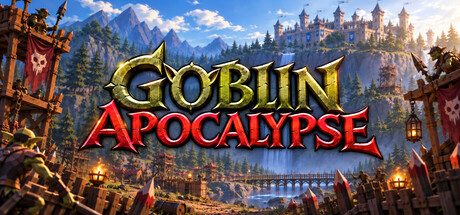
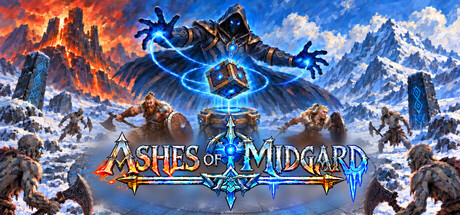
AI is used to assist with the localization and translation of the game's store page and in game text. It is also used to assist with some simple voice interactions, such as goblin growls and battle cries, as well as basic texture adjustments that fit the game's low poly visual style.
This game uses generative AI for creating textures, assisting with coding, and localizing text. All of this was produced during development, and the game does not use AI to generate new content while you play.
Made by an ordinary person building a game for the first time, with generative AI tools helping throughout.
The card illustrations, 3D models, music and sound effects, game code, and the localized text translated from the original Korean were all produced with AI tools. I picked through the results and edited them by hand before putting them in the game.
Everything was generated ahead of time and shipped inside the build. Nothing is generated live while you play.
Generative AI tools were used to a very limited extent during the development of the game for a few minor visual elements. These consist only of a small number of simple effect graphics, which were subsequently adapted and edited for use in the game.
Generative AI was also used as a writing aid to improve and refine some of the text used on the game's Steam store page.
The core content and functionality of the game were not created using generative AI.
This game used AI to make it possible to be developed by one person in reasonable time, with the hope that more people will join later to replace the AI part.
Some of this game's art, music, sound effects, 3D models, and translations were created with the help of generative AI. No content is generated by AI during gameplay.
Some assets (voiceovers, wall paintings, icons) are currently generated using AI and are planned to be replaced with artist-created assets in future updates.
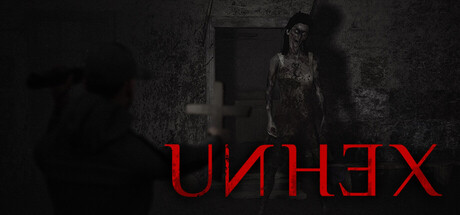
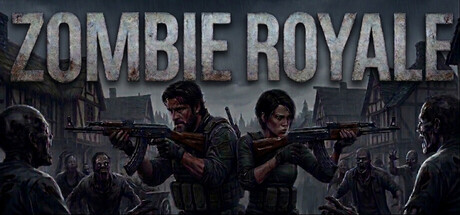
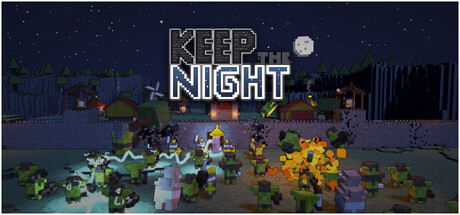
AI tools were used to generate the models for the Players, Zombies and Cyborgs used in this game. AI was also used to generate the images used in the introduction video as well as the voice-over for that video.
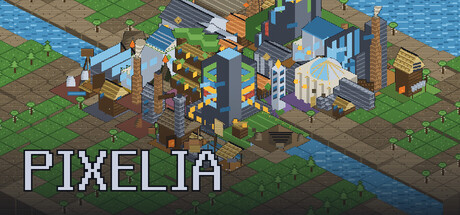
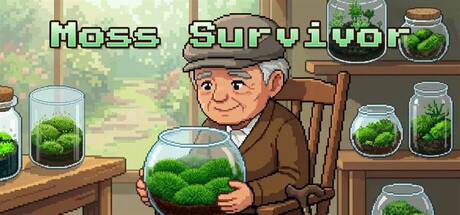
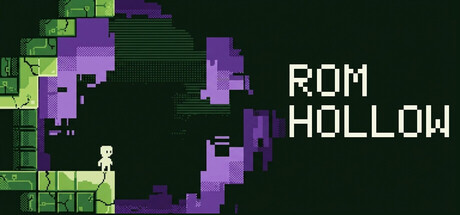
This game's pixel art was created with AI assistance. The English translation was also produced with AI and reviewed for accuracy and natural phrasing before release.
AI was used during the development of the game mainly for code optimization and improvements. To a limited extent, AI was also used to create some graphics and to improve the appearance of a small number of interface elements.
Generative AI was used to assist in creating one or two background 3D assets during the development process. All other 3D models, visual effects, and environmental assets were custom-made or sourced entirely from standard digital asset marketplaces like Fab.
This game uses generative AI as part of its content creation pipeline. Some elements of the store page cover art were generated using AI and then combined with additional artwork created by our designer. Certain in-game environment textures were processed using AI-assisted tools as part of the texturing workflow. Character voices were recorded by our own team and then processed with AI-based voice conversion to transform them into different character voices. All AI-assisted content was reviewed and refined by our team before being included in the final game.
AI tools are used in some parts of the development process, including translations for the Steam store page and in-game UI text, as well as assistance with some visual assets.
The sound effects, engine sounds and the race announcer's voice were generated with ElevenLabs (sound effects, text-to-speech and voice design) and then edited, mixed and processed by the developer. Parts of the store page text were drafted with AI assistance.
Some of the game's artwork was created from the developer's own sketches and refined using AI image tools. Some sound effects were produced with the help of AI audio tools. The in-game text was translated into the supported languages with the help of AI tools. All content is reviewed and approved by the developer before release.
This game contains content created with the assistance of AI tools. AI was used during development to assist with programming, visual assets, and other creative elements. All generated content was reviewed, edited, and integrated by the dev.
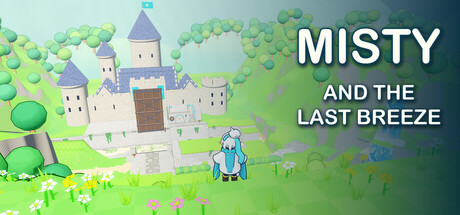
Misty and the Last Breeze is a solo-developed game made with a lot of AI assistance. Here is how AI was used.
Code. The game is built in Godot. Most of the gameplay code, tooling and automated tests were written with AI coding assistants (Claude Code and Codex), working from my design direction, and reviewed, playtested and revised by me. Design decisions, level layouts, movement feel and what ships are mine; the assistants do much of the typing.
3D models and art. Many in-game models and textures were made in Blender through scripts written with AI assistance, often rebuilt from concept images. Some of those reference images were generated with AI image tools. Other visuals, such as shaders, UI and effects, are authored in code. Painting and key-art images in the game that began as AI-generated images are kept as AI-assisted work.
Music. Music is generated with Suno and then selected, arranged and edited by me. Ambience and sound effects are mostly synthesized in code (procedural audio) rather than sampled from other artists.
Mockups and planning. I use ChatGPT's image generation for mockups, mood boards, UI layouts and promotional concepts while planning. These are for exploring ideas; they are not meant to ship as finished art unless noted above.
What is not AI. The game itself has no runtime AI: every enemy, NPC, line of dialogue and level is fixed content that I designed and authored. Nothing is generated or adapted while you play.
Generative AI was used during development to help create some of the game's images, 3D models, animations, background music, sound effects, and story and dialogue text, and to translate in-game text. This includes generating images and models, as well as creating environment models, background music, and some sound effects using AI-written scripts. The story and dialogue use AI-generated text, edited as needed. Translations were created and revised during development and included in the game. This content was created in advance during development; the game does not generate content using generative AI during gameplay. Generative AI was also used to create promotional images and translate store descriptions into multiple languages for the Steam store.
Pre-generated: the game's code, its procedurally built 3D models, levels and effects, the synthesized in-game music, parts of the UI art, the store artwork and the store texts/translations were created with the help of AI tools (Anthropic Claude) under the developer's direction and review. The menu music tracks were generated by the developer with Google Gemini. Sound effects are edited recordings from Kenney (CC0) and Mixkit. No AI content is generated live while playing.
Generative AI tools helped create selected 2D artwork, including in-game branding, decorative art, and store and marketing illustrations, and assisted with translations of the store page text. This content is pre-generated; the game does not generate AI content during gameplay.
This game contains content created with the assistance of AI tools. AI was used during development to assist with programming, visual assets, and other creative elements. All generated content was reviewed, edited, and integrated by the dev.
Generative AI-assisted tools were used during development to support the creation and refinement of some pre-generated visual assets. No AI content is generated during gameplay.
Some 3D models, illustrations and music in the current version were created with the help of generative AI tools and then edited and integrated by our team. They are placeholders: we are replacing them with work by human artists as development continues.
The key art, store capsules and library artwork were created with an AI image generator and edited by the developer. The trailer music was generated with Suno under a paid plan. No AI-generated content is included in the game itself, and the game runs no AI generation and requires no AI service.
Some assets in this game were created with generative AI tools during development and then selected and edited by hand: the store key art and capsule images, some in-game images (UI decorations, stage backgrounds and some illustrations), and the background music and jingles. No generative AI is used while you play: the stats and skills of your drawing are decided by deterministic on-device image processing, and nothing is sent to an AI service.
The key art, store capsules and library artwork were created with an AI image generator and reviewed by the developer. In-game pixel art sprites, the bitmap font, sound effects and music are produced by original project code written with AI coding assistance. Store and in-game text were drafted with AI assistance and edited by the developer. The game does not generate any content with AI while running and requires no AI service.
Generative AI tools were used during development to assist with portions of programming and store-page text. All AI-assisted material was reviewed, edited, tested, and integrated by the developer. No generative AI is used during gameplay.
Some of the game's 2D art (characters, enemies, backgrounds and icons) was created with the help of generative AI tools and then edited, cleaned up and reviewed by the developer. Some translations were also made with AI assistance. No AI content is generated while the game is running, and the game does not connect to any AI service.
Pre-generated AI-assisted art and text are used. Tencent Hunyuan 3D helped create initial models and textures; OpenAI image tools helped create UI art and reference images. Assets were edited and optimized for the game. Some fixed UI text, incident captions and translations were drafted with AI assistance. No AI content is generated during gameplay.
Some pre-generated artwork in the opening/title presentation and Steam store images was created with generative AI and edited by the developer. No AI content is generated during gameplay.
Generative AI was used during development to help create some visual and audio assets, dialogue, and translations. This content was selected and edited during development and incorporated into the game. No content is generated by AI in real time during gameplay.
Generative AI tools were used during development to create visual assets, including character and enemy artwork, environmental backgrounds, user interface graphics, item textures, and promotional artwork. ChatGPT also assisted with dialogue and educational text. The developer directed, selected, and reviewed this content for inclusion in the game. All AI-generated content was created before release; the game does not generate AI content during gameplay.
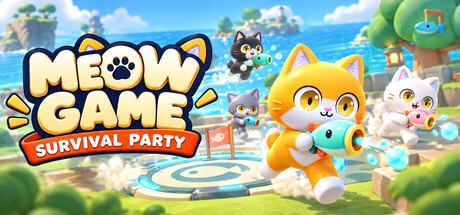
Generative AI tools were used during development to help create some of the game's visual assets, including 3D props and environments, as well as localized text and store page descriptions. The main cat character model is a purchased third-party asset. The game does not generate AI content or connect to external AI services during gameplay.
Generative AI was used to create some images, music, sound effects, and prerecorded synthetic chant voices. The game also uses on-device AI speech recognition to transcribe player recordings.
AI is used to assist with the localization and translation of the game's store page and in game text. It is also used to assist with some simple voice interactions, such as goblin growls and battle cries, as well as basic texture adjustments that fit the game's low poly visual style.
This game uses generative AI for creating textures, assisting with coding, and localizing text. All of this was produced during development, and the game does not use AI to generate new content while you play.
Made by an ordinary person building a game for the first time, with generative AI tools helping throughout.
The card illustrations, 3D models, music and sound effects, game code, and the localized text translated from the original Korean were all produced with AI tools. I picked through the results and edited them by hand before putting them in the game.
Everything was generated ahead of time and shipped inside the build. Nothing is generated live while you play.
Generative AI tools were used to a very limited extent during the development of the game for a few minor visual elements. These consist only of a small number of simple effect graphics, which were subsequently adapted and edited for use in the game.
Generative AI was also used as a writing aid to improve and refine some of the text used on the game's Steam store page.
The core content and functionality of the game were not created using generative AI.
This game used AI to make it possible to be developed by one person in reasonable time, with the hope that more people will join later to replace the AI part.
Some of this game's art, music, sound effects, 3D models, and translations were created with the help of generative AI. No content is generated by AI during gameplay.
Some assets (voiceovers, wall paintings, icons) are currently generated using AI and are planned to be replaced with artist-created assets in future updates.
AI tools were used to generate the models for the Players, Zombies and Cyborgs used in this game. AI was also used to generate the images used in the introduction video as well as the voice-over for that video.
This game's pixel art was created with AI assistance. The English translation was also produced with AI and reviewed for accuracy and natural phrasing before release.
AI was used during the development of the game mainly for code optimization and improvements. To a limited extent, AI was also used to create some graphics and to improve the appearance of a small number of interface elements.
Generative AI was used to assist in creating one or two background 3D assets during the development process. All other 3D models, visual effects, and environmental assets were custom-made or sourced entirely from standard digital asset marketplaces like Fab.
This game uses generative AI as part of its content creation pipeline. Some elements of the store page cover art were generated using AI and then combined with additional artwork created by our designer. Certain in-game environment textures were processed using AI-assisted tools as part of the texturing workflow. Character voices were recorded by our own team and then processed with AI-based voice conversion to transform them into different character voices. All AI-assisted content was reviewed and refined by our team before being included in the final game.
AI tools are used in some parts of the development process, including translations for the Steam store page and in-game UI text, as well as assistance with some visual assets.
The sound effects, engine sounds and the race announcer's voice were generated with ElevenLabs (sound effects, text-to-speech and voice design) and then edited, mixed and processed by the developer. Parts of the store page text were drafted with AI assistance.
Some of the game's artwork was created from the developer's own sketches and refined using AI image tools. Some sound effects were produced with the help of AI audio tools. The in-game text was translated into the supported languages with the help of AI tools. All content is reviewed and approved by the developer before release.
This game contains content created with the assistance of AI tools. AI was used during development to assist with programming, visual assets, and other creative elements. All generated content was reviewed, edited, and integrated by the dev.
Misty and the Last Breeze is a solo-developed game made with a lot of AI assistance. Here is how AI was used.
Code. The game is built in Godot. Most of the gameplay code, tooling and automated tests were written with AI coding assistants (Claude Code and Codex), working from my design direction, and reviewed, playtested and revised by me. Design decisions, level layouts, movement feel and what ships are mine; the assistants do much of the typing.
3D models and art. Many in-game models and textures were made in Blender through scripts written with AI assistance, often rebuilt from concept images. Some of those reference images were generated with AI image tools. Other visuals, such as shaders, UI and effects, are authored in code. Painting and key-art images in the game that began as AI-generated images are kept as AI-assisted work.
Music. Music is generated with Suno and then selected, arranged and edited by me. Ambience and sound effects are mostly synthesized in code (procedural audio) rather than sampled from other artists.
Mockups and planning. I use ChatGPT's image generation for mockups, mood boards, UI layouts and promotional concepts while planning. These are for exploring ideas; they are not meant to ship as finished art unless noted above.
What is not AI. The game itself has no runtime AI: every enemy, NPC, line of dialogue and level is fixed content that I designed and authored. Nothing is generated or adapted while you play.
Generative AI was used during development to help create some of the game's images, 3D models, animations, background music, sound effects, and story and dialogue text, and to translate in-game text. This includes generating images and models, as well as creating environment models, background music, and some sound effects using AI-written scripts. The story and dialogue use AI-generated text, edited as needed. Translations were created and revised during development and included in the game. This content was created in advance during development; the game does not generate content using generative AI during gameplay. Generative AI was also used to create promotional images and translate store descriptions into multiple languages for the Steam store.
Pre-generated: the game's code, its procedurally built 3D models, levels and effects, the synthesized in-game music, parts of the UI art, the store artwork and the store texts/translations were created with the help of AI tools (Anthropic Claude) under the developer's direction and review. The menu music tracks were generated by the developer with Google Gemini. Sound effects are edited recordings from Kenney (CC0) and Mixkit. No AI content is generated live while playing.
Generative AI tools helped create selected 2D artwork, including in-game branding, decorative art, and store and marketing illustrations, and assisted with translations of the store page text. This content is pre-generated; the game does not generate AI content during gameplay.
This game contains content created with the assistance of AI tools. AI was used during development to assist with programming, visual assets, and other creative elements. All generated content was reviewed, edited, and integrated by the dev.
Generative AI-assisted tools were used during development to support the creation and refinement of some pre-generated visual assets. No AI content is generated during gameplay.
Some 3D models, illustrations and music in the current version were created with the help of generative AI tools and then edited and integrated by our team. They are placeholders: we are replacing them with work by human artists as development continues.
The key art, store capsules and library artwork were created with an AI image generator and edited by the developer. The trailer music was generated with Suno under a paid plan. No AI-generated content is included in the game itself, and the game runs no AI generation and requires no AI service.
Some assets in this game were created with generative AI tools during development and then selected and edited by hand: the store key art and capsule images, some in-game images (UI decorations, stage backgrounds and some illustrations), and the background music and jingles. No generative AI is used while you play: the stats and skills of your drawing are decided by deterministic on-device image processing, and nothing is sent to an AI service.
The key art, store capsules and library artwork were created with an AI image generator and reviewed by the developer. In-game pixel art sprites, the bitmap font, sound effects and music are produced by original project code written with AI coding assistance. Store and in-game text were drafted with AI assistance and edited by the developer. The game does not generate any content with AI while running and requires no AI service.
Generative AI tools were used during development to assist with portions of programming and store-page text. All AI-assisted material was reviewed, edited, tested, and integrated by the developer. No generative AI is used during gameplay.
Some of the game's 2D art (characters, enemies, backgrounds and icons) was created with the help of generative AI tools and then edited, cleaned up and reviewed by the developer. Some translations were also made with AI assistance. No AI content is generated while the game is running, and the game does not connect to any AI service.
Pre-generated AI-assisted art and text are used. Tencent Hunyuan 3D helped create initial models and textures; OpenAI image tools helped create UI art and reference images. Assets were edited and optimized for the game. Some fixed UI text, incident captions and translations were drafted with AI assistance. No AI content is generated during gameplay.
Some pre-generated artwork in the opening/title presentation and Steam store images was created with generative AI and edited by the developer. No AI content is generated during gameplay.
Generative AI was used during development to help create some visual and audio assets, dialogue, and translations. This content was selected and edited during development and incorporated into the game. No content is generated by AI in real time during gameplay.
Generative AI tools were used during development to create visual assets, including character and enemy artwork, environmental backgrounds, user interface graphics, item textures, and promotional artwork. ChatGPT also assisted with dialogue and educational text. The developer directed, selected, and reviewed this content for inclusion in the game. All AI-generated content was created before release; the game does not generate AI content during gameplay.
Generative AI tools were used during development to help create some of the game's visual assets, including 3D props and environments, as well as localized text and store page descriptions. The main cat character model is a purchased third-party asset. The game does not generate AI content or connect to external AI services during gameplay.
Generative AI was used to create some images, music, sound effects, and prerecorded synthetic chant voices. The game also uses on-device AI speech recognition to transcribe player recordings.