Public Steam disclosure research25,710 disclosures tracked
Where do games disclose AI use?
Search developers’ Steam disclosures, compare classified AI use across
games, and follow recorded changes.
This index adds cross-game classifications and statistics to
statements published on individual store pages.
Groups reflect automatic analysis of public disclosures; mature records are excluded. These counts do not measure AI use across all of Steam.
Missing or unclear statements cannot establish whether a game uses AI.
Generative AI was used extensively during development to assist with writing and debugging code, creating concept and promotional artwork, and brainstorming game content. All final content was reviewed, tested, and implemented by the developer. The finished game does not use generative AI at runtime, and players will not encounter AI-generated content while playing.
Some visual assets and background music included in this game were created using generative AI tools and have been reviewed, edited, and integrated by the developer.
Pregenerated AI audio tools were used during development to generate character voice lines and background music tracks. All visual art, graphics, puzzle task and animations were created by hand without generative AI.
Some parts of the Cellarer were made with the help of generative AI tools: portions of the source code, some of the in-game icons and sfx / vfx, some store and marketing text, and some marketing artwork and assets were AI-assisted, then reviewed, edited and integrated by hand before shipping. The game itself contains nothing live-generated — no AI runs while you play, and the game never connects to an AI service.
The game's visual assets (mascot design, logo, character art, store graphics, and in-game sprites) were created with the help of an AI image generator and were then selected, edited, and prepared by us for use in the game. This is exclusively pre-generated, fixed content – no content is generated by AI in real time while the game is being played.
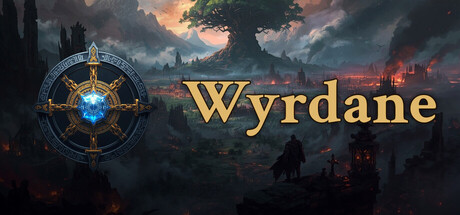
Wyrdane uses AI-generated artwork for its card illustrations. As a solo developer working without a starting budget, this is a pragmatic choice to bring the game's world to life and test its mechanics without a professional illustration budget. If the project finds its audience, the goal is to progressively replace these visuals with artwork made by human illustrators.
Game design, card balance, game mechanics, world-building, and creative direction are entirely human-made. AI is a production tool, not the creator of this game.
Generative AI tools were used in the development of this game. Image-generation AI was used to create the store artwork (key art and capsule images) and some in-game art assets (character illustrations, backgrounds, etc.), with all final selection, editing, and finishing done by the developers. AI assistants were also used to help write portions of the game's code. No content is generated by AI in real time while the game is running.
Store capsule/marketing images were created using a generative AI image tool (ChatGPT/DALL-E), based on the game's original pixel-art sprites. In-game assets, code, audio are not AI-generated.
DriveGear includes some pre-generated visual and audio assets created with AI tools. These assets were selected and edited by the developer and ship as fixed content. No content is generated by AI during gameplay.
Penguin Fury uses generative AI tools for part of its content.
Localization: The game is available in 39 languages. The original text was
written by the developer. The translations were produced with AI translation
tools and reviewed before release.
Art: Some achievement icons and character/UI artwork were created with the help
of AI image tools and then edited by the developer.
Store page: Some of the text and images on this store page were created with AI
assistance and edited by the developer.
No AI content is generated while you play. Everything in the game is created in
advance and shipped with the build.
Some of SALTWRATH's audio and store artwork was created using generative AI tools and then edited by hand. The music and sound effects were generated with Suno, then trimmed, mixed and levelled manually before being used in the game. Some store page and capsule artwork was generated with an AI image tool and edited before use.
The game itself does not use generative AI while you play. Nothing is generated live during a run, no content changes between playthroughs because of AI, and no player input is ever sent to an AI service.
2D item and character sprites in this game were created using generative AI image tools and then manually reviewed, edited, curated, and integrated by the developer. In-game item names and their translations were also produced with AI assistance and manually checked. All AI-generated content was created during development (pre-generated); the game does not generate any content live while playing.
Generative AI tools were used during development to assist with creating certain in-game visual assets, concept art, and UI elements. All AI-generated content has been reviewed, curated, and integrated manually by the developer.
This game uses generative AI as a production tool for certain visual art and music assets. All AI-assisted content has been reviewed and refined by the developer. No generative AI is used during gameplay. All puzzles, investigation mechanics, and gameplay systems are designed and implemented by the developer.
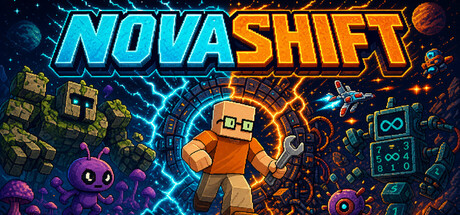
NovaShift: Universe uses AI-generated art. Some 2D artwork — enemy, boss and item sprites for several game universes, boss projectile sprites, and store/marketing images (capsules, key art, logo) — was created with the assistance of AI image-generation tools, then curated, edited, transparency-cleaned and integrated by the developer. All gameplay code, procedural art, audio and game design are human-made. No content is generated by AI at runtime; players never interact with a live AI system.
This game uses generative AI during development to create some image assets, music assets, and text drafts. All generated content was reviewed by the developer and edited or processed as necessary before being included in the game. The game does not generate content using generative AI during gameplay.
As a solo developer, this game utilizes generative AI tools to assist in the creation of certain assets—including game dialogue, artwork, and audio elements—which are then carefully edited, refined, and polished by the developer.
To streamline the creative workflow, this game incorporates AI-assisted tools. AI was employed for initial code prototyping and some asset creation; however, every aspect of the game has been extensively reviewed, modified, and refined to ensure high-quality performance and consistency.
Since this is just a prequel to the main story, we used AI to create most of the art so we could finish it quickly and move on to the main story. All the text and voice content were done without any AI involvement.
This game includes pre-generated content created with the assistance of generative AI tools during development. AI tools were used to assist with some artwork, UI visual assets, and visual design elements for video materials and story/dialogue panels. These materials are shipped with the game and are presented to players through the in-game UI, story/dialogue panels, and related video or narrative presentation content. Before release, the developer selected, edited, integrated, and manually reviewed these materials.
The game does not use generative AI at runtime. It does not generate new images, videos, dialogue, or other game content based on player input, and it does not send player input to an AI service.
During Early Access, AI placeholders might be used in lieu of handcrafted assets to speed up development and to improve the game’s visual fidelity. It is currently our plan to gradually replace all AI-generated assets by the final release.
Some of this game's assets were made with generative AI tools: the music, the store artwork, and the French translation. Everything ships as fixed files that were generated, chosen, and edited by the developer. Nothing is generated while you play, and the game never connects to an AI service.
Some development of FOOTDICE was assisted by generative AI tools. Game's code, portion of visual assets (svgs files), and text for marketing materials were created with AI assistance and then reviewed, edited, and finalized by the developer.
All content in the game is pre-generated — the game does not create content using AI while you play, and no player data is sent to AI services.
Generative AI tools were used during development to create or assist with portions of the game's pre-generated visual artwork, including horse illustrations, environmental backgrounds, contract and item icons, decorative UI artwork, the game logo, and Steam store and library artwork. AI-assisted tools were also used to draft or refine portions of in-game text and localization.
All such materials were generated before release, then reviewed, selected, and edited by the developer, and are included in the game as fixed assets. No AI content is generated during gameplay, and the game does not connect to any external AI service.
Generative AI tools were used during development to assist with the creation and refinement of certain visual assets, including some user interface graphics, promotional artwork, and other supporting art elements. All AI-assisted content was reviewed, edited, and selected by the developer before being included in the game. Generative AI is not used to create content during gameplay.
The developer used AI assistance while drafting marketing copy for this game. All copy was directed, revised, and finalized by the developer. All in-game art, audio, and design are human-made.
Some 3D model creatures generated from my own hand-drawn concept art via Meshy; all 2D art sources, game design, and voice work is human-made, with voice acting by Manicvelocity and The Altoholic.
Generative AI tools were used to assist in the creation of some 2D visual assets and artwork (including character illustrations and background art). All generated assets have been reviewed and refined to fit the game's pixel art style and quality standards.
The game's 2D artwork, including card and unit illustrations, worker portraits, and store assets, was generated with AI image tools and then reviewed, selected, and edited by the developer. Parts of the in-game text and localizations were also written with AI assistance. The game does not generate any content with AI at runtime.
Generative AI was used extensively during development to assist with writing and debugging code, creating concept and promotional artwork, and brainstorming game content. All final content was reviewed, tested, and implemented by the developer. The finished game does not use generative AI at runtime, and players will not encounter AI-generated content while playing.
Some visual assets and background music included in this game were created using generative AI tools and have been reviewed, edited, and integrated by the developer.
Pregenerated AI audio tools were used during development to generate character voice lines and background music tracks. All visual art, graphics, puzzle task and animations were created by hand without generative AI.
Some parts of the Cellarer were made with the help of generative AI tools: portions of the source code, some of the in-game icons and sfx / vfx, some store and marketing text, and some marketing artwork and assets were AI-assisted, then reviewed, edited and integrated by hand before shipping. The game itself contains nothing live-generated — no AI runs while you play, and the game never connects to an AI service.
The game's visual assets (mascot design, logo, character art, store graphics, and in-game sprites) were created with the help of an AI image generator and were then selected, edited, and prepared by us for use in the game. This is exclusively pre-generated, fixed content – no content is generated by AI in real time while the game is being played.
Wyrdane uses AI-generated artwork for its card illustrations. As a solo developer working without a starting budget, this is a pragmatic choice to bring the game's world to life and test its mechanics without a professional illustration budget. If the project finds its audience, the goal is to progressively replace these visuals with artwork made by human illustrators.
Game design, card balance, game mechanics, world-building, and creative direction are entirely human-made. AI is a production tool, not the creator of this game.
Generative AI tools were used in the development of this game. Image-generation AI was used to create the store artwork (key art and capsule images) and some in-game art assets (character illustrations, backgrounds, etc.), with all final selection, editing, and finishing done by the developers. AI assistants were also used to help write portions of the game's code. No content is generated by AI in real time while the game is running.
Store capsule/marketing images were created using a generative AI image tool (ChatGPT/DALL-E), based on the game's original pixel-art sprites. In-game assets, code, audio are not AI-generated.
DriveGear includes some pre-generated visual and audio assets created with AI tools. These assets were selected and edited by the developer and ship as fixed content. No content is generated by AI during gameplay.
Penguin Fury uses generative AI tools for part of its content.
Localization: The game is available in 39 languages. The original text was
written by the developer. The translations were produced with AI translation
tools and reviewed before release.
Art: Some achievement icons and character/UI artwork were created with the help
of AI image tools and then edited by the developer.
Store page: Some of the text and images on this store page were created with AI
assistance and edited by the developer.
No AI content is generated while you play. Everything in the game is created in
advance and shipped with the build.
Some of SALTWRATH's audio and store artwork was created using generative AI tools and then edited by hand. The music and sound effects were generated with Suno, then trimmed, mixed and levelled manually before being used in the game. Some store page and capsule artwork was generated with an AI image tool and edited before use.
The game itself does not use generative AI while you play. Nothing is generated live during a run, no content changes between playthroughs because of AI, and no player input is ever sent to an AI service.
2D item and character sprites in this game were created using generative AI image tools and then manually reviewed, edited, curated, and integrated by the developer. In-game item names and their translations were also produced with AI assistance and manually checked. All AI-generated content was created during development (pre-generated); the game does not generate any content live while playing.
Generative AI tools were used during development to assist with creating certain in-game visual assets, concept art, and UI elements. All AI-generated content has been reviewed, curated, and integrated manually by the developer.
This game uses generative AI as a production tool for certain visual art and music assets. All AI-assisted content has been reviewed and refined by the developer. No generative AI is used during gameplay. All puzzles, investigation mechanics, and gameplay systems are designed and implemented by the developer.
NovaShift: Universe uses AI-generated art. Some 2D artwork — enemy, boss and item sprites for several game universes, boss projectile sprites, and store/marketing images (capsules, key art, logo) — was created with the assistance of AI image-generation tools, then curated, edited, transparency-cleaned and integrated by the developer. All gameplay code, procedural art, audio and game design are human-made. No content is generated by AI at runtime; players never interact with a live AI system.
This game uses generative AI during development to create some image assets, music assets, and text drafts. All generated content was reviewed by the developer and edited or processed as necessary before being included in the game. The game does not generate content using generative AI during gameplay.
As a solo developer, this game utilizes generative AI tools to assist in the creation of certain assets—including game dialogue, artwork, and audio elements—which are then carefully edited, refined, and polished by the developer.
To streamline the creative workflow, this game incorporates AI-assisted tools. AI was employed for initial code prototyping and some asset creation; however, every aspect of the game has been extensively reviewed, modified, and refined to ensure high-quality performance and consistency.
Since this is just a prequel to the main story, we used AI to create most of the art so we could finish it quickly and move on to the main story. All the text and voice content were done without any AI involvement.
This game includes pre-generated content created with the assistance of generative AI tools during development. AI tools were used to assist with some artwork, UI visual assets, and visual design elements for video materials and story/dialogue panels. These materials are shipped with the game and are presented to players through the in-game UI, story/dialogue panels, and related video or narrative presentation content. Before release, the developer selected, edited, integrated, and manually reviewed these materials.
The game does not use generative AI at runtime. It does not generate new images, videos, dialogue, or other game content based on player input, and it does not send player input to an AI service.
During Early Access, AI placeholders might be used in lieu of handcrafted assets to speed up development and to improve the game’s visual fidelity. It is currently our plan to gradually replace all AI-generated assets by the final release.
Some of this game's assets were made with generative AI tools: the music, the store artwork, and the French translation. Everything ships as fixed files that were generated, chosen, and edited by the developer. Nothing is generated while you play, and the game never connects to an AI service.
Some development of FOOTDICE was assisted by generative AI tools. Game's code, portion of visual assets (svgs files), and text for marketing materials were created with AI assistance and then reviewed, edited, and finalized by the developer.
All content in the game is pre-generated — the game does not create content using AI while you play, and no player data is sent to AI services.
Generative AI tools were used during development to create or assist with portions of the game's pre-generated visual artwork, including horse illustrations, environmental backgrounds, contract and item icons, decorative UI artwork, the game logo, and Steam store and library artwork. AI-assisted tools were also used to draft or refine portions of in-game text and localization.
All such materials were generated before release, then reviewed, selected, and edited by the developer, and are included in the game as fixed assets. No AI content is generated during gameplay, and the game does not connect to any external AI service.
Generative AI tools were used during development to assist with the creation and refinement of certain visual assets, including some user interface graphics, promotional artwork, and other supporting art elements. All AI-assisted content was reviewed, edited, and selected by the developer before being included in the game. Generative AI is not used to create content during gameplay.
The developer used AI assistance while drafting marketing copy for this game. All copy was directed, revised, and finalized by the developer. All in-game art, audio, and design are human-made.
Some 3D model creatures generated from my own hand-drawn concept art via Meshy; all 2D art sources, game design, and voice work is human-made, with voice acting by Manicvelocity and The Altoholic.
Generative AI tools were used to assist in the creation of some 2D visual assets and artwork (including character illustrations and background art). All generated assets have been reviewed and refined to fit the game's pixel art style and quality standards.
The game's 2D artwork, including card and unit illustrations, worker portraits, and store assets, was generated with AI image tools and then reviewed, selected, and edited by the developer. Parts of the in-game text and localizations were also written with AI assistance. The game does not generate any content with AI at runtime.