Public Steam disclosure research25,710 disclosures tracked
Where do games disclose AI use?
Search developers’ Steam disclosures, compare classified AI use across
games, and follow recorded changes.
This index adds cross-game classifications and statistics to
statements published on individual store pages.
Groups reflect automatic analysis of public disclosures; mature records are excluded. These counts do not measure AI use across all of Steam.
Missing or unclear statements cannot establish whether a game uses AI.
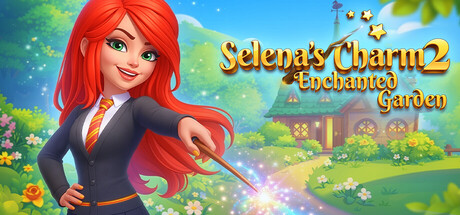
Some background and environmental artwork in this game was created with the assistance of generative AI and then reviewed, edited, and integrated by the developer. All story content, dialogue, characters, and game design were created by the developer.
The developer used ChatGPT to generate some of the promotional and marketing artwork displayed on the Steam storefront. No AI-Generated assets are used inside the actual game.
The development of this game made use of AI-generated content. Specifically, some of the in-game images, video sequences and character voice-over were created with the help of generative AI tools. All AI-generated assets were reviewed, curated and edited by the development team before inclusion in the final product
This game's development uses generative AI tools in the following ways:
Image assets: generating some artwork and image materials (directed and curated by the developer; final design decisions and adjustments are made by a human).
Coding: assisting with implementation and development (design decisions and final code review are done by a human).
No content is generated by AI at runtime.
Some in-game visual assets and trivia/ranking question data were created with the assistance of generative AI tools. All AI-assisted content was reviewed, edited, and curated by the developer before being included in the game.
The developer used generative AI tools during development to assist in creating pre-generated assets, including concept art for backgrounds and placeholder text assets. None of the AI content is generated in real-time during gameplay.
Some art and music in Cookiesaner were created with AI-assisted tools: Image generation for sprites and backdrops, and AI-assisted music, then curated, edited, and finished by the solo developer alongside hand-craft and original composition. No AI-generated content is created at runtime; every asset is fixed and reviewed before it ships.
This game was developed with the assistance of various AI tools. All AI-assisted content was reviewed, edited, and implemented by the developer before being included in the final game.
This game uses text-to-speech to generate character voices, image-to-3D tools to create ship models, and image-to-video tools to produce cinematic sequences you may encounter during gameplay.
AI-generated content has been used to enhance and enrich the in-game experience.
Generative AI was used as an assistive tool during certain stages of visual asset creation. The overall design, direction, editing, and final composition of the work were created and managed by the developer.
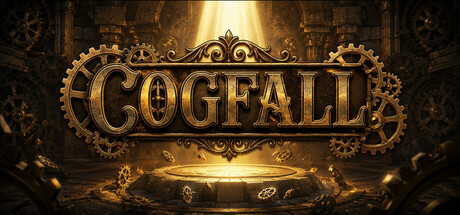
Cogfall was developed solo by Nodding Panda Studios. To bring the steampunk Clockwork Kingdom to life, AI tools were used to generate artwork and music under the creative direction of the developer. Every image and track was intentionally prompted, selected, and refined to fit the game's vision — AI served as a creative tool, not a replacement for creative decisions. All gameplay systems, code, game design, writing, and balancing were created entirely by the developer.
"AI tools (Leonardo AI) were used to generate some concept art and UI textures during development. AI tools (Gemini) were used to generate background music assets. All assets were pre-generated before being integrated into the game."
AI tools were only used in the development phase for code, textures, texts, audio and music production. There is no player-accessible AI generation feature or external AI service connection in the released game, and all built-in content has passed full manual compliance review.
Some visual/audio assets, text content, and development assistance were created with AI tools and then reviewed, modified, and integrated by the developer.
Generative AI is only used as a programming assistant (like code completion or text localization). It’s not used to create the art, audio, or other content that players actually see. Enemy AI and procedural map generation are done with traditional game logic, not generative AI. The art and audio released come from third-party licensed materials on itch.io, with credits given in-game. The game doesn’t call any generative AI services while running.
Some puzzle illustrations and promotional visual assets were created with AI-assisted tools and then edited/curated by the developer. No real-time generative AI is used during gameplay.
Generative AI was used to assist with localization/translation of in-game text. All translated text is pre-generated and included with the game as static content. The game does not generate AI content during gameplay. All artwork is hand-drawn, the music was created by human artists, and all programming was done manually.
AI tools were used to assist with parts of the game's code, the drafting of narrative and dialogue content, and initial translations of in-game and store page text. All AI-assisted output has been reviewed and edited by the development team.
This game uses generative AI during development for pre-rendered visual assets, store capsule and library artwork, icons, textures, and supporting marketing images. AI-generated material is reviewed and edited before inclusion. The game does not generate AI content for players during gameplay.
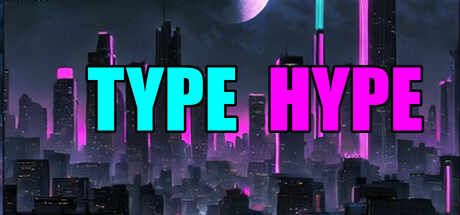
TYPE HYPE's static visual assets — the main-menu skyline background, achievement icons (34 color + 34 grayscale variants = 68 PNGs), exhibition-level theme backgrounds (15 themes × 6 layer files = 90 PNGs), and Steam capsule backgrounds — were created with the assistance of generative AI image tools (primarily OpenAI's GPT image generation). All AI-generated assets were curated, selected, and approved by the developer. No AI runs at runtime in the shipped product. Music (59 tracks) is human-composed and sourced from Pixabay under the Pixabay Content License. Code was written collaboratively by the developer with an AI coding assistant. The game contains no AI-generated content shown to players during gameplay (procedural music layering is rule-based, not AI).
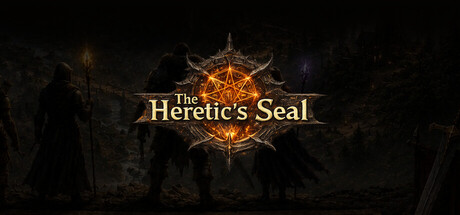
The Heretic's Seal uses generative AI for some pre-rendered art assets, including character portraits, enemy and NPC illustrations, world map and biome backgrounds, and select promotional video clips. As a one-person studio, AI tooling lets a single developer ship dungeon-crawler-scale art volume.
All gameplay systems, game design, narrative writing, code, level design, and runtime visuals are created by the developer. No AI runs during gameplay — every system, decision, and reaction in-game is hand-crafted code.
Players can freely converse with NPCs, and the game generates dialogue in real time based on the NPCs’ personalities and memories.
The main storyline will be handled by AI agents, which will generate plots consistent with the game’s world-building.
AI assists in creating CG scenes, background images, and character portraits.
In the development of this game, generative AI tools are used in the processes of programming code assistance and multilingual text translation to improve efficiency and quality.
The Early Access build includes some static pre-generated AI placeholder artwork used as temporary in-game assets during development. This content is not generated during gameplay, is not user-generated, and does not connect to any external AI service. Placeholder artwork may be replaced or polished during Early Access as final art is completed.
Generative AI tools were used in a supporting role during certain parts of the development of this game. Their primary uses included programming assistance (such as code generation and debugging), the creation of some image assets used on the Steam Store page and in the game, the creation of source material for some background music and sound effects, and assistance with the translation and refinement of certain text.
AI-generated image and audio materials were not used as-is. The development team reviewed all such materials and, where necessary, retouched, cropped, color-corrected, resized, adjusted, or otherwise edited them to ensure they were suitable for the game.
Any text for which generative AI was used to assist with translation or wording was reviewed by the development team for context and accuracy, and revised as necessary before being used.
We understand that some players may have questions or concerns about the use of generative AI, and that it may be an important factor when deciding whether to purchase or play a game. By describing the extent of its use in this title as clearly as possible, we hope to provide helpful information for making that decision.
Please note that generative AI is not used during gameplay to generate new text, images, audio, dialogue, quests, or other game content in response to player input.
During development, we used generative AI tools to assist in creating certain game content. This includes using AI to generate base concepts and visual assets for specific in-game items or backgrounds (which were subsequently refined manually), as well as using AI for multilingual localization and text polishing.
We utilize generative AI for most of our artwork and some of our music.
A little (5%) of the game was coded with AI assistance - this includes sdk integrations mostly for steam API.
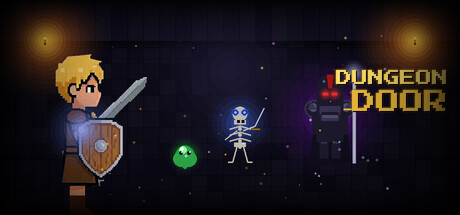
Dungeon Door utilizes generative AI to enhance creative expression and development efficiency as follows:
Artwork and Visual Assets: Generative AI was used in the conceptualization of character designs and the creation of marketing assets for the Steam store page. Every asset has been carefully reviewed and manually refined to ensure it adheres to the intended classic pixel art aesthetic.
Text and Narrative: AI tools assisted in drafting store descriptions, synopses, and localizing in-game text to provide a consistent experience across different languages.
This game uses generative AI tools to assist in creating certain environmental assets, which were then manually upscaled, recolored, and heavily edited for quality
Some background and environmental artwork in this game was created with the assistance of generative AI and then reviewed, edited, and integrated by the developer. All story content, dialogue, characters, and game design were created by the developer.
The developer used ChatGPT to generate some of the promotional and marketing artwork displayed on the Steam storefront. No AI-Generated assets are used inside the actual game.
The development of this game made use of AI-generated content. Specifically, some of the in-game images, video sequences and character voice-over were created with the help of generative AI tools. All AI-generated assets were reviewed, curated and edited by the development team before inclusion in the final product
This game's development uses generative AI tools in the following ways:
Image assets: generating some artwork and image materials (directed and curated by the developer; final design decisions and adjustments are made by a human).
Coding: assisting with implementation and development (design decisions and final code review are done by a human).
No content is generated by AI at runtime.
Some in-game visual assets and trivia/ranking question data were created with the assistance of generative AI tools. All AI-assisted content was reviewed, edited, and curated by the developer before being included in the game.
The developer used generative AI tools during development to assist in creating pre-generated assets, including concept art for backgrounds and placeholder text assets. None of the AI content is generated in real-time during gameplay.
Some art and music in Cookiesaner were created with AI-assisted tools: Image generation for sprites and backdrops, and AI-assisted music, then curated, edited, and finished by the solo developer alongside hand-craft and original composition. No AI-generated content is created at runtime; every asset is fixed and reviewed before it ships.
This game was developed with the assistance of various AI tools. All AI-assisted content was reviewed, edited, and implemented by the developer before being included in the final game.
This game uses text-to-speech to generate character voices, image-to-3D tools to create ship models, and image-to-video tools to produce cinematic sequences you may encounter during gameplay.
AI-generated content has been used to enhance and enrich the in-game experience.
Generative AI was used as an assistive tool during certain stages of visual asset creation. The overall design, direction, editing, and final composition of the work were created and managed by the developer.
Cogfall was developed solo by Nodding Panda Studios. To bring the steampunk Clockwork Kingdom to life, AI tools were used to generate artwork and music under the creative direction of the developer. Every image and track was intentionally prompted, selected, and refined to fit the game's vision — AI served as a creative tool, not a replacement for creative decisions. All gameplay systems, code, game design, writing, and balancing were created entirely by the developer.
"AI tools (Leonardo AI) were used to generate some concept art and UI textures during development. AI tools (Gemini) were used to generate background music assets. All assets were pre-generated before being integrated into the game."
AI tools were only used in the development phase for code, textures, texts, audio and music production. There is no player-accessible AI generation feature or external AI service connection in the released game, and all built-in content has passed full manual compliance review.
Some visual/audio assets, text content, and development assistance were created with AI tools and then reviewed, modified, and integrated by the developer.
Generative AI is only used as a programming assistant (like code completion or text localization). It’s not used to create the art, audio, or other content that players actually see. Enemy AI and procedural map generation are done with traditional game logic, not generative AI. The art and audio released come from third-party licensed materials on itch.io, with credits given in-game. The game doesn’t call any generative AI services while running.
Some puzzle illustrations and promotional visual assets were created with AI-assisted tools and then edited/curated by the developer. No real-time generative AI is used during gameplay.
Generative AI was used to assist with localization/translation of in-game text. All translated text is pre-generated and included with the game as static content. The game does not generate AI content during gameplay. All artwork is hand-drawn, the music was created by human artists, and all programming was done manually.
AI tools were used to assist with parts of the game's code, the drafting of narrative and dialogue content, and initial translations of in-game and store page text. All AI-assisted output has been reviewed and edited by the development team.
This game uses generative AI during development for pre-rendered visual assets, store capsule and library artwork, icons, textures, and supporting marketing images. AI-generated material is reviewed and edited before inclusion. The game does not generate AI content for players during gameplay.
TYPE HYPE's static visual assets — the main-menu skyline background, achievement icons (34 color + 34 grayscale variants = 68 PNGs), exhibition-level theme backgrounds (15 themes × 6 layer files = 90 PNGs), and Steam capsule backgrounds — were created with the assistance of generative AI image tools (primarily OpenAI's GPT image generation). All AI-generated assets were curated, selected, and approved by the developer. No AI runs at runtime in the shipped product. Music (59 tracks) is human-composed and sourced from Pixabay under the Pixabay Content License. Code was written collaboratively by the developer with an AI coding assistant. The game contains no AI-generated content shown to players during gameplay (procedural music layering is rule-based, not AI).
The Heretic's Seal uses generative AI for some pre-rendered art assets, including character portraits, enemy and NPC illustrations, world map and biome backgrounds, and select promotional video clips. As a one-person studio, AI tooling lets a single developer ship dungeon-crawler-scale art volume.
All gameplay systems, game design, narrative writing, code, level design, and runtime visuals are created by the developer. No AI runs during gameplay — every system, decision, and reaction in-game is hand-crafted code.
Players can freely converse with NPCs, and the game generates dialogue in real time based on the NPCs’ personalities and memories.
The main storyline will be handled by AI agents, which will generate plots consistent with the game’s world-building.
AI assists in creating CG scenes, background images, and character portraits.
In the development of this game, generative AI tools are used in the processes of programming code assistance and multilingual text translation to improve efficiency and quality.
The Early Access build includes some static pre-generated AI placeholder artwork used as temporary in-game assets during development. This content is not generated during gameplay, is not user-generated, and does not connect to any external AI service. Placeholder artwork may be replaced or polished during Early Access as final art is completed.
Generative AI tools were used in a supporting role during certain parts of the development of this game. Their primary uses included programming assistance (such as code generation and debugging), the creation of some image assets used on the Steam Store page and in the game, the creation of source material for some background music and sound effects, and assistance with the translation and refinement of certain text.
AI-generated image and audio materials were not used as-is. The development team reviewed all such materials and, where necessary, retouched, cropped, color-corrected, resized, adjusted, or otherwise edited them to ensure they were suitable for the game.
Any text for which generative AI was used to assist with translation or wording was reviewed by the development team for context and accuracy, and revised as necessary before being used.
We understand that some players may have questions or concerns about the use of generative AI, and that it may be an important factor when deciding whether to purchase or play a game. By describing the extent of its use in this title as clearly as possible, we hope to provide helpful information for making that decision.
Please note that generative AI is not used during gameplay to generate new text, images, audio, dialogue, quests, or other game content in response to player input.
During development, we used generative AI tools to assist in creating certain game content. This includes using AI to generate base concepts and visual assets for specific in-game items or backgrounds (which were subsequently refined manually), as well as using AI for multilingual localization and text polishing.
We utilize generative AI for most of our artwork and some of our music.
A little (5%) of the game was coded with AI assistance - this includes sdk integrations mostly for steam API.
Dungeon Door utilizes generative AI to enhance creative expression and development efficiency as follows:
Artwork and Visual Assets: Generative AI was used in the conceptualization of character designs and the creation of marketing assets for the Steam store page. Every asset has been carefully reviewed and manually refined to ensure it adheres to the intended classic pixel art aesthetic.
Text and Narrative: AI tools assisted in drafting store descriptions, synopses, and localizing in-game text to provide a consistent experience across different languages.
This game uses generative AI tools to assist in creating certain environmental assets, which were then manually upscaled, recolored, and heavily edited for quality