Public Steam disclosure research25,376 disclosures tracked
Where do games disclose AI use?
Search developers’ Steam disclosures, compare classified AI use across
games, and follow recorded changes.
This index adds cross-game classifications and statistics to
statements published on individual store pages.
Groups reflect automatic analysis of public disclosures; mature records are excluded. These counts do not measure AI use across all of Steam.
Missing or unclear statements cannot establish whether a game uses AI.
Much of the artwork in Convoy Inc. was created with the help of AI image tools, including job and event scenes, driver portraits, truck and city illustrations, map decorations and parts of the interface art. Every image was selected, edited and composited by the developer to fit the game's vintage atlas style.
The illustrated story scenes and the music in the trailer were also created with AI-assisted tools.
The game's design, code, systems, map data and all written text were created by the developer. The game does not generate any AI content while it runs.
This game uses generative AI in the creation of some visual elements, including character illustrations and backgrounds; all results were reviewed and retouched by hand. Voice audio is based on dubbing and recordings by real people, which were then converted or refined using generative AI.
The store texts and parts of the game's content, such as text and some 3D models, were made with the help of generative AI and then reviewed and edited by the developer. Nothing is generated by AI while you play.
Music, background, videos and images in this game, especially the artwork, were created using AI tools as a visual supplement.
This creative choice allowed me to focus more time and resources on what matters most, delivering longer, more engaging, and fun gameplay.
This game incorporates AI assistance in its development. The overall vision and execution remain that of the developer.
All language translations were done using Claude. If there are any mistranslations, please contact me to fix them!
Some visual assets were created with the help of generative AI and then edited by the developer. A few sprite animations (doors opening, the ghost, the dynamite fuse and explosion, the turret turning) were generated with PixelLab from our own hand-made sprites, and some store artwork was made with AI image tools. Parts of the in-game text were written with AI assistance and reviewed by the developer. The game does not generate any content with AI while you play.
AI coding tools help write and maintain the game's plugin code, and parts of the in-game text like NPC combinatorial string banks and translations were written with AI assistance, all being reviewed manully by the developer.
This game uses generative AI to help create pre-rendered store artwork, chapter illustrations, background music, and the official trailer. Game logic was drafted with AI assistance and reviewed by the developer.
All level design, gameplay mechanics, and in-game text are hand-authored. No copyrighted third-party material was used in any AI output.
AI was used during the development of the game mainly for code optimization and improvements. To a limited extent, AI was also used to create some graphics and to improve the appearance of a small number of interface elements.
Generative AI was used during development to create and refine some of the game's 2d and 3d artwork and music. All AI-generated content was reviewed, selected, and edited by the developer before being included in the game. Generative AI is not used during gameplay, and no content is generated in real time.
A small amount of artwork and text included in the game was created using generative AI during development. All such content is pre-generated. The game does not generate AI content during gameplay or connect to external AI services.
Some character portraits were created with generative AI. AI tools were also used to help write and translate the store page and to translate the game's text. The story and dialogue were written by our team.
This product contains pre-generated content created with the assistance of generative AI tools during development. AI-assisted content includes selected 2D artwork, character portraits, unit illustrations, decorative interface imagery, trailer and store artwork, portions of the soundtrack, and some player-facing descriptive or localization text. All AI-assisted content was reviewed and edited by the developer and is fixed before release. The game does not generate text, images, audio, or any other content using generative AI while it is running. Computer-controlled opponents and procedural simulation systems use conventional game logic, not generative AI.
Bloodlines & Banners is designed, architected, and coded by one person. Generative AI is used as a production tool for volume, with portraits, illustration, music, cinematics, voice, and a share of the in-game prose, at a scale a solo developer could not otherwise afford or commission. It is not used to make creative decisions. The art direction is a single locked style anchor authored by hand and enforced across every asset. The game design, the systems architecture, the historical research, the balance, and every line of the server and client are human work. In-game text is a mixed case, and we set that out plainly rather than round it up to “human-written”. We are stating this up front, unprompted, because we would rather a partner evaluate the game knowing exactly what it is than discover it later.
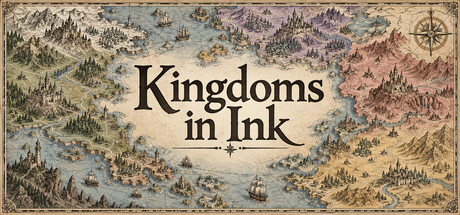
Kingdoms in Ink uses pre-generated AI-assisted content, including decorative map frames, store artwork, and some in-game and store text and translations. These assets and texts are prepared and reviewed during development. The game does not generate AI content during play or connect to external AI services.
Generative AI was used for portions of the game's localization during development. No generative AI was used to create the game's music and sound. Some of the images in the game were generated by AI. AI tools were also used as development aids for programming, but the shipped code is not AI-generated content intended for player consumption.
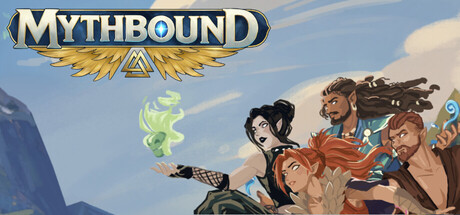
Mythbound features a small portion of generated assets in the form of environmental props for it's Early Access period. No generated assets will be featured in the final release of the game.
Some of this game's art and audio were made with generative AI tools and then edited and modified by the developer. All of it is pre-generated during development. No AI runs live during gameplay. The game's code, design and writing are authored by the developer.
AI tools were used only to check visual concepts, translate text into some languages, and create music placeholders. All such materials are currently significantly reworked by humans. By release, we plan to replace the music placeholders with original compositions and have the translations reviewed by human editors.
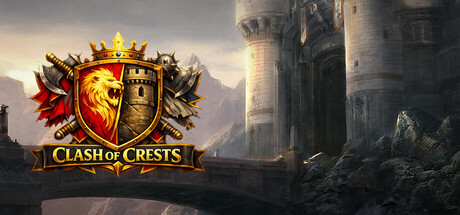
Some of the artwork in Clash of Crests was produced with generative AI image tools and then cropped, composited, retouched and finished by the developer. This includes unit and character portraits, faction crests, campaign banners and key art, and some environment and prop art. Parts of the in-game lore and flavour text were drafted with AI assistance and then edited by the developer. Nothing is generated by AI while you play: all content ships with the game as fixed, pre-made assets.
The game includes pre-generated AI-assisted content, including some character and card illustrations, boss videos, and portions of localized text. These assets are produced during development and included with the game. The game does not request new images, text, or voices from generative AI services during play.
Only the game's source code was written with the assistance of an AI coding tool. All art, music, writing, and other creative assets were created by hand without generative AI.
This game utilizes Artificial Intelligence solely for text translation and localization across different languages. All translated text has been manually reviewed and proofread for quality and coherence. All other aspects of development, including game design, mechanics, and art, are original assets. The audio features a mix of original work and third-party assets used under their respective licenses.
Some of the in-game background images and the store Capsule image art assets in this game were created using pre-rendered generative AI tools. These assets were then reviewed, refined, and integrated by our development team to fit the game's artistic vision
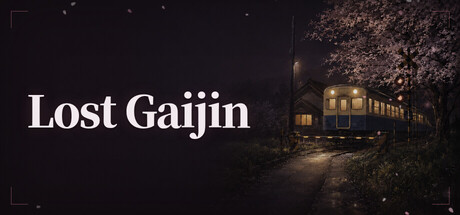
Lost Gaijin uses generative AI during development and gameplay. Selected pre-generated visual and audio assets used in the game and its Steam materials were created or edited with generative AI tools and reviewed by the developer. During play, text-generating AI responds to player input and game state to create dynamic story content and personalized Japanese-language coaching. Live-generated text is provided through OpenRouter and may vary between playthroughs.
Modern generative AI tools have been used alongside traditional development tools to assist with creating and modifying some visual and audio assets. This includes tasks such as retexturing assets to improve historical accuracy.
Generative AI tools were used extensively during the development of this game. Some artwork, UI assets, written content, character voices, and localization were created with the assistance of generative AI and were subsequently selected, edited, integrated, and reviewed by the developer. All AI-generated content was created in advance during development; no AI content is generated live during gameplay.
In terms of art direction, AI was used as a supplementary tool for improvement; it was not a completely automated process from scratch, nor were AI-generated assets used directly.
In terms of music, AI generation was used directly.
This game’s player-facing art, writing, and audio were created with generative AI and then selected, edited, and directed by the developer. Store images and trailers use the same pre-generated assets. No content is generated live during gameplay.
All textual copy, dialogue, and scripts in this game are entirely handcrafted and written by the developer without the use of AI. The background music and sound effects are licensed from Pixabay under commercial-use terms. Generative AI (Leonardo.ai) was utilized strictly to pre-generate initial CG illustrations and concept art, which were subsequently edited and refined manually by the developer before being built into the game.
Generative AI tools were used to create and edit selected pre-rendered visual assets, animations, and marketing materials. The game does not use live-generated AI content during gameplay.
"In-game cinematic intro uses pre-generated AI video clips that were manually edited, paced, and layered with original text in OpenShot.
Character sprites are based on original artwork that was digitized and enhanced for detail using Gemini, then animated in Krita."
Generative AI tools were used during development to enhance and refine certain images which included improving resolution, clarity, colour. No AI-generated content is created during gameplay.
Some of the artwork in this game — including character portraits, user
interface elements, map and battle backgrounds, unit sprites, and visual
effects — was created with the help of generative AI image tools, then
reviewed, corrected, and assembled by hand before being included in the
game. Some sound effects were produced with AI audio tools in the same way.
All of this content is generated ahead of time and is fixed in the shipped
build. The game does not generate any content while you play, and it does
not connect to any external AI service during gameplay.
Generative AI tools were used to assist in the creation of certain pre-generated 2D artwork and visual assets during development. AI-assisted artwork is reviewed, edited, and integrated by the development team to maintain the game's intended visual style and quality. No generative AI content is created live during gameplay
Much of the artwork in Convoy Inc. was created with the help of AI image tools, including job and event scenes, driver portraits, truck and city illustrations, map decorations and parts of the interface art. Every image was selected, edited and composited by the developer to fit the game's vintage atlas style.
The illustrated story scenes and the music in the trailer were also created with AI-assisted tools.
The game's design, code, systems, map data and all written text were created by the developer. The game does not generate any AI content while it runs.
This game uses generative AI in the creation of some visual elements, including character illustrations and backgrounds; all results were reviewed and retouched by hand. Voice audio is based on dubbing and recordings by real people, which were then converted or refined using generative AI.
The store texts and parts of the game's content, such as text and some 3D models, were made with the help of generative AI and then reviewed and edited by the developer. Nothing is generated by AI while you play.
Music, background, videos and images in this game, especially the artwork, were created using AI tools as a visual supplement.
This creative choice allowed me to focus more time and resources on what matters most, delivering longer, more engaging, and fun gameplay.
This game incorporates AI assistance in its development. The overall vision and execution remain that of the developer.
All language translations were done using Claude. If there are any mistranslations, please contact me to fix them!
Some visual assets were created with the help of generative AI and then edited by the developer. A few sprite animations (doors opening, the ghost, the dynamite fuse and explosion, the turret turning) were generated with PixelLab from our own hand-made sprites, and some store artwork was made with AI image tools. Parts of the in-game text were written with AI assistance and reviewed by the developer. The game does not generate any content with AI while you play.
AI coding tools help write and maintain the game's plugin code, and parts of the in-game text like NPC combinatorial string banks and translations were written with AI assistance, all being reviewed manully by the developer.
This game uses generative AI to help create pre-rendered store artwork, chapter illustrations, background music, and the official trailer. Game logic was drafted with AI assistance and reviewed by the developer.
All level design, gameplay mechanics, and in-game text are hand-authored. No copyrighted third-party material was used in any AI output.
AI was used during the development of the game mainly for code optimization and improvements. To a limited extent, AI was also used to create some graphics and to improve the appearance of a small number of interface elements.
Generative AI was used during development to create and refine some of the game's 2d and 3d artwork and music. All AI-generated content was reviewed, selected, and edited by the developer before being included in the game. Generative AI is not used during gameplay, and no content is generated in real time.
A small amount of artwork and text included in the game was created using generative AI during development. All such content is pre-generated. The game does not generate AI content during gameplay or connect to external AI services.
Some character portraits were created with generative AI. AI tools were also used to help write and translate the store page and to translate the game's text. The story and dialogue were written by our team.
This product contains pre-generated content created with the assistance of generative AI tools during development. AI-assisted content includes selected 2D artwork, character portraits, unit illustrations, decorative interface imagery, trailer and store artwork, portions of the soundtrack, and some player-facing descriptive or localization text. All AI-assisted content was reviewed and edited by the developer and is fixed before release. The game does not generate text, images, audio, or any other content using generative AI while it is running. Computer-controlled opponents and procedural simulation systems use conventional game logic, not generative AI.
Bloodlines & Banners is designed, architected, and coded by one person. Generative AI is used as a production tool for volume, with portraits, illustration, music, cinematics, voice, and a share of the in-game prose, at a scale a solo developer could not otherwise afford or commission. It is not used to make creative decisions. The art direction is a single locked style anchor authored by hand and enforced across every asset. The game design, the systems architecture, the historical research, the balance, and every line of the server and client are human work. In-game text is a mixed case, and we set that out plainly rather than round it up to “human-written”. We are stating this up front, unprompted, because we would rather a partner evaluate the game knowing exactly what it is than discover it later.
Kingdoms in Ink uses pre-generated AI-assisted content, including decorative map frames, store artwork, and some in-game and store text and translations. These assets and texts are prepared and reviewed during development. The game does not generate AI content during play or connect to external AI services.
Generative AI was used for portions of the game's localization during development. No generative AI was used to create the game's music and sound. Some of the images in the game were generated by AI. AI tools were also used as development aids for programming, but the shipped code is not AI-generated content intended for player consumption.
Mythbound features a small portion of generated assets in the form of environmental props for it's Early Access period. No generated assets will be featured in the final release of the game.
Some of this game's art and audio were made with generative AI tools and then edited and modified by the developer. All of it is pre-generated during development. No AI runs live during gameplay. The game's code, design and writing are authored by the developer.
AI tools were used only to check visual concepts, translate text into some languages, and create music placeholders. All such materials are currently significantly reworked by humans. By release, we plan to replace the music placeholders with original compositions and have the translations reviewed by human editors.
Some of the artwork in Clash of Crests was produced with generative AI image tools and then cropped, composited, retouched and finished by the developer. This includes unit and character portraits, faction crests, campaign banners and key art, and some environment and prop art. Parts of the in-game lore and flavour text were drafted with AI assistance and then edited by the developer. Nothing is generated by AI while you play: all content ships with the game as fixed, pre-made assets.
The game includes pre-generated AI-assisted content, including some character and card illustrations, boss videos, and portions of localized text. These assets are produced during development and included with the game. The game does not request new images, text, or voices from generative AI services during play.
Only the game's source code was written with the assistance of an AI coding tool. All art, music, writing, and other creative assets were created by hand without generative AI.
This game utilizes Artificial Intelligence solely for text translation and localization across different languages. All translated text has been manually reviewed and proofread for quality and coherence. All other aspects of development, including game design, mechanics, and art, are original assets. The audio features a mix of original work and third-party assets used under their respective licenses.
Some of the in-game background images and the store Capsule image art assets in this game were created using pre-rendered generative AI tools. These assets were then reviewed, refined, and integrated by our development team to fit the game's artistic vision
Lost Gaijin uses generative AI during development and gameplay. Selected pre-generated visual and audio assets used in the game and its Steam materials were created or edited with generative AI tools and reviewed by the developer. During play, text-generating AI responds to player input and game state to create dynamic story content and personalized Japanese-language coaching. Live-generated text is provided through OpenRouter and may vary between playthroughs.
Modern generative AI tools have been used alongside traditional development tools to assist with creating and modifying some visual and audio assets. This includes tasks such as retexturing assets to improve historical accuracy.
Generative AI tools were used extensively during the development of this game. Some artwork, UI assets, written content, character voices, and localization were created with the assistance of generative AI and were subsequently selected, edited, integrated, and reviewed by the developer. All AI-generated content was created in advance during development; no AI content is generated live during gameplay.
In terms of art direction, AI was used as a supplementary tool for improvement; it was not a completely automated process from scratch, nor were AI-generated assets used directly.
In terms of music, AI generation was used directly.
This game’s player-facing art, writing, and audio were created with generative AI and then selected, edited, and directed by the developer. Store images and trailers use the same pre-generated assets. No content is generated live during gameplay.
All textual copy, dialogue, and scripts in this game are entirely handcrafted and written by the developer without the use of AI. The background music and sound effects are licensed from Pixabay under commercial-use terms. Generative AI (Leonardo.ai) was utilized strictly to pre-generate initial CG illustrations and concept art, which were subsequently edited and refined manually by the developer before being built into the game.
Generative AI tools were used to create and edit selected pre-rendered visual assets, animations, and marketing materials. The game does not use live-generated AI content during gameplay.
"In-game cinematic intro uses pre-generated AI video clips that were manually edited, paced, and layered with original text in OpenShot.
Character sprites are based on original artwork that was digitized and enhanced for detail using Gemini, then animated in Krita."
Generative AI tools were used during development to enhance and refine certain images which included improving resolution, clarity, colour. No AI-generated content is created during gameplay.
Some of the artwork in this game — including character portraits, user
interface elements, map and battle backgrounds, unit sprites, and visual
effects — was created with the help of generative AI image tools, then
reviewed, corrected, and assembled by hand before being included in the
game. Some sound effects were produced with AI audio tools in the same way.
All of this content is generated ahead of time and is fixed in the shipped
build. The game does not generate any content while you play, and it does
not connect to any external AI service during gameplay.
Generative AI tools were used to assist in the creation of certain pre-generated 2D artwork and visual assets during development. AI-assisted artwork is reviewed, edited, and integrated by the development team to maintain the game's intended visual style and quality. No generative AI content is created live during gameplay