Public Steam disclosure research26,769 disclosures tracked
Where do games disclose AI use?
Search developers’ Steam disclosures, compare classified AI use across
games, and follow recorded changes.
This index adds cross-game classifications and statistics to
statements published on individual store pages.
Groups reflect automatic analysis of public disclosures; mature records are excluded. These counts do not measure AI use across all of Steam.
Missing or unclear statements cannot establish whether a game uses AI.
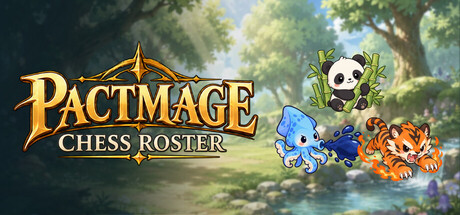
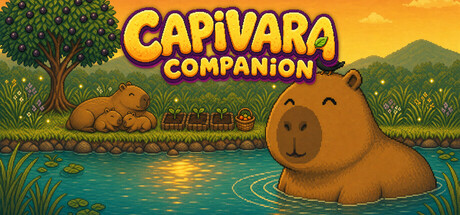
Much of the in-game pixel art (characters, buildings, terrain tiles, interface frames and achievement icons) was generated with PixelLab, an AI pixel-art tool, from prompts written to our own style guide and colour palette. Every asset was then selected, cleaned up and edited by the developer, and several sets were drawn by hand. The key art illustration used for the splash screen and store images, and the animated key art at the end of the trailer, were created with Midjourney. In-game text and the Dutch and German translations were written with the help of AI writing tools.
The music was composed by the developer, the sound effects are synthesised by our own scripts, and all gameplay in the trailer and screenshots is captured from the game itself.
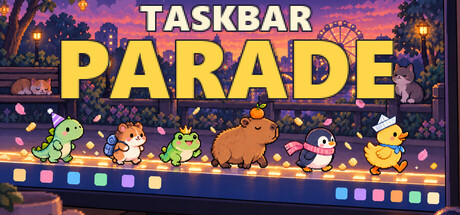
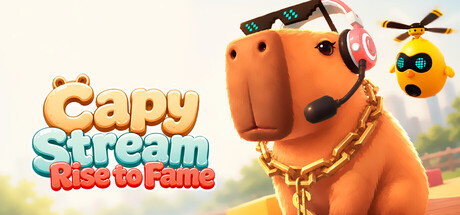
The character, hat, background and icon artwork in the game, and the artwork on this store page, were created with AI image generation and then selected, cut out and adjusted by the developer. In-game text and translations were written with the help of AI tools. Nothing is generated by AI while you play.
Generative AI was used for a large portion of the game's visual assets, including character artwork, backgrounds, icons, and some promotional materials.
These assets were not used directly without review. Most of them went through repeated generation, selection, editing, and adjustment to keep the characters and overall art style consistent. A significant amount of time was also spent integrating the assets into the game and correcting issues where necessary.
The game design, gameplay systems, balancing, level design, UI design, programming, and overall direction were done by me.
The game does not generate AI content during gameplay.
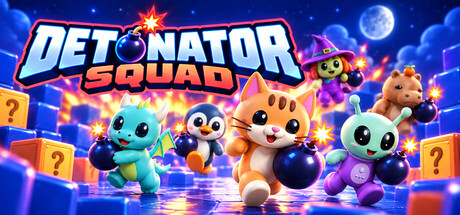
Detonator Squad was developed almost entirely using AI tools, under extensive human direction, ongoing refinement and review. The game is built on my own custom 3D engine that I have been working on for a while, using AI coding tools. AI was also used to create interface and promotional artwork and to author or assist with code, 3D assets, level layouts, game text, music and sound effects. The original core game logic was handwritten for an earlier project, then ported and adapted using AI. All content is supplied with the game; no content is generated by an AI service during gameplay.
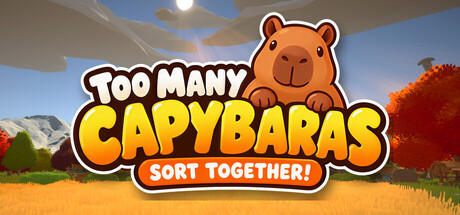
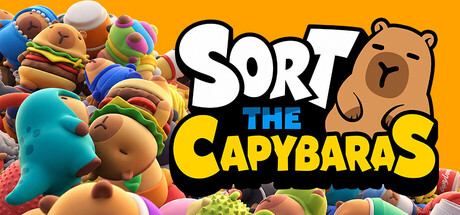
This game was made by a two-person team: a developer and a designer/artist. AI tools were used only as an aid during development. An AI 3D generator provided rough starting shapes for the capybara figurines, which the team then remodeled, textured and set up in the game engine. level design, gameplay, art direction, UI and text was designed and made by the team. The game does not generate any AI content while you play.
Art assets (backgrounds, capybara and object sprites, capsules, icon), the store trailer footage, sound effects, ambience and music were generated with AI tools (image and video generation, PixelLab, ElevenLabs) from the developer's own references and direction, then cropped, scaled, palette-snapped and composed by hand-written code. The translations of the game and store texts into languages other than Portuguese and English were produced with AI and reviewed by the developer. All code, game design, writing and the original Portuguese and English texts are human-made. The game does not generate any content at runtime.
Some of the game model mesh are crafted with AI Support, we have 1 artist creating toy design and 1 model artist to craft model of our own design. AI is used to help edit some of the model.
Temporary images for furniture and clothing icons within the game, some promotional materials and banners, text translation, and some temporary sound files were created using AI. All in-game content will be replaced with human-made work before the game’s release.