Public Steam disclosure research25,376 disclosures tracked
Where do games disclose AI use?
Search developers’ Steam disclosures, compare classified AI use across
games, and follow recorded changes.
This index adds cross-game classifications and statistics to
statements published on individual store pages.
Groups reflect automatic analysis of public disclosures; mature records are excluded. These counts do not measure AI use across all of Steam.
Missing or unclear statements cannot establish whether a game uses AI.
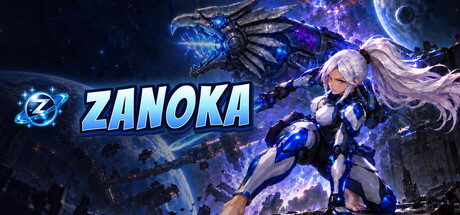
ZANOKA is made by a solo developer. All of its art began as hand-made drawings, sketches and pixel art, including concept art by artist Malaika Raheel. AI-assisted tools were used for polishing, frame interpolation and translation.
Generative AI-assisted tools were used during development to assist with programming tasks and to create or refine selected 3D models. All AI-assisted code and 3D assets were reviewed, edited, tested, and integrated by the development team. AI-assisted tools were also used for selected Steam marketing artwork. The game does not generate content with AI during gameplay and does not connect to an external AI service.
This game was made with the help of generative AI tools, which were used for its art, music, sound, text and marketing materials. Nothing is generated by AI while you play.
This game was developed with the assistance of generative AI tools.
Generative AI tools assisted with the creation of skill icons, terrain textures, some in-game 3D assets and visual effects, and translated localization text. All final assets and translations included in the game were selected, edited, and reviewed by the developer before integration.
The game does not use any AI features that generate images, text, audio, or other content in real time in response to player input.
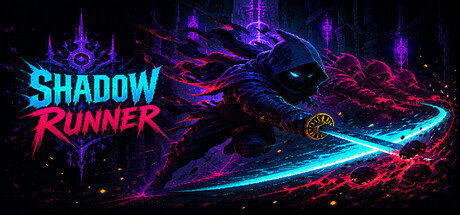
Shadow Runner uses AI image-generation tools to create a portion of the game's 2D visual art. AI was used as a starting point for:
• Store assets — capsule, header, and marketing images.
• In-game illustrations — chapter cutscene art and non-interactive background/scene imagery.
• Achievement icons.
All AI-generated images were produced with commercial text-to-image models (Midjourney / Stable Diffusion / DALL·E), then reviewed, edited, composited, and color-corrected by the developer before shipping. Pixel-art sprites, all gameplay elements, UI, visual effects, audio, and code are hand-authored and not AI-generated. Audio is procedural (Web Audio), not AI.
The game contains no live/runtime AI: nothing is generated on the player's machine during play, and no player data is sent to any AI service.
The developer has confirmed the generated images do not depict real, identifiable people or third-party IP, and holds commercial-use rights under each tool's license.
This game uses generative AI tools in part for creating UI character images and music.
These assets are further edited and refined by the developer before being implemented into the final game content.
No AI-generated content is created in real time during gameplay.
Some of the promotional and storefront images were created with AI tools and then refined by hand. All of the in-game assets were designed by a 3D artist.
That's right, in an era dominated by AI, all the art assets in this game are generated by AI, including the store page, capsule images, UI, and so on. But rest assured, all the materials were generated using my own AI subscription, belong to me, and there is proof on the official AI website.
This game includes AI-assisted content created during development. AI tools were used to support the creation of certain visual assets and/or design elements. All content has been reviewed, refined, and curated by the development team to ensure quality and consistency.
This game uses generative AI in a limited, supportive role during parts of the development process.
Specifically, some background images and item images are based on assets generated with the help of generative AI and then manually edited and refined by the developer. Additionally, certain 3D models are created by modifying and adjusting AI-generated base models through manual work.
The use of generative AI is limited to the art creation process only. No generative AI is used during gameplay, and no game content is generated or altered by AI at runtime.
The cover and library assets for this title include elements generated or enhanced with AI-assisted technology.
And also, Character meshes and a few item meshes were generated using AI-assisted tools.
Some in-game icons are created using generative AI tools like Stable Diffusion, with manual review to ensure copyright compliance. We monitor AI-generated content proactively and encourage players to report violations via Steam's reporting system.
The game has NO ai-generated content. The page localization is done with AI tools but it will be replaced when the game will be localized (without AI).
AI tools were used to help generate some visual assets and store page materials (images and text). The developer curated, modified, and finalized all content to ensure it fits the game’s style and design.
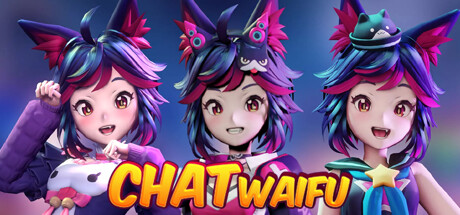
ChatWaifu does not include any large language models by default but supports importing custom large language model files by user. When interacting with the 3D character on the desktop via voice or keyboard input, ChatWaifu utilizes these models to generate and vocalize the conversation text.
Localizations to languages with an in-game marking "BETA" (French, Spanish, Italian, Swedish) have been created using generative artificial intelligence.
ZANOKA is made by a solo developer. All of its art began as hand-made drawings, sketches and pixel art, including concept art by artist Malaika Raheel. AI-assisted tools were used for polishing, frame interpolation and translation.
Generative AI-assisted tools were used during development to assist with programming tasks and to create or refine selected 3D models. All AI-assisted code and 3D assets were reviewed, edited, tested, and integrated by the development team. AI-assisted tools were also used for selected Steam marketing artwork. The game does not generate content with AI during gameplay and does not connect to an external AI service.
This game was made with the help of generative AI tools, which were used for its art, music, sound, text and marketing materials. Nothing is generated by AI while you play.
This game was developed with the assistance of generative AI tools.
Generative AI tools assisted with the creation of skill icons, terrain textures, some in-game 3D assets and visual effects, and translated localization text. All final assets and translations included in the game were selected, edited, and reviewed by the developer before integration.
The game does not use any AI features that generate images, text, audio, or other content in real time in response to player input.
Shadow Runner uses AI image-generation tools to create a portion of the game's 2D visual art. AI was used as a starting point for:
• Store assets — capsule, header, and marketing images.
• In-game illustrations — chapter cutscene art and non-interactive background/scene imagery.
• Achievement icons.
All AI-generated images were produced with commercial text-to-image models (Midjourney / Stable Diffusion / DALL·E), then reviewed, edited, composited, and color-corrected by the developer before shipping. Pixel-art sprites, all gameplay elements, UI, visual effects, audio, and code are hand-authored and not AI-generated. Audio is procedural (Web Audio), not AI.
The game contains no live/runtime AI: nothing is generated on the player's machine during play, and no player data is sent to any AI service.
The developer has confirmed the generated images do not depict real, identifiable people or third-party IP, and holds commercial-use rights under each tool's license.
This game uses generative AI tools in part for creating UI character images and music.
These assets are further edited and refined by the developer before being implemented into the final game content.
No AI-generated content is created in real time during gameplay.
Some of the promotional and storefront images were created with AI tools and then refined by hand. All of the in-game assets were designed by a 3D artist.
That's right, in an era dominated by AI, all the art assets in this game are generated by AI, including the store page, capsule images, UI, and so on. But rest assured, all the materials were generated using my own AI subscription, belong to me, and there is proof on the official AI website.
This game includes AI-assisted content created during development. AI tools were used to support the creation of certain visual assets and/or design elements. All content has been reviewed, refined, and curated by the development team to ensure quality and consistency.
This game uses generative AI in a limited, supportive role during parts of the development process.
Specifically, some background images and item images are based on assets generated with the help of generative AI and then manually edited and refined by the developer. Additionally, certain 3D models are created by modifying and adjusting AI-generated base models through manual work.
The use of generative AI is limited to the art creation process only. No generative AI is used during gameplay, and no game content is generated or altered by AI at runtime.
The cover and library assets for this title include elements generated or enhanced with AI-assisted technology.
And also, Character meshes and a few item meshes were generated using AI-assisted tools.
Some in-game icons are created using generative AI tools like Stable Diffusion, with manual review to ensure copyright compliance. We monitor AI-generated content proactively and encourage players to report violations via Steam's reporting system.
The game has NO ai-generated content. The page localization is done with AI tools but it will be replaced when the game will be localized (without AI).
AI tools were used to help generate some visual assets and store page materials (images and text). The developer curated, modified, and finalized all content to ensure it fits the game’s style and design.
ChatWaifu does not include any large language models by default but supports importing custom large language model files by user. When interacting with the 3D character on the desktop via voice or keyboard input, ChatWaifu utilizes these models to generate and vocalize the conversation text.
Localizations to languages with an in-game marking "BETA" (French, Spanish, Italian, Swedish) have been created using generative artificial intelligence.